

Blog
How to Choose the Perfect Colours for Your Agbada Embroidery

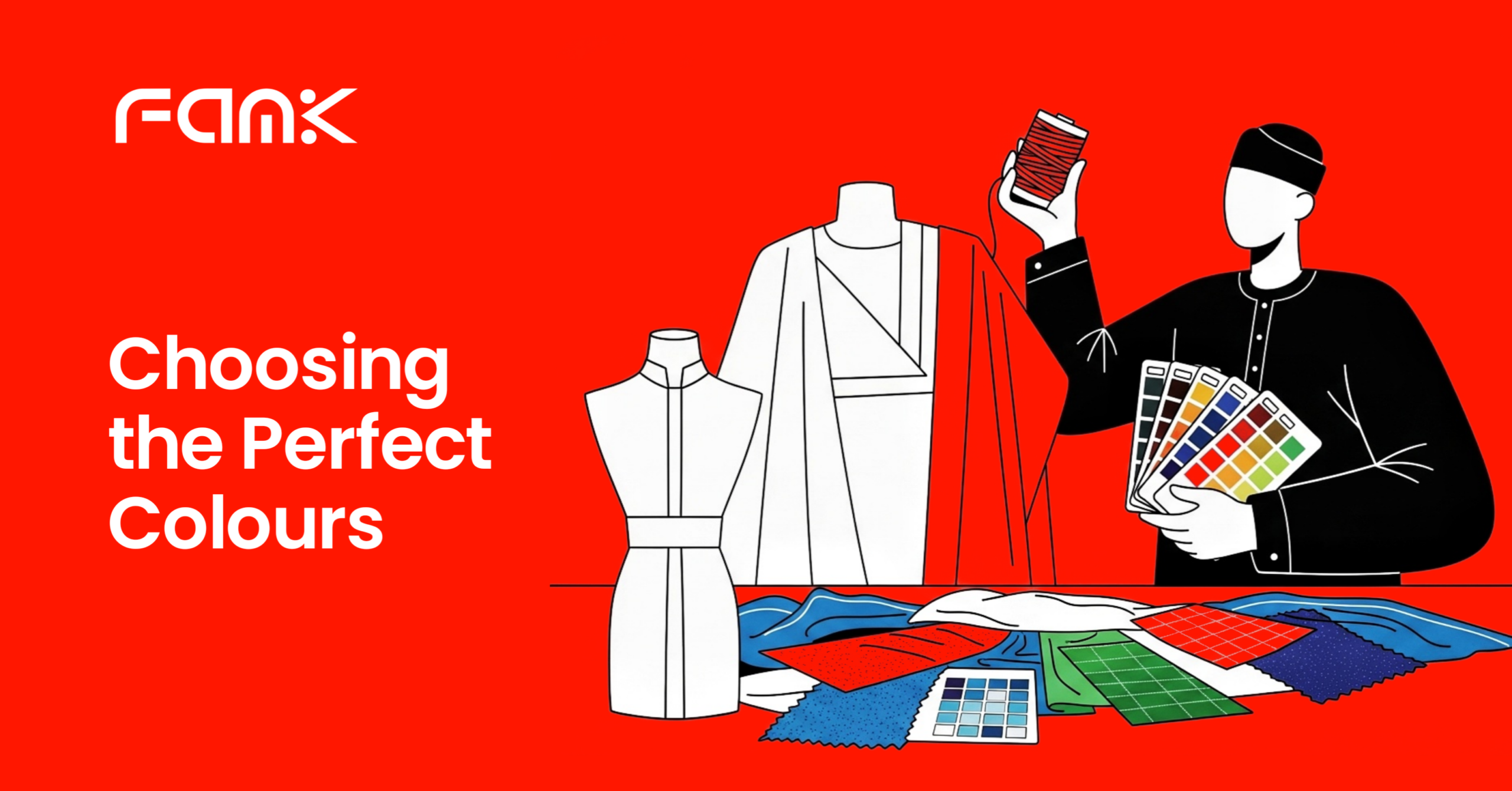
Let’s be honest. Most agbada garments fail the moment the first stitch is made. This is not the tailor’s fault; it is due to a lack of complementary thread colours that match the fabric colour. The choice of thread colours can distinguish novice embroidery from true artistry, yet it is still the most neglected and misunderstood aspect of agbada design. This agbada embroidery colour guide attempts to answer what is perhaps the most frequent question designers, tailors, and clients ask: how can I choose colours that look simple, fashionably sophisticated and not random?
It All Starts With The Fabric, Not Your Preferences
Your fabrics control the thread colours, not the other way around. You must first look at the fabric in natural light to determine the overall colour and, more importantly, the subtle undertones. Is the navy slightly purple or green? Is the cream warm or cool? Professional embroiderers will run colour tests to determine how light interacts with the fabric.
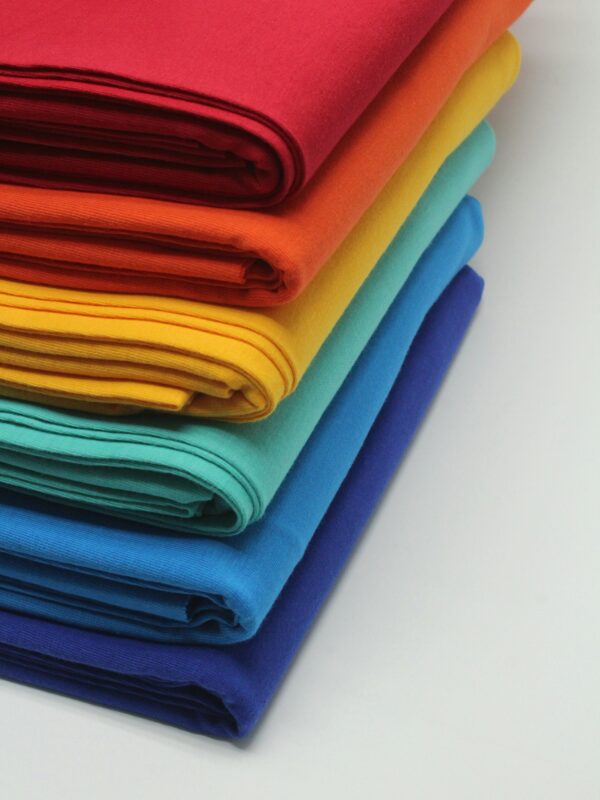
A gold white agbada will look elegant when gold threads complement rather than overpower the base fabric’s warmth. This step is often overlooked and will determine overall success, regardless of technical ability.
Limit Your Palette for Maximum Impact
New designers or embroiderers tend to use too many colours for their designs and they argue that it isn’t too many until they realize they lose other details because of it, ruining their ideas in the process. In the commercial world of embroidery, it is an accepted rule that keeping the colour combination in a design to an average of three gives a more sophisticated and effective look.
If a certain colour dominates up to 60 to 70 percent of the design area, and another colour is secondary and can be made to dominate 20 to 30 percent of the area, and an accent colour is to be 10 percent or less, then that is about the right balance or ratio of design colours. This gives the impression of a hierarchy and it directs the eye to focus on the right area.
Consider using varying thread sheens (matte and metallic) within a small number of colours instead of multiple colours when developing agbada design ideas.
Consider the Occasion’s Formality Level
The agbada design for a wedding will require a different colour palette than that for a casual weekend agbada. For more formal ceremonies, consider colour pairings that will shine in photographs, such as gold with navy, silver with burgundy, and cream with forest green. For agbada designs with a more than casual feel of copper with teal or rose gold, with charcoal and bronze, with sage, use a more daring colour palette. Complementary colours, for example, are great for colour vibrancy. For a more muted look, use colours adjacent on the colour wheel.
Test Everything Before Final Execution
Before the final execution of an idea, you must test everything. FAMK Apparel evaluated poor colour combinations and adhered to the principle that African fashion requires rich colours, not random ones. Before deciding to embroider the entire fabric, stitch a 10cm x 10cm sample to see how it will look once embroidered. Whether you like it or not, stay with it.
Once you do this, you must leave it for a long time. Observe it during the day and at night. If you are not sure, show it to people and if you are still not sure, make the original embroidery. The cost of the original threads is less than the cost of the fabric you just wasted. Using colours that look clever in theory but not in practice.
Check out how to pick the right embroidery colours for your agbada designs.
Cultural Context Informs Modern Choices
In traditional Nigerian embroidery, certain colours are paired together based on their individual meanings. For example, the colour gold represents prosperity, red represents vitality, and white represents purity.
In modern agbada embroidery designs, the absence of design elements due to overconforming to tradition can result in an uninformed, lazy design. The best contemporary designers create a balance between new ideas and respect for their culture. It is this balance—honoring roots and embracing change—that is most effective. There are innovative ways of flexible and smart design, and an understanding of the cultural context is important
Wrap Up
Mastering this agbada embroidery colour guide transforms guessing into informed decision-making. This is the foundation of the principles on which FAMK Apparel built its reputation, including embroidery. Choose from our premium designs or speak with our designers if you need to create new combinations.