

Blog
5 Agbada Embroidery Mistakes That Can Ruin Your Outfit

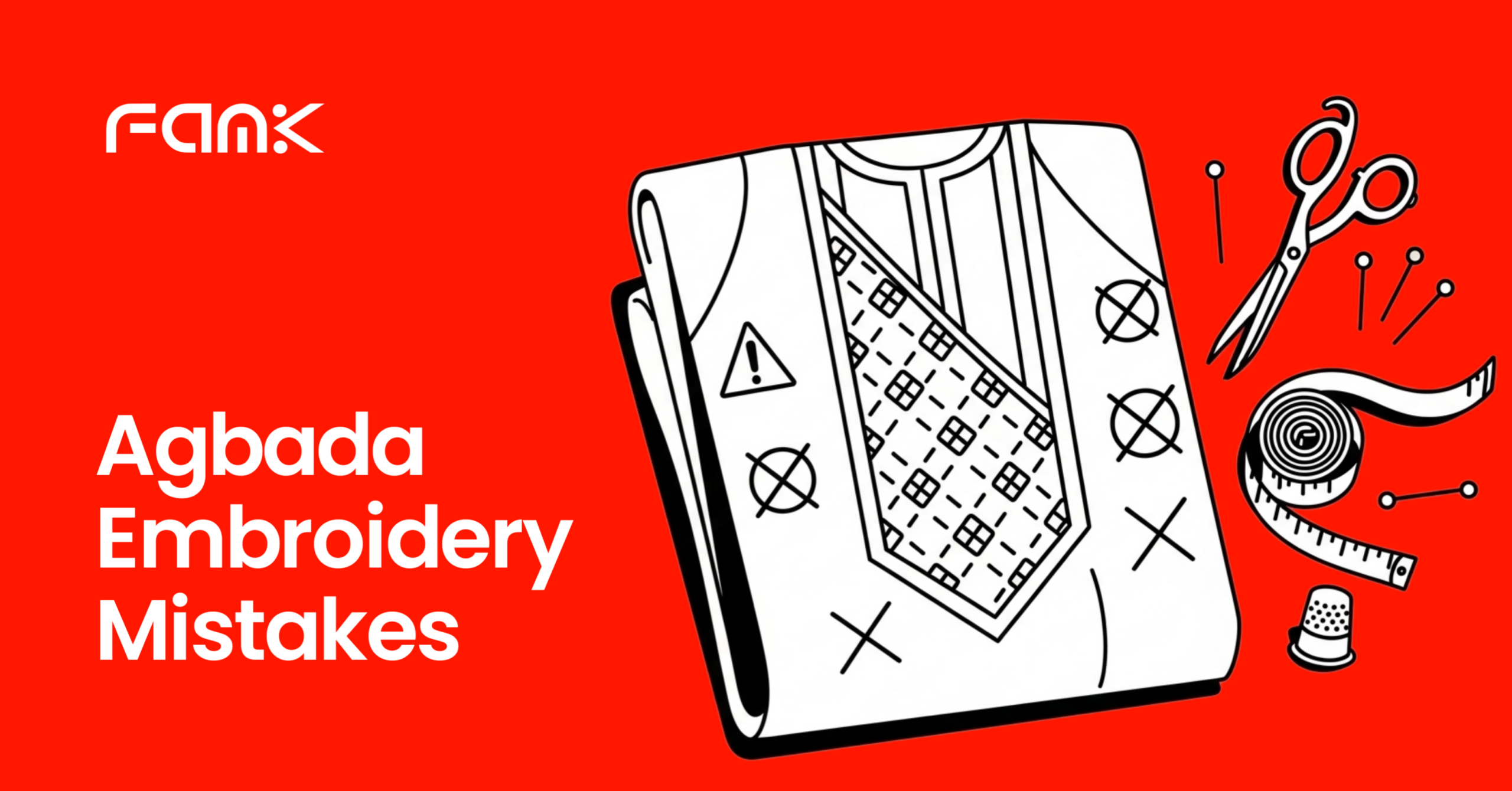
Embroidery makes agbada outfits look more grand and more special than those that don’t have it. A good embroidery design conveys status, class, and a good eye for detail. On the other hand, bad embroidery can show the opposite. It can show a lack of skills and workmanship, even with the best materials available.
Many designers and tailors invest their time and money into custom agbada designs for weddings, chieftaincy ceremonies, and other special events. However, all the time and money invested can be lost to these five agbada embroidery mistakes.
1. Incorrect Thread Weight for the Density of the Fabric
The most common mistake is using the wrong thread weight. Heavy and lightweight threads cause severe puckering and total distortion.
On the other hand, a thin thread on a thick fabric (such as brocade or guinea) is visually lost, making the embroidery look really bad in the end. Most Agbada fabrics are different in weight. From light voile to heavy demask—each of these requires specific thread consideration.
Most professional embroiderers do a test to see which threads will work the best in order to avoid this issue. This single step prevents the fabric from warping, which ruins garment drape and creates unflattering bunching around embroidered areas.
2. Wrong Placement That Disrupts Placements
The placement of the embroidery can either enhance the designs or overwhelm the wearer. Examples of embroidery placement errors include a design centered too high or too low on chest panels, intentional placement that creates asymmetry between pocket flaps, or embroidery that extends into areas of movement where the fabric flexes and distorts the design.
Many modern agbada embroidery designs use geometric patterns that must be perfectly aligned. If a design is misaligned by just a couple of centimeters, it can cause visual disorder instead of visual balance.
The main embroidery should be positioned to draw attention to the wearer’s face, shoulders, and upper chest.
3. Colour Selection That Clashes Rather Than Complements
While some may argue that the design or artistic work is the gold in every agbada embroidery, well, true; however, whether the design integrates elegantly or screams for attention depends on the choice of colour.
Gold thread on a dark purple fabric will look royal, but will look cheap on a yellow fabric. Silver also complements well with navy, but somewhat disappears against light grey. Colour is significant, and getting it wrong affects not only you, but your brand’s face altogether.
Many embroidery mistakes result from thread selection too close to the shop lighting and they look different in natural lighting during the day or evening event’s lighting.
Learn more on: how to pick the right embroidery colours for your agbada designs.
4. Inadequate Stabilization Causing Pattern Distortion
Using a stabilizer backing prevents the fabric from shifting during the embroidery process. This allows for clean embroidery design outlines and even stitch tension. Skipping stabilizing backing or using too little is one of the common mistakes in agbada embroidery.
Without sufficient stabilization, the design can move, the curves can get jagged, and repeated designs can get out of sync.
If you remove wash-away stabilizers too soon before the embroidery is cleaned, the embroidery may look fine at first, but it will look distorted after the first wash. Good-quality embroidery designs on agbadas require a sufficient amount of stabilizers to ensure the design won’t shift.
5. Overcrowding Designs That Overwhelm Rather Than Enhance
Unlike embroidery techniques and artwork, true aesthetic does not come from overdoing it. If your design covers every inch of the item with embroidery, or if you stack competing patterns on top of each other, or if you embroider a too large design that is too detailed from the far away sight, this will not create a masterpiece but a jumble of visuals.
Classic agbada embroidery understood the use of negative space. Embroidered areas are separated with unembroidered fabric for a “visual rest” from the embroidery. This idea is often overlooked in modern agbada embroidery designs, where there is a chest, sleeves, and a bottom with endless designs. In the end, the design ends up looking too ‘busy’ and cheap despite an expensive budget.
Well-placed designs will be much more highly regarded than the type of design that aims to cover as much as possible.
Final Thoughts
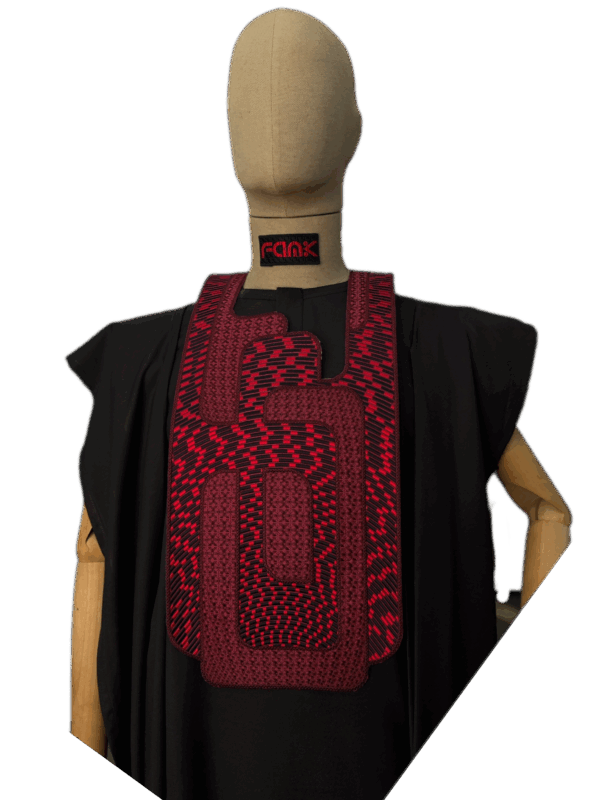
To avoid agbada embroidery mistakes, you need knowledge, and sometimes the work of a professional. FAMK Apparel built a reputation based on our understanding of the fundamentals. We showcase the balance of time-honored elegance with today’s technological accuracy—when it comes to thread, placing, and design balancing, we ensure your agbada screams distinction and not mistakes.
For your next ceremonial garment, check out our exemplary embroidery designs, tested and perfected, that will clear the uncertainties for you.