

Blog
The Complete Process for Creating Custom Agbada Embroidery

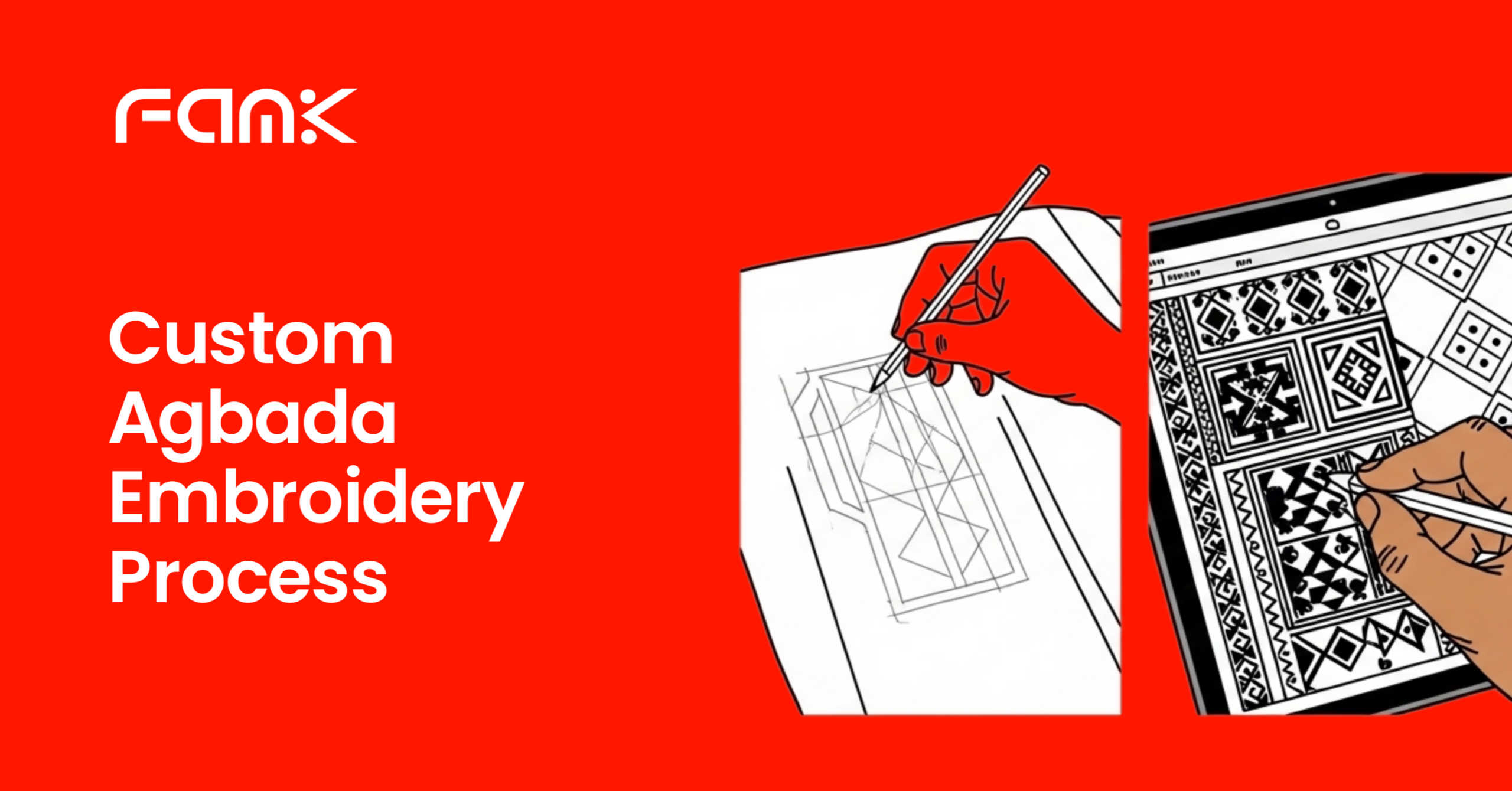
Nothing is wrong with mass-produced embroidery designs, but nothing beats the uniqueness of custom agbada embroidery tailored to your fabric, occasion and personal aesthetic. Whether it’s for a wedding, a cheiftancy position, or a milestone celebration, the custom embroidery process determines final garment quality. This guide will show you how to best articulate your ideas to embroiderers and help you to appreciate the quality of your agbada embroidery.
Stage One: Conceptualization and Design Brief
Custom agbada embroidery begins with the client’s active involvement. An effective brief will not only state the occasion, but also the preferred aesthetic, the placement of the symbols and representation. For agbada embroidery designs for ladies, considerations include whether the garment provides modest coverage, how embroidery interacts with feminine silhouettes, and whether designs should emphasize elegance over boldness.
For greater clarity, the client can also provide visual concepts,as this will help embroiders understand the nature of the project. Professional embroiderers are trained to ask specific and detailed questions. For instance, does the wearer prefer soft sophistication or a commanding presence? Questions like this help set design parameters before the real work commences.
Stage Two: Fabric Analysis and Thread Selection
Custom work demands dedicated planning for different types of fabric. The designer analyses real fabric samples (not just photos) to understand the weight, weave density, surface texture, and colour undertones.
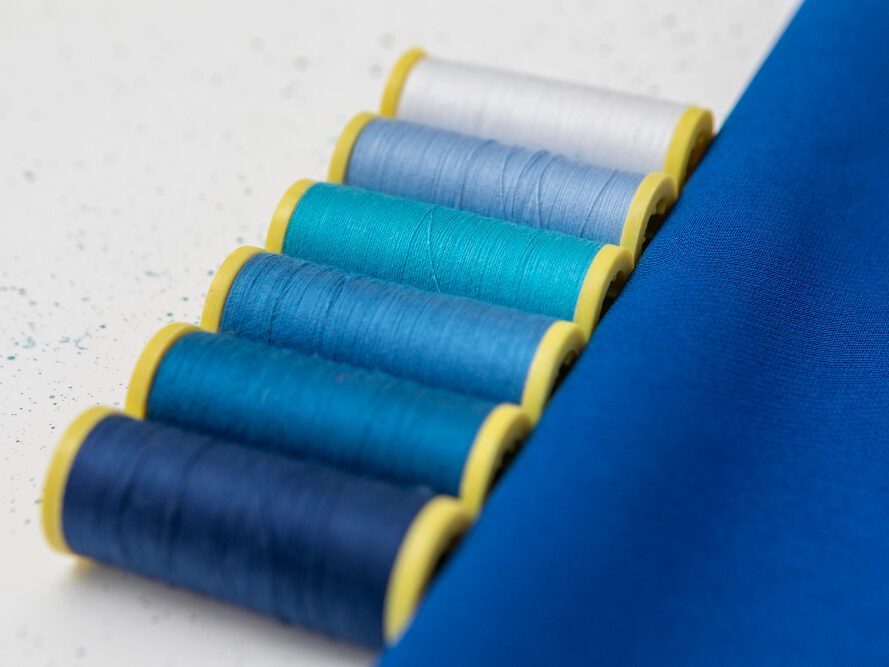
The designer’s touch helps define the embroidery pattern, complexity, thread weight, and whether additional stabilizing is necessary. While heavy satin stitch can be used on damask, delicate voile cannot take the same. Once fabrics are tested, thread colour samples are also tested.
Designers perform thread colour tests under natural light and discover colours that work well together. This step helps address a common embroidery mistake: designs that are theory-based nd are incompatible with the custom fabrics selected.
Stage Three: Digital Design and Pattern Creation
Embroidery software converts design ideas into stitch files the embroidery machine recognizes and uses.
Designers must create vector art for the embroidery design, in addition to any elements the client approves, and convert the vector art and any approved elements into a stitch file that provides instructions for every needle to move.
This process, known as “digitizing” is most successful when the designer understands how the different types of stitches (satin, fill, and running) work with the fabric. For instance, to avoid puckering on curved lines, it is typically necessary to adjust the density. Constructing a geometric design entails meticulous, precise angle adjustments to avoid unintended “thread” pieces and to keep each section of the design separate.
For more intricate agbada embroidery design requests, designers must create multiple files to test different stitch techniques and then choose the one that they think will produce the best results.
Stage Four: Sample Production and Approval
Trustworthy embroiderers won’t begin full production without client-approved samples.
Digitized embroidery designs are then embroidered onto sample materials that match the final material. Clients check samples for the correct fabric shade, design placement, pattern density, and overall aesthetic quality.
Approval is necessary to catch issues that are lost in previews, such as thread colours appearing differently than anticipated, patterns appearing bolder than expected, too subtle patterns, and design elements that are not properly adjusted to suit cultural authenticity. Adjustments are made during the sample, not after fabric is wasted.
Stage Five: Stabilization and Preparation for Production
Prior to embroidering on the real garment, the technicians will use fabric with the appropriate stabilizers to prevent movement during embroidery. There are many different stabilizers based on the type of fabric and on the type of design and single and multiple layer embroideries.
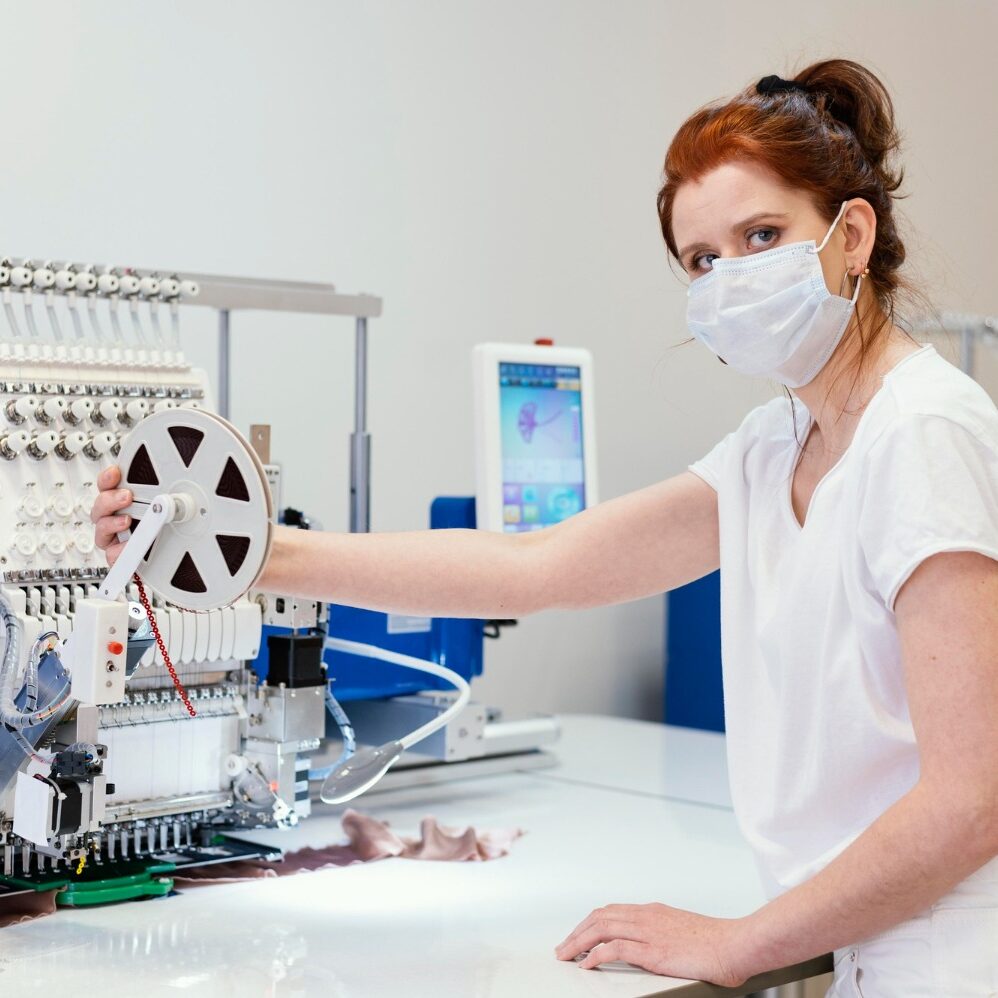
Cutaway stabilizers are for stretch fabrics and unstable fabrics. Tearaway stabilizers are for stable fabrics and where there is not much bulk. Water-soluble stabilizers are for special purposes when you need to completely remove the stabilizer.
The fabric is also to be properly hooped, meaning it is taut, distortion-free, and correctly positioned to match the design. These technical steps will determine the outcome of the embroidery patterns and whether they will be puckered and whether the embroidery will be shifted or the thread will break, as is the case with most novice embroiderers.
Stage Six: Embroidery Execution and Quality Control
The actual sewing of the fabric is done by a machine, with the operator controlling it. The operator oversees the tension of the threads, the speed depending on the sensitivity of the fabric, and will stop at the instant that he notices there is a break in the thread, a needle issue or the fabric has moved. Attention to detail is essential when it comes to custom agbada embroidery.
After finishing the embroidery, the last step is to check for loose threads, missing stitches, or inconsistencies in tension.
After that, the final step will be pressing with the required heat and steam to set the stitches on the garment without damaging the threads or the garment itself.
The FAMK Standard for Custom Excellence
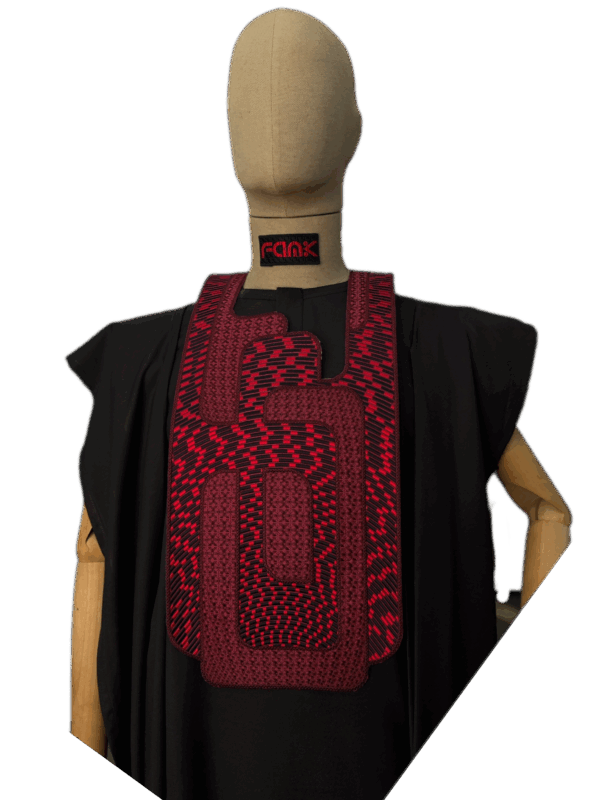
FAMK Apparel leaves no room for shortcuts. FAMK Apparel has led the way in innovation. Our agbada embroidery designs undergo quality assurance, testing, and rigorous development for custom agbada embroidery.
Whether you choose an embroidery design from our collection or order a fully bespoke one, we give all garments the same level of care so you can wear a truly unique garment.
To start your custom embroidery journey, reach out to our design team or browse our collection.