

Blog
Digital Embroidery and the Future of African Fashion Identity: A FAMK Perspective

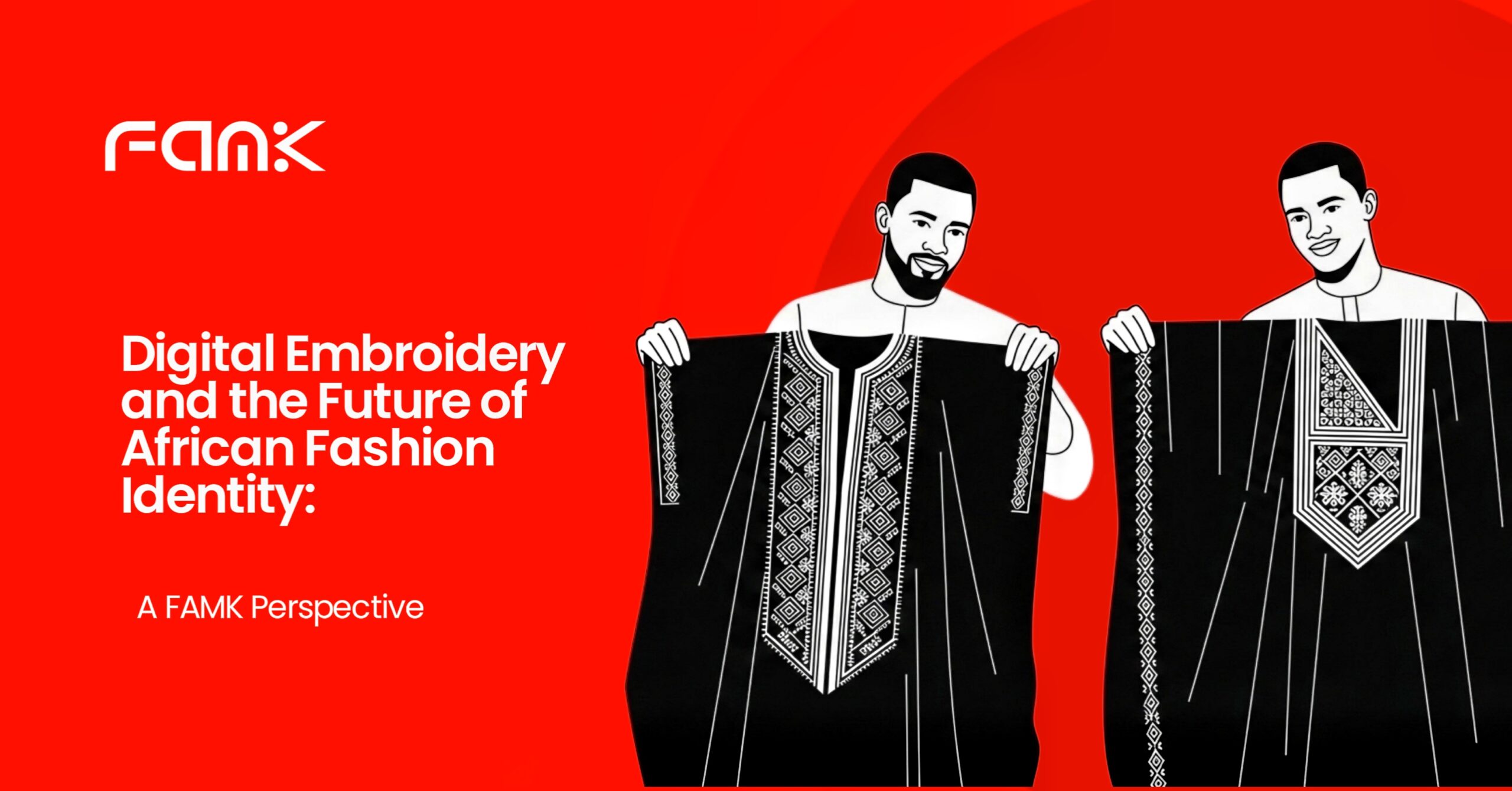
There is a conversation happening in African fashion right now, and it centers on one question: Does digital embroidery strengthen African textile identity or quietly erase it? The answer depends entirely on who is holding the technology and why.
The Weight of the Stitch
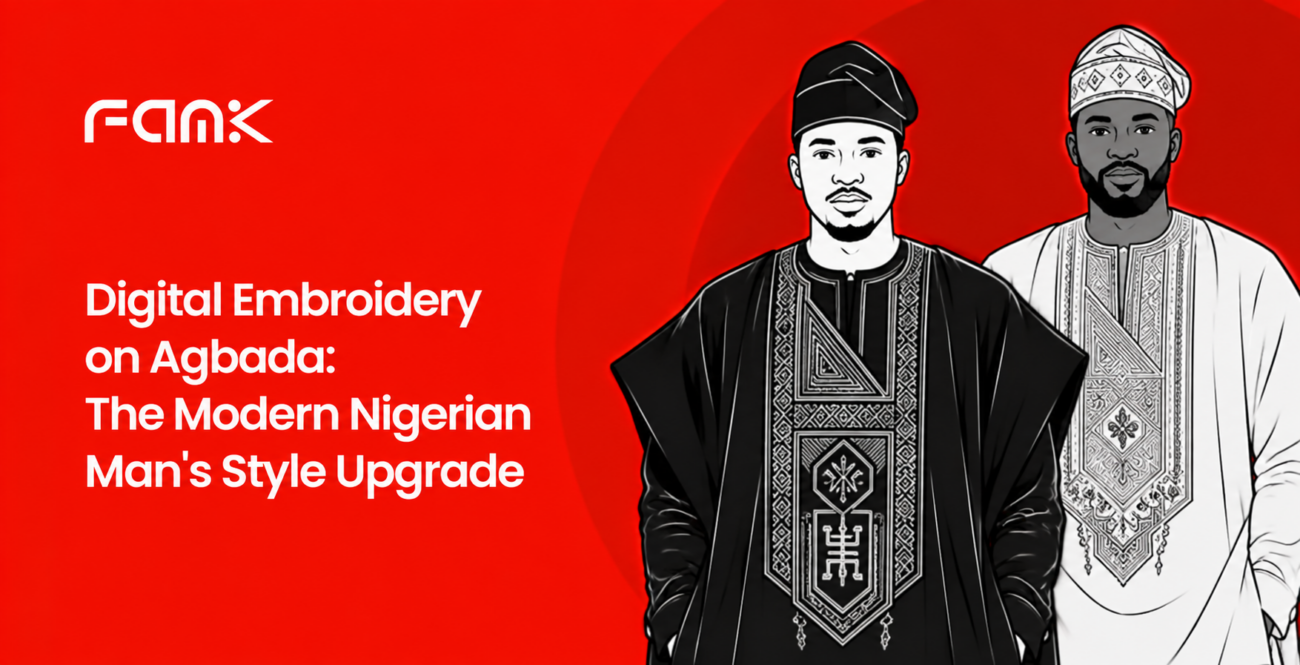
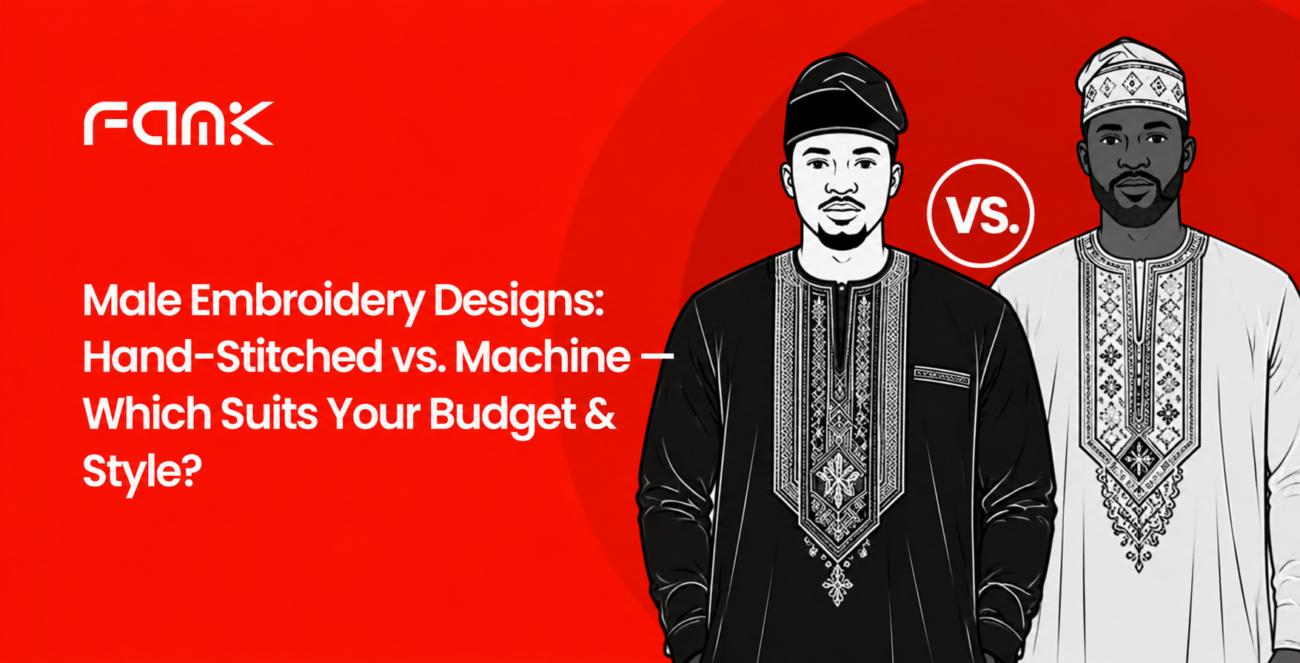
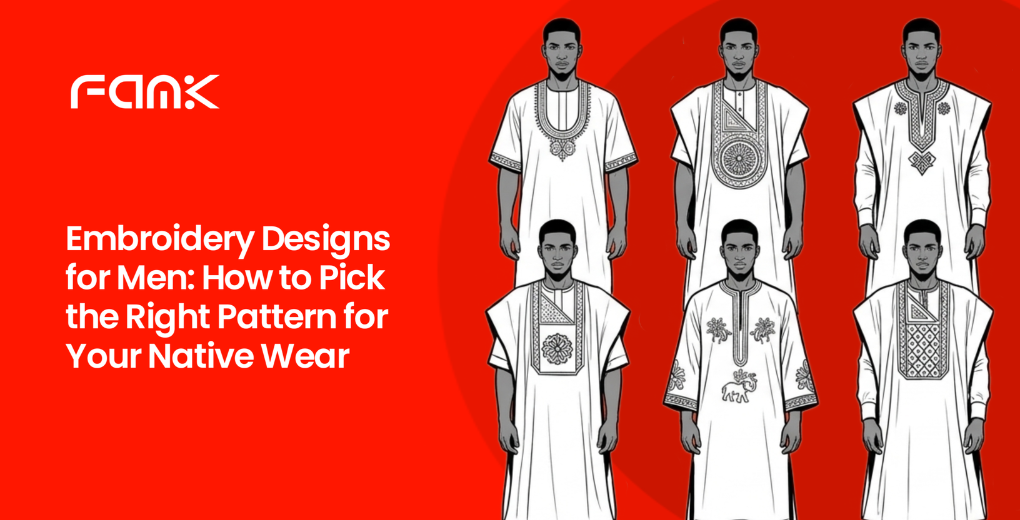
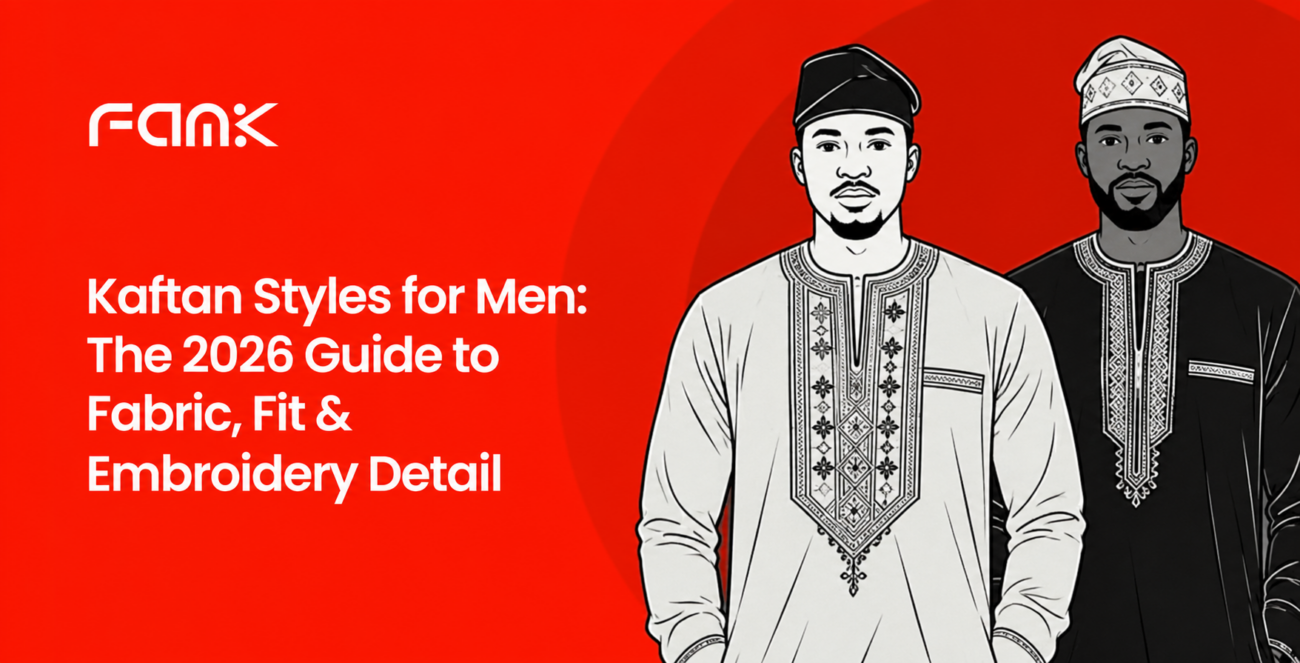
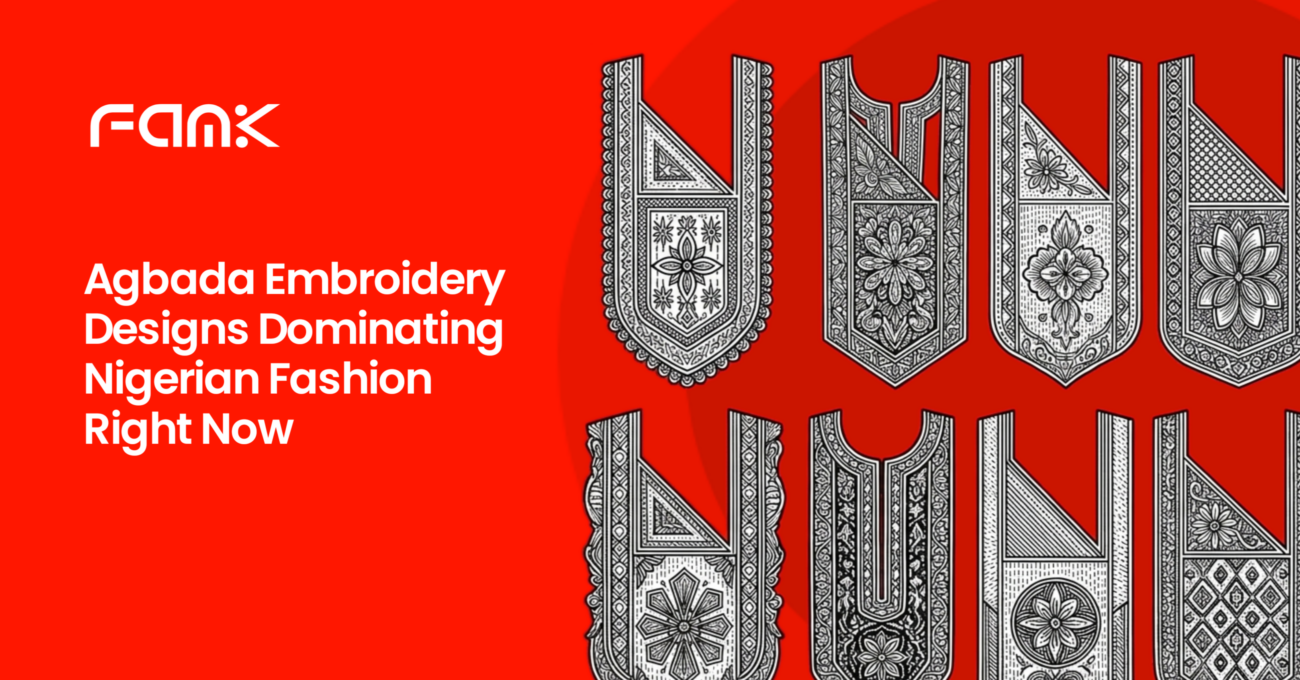
In African fashion, embroidery has never been just decorative. The intricacy of the threadwork on a kaftan, the dense kaftan embroidery along a neckline, and the knotted patterns across an agbada chest panel—these are meaningful. They signal occasion, status, and cultural affiliation. A well-embroidered garment is a statement beyond fashion. It’s a wearable identity.
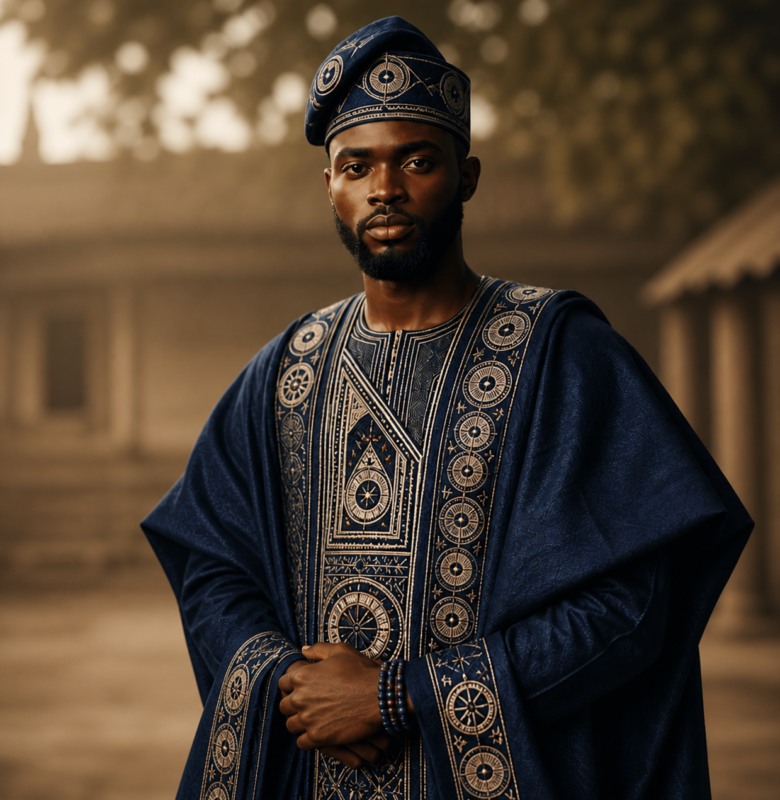
A man dressed in agbada
For generations, that identity was totally handmade. Skilled artisans, through informal apprenticeship and hours of painstaking needlework, translated cultural patterns into fabric. The result was genuinely unique clothing, each having the special trace of the hands that created it.
That process is unique in some circumstances. For bespoke ceremonial wear, for deeply personalised commissions, for garments intended to mark once-in-a-lifetime occasions—hand embroidery remains the gold standard. Technology doesn’t change that.
But bespoke is not all that runs the fashion industry. And that’s where the talk gets more interesting.
What Digital Embroidery Really Does
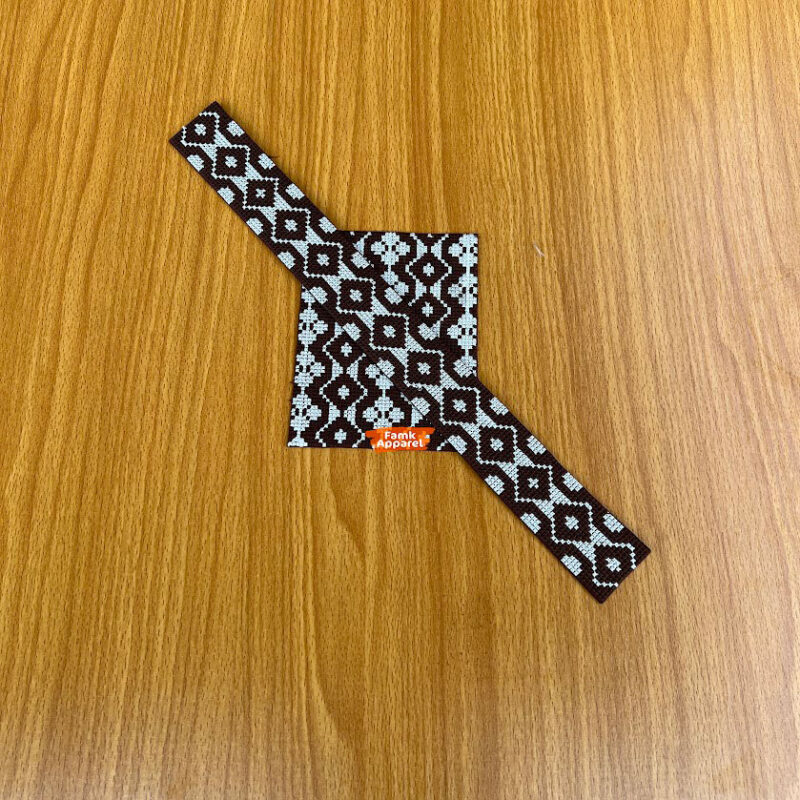
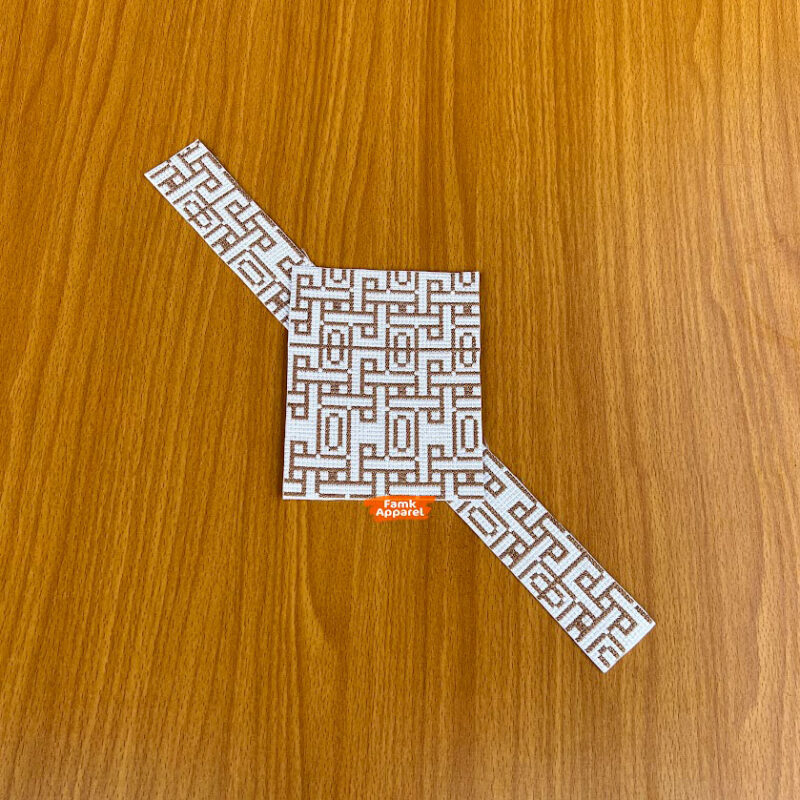
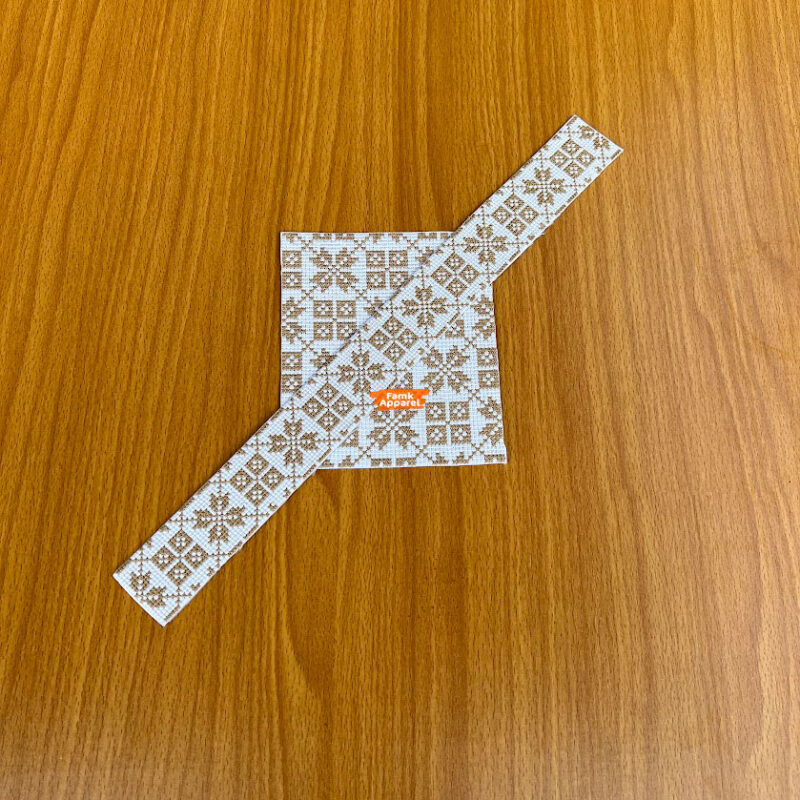
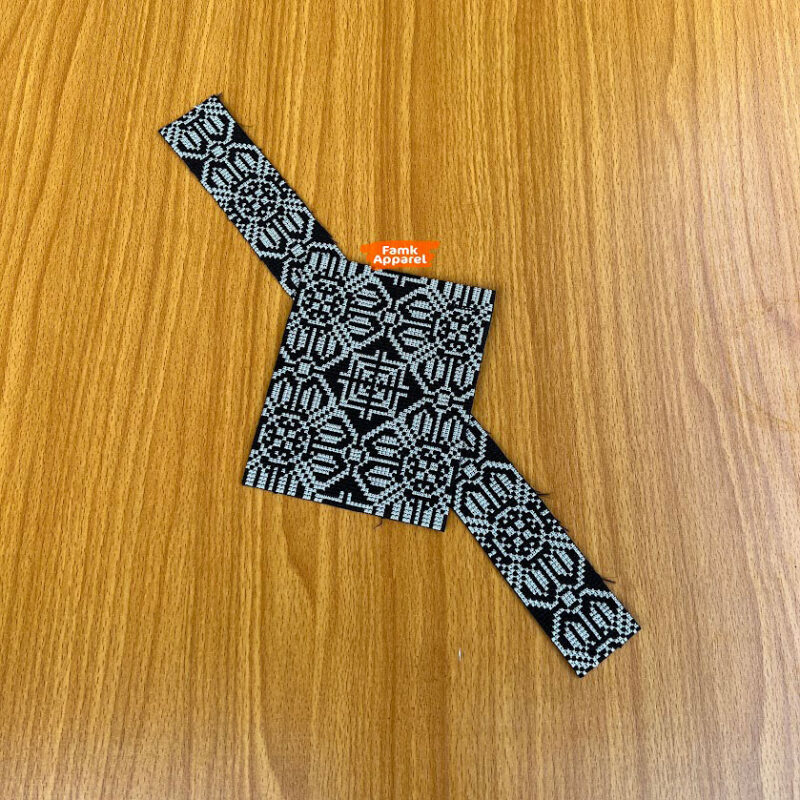
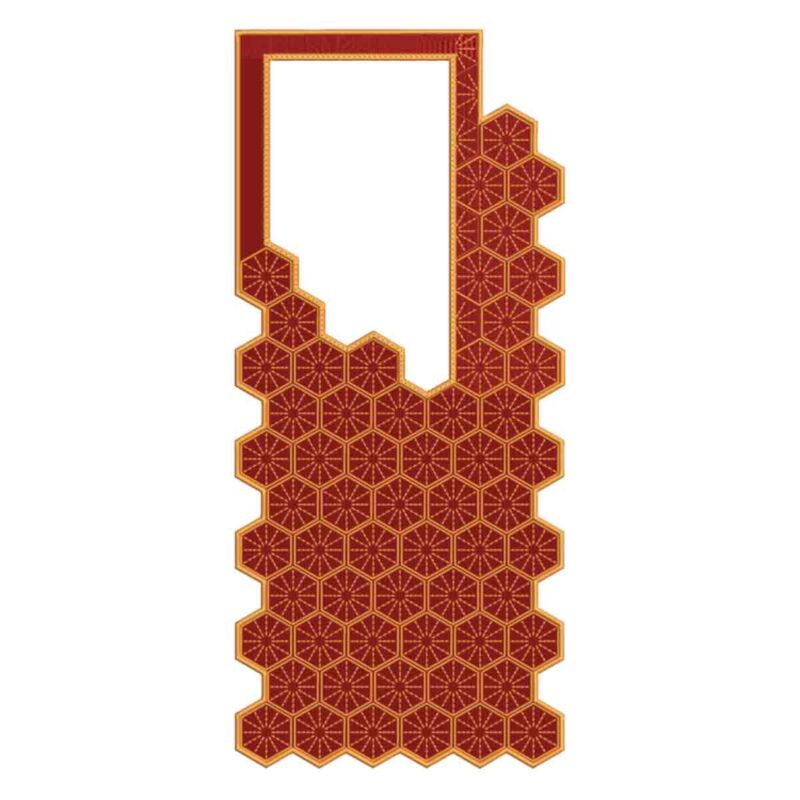
A digital embroidery machine takes a design from a cultural tradition, from centuries of African visual language, and reproduces it with mechanical precision on multiple pieces. Same stitch count. Thread tension is the same. Same pattern. Consistently. At scale.
Critics of digital embroidery often describe this consistency as a loss. Where’s the soul when every piece looks identical? It’s a fair question but it’s a misunderstanding of what digital embroidery makes possible when the intent behind it is right.
The design has still got to come from somewhere. But someone still needs to decide which patterns carry cultural weight, which kaftan embroidery motifs are worth preserving, and which visual language is appropriate on a contemporary garment. The digital embroidery machine executes; it does not originate. That origin stays with the designer, the brand and the cultural community the work is coming from.
When that creative intent is informed by a real understanding of culture, digital embroidery does not diminish the identity of African fashion.” It amplifies it, making it available to more people in more contexts, without the time and cost constraints that hand embroidery alone cannot overcome.
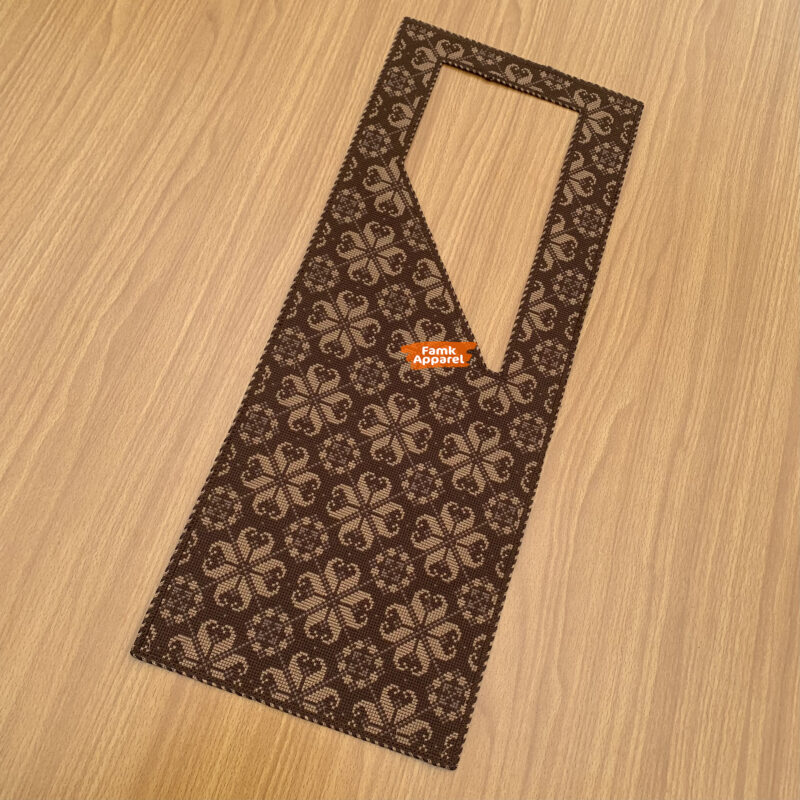
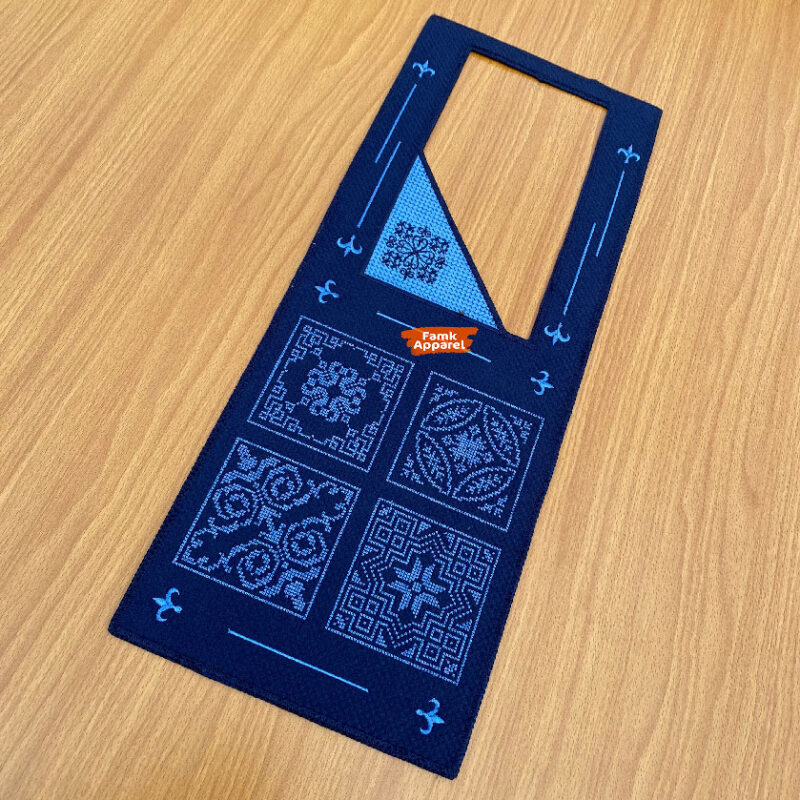
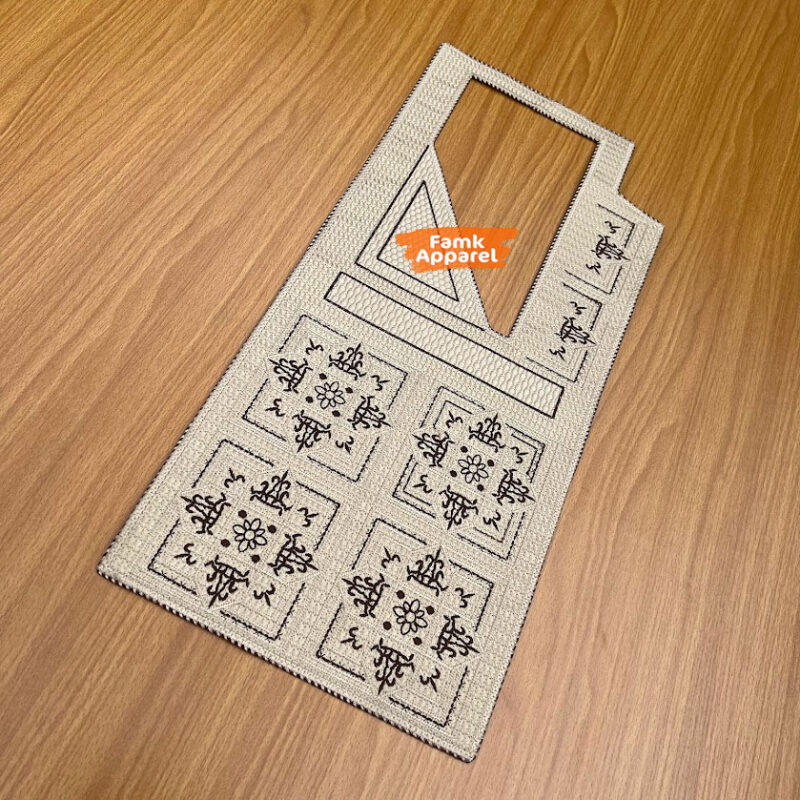
The FAMK Perspective
FAMK Apparel approaches this technology from a specific position: that African fashion identity is not fragile. It doesn’t need to be protected from technology. It needs to be carried forward with intention—and intention is a human quality that no machine replaces.
Our work is grounded in Nigerian heritage. The embroidery patterns on our pieces don’t come from a generic design library—they come from a deliberate creative process that takes the visual language of African textile tradition seriously. When digital embroidery is applied to a FAMK garment, it’s executing a vision that was formed in cultural context, not despite it.
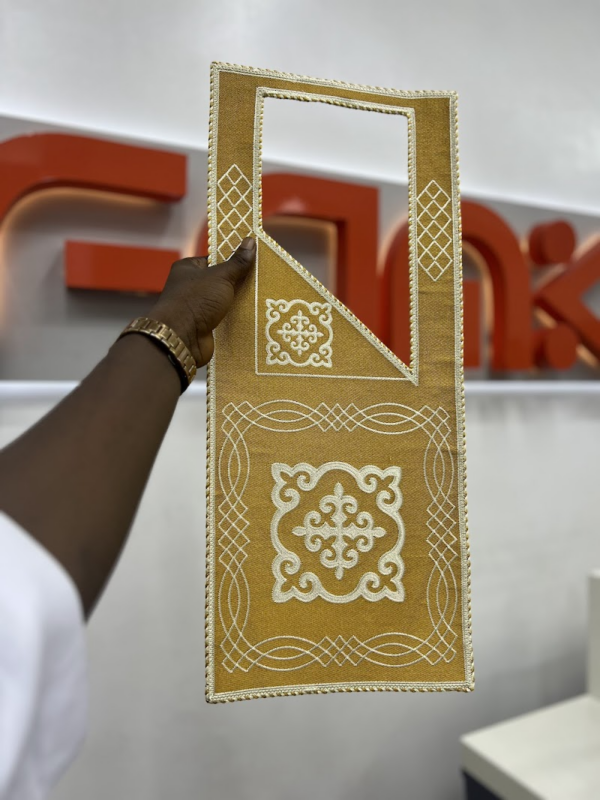
An agbada cape
That difference matters a lot. Digital embroidery in the hands of a brand with no cultural roots yields generic output in African aesthetics; in other words, it is like imitation without comprehension. In the hands of a brand like FAMK Apparel, it means something better: culturally rooted design, at a scale that gives African fashion authentic reach.
This is the line between brands that use technology to cut corners on the creative process and those that use it to expand on what’s already worth saying.
Scale as a Cultural Conservation Strategy
Here is a point that rarely gets made: scale, when driven by genuine cultural intent, is itself a form of preservation.
Hand embroidery has limitations, despite its irreplaceable qualities. There are only so many artisans with these skills. The time per piece limits the reach of the work.
Digital embroidery alters that equation. It makes motifs and patterns with deep cultural roots available to far more people to own and wear—the kind of kaftan embroidery designs that used to be seen only on garments made for the few. That’s not watering down African fashion identity. That’s a democratisation of it.
FAMK knows it. Our approach is not to choose between tradition and technology but to ask how technology can serve the cause of tradition, how can a digital embroidery machine be the vehicle through which African visual language travels further and reaches more people than it ever could through hand stitching alone?
The Question of Authenticity
The anxiety around digital embroidery in African fashion is, at bottom, an anxiety about authenticity. Does a garment manufactured by a machine have the same cultural authenticity as one made by hand?
The answer is that it all depends on what drives the design. In fashion, authenticity is not about how something is made but about cultural knowledge, creative intent and honesty about what a brand stands for. A digitally embroidered garment from a brand that knows the tradition is more authentic than a hand-embroidered one from a brand that has no idea about the culture it is borrowing from.
That is the standpoint from which FAMK Apparel originates. It is not the technology we use that defines them but our cultural grounding. The digital embroidery machine is a tool in the service of a vision, not the origin of it.
Final Thoughts
Digital embroidery is not the death of African fashion identity. In the right hands, it’s one of the most powerful tools that identity has ever had. The future of African fashion is not a conversation between handmade and digital; it’s a conversation about who gets to tell the story and how far that story can travel.
FAMK Apparel is having that conversation. And our answer is this: take the culture forward by whatever means best serves it, not because it’s the easiest path, but because it’s the only one worth walking.