
Blog
Complete Fashion Design Equipment List & Prices in Nigeria (2026 Guide)

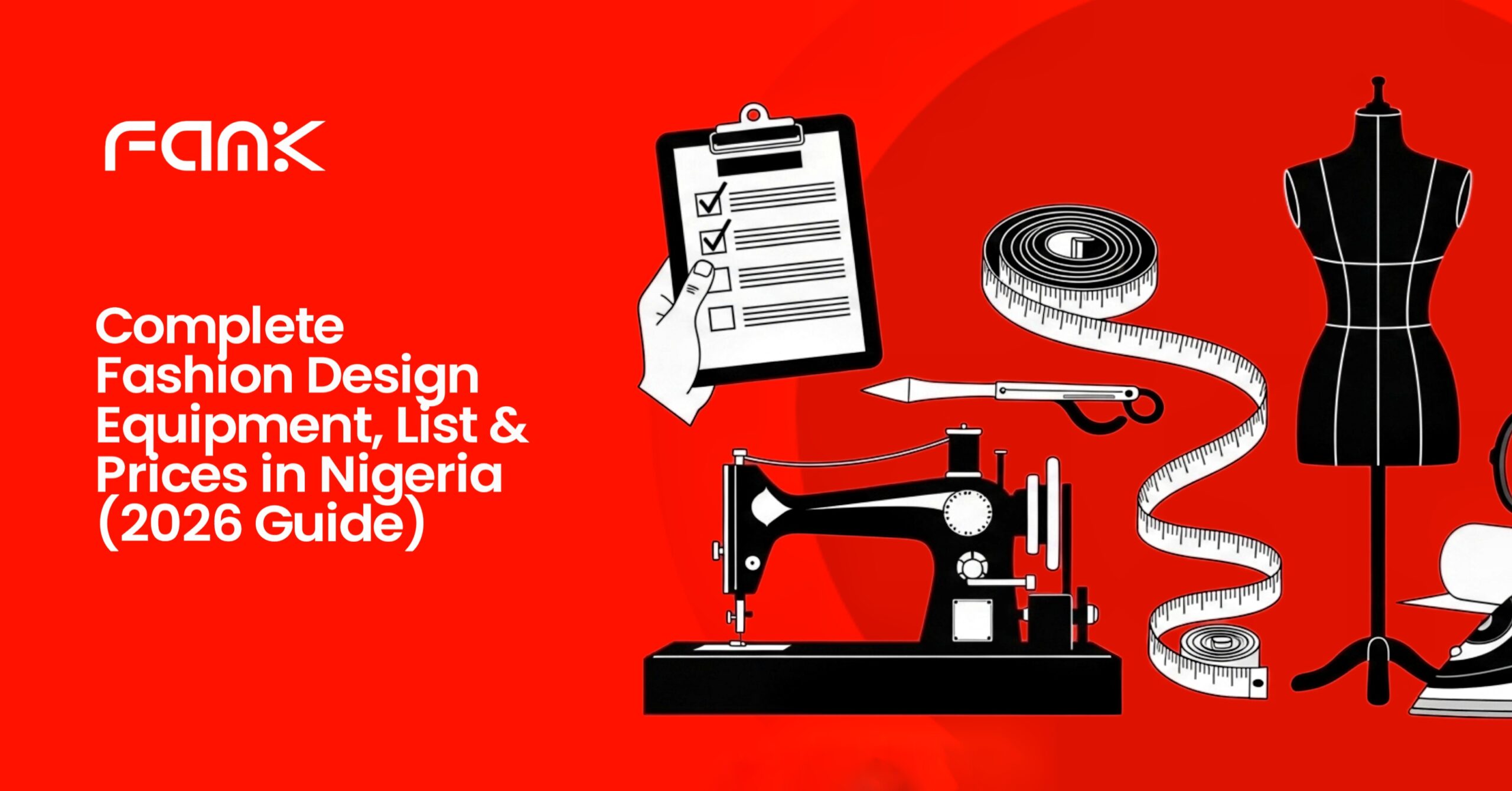
Fashion design in Nigeria is booming like never before. Nigerian fashion designers are becoming well-known worldwide. At home, demand for quality clothing designs is skyrocketing. Whether your dream is to create rivalling luxury clothing brands or open up a small seamstress enterprise sewing for clients in your neighbourhood. The tools you acquire dictate what you’ll be able to make and how well you’ll be able to do it.
What Equipment Do You Actually Need to Start Fashion Design in Nigeria?
To set up a good fashion design studio, you need a good sewing machine, cutting equipment, measuring tools, pressing tools and some notions. There are many who spend unnecessary amounts of money on special items before they really know what they are doing. The smart fashion designer will spend their money on quality starter equipment, then branch out into advanced equipment as they gain experience and clients ask for specific needs. Below is a list of fashion design tools that will allow you to make garments as a professional but don’t break the bank just starting out with a limited budget in Nigeria.
Essential Sewing Machines for Nigerian Fashion Designers
A reliable sewing machine is the foundation of your business. When you are just starting out, domestic machines from reputable brands are enough to sew most clothing design work. They will sew straight stitch, zigzag and make simple buttonholes, which is all you need to make dresses, shirts, pants, and simple pieces of traditional wear.


If your focus is on designing clothes that frequently use heavy fabrics or you specialize in Nigerian traditional attire, you may want to get a semi-industrial machine, as they are more powerful and durable. Fortevernigeria embroidery machines are great for Nigerian designers who want an embroidery machine without investing in an industrial one.
Once your business starts picking up and you need higher volume, you will want to invest in industrial straight stitch and overlock machines. Industrial machines can handle constant use for 8 hours a day, which would wear out domestic machines in a couple of months.
Cutting and Measuring Tools Every Designer Requires
One of the best ways to tell an amateur from a fashion designer is their fabric shears. Never skimp on your cutting tools. Cheap scissors will lead to frayed edges, ruined fabric, and frustration. Take your cutting seriously a nd buy yourself a good pair of fabric shears, a rotary cutter for long cuts, and small embroidery scissors for detail work.
In regards to measuring, get good tools that will last: fiberglass measuring tape will not stretch as fabric tape does, clear rulers are essential for patterning, and French curves are great for designing clothes with non-linear seams. Use Tailor’s chalk and fabric markers (buy in assorted colors) to clearly see your markings on different colored fabrics. And of course, you will need pattern paper or brown paper to make your templates.
Pressing Equipment That Makes Designs Look Professional
Pressing affects the quality of sewing more than many new designers realize. Invest in a good steam iron that lets you adjust the heat setting for different fabrics. You’ll need to be able to steam anything from silk to heavy cotton.
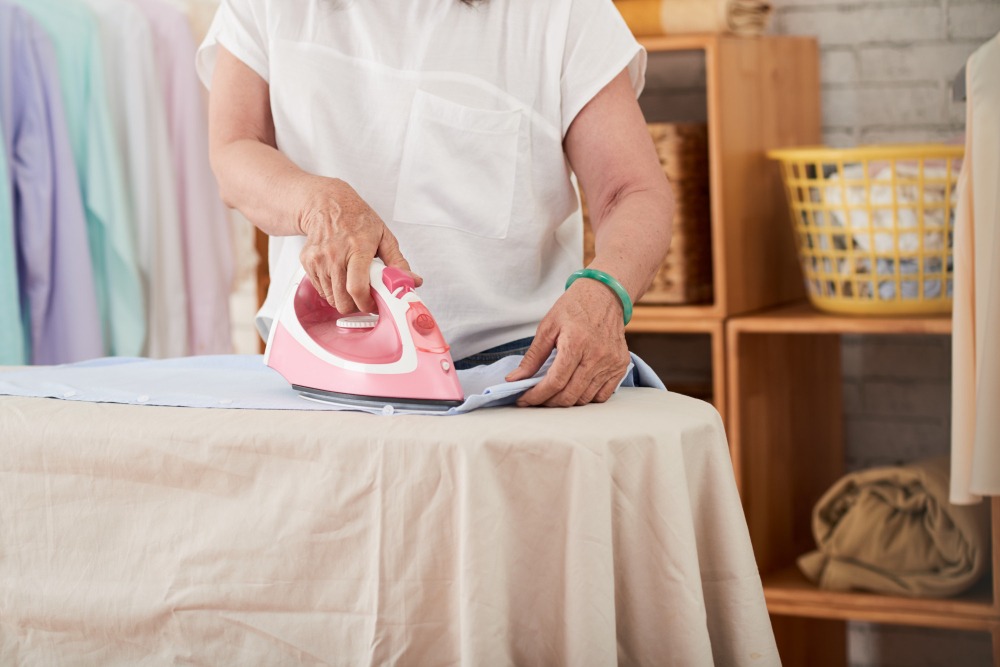
A good ironing board that lets you adjust the height is also important. You want to avoid backaches when you need to press for long periods. Use a pressing cloth to protect the fabrics you’re working with. Luxury clothing designers, who sew quality attire for a living, will often use a sleeve board to press sleeves and a tailor’s ham to press curves.
Pattern Making and Design Tools
Once you’ve got the basics down, there are some tools that can help you with creating your own patterns. Special pattern paper allows you to draw your templates full size for repeat production.
Pattern weights hold your paper in place while you trace designs, instead of pinning and potentially ruining them. If you’re seriously considering designing your own clothing rather than just making modifications, dress forms or adjustable mannequins are fantastic investments. You can do fittings without your client being there (especially helpful for bridesmaids and wedding gowns since there are multiple fittings). Adjustable ones work for multiple sizes.
Understanding Sewing Price List in Nigeria for 2026
Price depends on what you’re sewing. Simple dresses, such as basic tops or pants, can have a lower price. The item’s complexity and its fabrics allow you to charge more. Designer clothes, such as traditional attire, wedding gowns, and suits, are complex, so you can charge more. Don’t overprice or underprice your services.
Underprice and you won’t make a profit (we’ve seen many Nigerian tailors do this). You need to cover the cost of materials and equipment, allow for depreciation of equipment, pay yourself for your time and operating expenses and profit. Overprice and you’ll scare clients away.
FAMK Apparel: Elevating Nigerian Fashion Design With Premium Embroidery
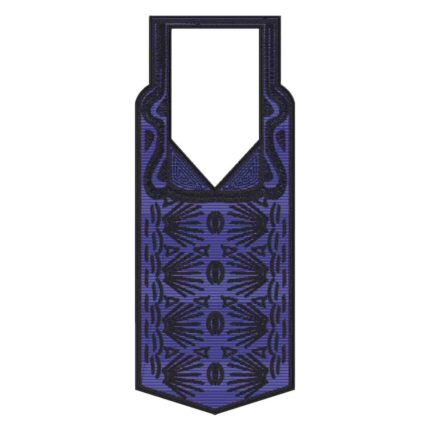
As you invest in your fashion design tools, allow FAMK Apparel to enhance your work with our embroidery services. We were at the forefront of digitized embroidery on couture-appropriate African garments when others were limiting themselves to corporate logos.
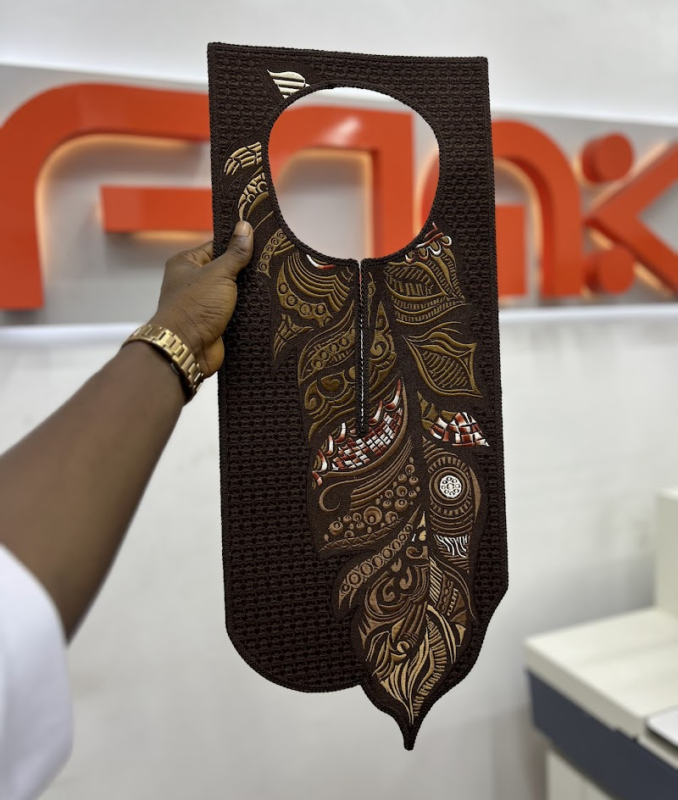
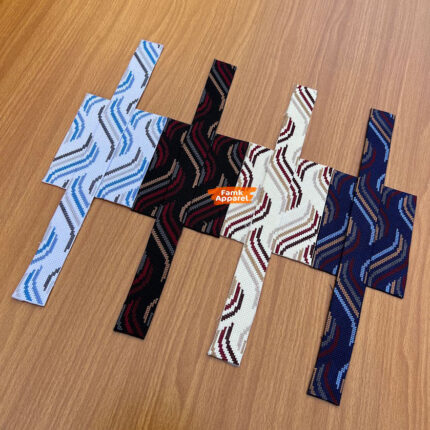
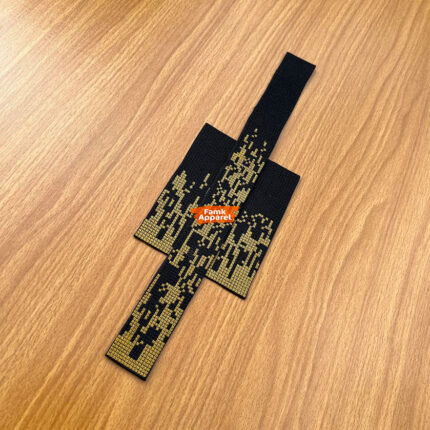
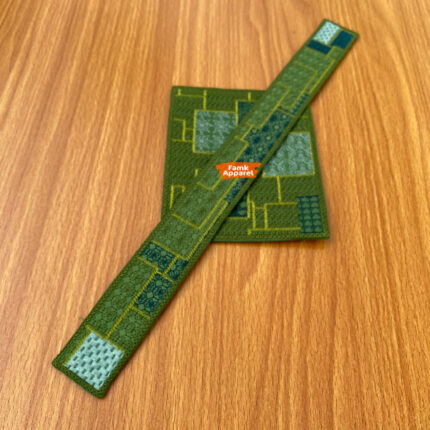
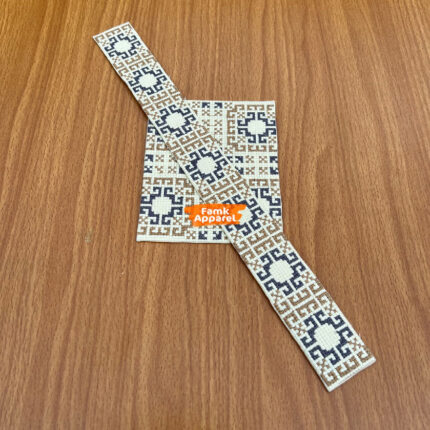
Custom clothing design embroidery for agbadas, kaftans and traditional clothes takes your work to the next level by allowing you to sell high end products at a higher price point. FAMK has you covered, whether you want pre-made embroidered flaps to add to your pieces or digital embroidery designs to set your products apart from your competition.
Wrap Up
If you are starting out as a fashion designer in Nigeria, you have to be strategic when you’re about to get your equipment. Invest in quality machines you will use every day (like sewing machines, professional cutters, measuring tools and pressing tools) before you invest in advanced tools. You will know what other fashion design equipment you need as you get more skilled and pick up customers. Allow your needs to dictate your fashion design equipment.
Frequently Asked Questions (FAQs)
What Is the Average Cost to Start a Fashion Design Business in Nigeria?
Keep in mind that this price will change dramatically depending on how grand your visions are and what you already have (if anything) to start with. If you can get your hands on a decent domestic sewing machine, a few tools, and have the budget to order some supplies to get you started, you won’t need much to launch. However, if you want to launch big and buy semi-industrial equipment and a full warehouse of tools and fabrics, you’re going to need more cash.
Here’s an estimated breakdown:
- Equipment & Tools – ₦350,000 – ₦650,000
- You will need an industrial sewing machine. ₦350,000-₦390,000 and an industrial overlock machine. ₦390,000-₦650,000. You also need a cutting table and a steam iron.
- Rent & Setup – Prices will vary based on your location and the amount of space you rent.
- If you rent a studio or space, you will need to pay rent monthly or yearly, depending on your agreement. Also include the cost of electricity or generators.
- Initial Materials – ₦50,000 – ₦150,000
- Fabrics, threads, scissors and measuring tools.
- Business Registration – ₦10,000–₦20,000
Price will depend on how you register your business. If you use the CAC to register your business, it will cost between ₦10,000 and ₦20,000.