
Blog
Industrial Sewing Machine Price in Lagos and Beyond: A 2026 Guide for Nigerian Tailors

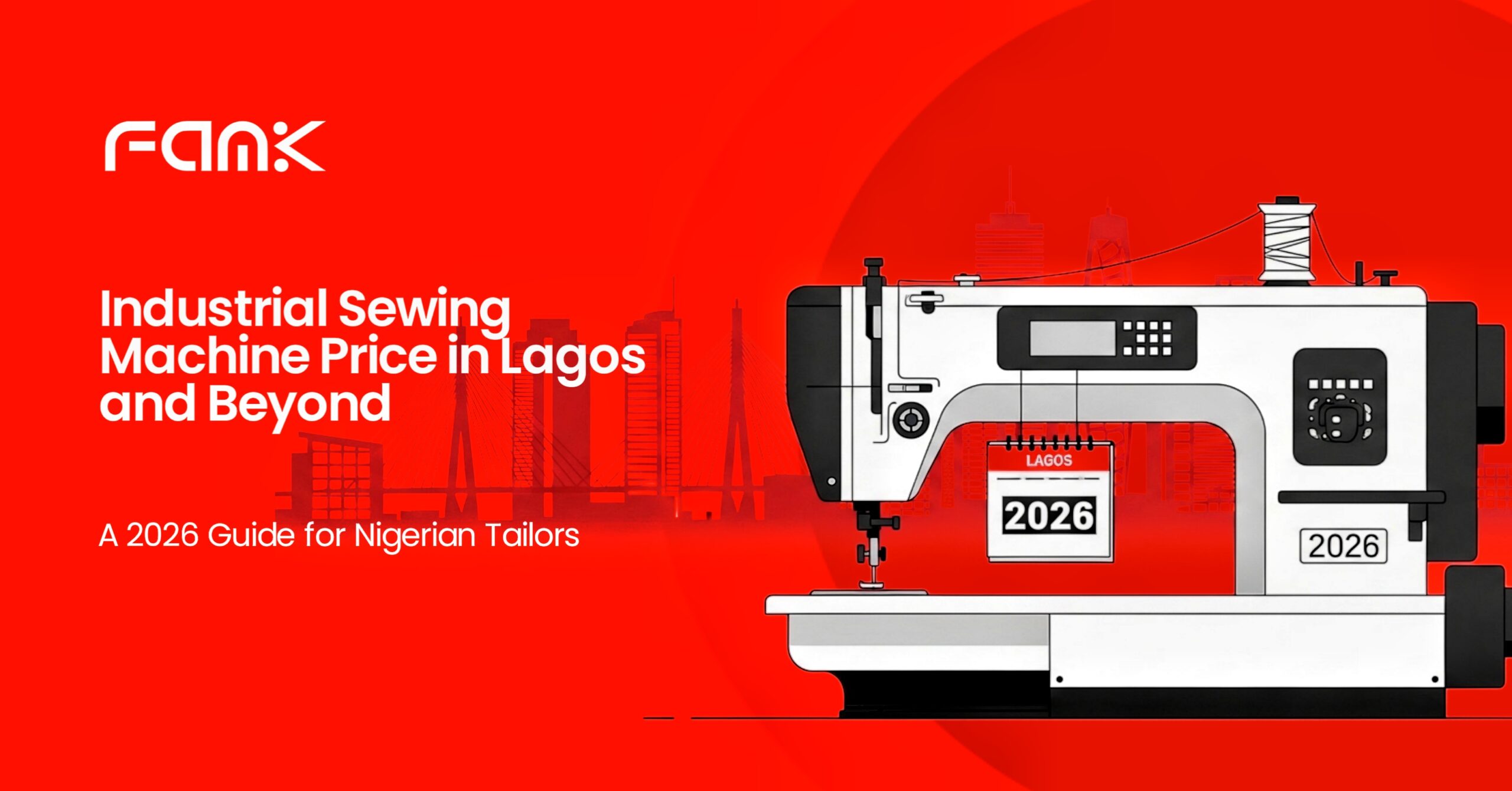
If you’re thinking about taking your tailoring business to the next level by upgrading your equipment, you probably started with one simple question: how much does an industrial sewing machine cost in Nigeria? The answer depends on many factors, like what kind of industrial sewing machine you want, which brand you choose, and where you’re located, but we cover all that below. From machine type to trustworthy brands to hidden setup costs, here’s everything you need to know to make an informed decision on your industrial sewing machine purchase.
Understanding Industrial Sewing Machines
An industrial sewing machine is designed for durability and long hours of continuous operation. They’re used anywhere from large fabric shops to your neighborhood tailor shop. Because they are not intended for at-home use, industrial machines can typically sew faster, stronger, and use thicker thread and heavier fabrics than domestic sewing machines.
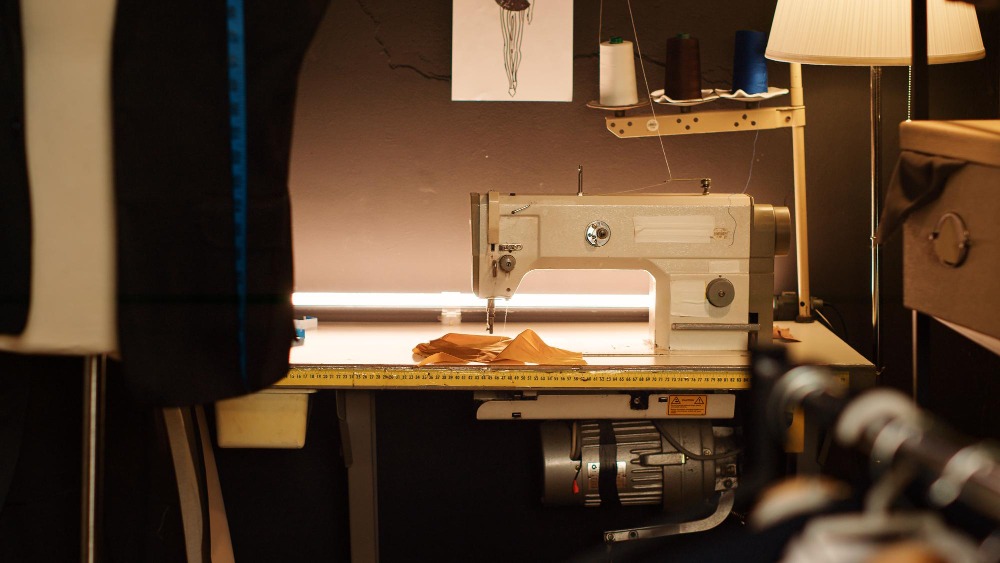
As a tailor in Nigeria who stitches professionally with fabrics like ankara fabrics, denim, cashmere, canvas, and leather (or any thick fabrics that require you to put some muscle behind the pedal) (or work with heavy draping fabrics like aso-oke or damask), a domestic machine will work, but you’ll work much harder. That’s why an industrial sewing machine is a necessity for any tailoring business that intends to grow.
Different Types of Sewing Machines and Their Uses
Single Needle Lockstitch Machine
The workhorse of Nigerian tailoring shops. Perfect for all kinds of garment production, including straight-stitching and working with lightweight-to-medium fabrics.
Overlock Machine (Serger)
Your overlock machine does three jobs at once: trims, stitches, and finishes the edge of your fabric. It’s specially designed for knitwear and jersey fabrics that need overcasting for neat seams.
Flat-Bed Machine
Large flatbed machines are used for sewing large flat pieces of fabric together. Attach pockets, sew on panels, and more. Commonly found in garment production facilities.
Cylinder Bed Machine
These machines are built to sew cylindrical seams (think sleeves, trouser legs, cuffs, etc.). If you have the means, it’s highly recommended to have at least one cylinder bed machine.
Button Hole And Button Attaching Machine
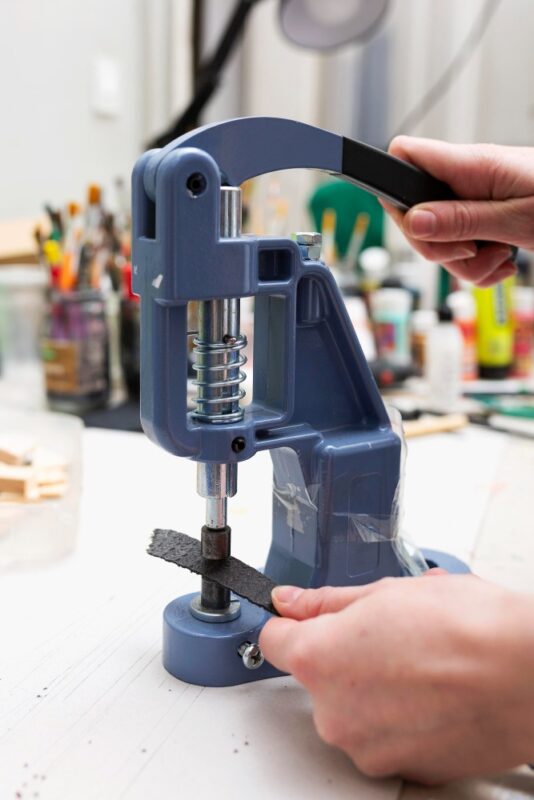
Specialized sewing machines used to attach and finish off buttons. Don’t necessarily buy this as your first industrial machine, but keep it in mind as you grow your tailoring business. Knowing what type of industrial machine to buy first helps narrow down your search (and prevents you from overspending or underspending).


Average Cost of Industrial Sewing Machines in Nigeria
Where you’re located in Nigeria largely determines how much you’ll pay for an industrial sewing machine. Lagos remains the country’s distribution and import hub for most commercial sewing machines, thanks to accessibility. The most commonly visited markets and commercial streets for industrial machines in Nigeria are:
- Idumota International Market, Lagos
- Lagos Island Markets
- Alaba International Market
With all those suppliers tightly competing for customers’ business, you’ll typically get the best deals buying in Lagos versus traveling to other states. Beyond Lagos, you have places like Nnewi Market (Anambra State) and a hub in the North that specialize in textile equipment.
Keep in mind that “best deal” doesn’t always mean “cheapest.” While you’ll find brand new industrial sewing machines starting as low as ₦200,000 in Lagos, try to find something you’re buying that has already been seen somewhere like Marina or Aba.
Best Industrial Sewing Machine in Nigeria: What Professionals Recommend
As with any tool or piece of machinery, a few brands stood out to as far as their reputations for Nigerian tailors go. When buying your industrial sewing machine, you can’t go wrong with any of these brands.
Juki: Commonly used in garment factories across Nigeria due to their durability and sewing speed. Servicing and maintenance parts are readily available in Lagos and Aba, and you’ll be hard-pressed to find a technician who doesn’t know how to fix your Juki if it breaks down.
Jack: A newer brand that’s been picking up a lot of market share in recent years. Jack sewing machines are known for their excellent build quality without the hefty price tag of their Japanese competitors. If you’re looking for a long-term investment without spending, Jack is your best bet.
Brother: Another great Japanese brand that tends to be used more often for finishing work or by tailors that work with less thick/high-density fabrics.
Butterfly: Nothing too fancy, but Butterfly machines are commonly found in Nigerian tailor shops that just started making the leap from domestic machines. If you’re on a shoestring budget, don’t dismiss the Butterfly brand so easily.
For tough, heavy fabrics like denim jackets, agbada-style sofa sets, and sewing anything that’s even lightly upholstery-related, start with a Jack or Juki Single Needle Lockstitch machine.
Industrial Machine Price in Nigeria: Hidden Costs to Factor In
Keep in mind that the price of the machine is only the beginning. Consider accessories and additional items that you may need to properly set up your machine.
Costs To Consider
Installation & Machine Setup: Some machines may come with a required stand or need you to calibrate the motor or thread it yourself. ₦15,000 – ₦40,000
Voltage Stabilizer: As discussed earlier, industrial machines require a lot of power. Don’t run an industrial machine without a voltage stabilizer. ₦20,000 – ₦60,000
Spare Parts: Needles, bobbins, presser feet, and belts all wear down with use. Make sure you can easily find spare parts for your machine before buying.
Wrap Up
Investing in an industrial sewing machine is the best decision you’ll make for your tailoring business. Not only will you work faster and easier, you’ll open yourself up to taking on bigger jobs and more clients. By knowing what you need and where to find it, you’ll save yourself some money and stress along the way.