
Blog
Survive 2026 Finances: What Every Nigerian Tailor Must Know to Thrive

2025 was a challenge to the financial stability of a good number of Nigerians, and tailors were not an exception. Only at the end of the year did inflation start falling, with inflation reducing to 16.05 per cent in October, providing a short-term relief. In 2026, as cost has become unpredictable and customer spending changes, uncertainty will continue to be part of day-to-day operations. Nigerian tailors no longer need to ask how to survive, but how to be in a position to succeed in the next year.
This guide is your practical survival kit—clear strategies, verified facts, and tailor-specific advice to help you remain profitable no matter how the economy turns. Let’s get into how smart tailors will win.
Track Every Kobo Like Your Business Depends on It (Because It Does)
Nigeria’s inflation has hovered at record highs in recent years, with food and textile-related goods among the fastest rising categories according to the National Bureau of Statistics (NBS). When essentials cost more, impulse spending drops.
This means guesswork can’t run your workshop anymore. Create a simple weekly record of income, fabric costs, transport, electricity, and labour. Even Google Sheets works fine. When you see your expenses clearly, you begin to price with confidence, adjust early, and save yourself from financial shock.
Adjust Your Prices with Logic, Not Fear
Many tailors hesitate to increase prices, but 2026 requires strategic adjustments. The Small and Medium Enterprises Development Agency of Nigeria (SMEDAN) advises small businesses to review prices in line with material costs, not emotion.
Instead of random increments, use a simple formula:
Cost of materials + cost of labour + profit margin.
Explain your pricing politely to clients: “Fabric costs increased by X%, so stitching now costs Y.” Clear communication saves relationships and keeps you afloat.
Offer Smart Budget Collections People Can Actually Afford
The average customer is now more price-conscious. Instead of losing them, meet them halfway. Create two or three categories:
- A premium embroidery agbada option
- A mid-range kaftan set
- A simple senator style for everyday wear
Think of it as tailoring for different pockets. It keeps your workshop busy, gives clients choices, and encourages loyalty—especially during weddings and owambes when people still want to look good regardless of the economy.
Read Also: The Ultimate 2025 Funding Playbook: Unlock Cash for Nigerian Tailors Without Banks
Reduce Waste… Especially Fabric Waste (It’s Quietly Eating Your Money)
Wasted fabric adds up brutally. Textile waste is one of the biggest cost leakages for small fashion businesses globally.
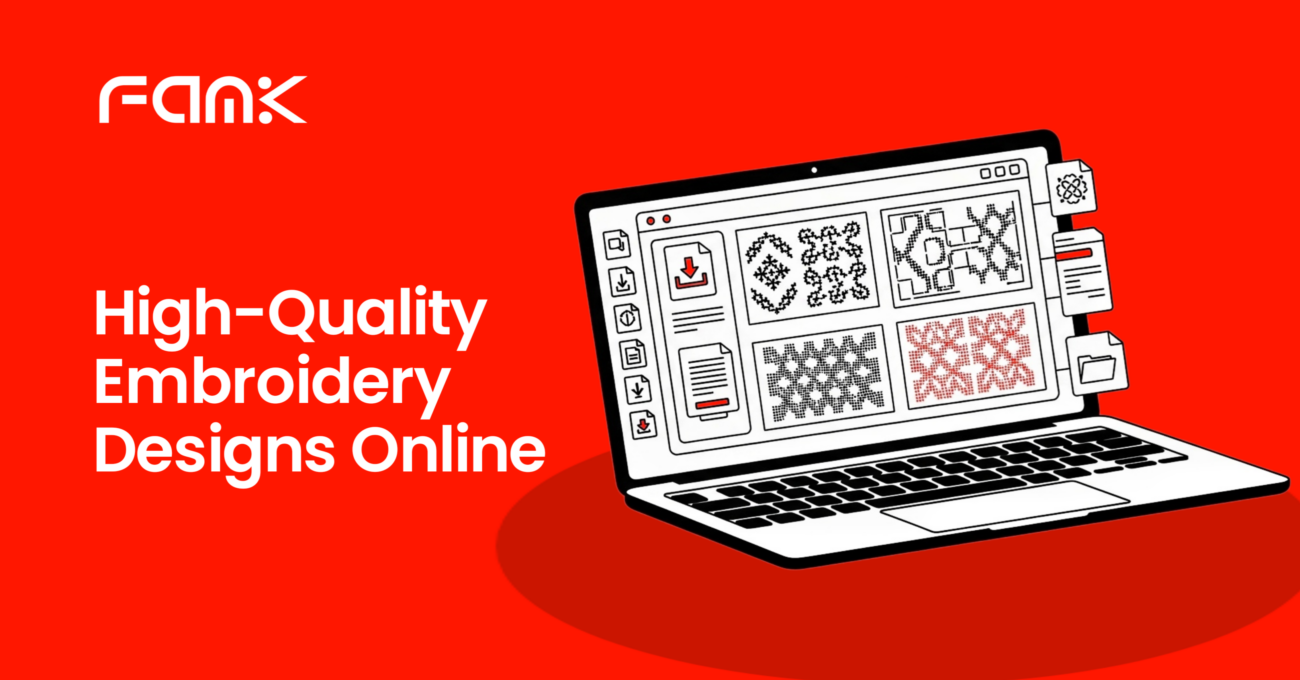
Cut more intentionally. Standardise your patterns. Keep leftover pieces for pockets, inner lining, or sample work. Famk tailors (customers) often save money by buying embroidery flaps instead of sewing full panels from scratch—and many designers do the same. Check Famk’s embroidery catalogue for beautiful and price-friendly designs. Every saved metre saves money.
Build Customer Loyalty Like It’s Your Pension Plan
2026 will reward tailors who treat customers with respect, speed, and communication. A loyal client doesn’t argue about every naira. They don’t stress you. They return. And they bring others.
Little things help:
- Send progress photos.
- Offer a small discount after three outfits.
- Deliver on time. Obviously, the festive season is usually a busy window; however, do your best to deliver quality and on time.
- Respond politely, even when tired.
- People remember how you made them feel.
Diversify Your Income with Embroidery Files and Ready-Made Panels
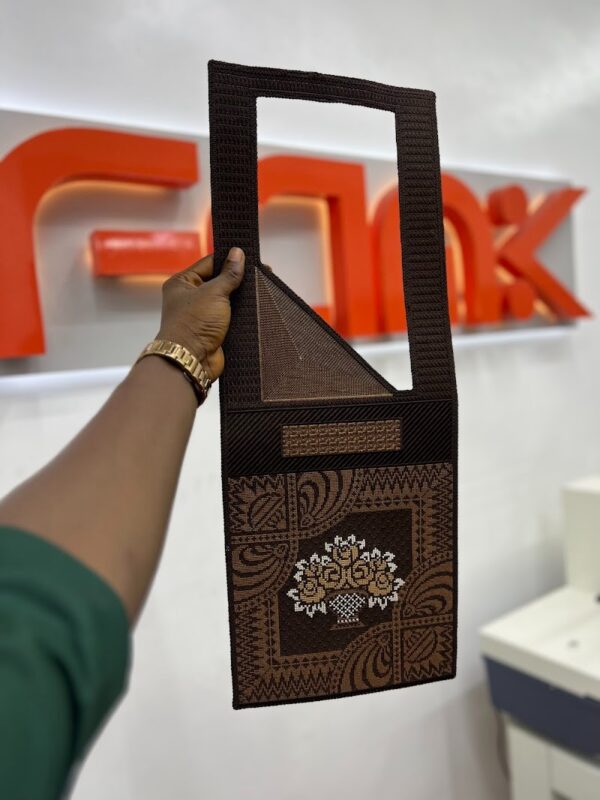
A custom embroidery design by FAMK Apparel
Not every tailor must own a digital embroidery machine. That’s the beauty of 2026. You can buy pre-made embroidery flaps, or even purchase digital files and outsource the stitching from Famk Apparel. Tailors across Lagos and Abuja are already turning this into extra income by selling customised designs for special events from us. Make Famk your go-to store this year.
This keeps your business flexible and reduces capital pressure—especially if embroidery is not your main service.
Bottom Line
2026 might stretch every Nigerian tailor, but it will also reward those who plan ahead. Track your spending. Adjust prices wisely. Offer smarter collections. Reduce waste. Build loyalty. Survival is not luck—it’s preparation. Your workshop can thrive this year, and these steps will keep you financially steady no matter how turbulent things get.
If you want an extra edge, explore our beautifully crafted embroidery flaps that elevate your designs without increasing your workload. Your clients will feel the luxury—your wallet will feel the relief.