

Blog
Sustainable Fashion in Nigeria: Why African Clothing Brands Are Rethinking How They Create

The fashion industry is one of the largest contributors to environmental pollution worldwide. That’s roughly 10% of the world’s carbon emissions per year and a major contributor to water waste, chemical runoff and textile trash. The conversation has been largely in the West for years, in European boardrooms and American activist circles. But it has arrived in Africa with real force, and Nigerian fashion brands are responding in ways that are distinctly their own.
Sustainable fashion in Nigeria isn’t a trend imported from elsewhere. It’s a reckoning that makes sense given where African fashion already stands—and where it’s heading.
What Sustainable Fashion Actually Means
Sustainable fashion is about designing, producing and consuming clothes that are less harmful to the environment and more respectful to the people who make them. It sits somewhere in the middle of “eco-responsibility” and “ethical fashion,” from the sourcing of raw materials to the conditions of production, the lifespan of fabrics and the disposal of waste at the end of a product’s life.
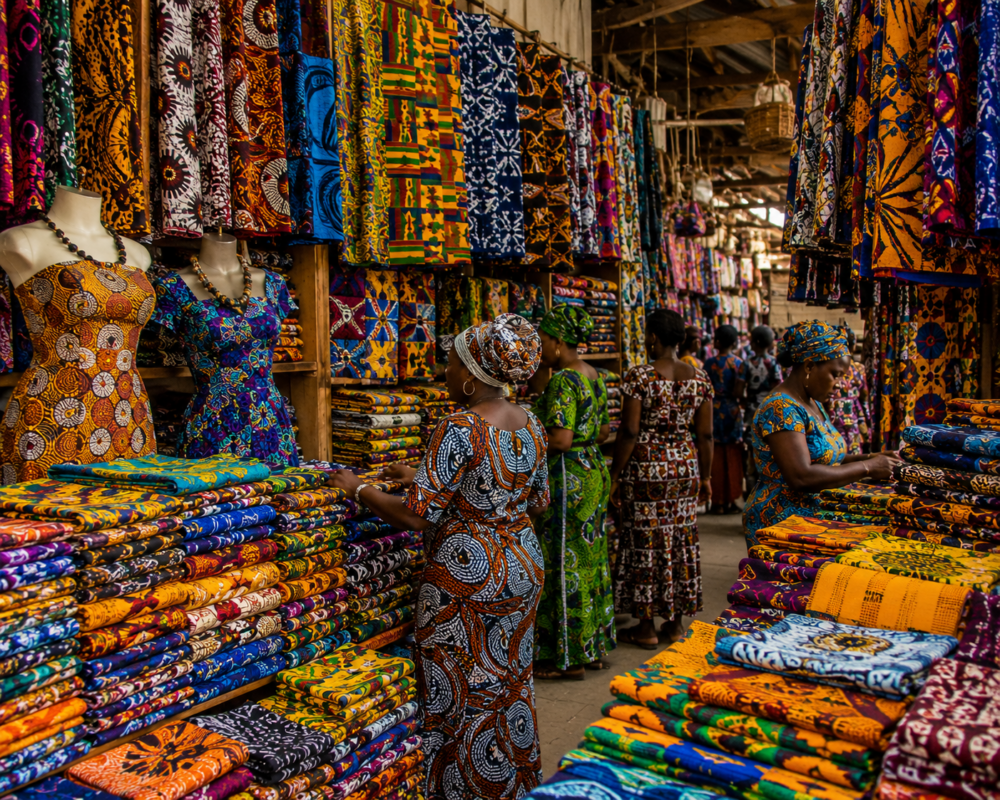
An African textile store
Fashion and sustainability are frequently perceived as polar opposites, the one driven by novelty and consumption, the other by restraint and endurance. But not in the African context, where clothing has been historically made to last, worn with intention, and passed between generations as fabric and memory.
The Problem with Fast Fashion in the Nigerian Market
In the last decade, fast fashion, a technique of producing large quantities of inexpensive clothing with quick turnarounds, has made significant inroads into the Nigerian consumer culture. ‘Okirika’, locally known as bend-down boutique has been a staple of Nigerian marketplaces for decades. As second-hand clothing, it sits closer to sustainable consumption than most people realize.
The newer pressure is different. Ultra-fast fashion platforms shipping directly from overseas have introduced a pattern of buying that is faster, cheaper, and far more wasteful and it is gaining ground among Nigerian consumers.
The environmental cost is real. Cheap synthetic fabrics release microplastics every time you wash them. Discarded and worn-out clothes contribute to the growing textile waste in cities that are already struggling with the problem of handling colossal amounts of solid garbage. The economic cost is just as big—money spent on foreign fast fashion leaves the local fashion economy instead of circulating within it.
Nigerian companies that utilise local materials such as ankara cloth, aso-oke, adire and hand-woven textiles are increasingly championing sustainable fashion as not just the ethical choice but the economic choice. “Buy local, wear longer, invest in quality over quantity” is a message that, expressed correctly, will resonate across income levels.
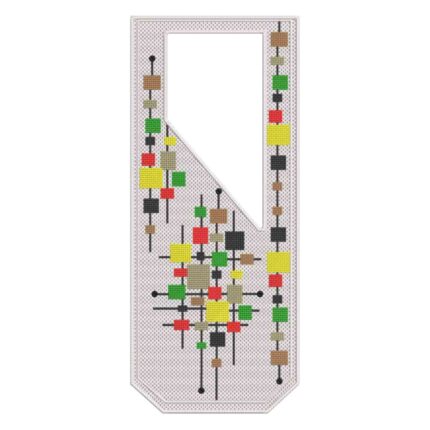
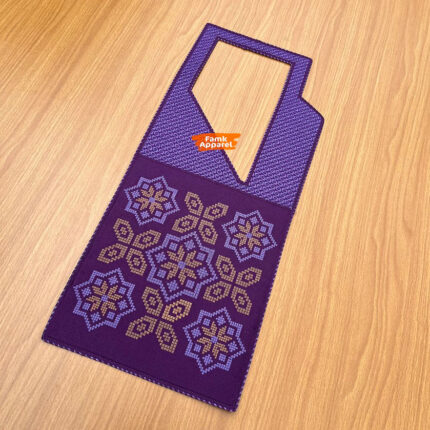
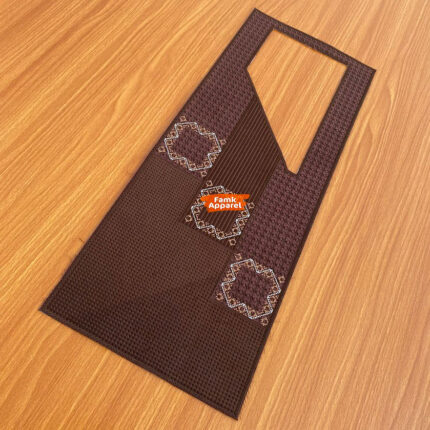
How Nigerian Brands Are Re-Defining Production
The shift to ethical fashion is evolving in many ways in the Nigerian industry:
Fabric sourcing with intention: Brands are replacing imported synthetic fabrics with locally woven and organically dyed textiles. Brands are giving a huge contemporary update to the Yoruba heritage of indigo-dyed cloth, Adire, with current silhouettes. But it implies shorter supply chains, fewer emissions in transportation and direct economic support for Nigerian artists and weavers beyond just aesthetics.
Custom production models: Perhaps the most wasteful thing about traditional fashion is overproduction, making more than will ever be sold, just to discount or dump the extras. Nigerian companies are increasingly adopting the made-to-order model, where they produce only what is bought. It entirely eliminates dead stock and creates a more conscious connection between brand and customer.
Design principle for longevity: In the Nigerian market, which has always appreciated good tailoring, ethical outfits and durable clothes have always found favour. Brands investing in better construction, better fabric choices, and traditional shapes that don’t date quickly are making the quiet case for consumption that prioritises longevity over novelty.
Empowering the artisan communities: In Africa, fashion and sustainability are deeply intertwined. The brands that deal directly with local embroiderers, weavers and tailors, pay fair prices and build long-term partnerships are embracing a kind of social sustainability as important as the environmental dimension.
The Cultural Argument for Sustainable Fashion in Africa
When designers create clothing based on African visual culture—embroidery inspired by traditional motifs, silhouettes that speak to the style of dress for particular occasions, fabrics indigenous to your community’s identity—that clothing has value. It resonates. Items that resonate aren’t thrown away. They’re worn until they wear out, and often beyond.
This is the argument that FAMK Apparel lives by. Our work echoes the Nigerian legacy — the traditions of embroidery, the choices of fabric, the aesthetic language of West African dress. The garments we produce carry a different relationship with the wearer than any fast fashion piece could. That relationship is sustainable in itself, because it is built on meaning, not novelty.
What Ethical Fashion Asks of Consumers
Sustainable fashion is not just a responsibility of the brand; it is a shift in the way customers think about buying. In the Nigerian context, this transition is already underway in some segments of the market, especially among younger urban consumers who are becoming more conscious of the environmental and economic consequences of their buying choices.
Buy Less. Buy Better. Opt for local brands instead of fast foreign fashion. Proper maintenance results in longevity. These are the practices on which ethical fashion relies to work at scale.
Final Thoughts
Sustainable fashion in Nigeria isn’t a Western import being grudgingly absorbed. It’s an extension of African fashion at its best—deliberate, meaningful, meant to last. Brands are re-imagining their manufacturing without compromising on Nigerian fashion tradition. They’re getting back to the essence of it, and building something with longevity that can take those principles forward.