

Blog
Traditional vs. Digital Embroidery: Why Modern Fashion Brands Are Making the Shift

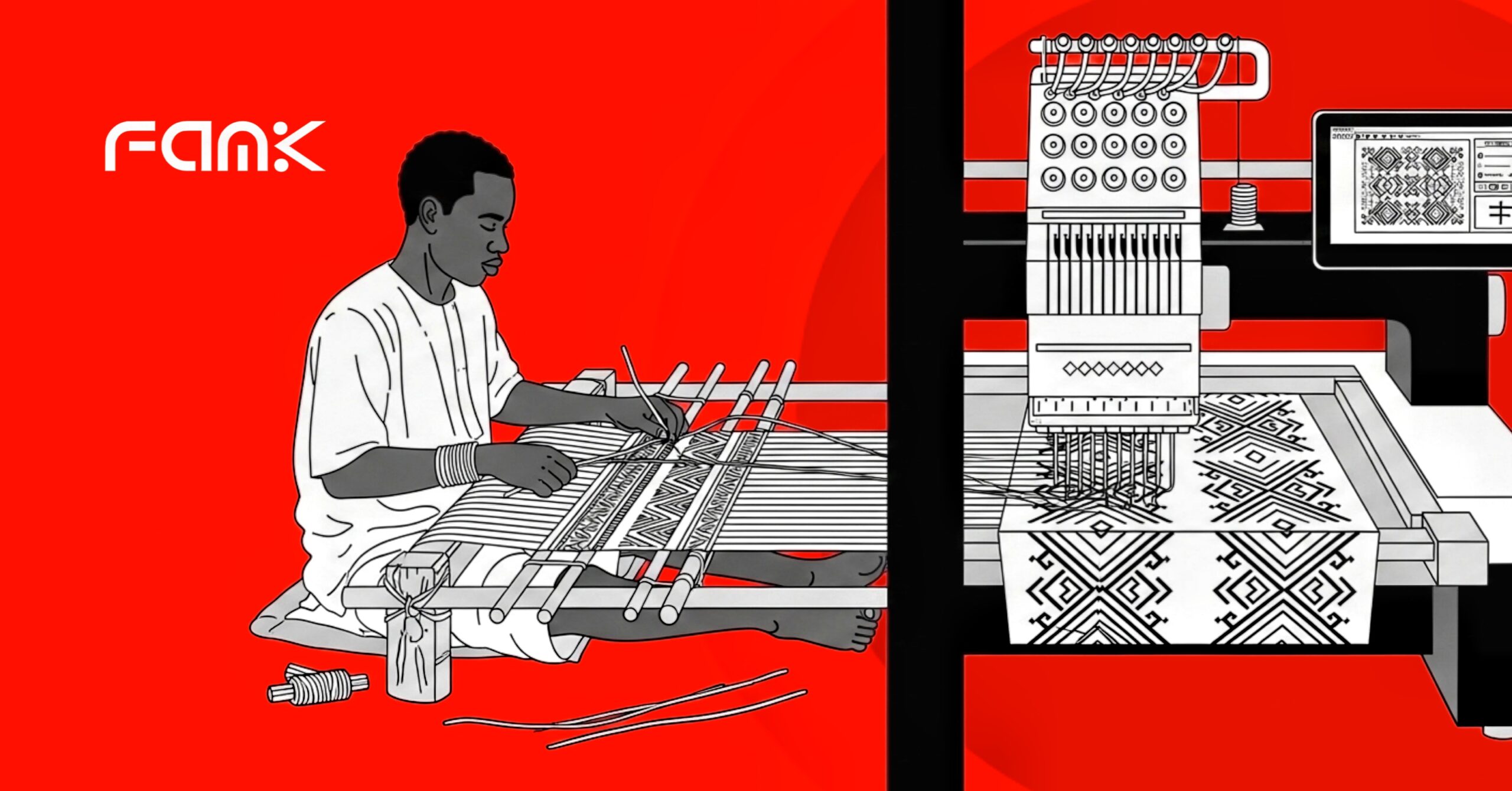
Embroidery feels personal. Every embroidered piece tells the story of hands cutting patterns, threading machines, and securing knots. For generations, those knots have held centuries of traditional embroidery designs in African fashion together. From agbada fabric embroidery to hand-embroidered details on African fabrics, embroidery has been central to the style and craftsmanship of African fashion since the beginning. Digital embroidery technology is making the leap into fashion brands that are scaling without losing their artisan roots.
What Is Traditional Embroidery?
First things first: traditional embroidery is simply embroidery applied by hand. On textiles intended for West African fashion, it’s impossible to talk about one without the other. From the iconic weave of agbada fabric to hand-stitched markings on ceremonial African fabrics, embroidery carries identity.
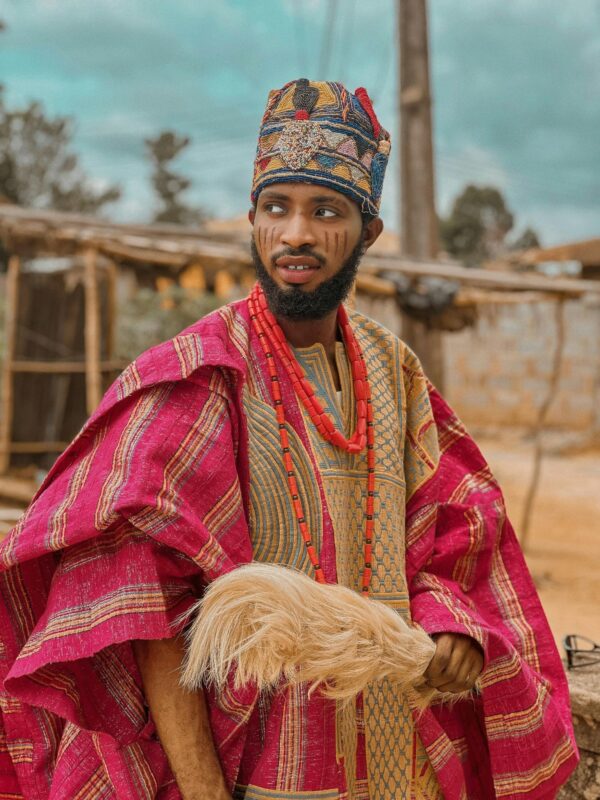
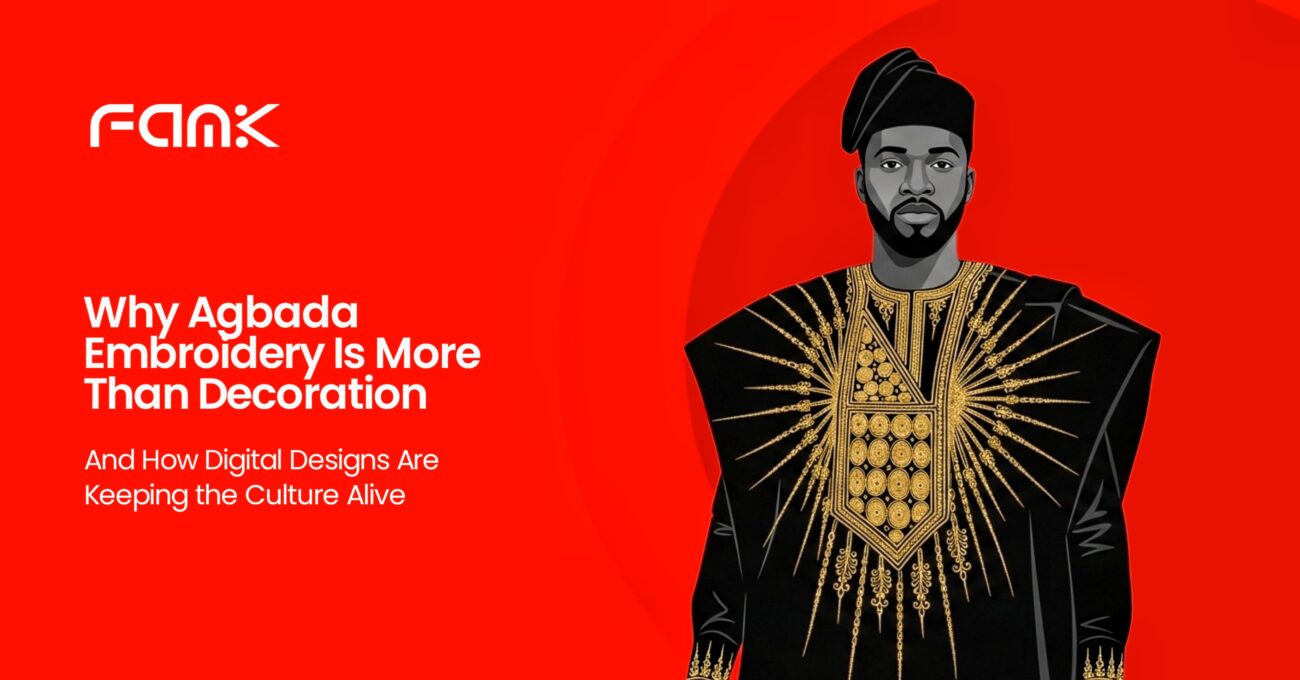
A traditional agbada embroidery
Traditionally done by artisans over generations, traditional embroidery designs are valued for their ability to be one-of-a-kind. An individual stitching at a certain speed, with varying degrees of pressure and interpretation, will produce results that differ from another artisan’s work, even if the design is the same. This natural variation is part of what makes hand embroidery so desirable for bespoke fashion, custom tailoring, bridal wear, and traditional occasions.
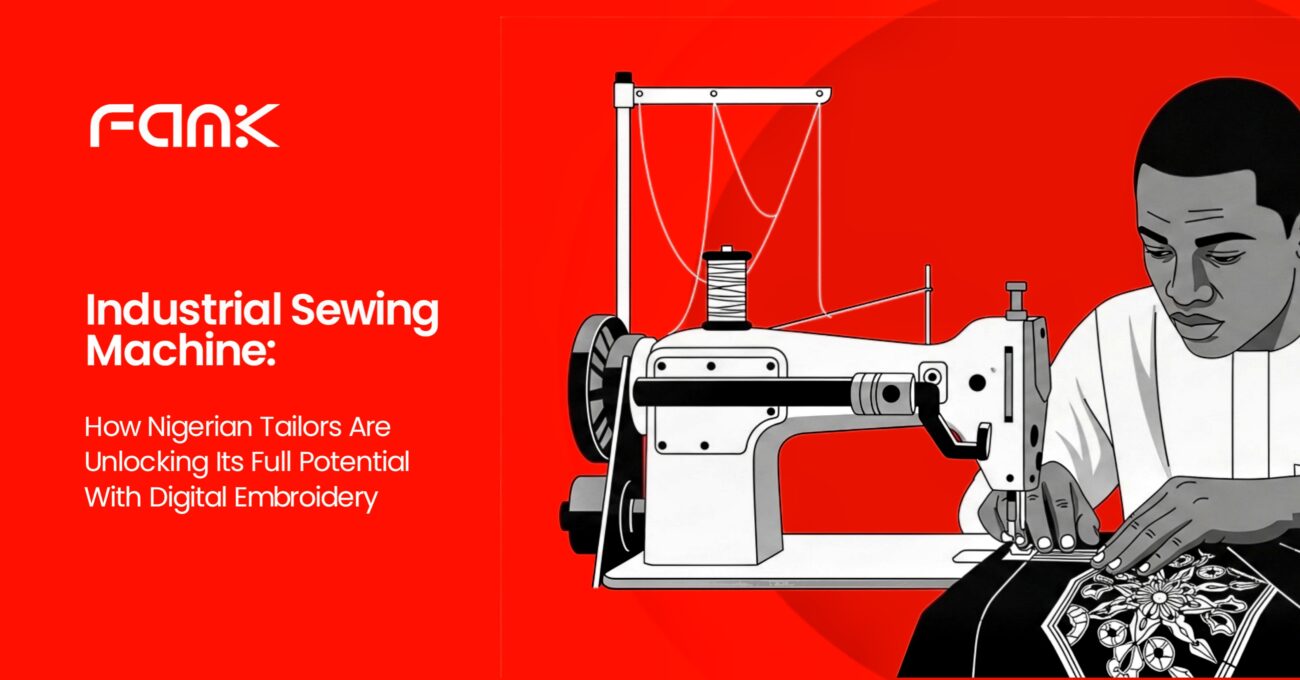
But when it comes to increasing production volume, embroidery by hand isn’t just time-consuming — it’s expensive. What might take three days to embroider by hand might take three hours with a digital embroidery machine. For artisans focused on one-off custom work or small-batch production, that human element is part of the charm. For a growing fashion brand juggling requests across multiple product styles? Each embroidered piece is a bottleneck.
What is Digital Embroidery?
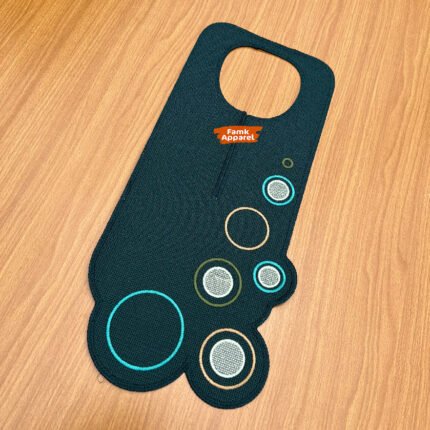
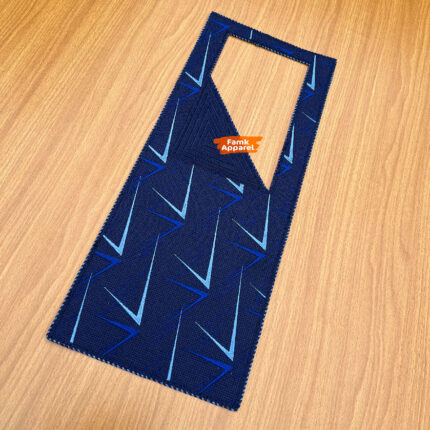
Digital embroidery is precisely what it sounds like. An embroidery design is digitised using software, and then loaded into an embroidery machine that replicates that design with needles and thread. Digitised embroidery machines can manage complex multi-colour patterns and fine detailed work with high-speed and low-defect production.
The thing about digital embroidery is that a single machine can churn out hundreds of pieces with the exact same stitch count, pattern, and thread tension. What might take a single artisan three days by hand can take an embroidery machine three hours. Every single piece will match exactly, to a thread.
For African fashion brands working in structured, detailed fabrics (think damask, aso-oke, heavy ankara fabric), digital embroidery allows for complex threadwork that would be difficult to replicate by hand at scale. It’s detailed, reliable, and consistent in a way that traditional stitching has difficulty matching, especially at high order volume.


Why are Modern Fashion Brands making the shift to Digital?
African fashion is becoming a global phenomenon. As African fashion brands grow beyond local clientele and into international orders, e-commerce, and competition with Western brands, the limitations of hand embroidery become hard to ignore.
Brands that want to scale now are finding that digital embroidery has several advantages:
- Consistency at scale: Producing ten agbadas with a traditional embroidery pattern means every single piece has slight variations. Digital embroidery makes it easy to get ten, or one hundred, exactly the same.
- Turnaround Time: Turnaround is everything in the fast-paced world of fashion retail. Digital embroidery is a faster process. Brands that can promise and deliver shorter production cycles have an edge.
- Design complexity: The advantage of digital technology is precision. Machines can execute patterns that would be impossible by hand (fine gradients, micro-detail work, repeated geometric patterns at large scale) and for brands wanting to push creative boundaries, that opens new territory.
- Cost and volume: While the initial investment in digital machines is not small, the cost per item of production plummets as volumes increase. For brands thinking about growth, this means the cost per piece drops significantly the more you produce.
- Fabric versatility: Digital machines can work with a variety of fabric weights and textures. From lightweight to heavyweight African fabrics, they can be precisely calibrated to manage the type of heavy embroidery and stitching that hand embroidery struggles to replicate consistently.
Embroidery Designs for Agbada: Tradition and Digital
The agbada has always been one of the most significant garments in West African fashion. Embroidery designs for agbada is one of the places where the tension between traditional and digital is most pronounced and most exciting.
Hand embroidery for an agbada is traditional, time-consuming and intensive work. The open necklines, chest panels, and sleeve borders feature knotted work and intricate designs that are highly symbolic and culturally resonant. For custom and special orders, that handwork is essential.
But digital embroidery has allowed ready-to-wear agbada lines to scale with visual quality that was previously impossible. From detailed multicolour threadwork down the chest and collar to accents on the sleeves and edges, the use of digital stitching is allowing for that traditionally high visual impact across an entire collection, with consistency and at a pace and price point that makes it viable for the market.
Brands like FAMK Apparel are navigating this balance every day. Rooted in Nigerian heritage and the visual language of African fashion, FAMK Apparel brings that cultural identity forward through modern production methods, including digital embroidery, to scale their designs to make high-quality, culturally resonant garments accessible without losing quality or detail. Every one of their pieces reflects the future of African fashion for the modern consumer.
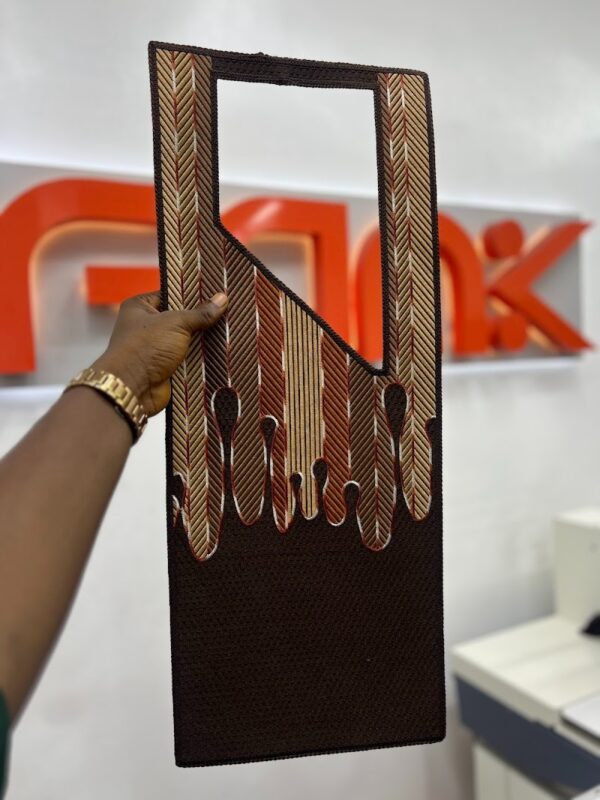
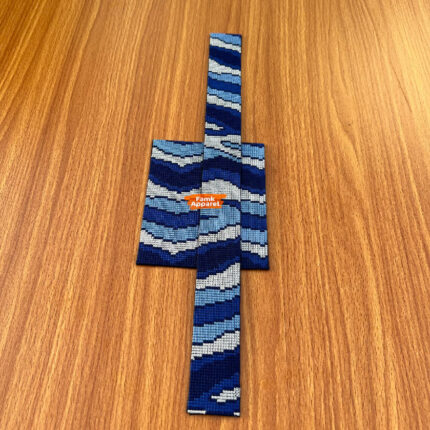
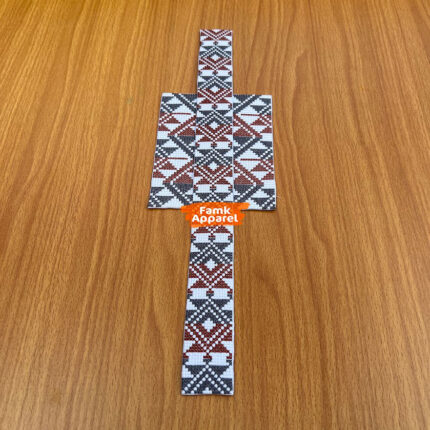
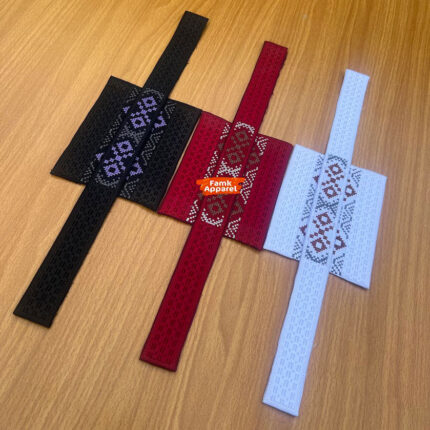
Ready-made embroidery monogram agbada cape
Choosing the Right Fabric for Digital Embroidery
When producing digital embroidery for African fashion brands, few fabrics offer as much versatility as Ankara prints. Thick, durable, and resistant to heat, African fabric holds embroidery thread exceptionally well. But regardless of the material you’re working with, understanding how different fabrics affect your digitized embroidery output is key.
Lightweight fabrics often struggle with dense embroidery patterns. Because the fabric isn’t dense enough to provide structural support, heavy thread placement can cause your material to pucker. If you’re trying to embroider on lightweight African fabric, try relaxing your design or switching to a lighter thread.
Too light a thread on heavy fabrics can have a similar impact on visual perception. An embroidery design that looks good on chiffon might not look as nice on a heavy brocade African fabric due to thread weight alone.
Final Thoughts
Embroidery is an art. One that demands respect for the craft. Digital embroidery is simply a new way to honor traditional embroidery. African fabrics will always hold a special place in our industry. So will the artistry that makes our garments so unique. Digital technology isn’t replacing one with the other; it’s allowing African fashion brands to think bigger than ever before.