

Blog
How Digital Embroidery Is Redefining African Attire for Men

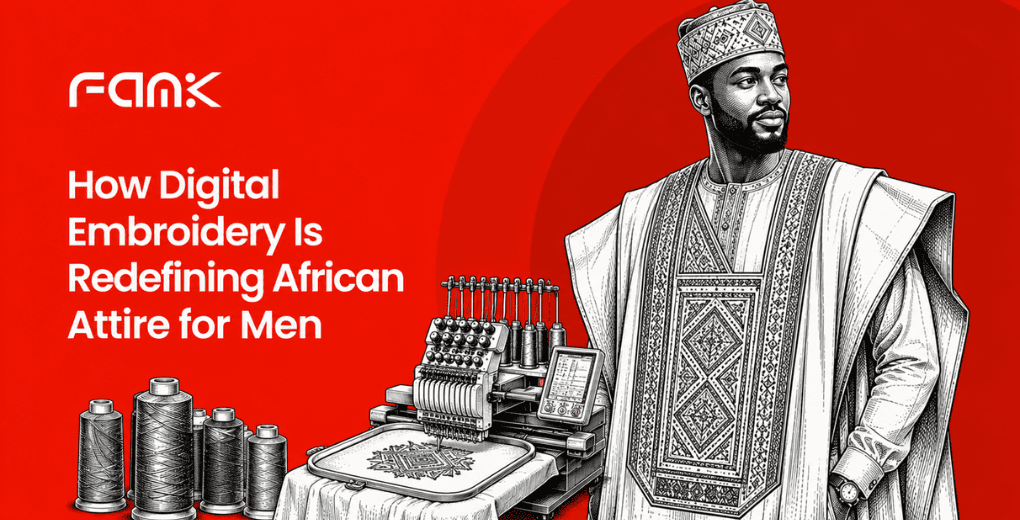
For most of its history, embroidery on menswear was bound by whatever a human hand could realistically stitch within a reasonable timeframe. That limit shaped everything: how dense a pattern could get, how symmetrical two chest panels could look next to each other, and how long a customer had to wait before wearing what they ordered. That constraint is loosening now, and African attire for men is changing shape because of it.
What Exactly Changed With the Arrival of Digital Embroidery?
Digital embroidery starts as a file, mapped stitch by stitch in specialized software, then executed by a machine that follows that file with a level of consistency hand technique can’t quite reach. Every curve, every color transition, every mirrored detail gets plotted in advance.
What used to depend on one embroiderer’s steady hand across hours of repetitive work now depends on a design decision made once, then reproduced with precision every time.
Why Does Precision Matter So Much for Native Wear?
Native wear for men often relies on symmetry, matching panels on either side of a chest, mirrored motifs along a collar, evenly spaced geometric repeats across a full front. Hand embroidery can achieve this, but consistency tends to drift slightly across a large surface, especially under time pressure.
Digital files don’t drift. The same pattern gets reproduced identically on both sides, which is part of why digitized pieces increasingly read as sharper and more deliberate than older hand finished equivalents.
How Has Speed Changed What’s Possible for Traditional Attire for Men?
Traditional attire for men that once required weeks of hand embroidery for a fully covered chest panel can now move through production in a matter of days once the digital file is ready. That compression matters most for anything time sensitive, weddings, chieftaincy events, last minute owambe invitations.
It also changes what customers feel comfortable requesting. A complex custom monogram used to feel like a luxury reserved for months of lead time. Now it’s a realistic request even on a shorter timeline.
| Factor | Hand Embroidery | Digital Embroidery |
| Turnaround | Weeks | Days |
| Symmetry across panels | Varies by embroiderer | Consistent, file based |
| Custom monogram feasibility | High cost, long lead time | Faster, more accessible |
| Texture | Raised, tactile | Flatter, precise |
Turnaround used to be the main obstacle standing between a customer’s idea and a finished garment. That obstacle has mostly disappeared.
What Do Modern Agbada Designs Look Like Because of This Shift?
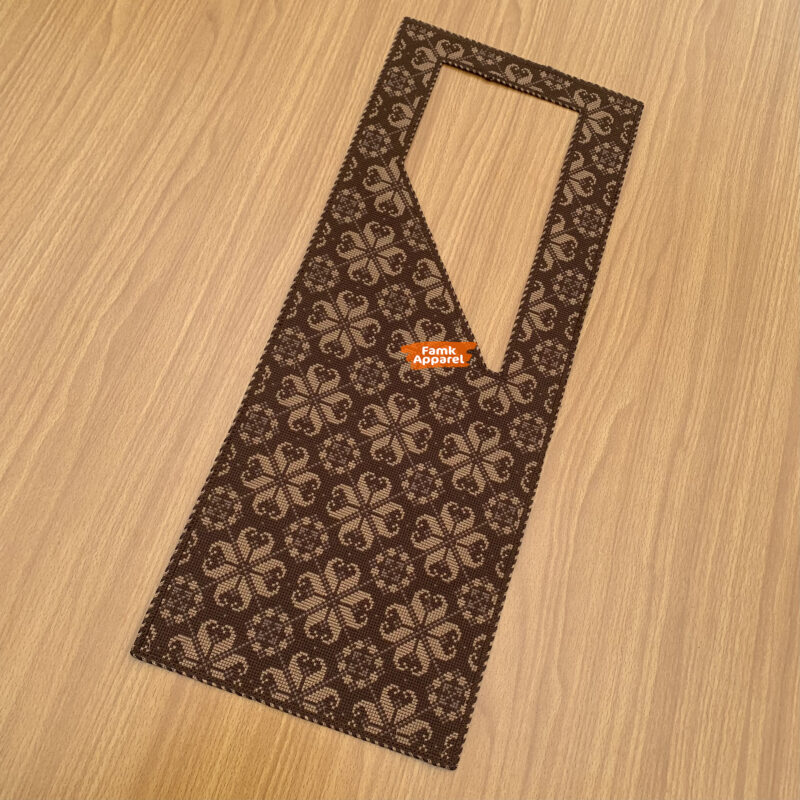
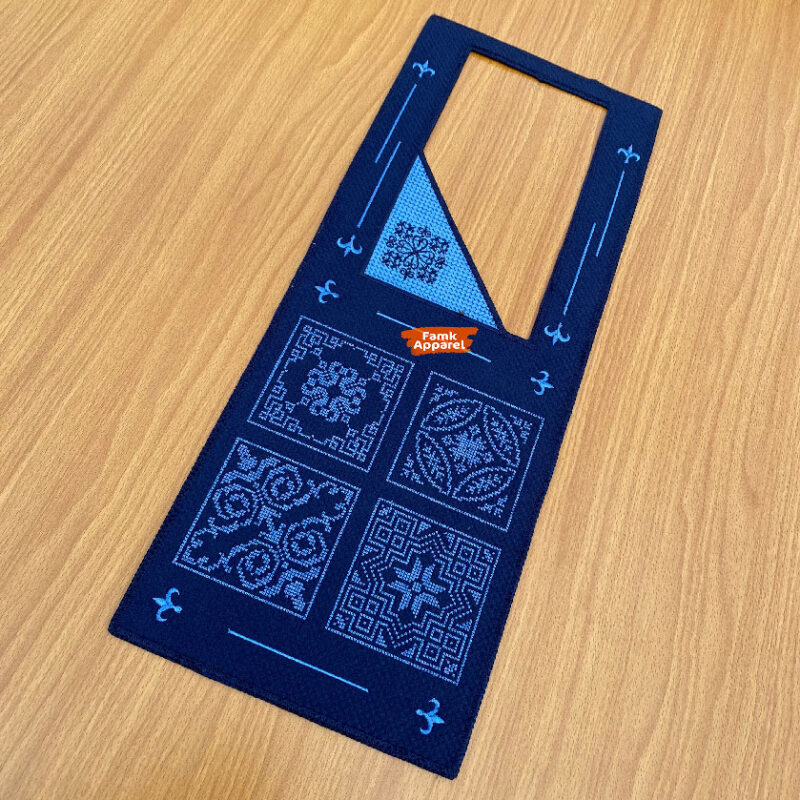
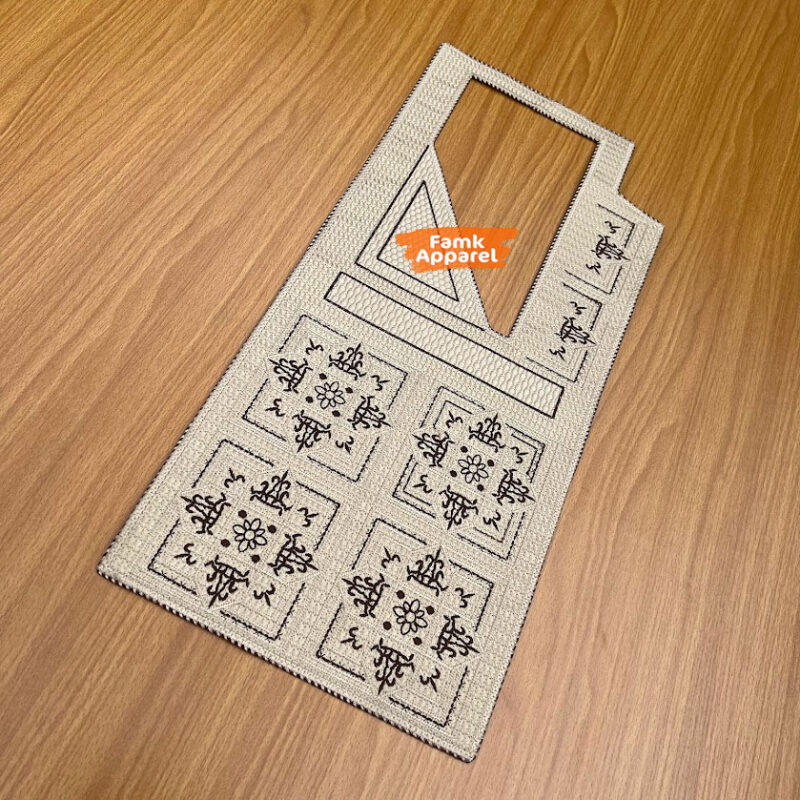
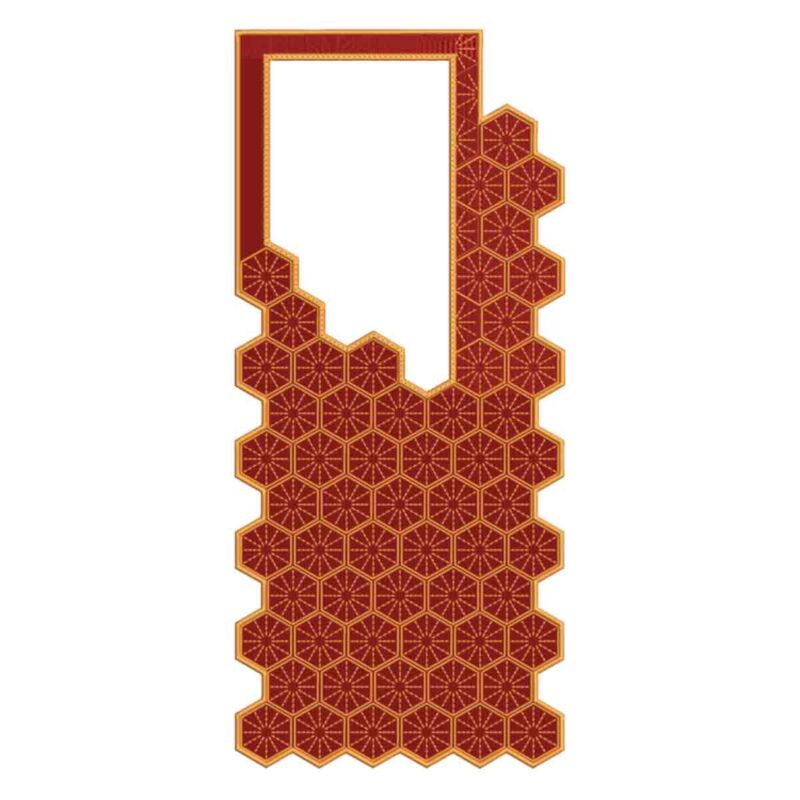
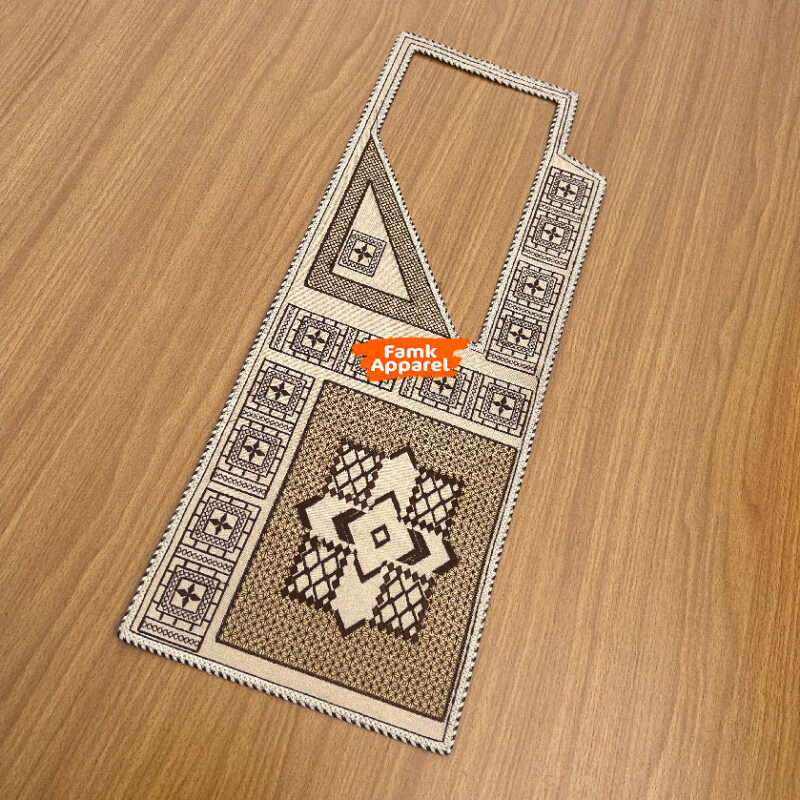
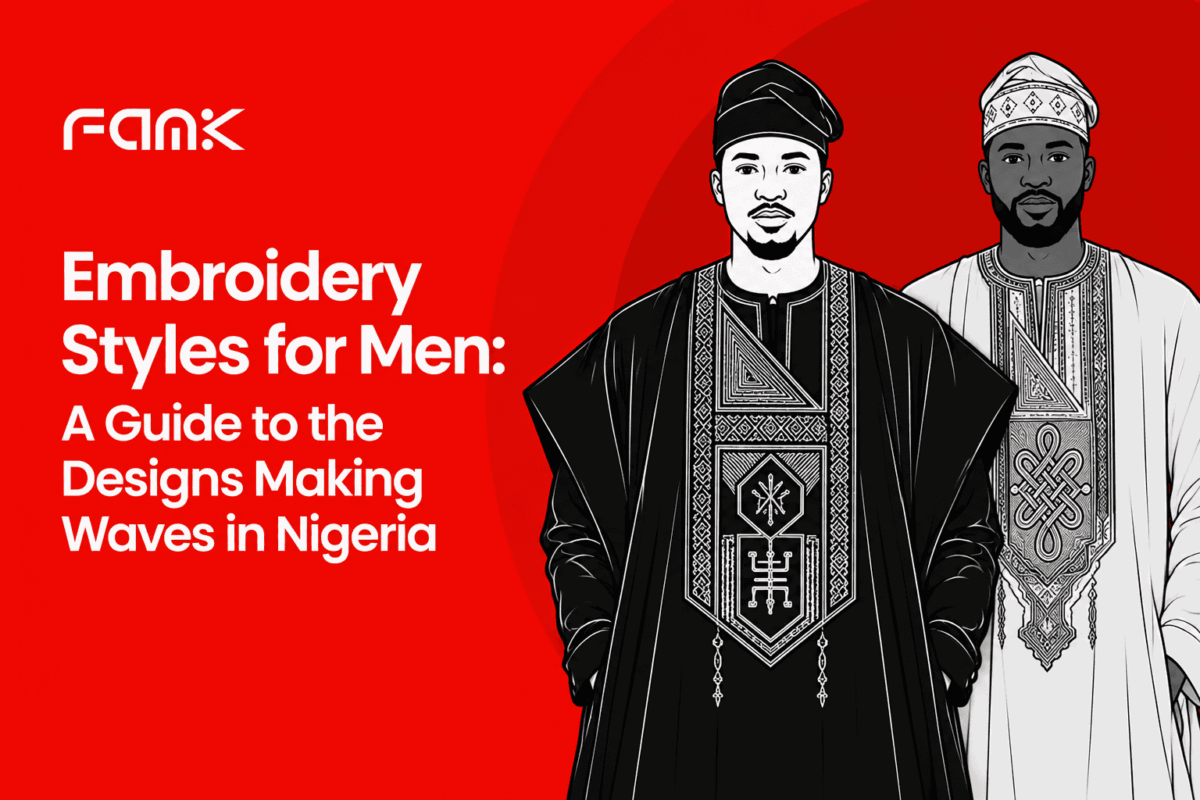
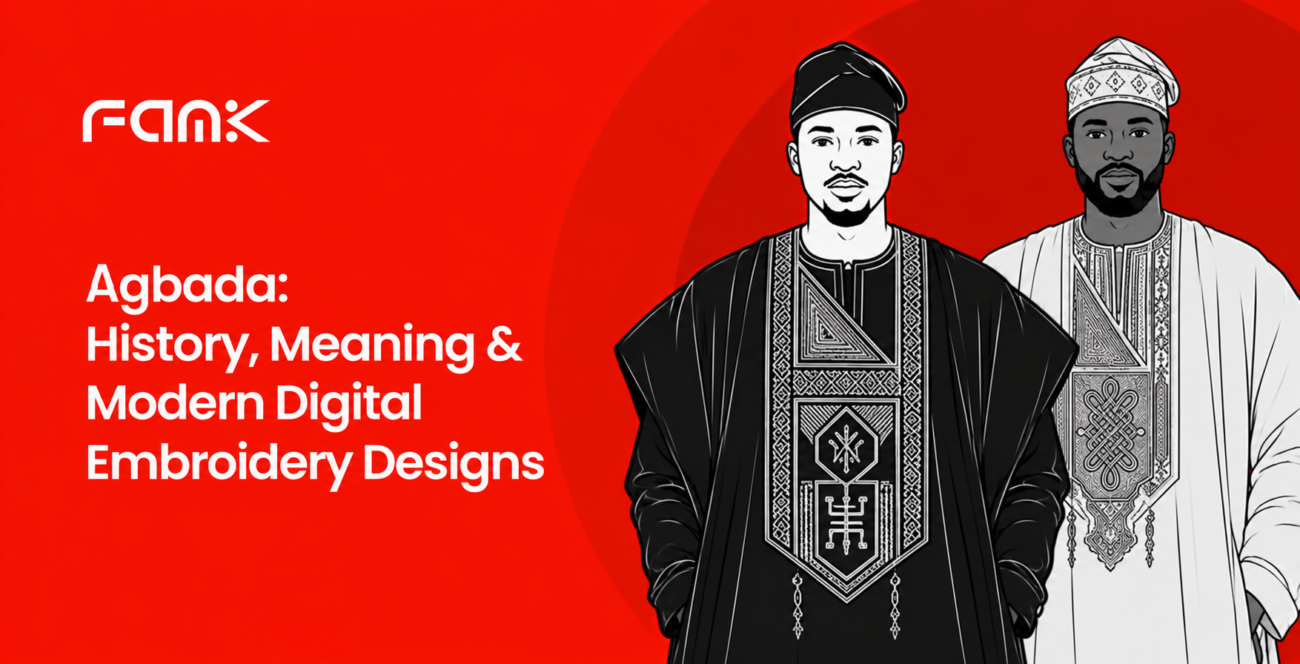
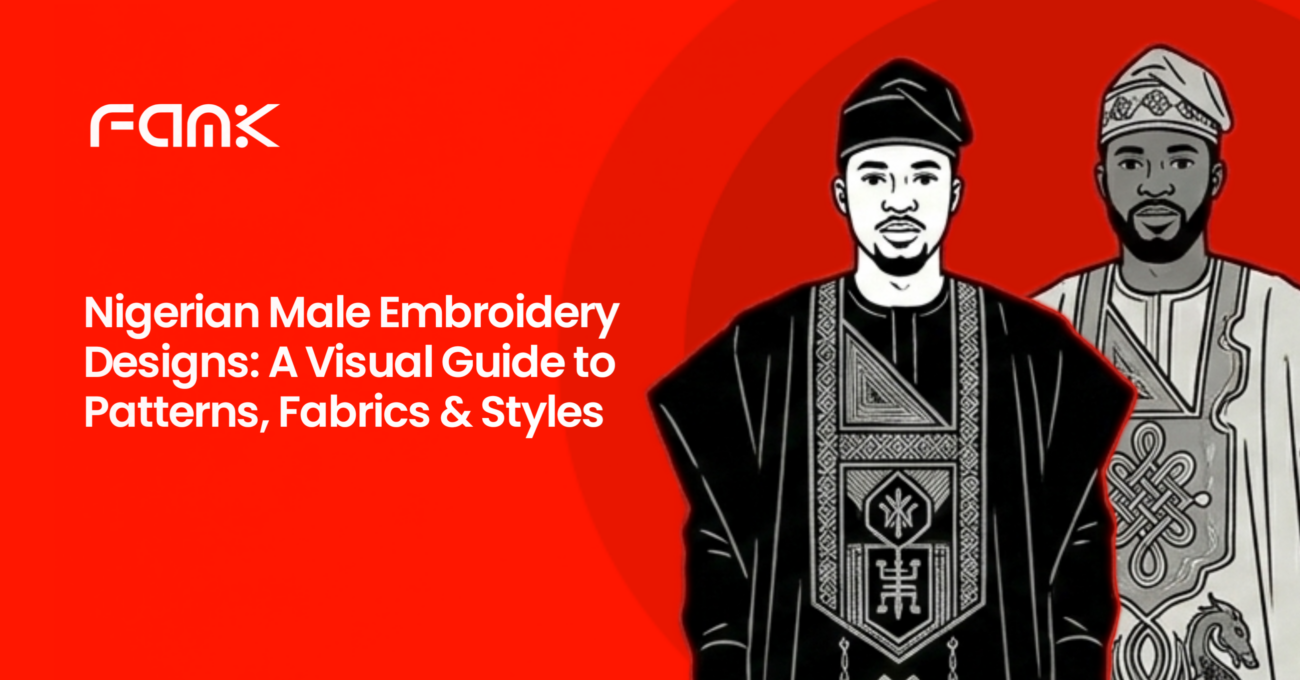
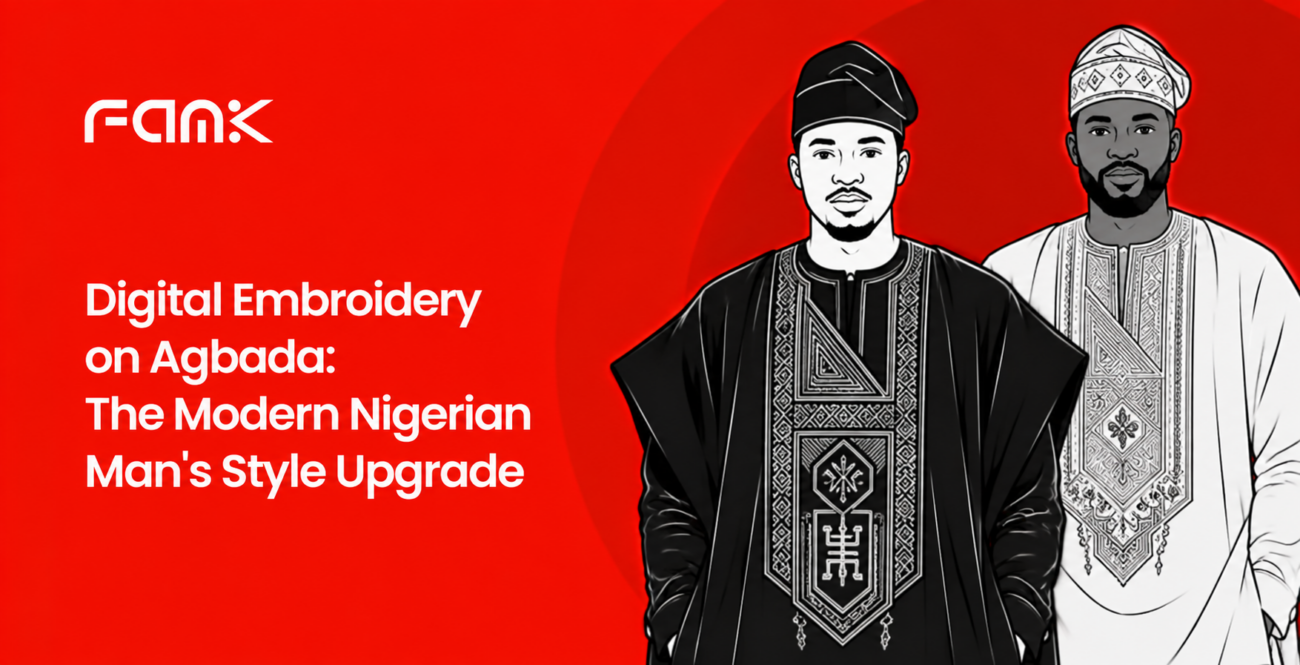
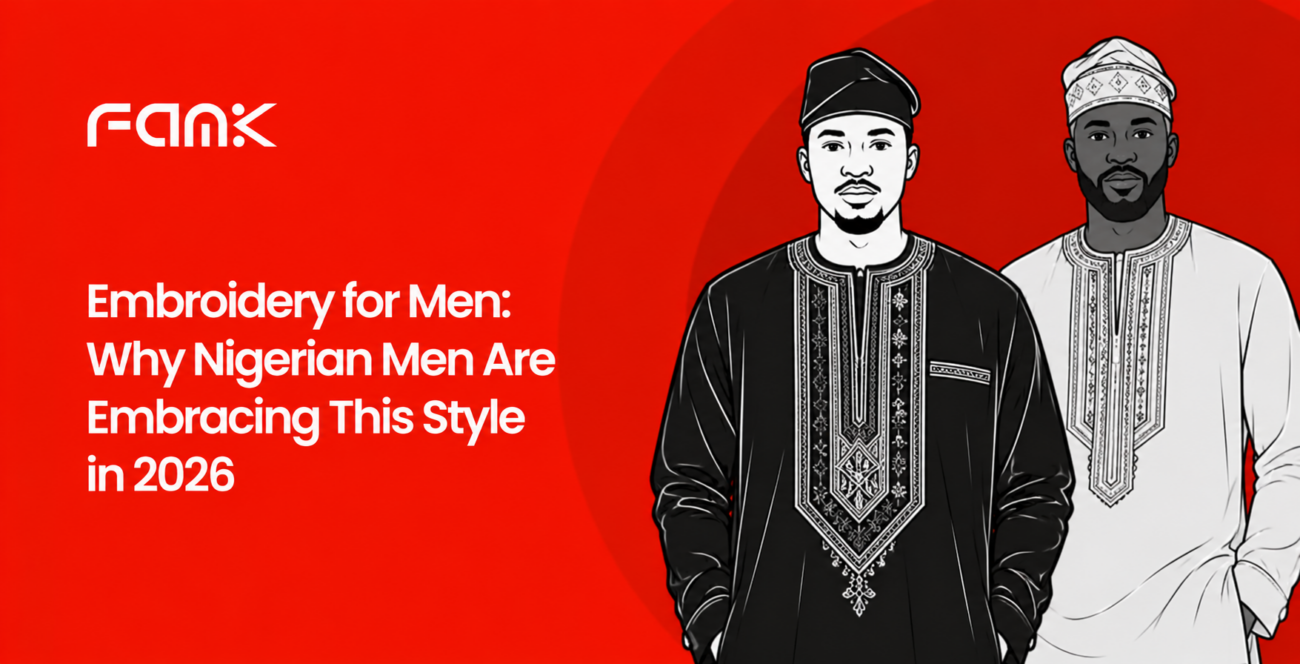
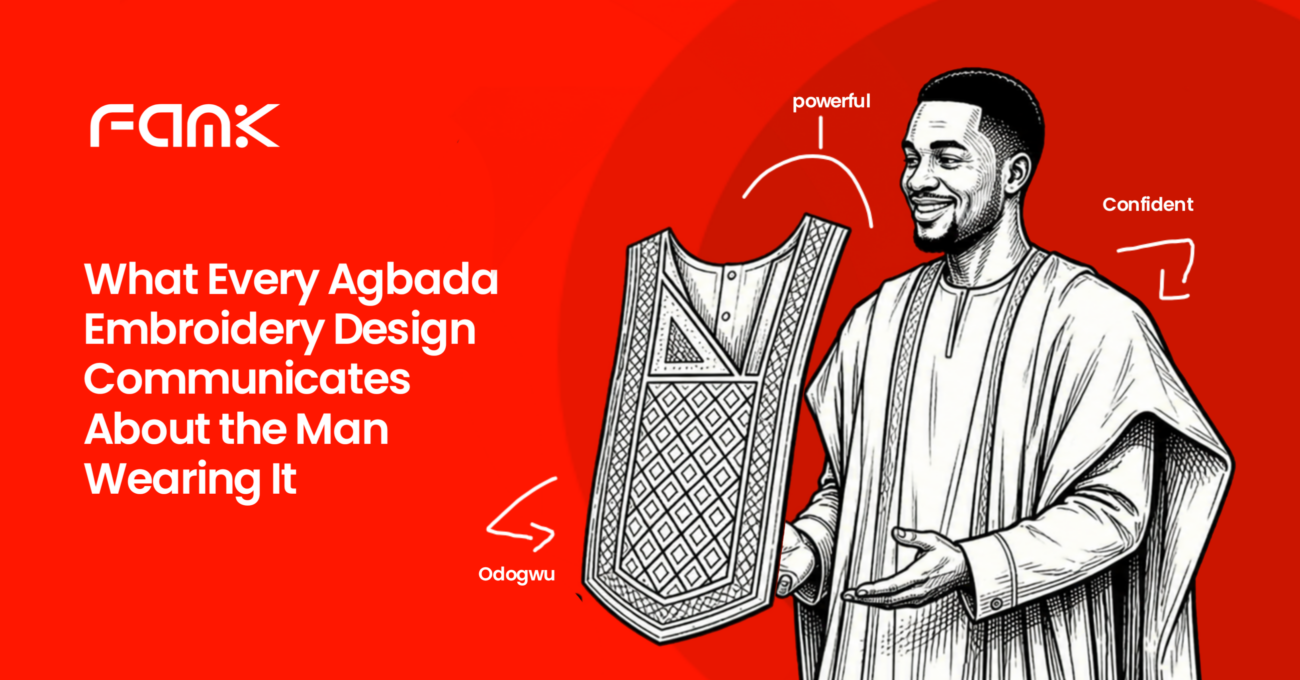
Modern agbada embroidery designs now regularly feature gradient thread shading, densely layered geometric motifs, and perfectly mirrored chest panels that would have taken a hand embroiderer significant time to replicate consistently a generation ago. Some of that ambition simply wasn’t practical before.
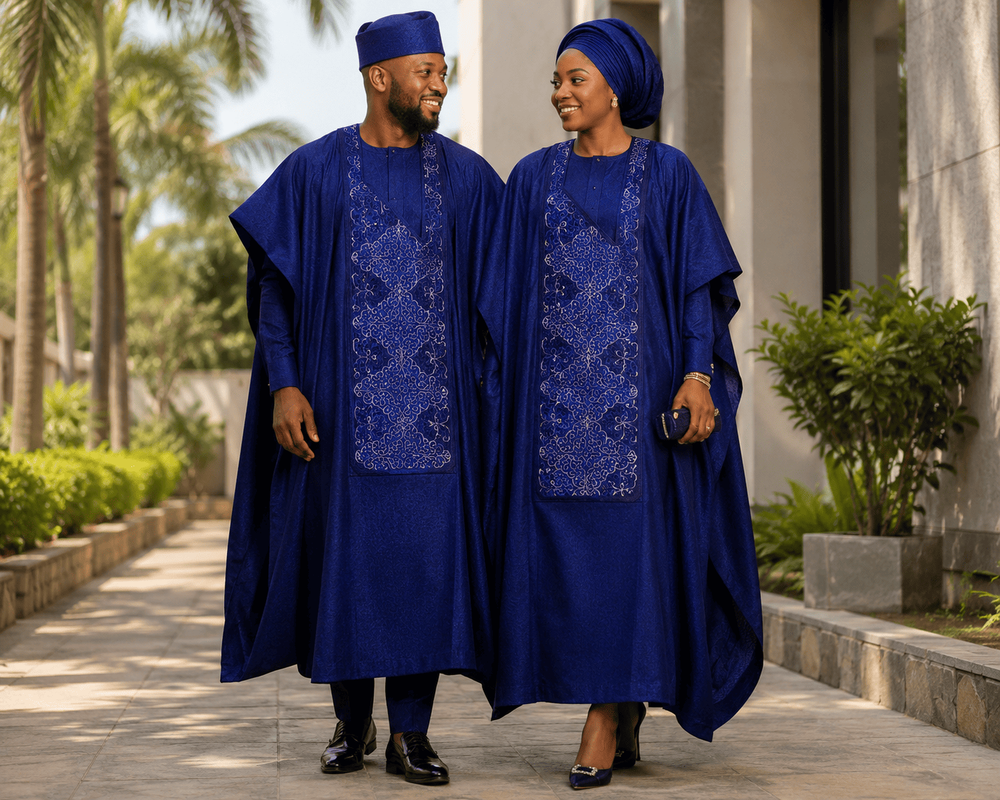
modern agbada designs
It’s practical now, and customers have responded by asking for more detail, not less, once they realize what’s achievable within a normal wedding planning timeline.
FAMK has a fairly direct relationship with this shift. When digital embroidery wasn’t yet mainstream in Nigeria, mostly limited to logo work, cap customization, name stitches, the brand pushed it into mainstream African fashion pieces instead, agbadas, kaftans, boubous, danshikis. Adoption was slow at the start. It isn’t anymore, and a fair amount of what customers now expect from african wear for men traces back to that early decision to treat embroidery as more than an afterthought stitched onto a finished garment.
Frequently Asked Questions
What is digital embroidery and how is it different from hand embroidery?
Digital embroidery uses software to map a design stitch by stitch before a machine executes it, offering higher precision and consistency than hand technique. Hand embroidery relies on manual skill and takes considerably longer, particularly across large surfaces where maintaining symmetry becomes harder over time.
Why is digital embroidery becoming more common in African attire for men?
Digital embroidery offers faster turnaround, tighter symmetry, and easier customization than hand embroidery, which suits modern demand for personalized, detailed pieces on realistic timelines. As buyers see what’s achievable, expectations around detail and speed have shifted accordingly across native and traditional wear.
Is digital embroidery more affordable than hand embroidery?
It depends on design complexity. Simple designs may cost similarly either way, but for intricate, high detail work, digital embroidery is often more cost effective since it reduces the labor hours required compared to equivalent hand stitched pieces.
Wrap Up
Menswear embroidery spent a long time constrained by what a human hand could reasonably produce within a given window of time. Digital embroidery has removed a lot of that ceiling, and African attire for men is visibly more detailed, more symmetrical, and more personal because of it. This is the shift underneath the trend, and it’s the thread worth keeping in mind heading into the fabric, occasion, and styling questions that follow from here.
Ready to see what’s possible on your own piece? Explore FAMK’s full embroidery collection and start with a design that reflects what you actually want, not just what used to be feasible.