
Blog
Agbada History, Meaning & Modern Digital Embroidery Designs

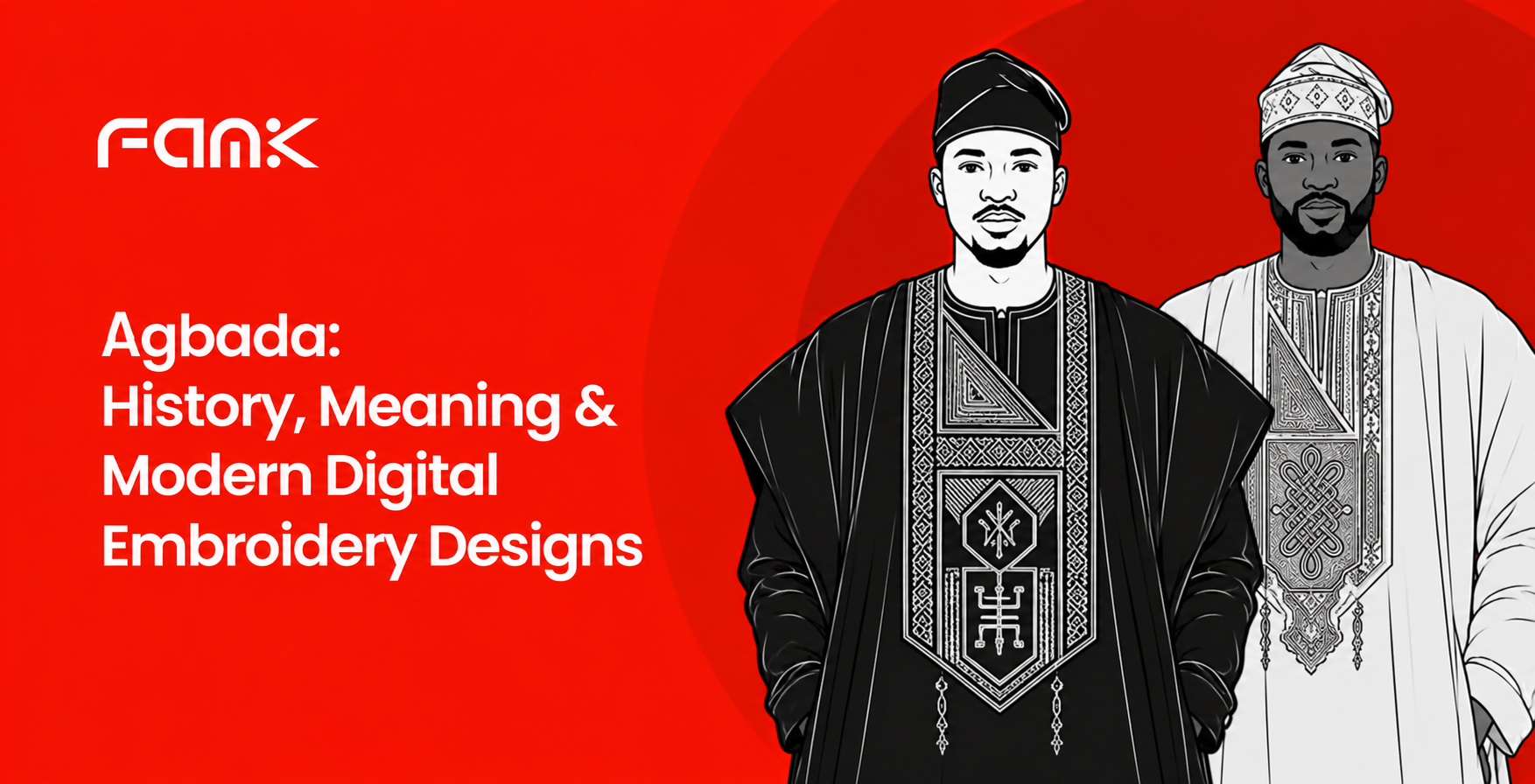
Most people encounter agbada at a wedding, or maybe scrolling past a photo of some politician mid-handshake, arms billowing in that unmistakable flowing silhouette. Fewer stop to ask where it actually came from or why it’s cut the way it is. That’s a shame, honestly, because the garment carries more history than its current role as “special-occasion wear” really lets on.
What Is Agbada and Where Did It Originate?
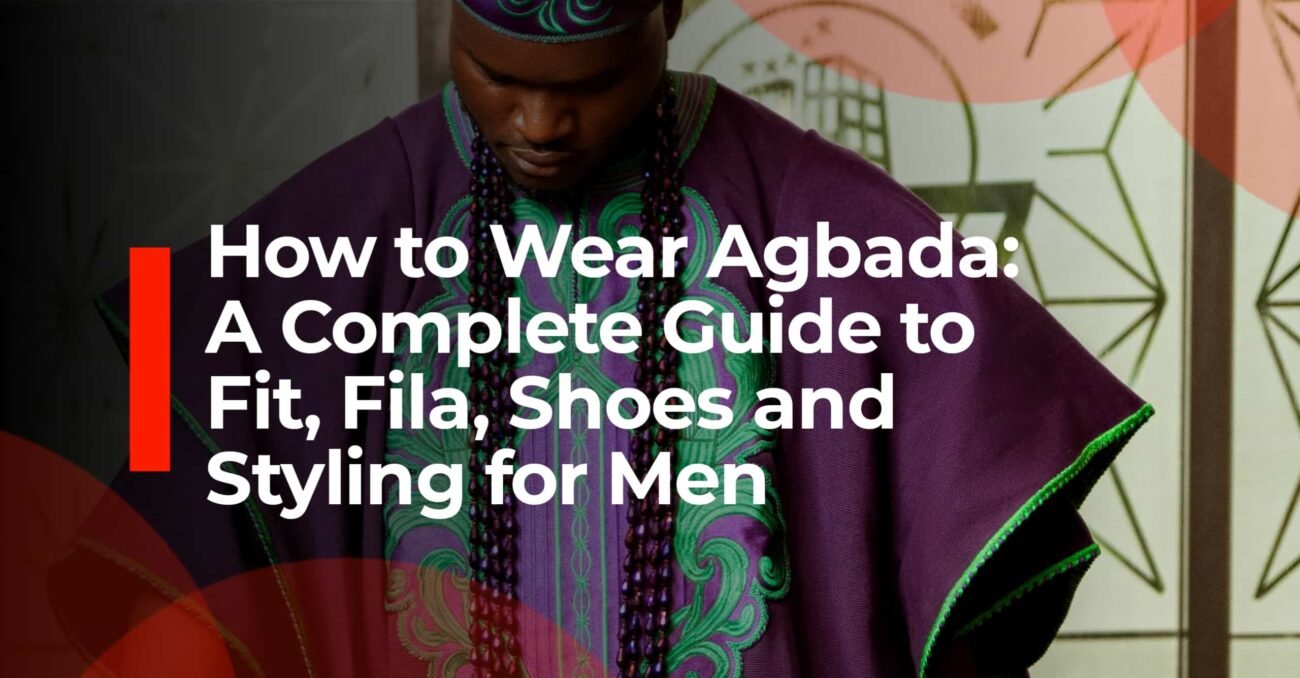
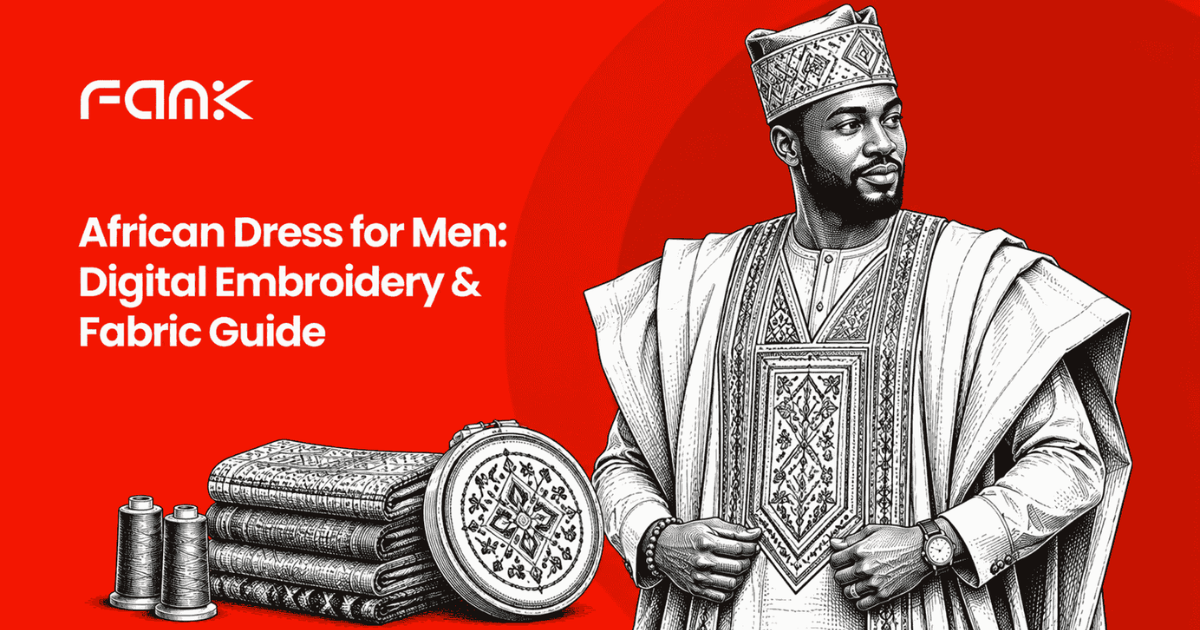
Agbada is a wide-sleeved, flowing robe worn over a matching shirt and trousers, most closely associated with Yoruba culture in southwestern Nigeria, though its use has since spread across much of West Africa. Its origins trace back several centuries, tied to Yoruba and broader West African royal and ceremonial dress, where volume and fabric quantity signaled status almost as directly as the embroidery itself did.
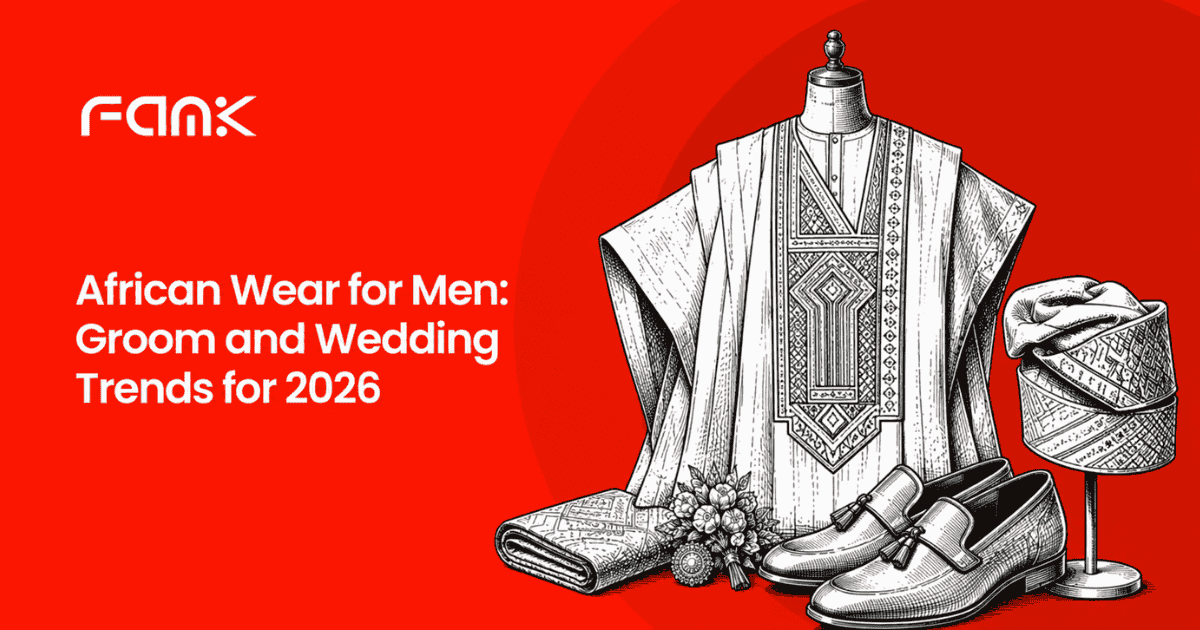
The garment’s three-piece structure, which consists of agbada, buba (inner shirt), and sokoto (trousers), has stayed remarkably consistent over generations, even as the embellishment on top of it has evolved considerably.
What Does Agbada Symbolize in Nigerian Culture?
The sheer amount of fabric used in a traditional agbada signaled wealth and social standing, since more cloth meant more cost and, often, more labor invested in finishing it. Beyond material signaling, agbada carries ceremonial weight; it’s the garment reserved for weddings, chieftaincy title ceremonies, religious festivals, and other moments where dressing “properly” isn’t optional.
That association hasn’t faded, even as the garment has picked up more everyday and semi-formal use cases in recent years.
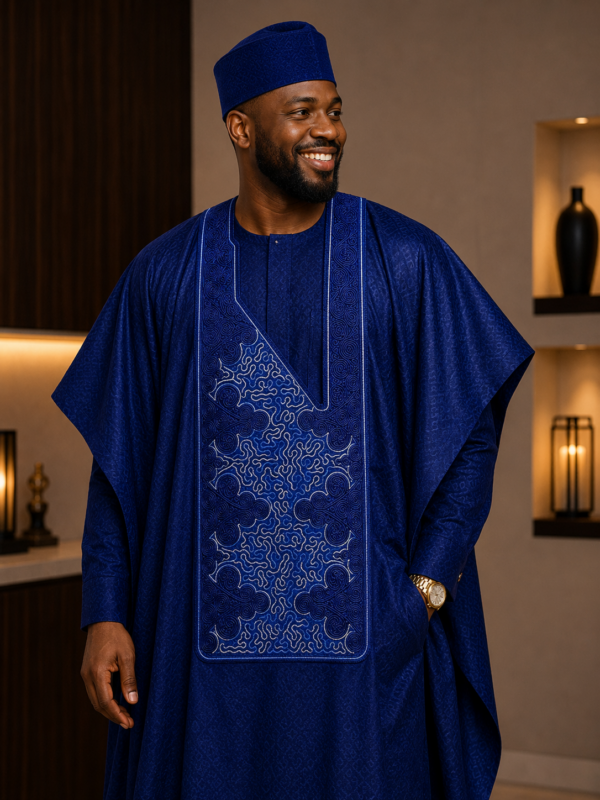
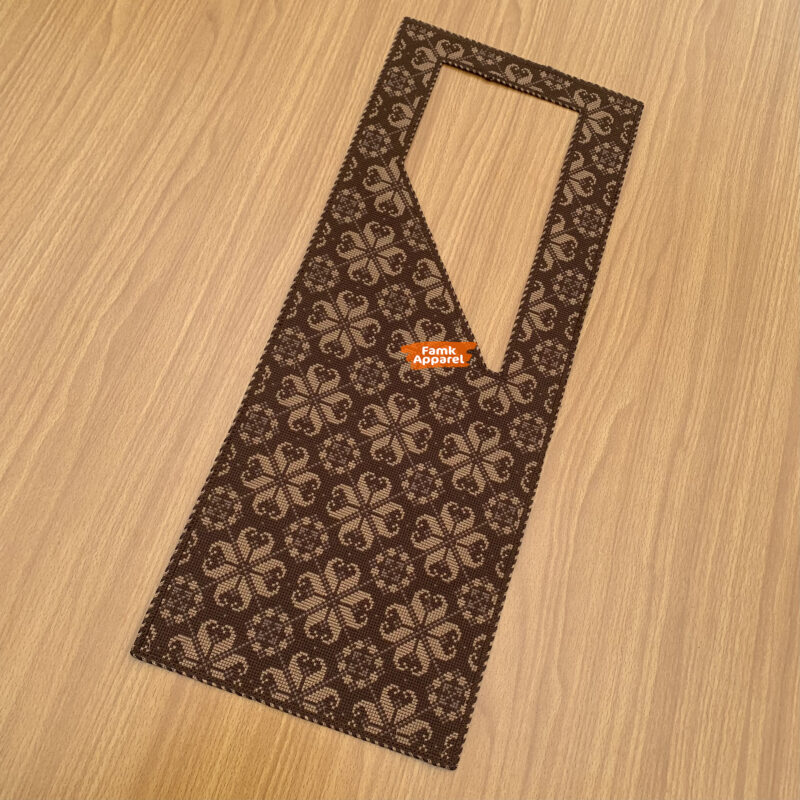
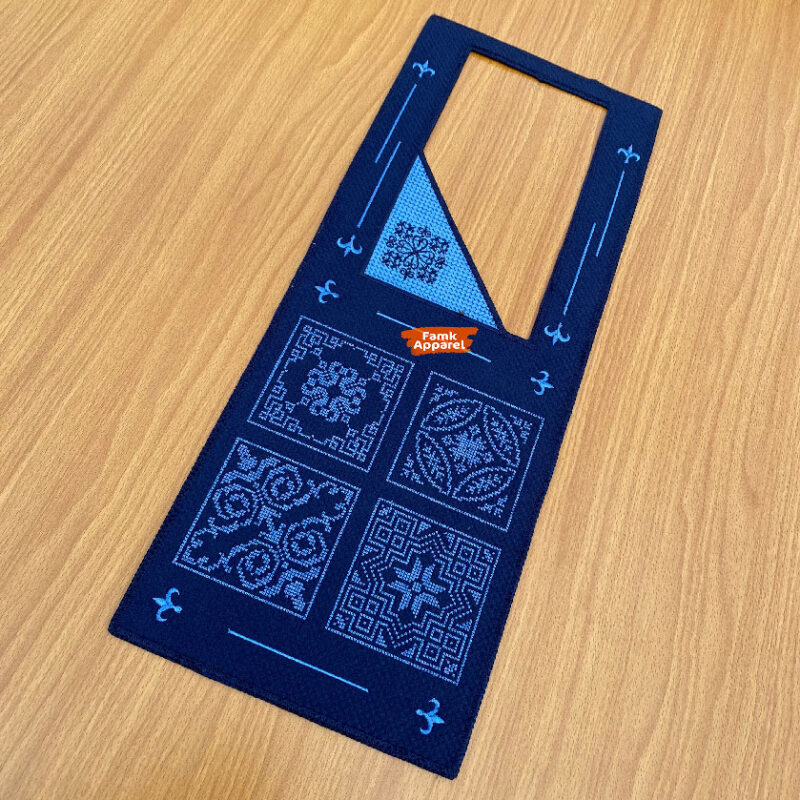
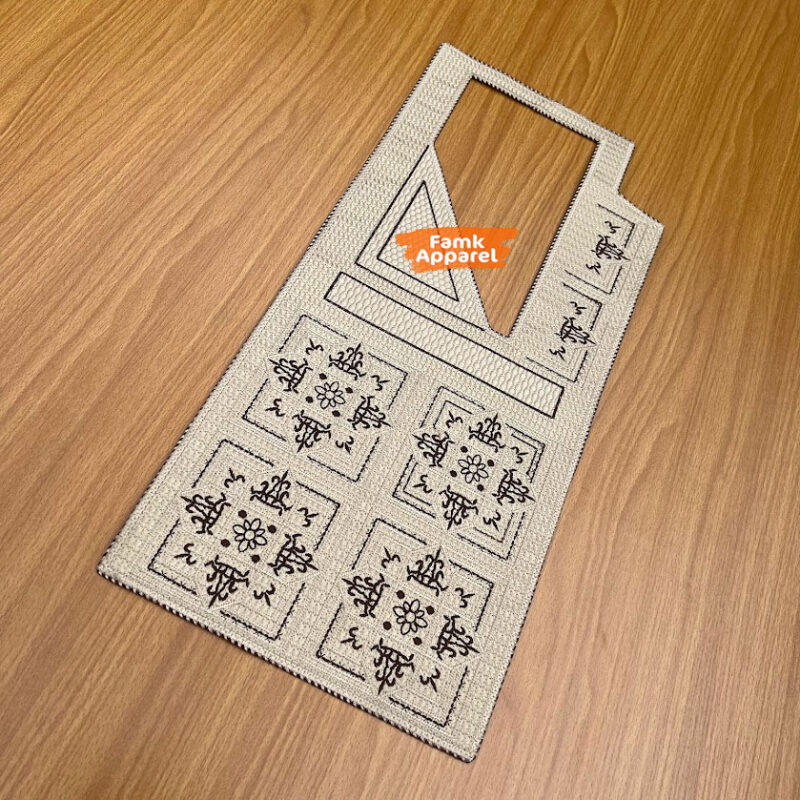
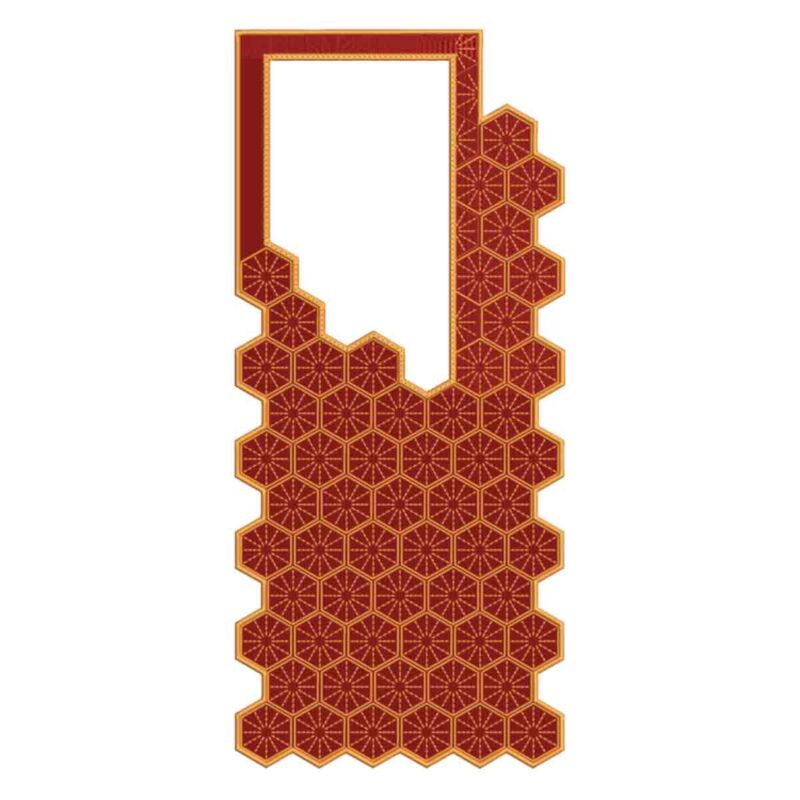
digitally embroidered agbada cape
How Have Agbada Styles for Men Changed Over Time?
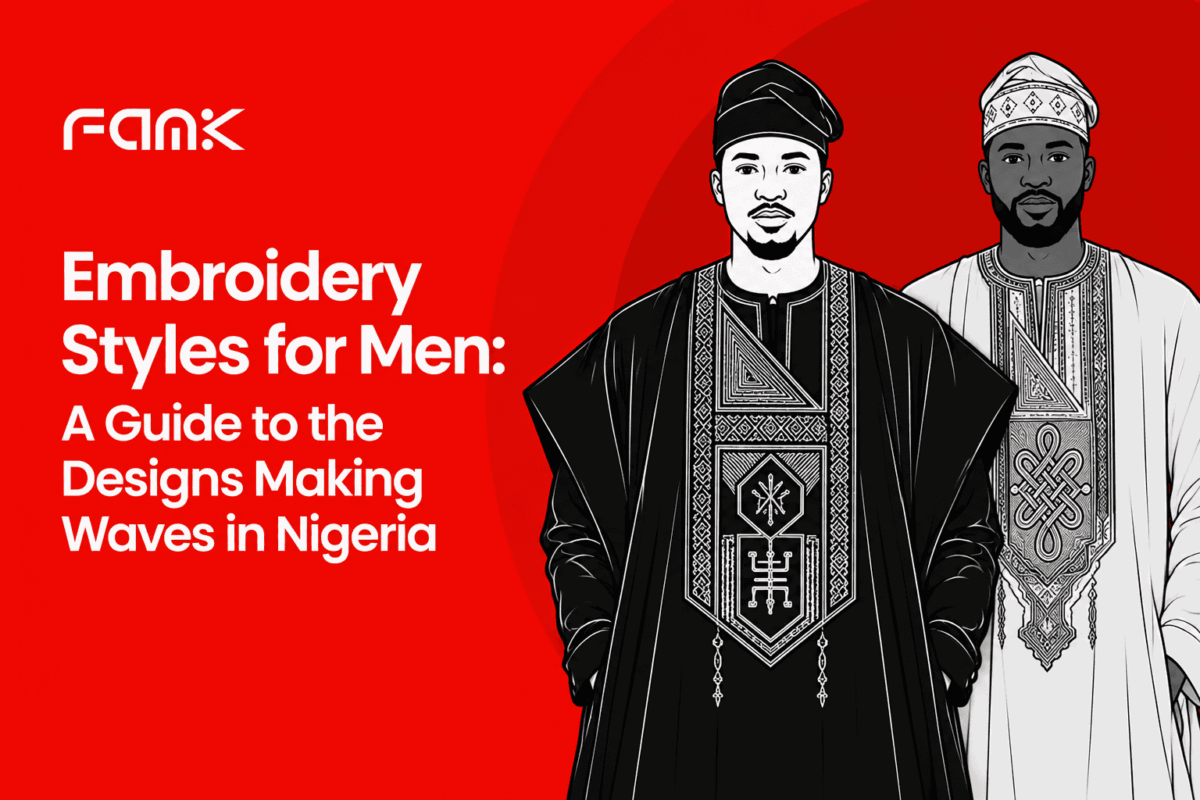
Older agbada styles for men leaned toward simpler embellishment, often limited by what hand embroidery could realistically achieve across that much fabric within a reasonable timeframe. Contemporary agbada designs for men push much further, denser panel work, mirrored symmetry across both chest sides, and gradient thread effects that would’ve been close to impossible to execute consistently by hand a generation ago.
Cut has also loosened slightly in places, with some tailors offering trimmer sleeve options for men who want the traditional silhouette without quite as much fabric volume.
What Role Does Digital Embroidery Play in Modern Agbada Designs?
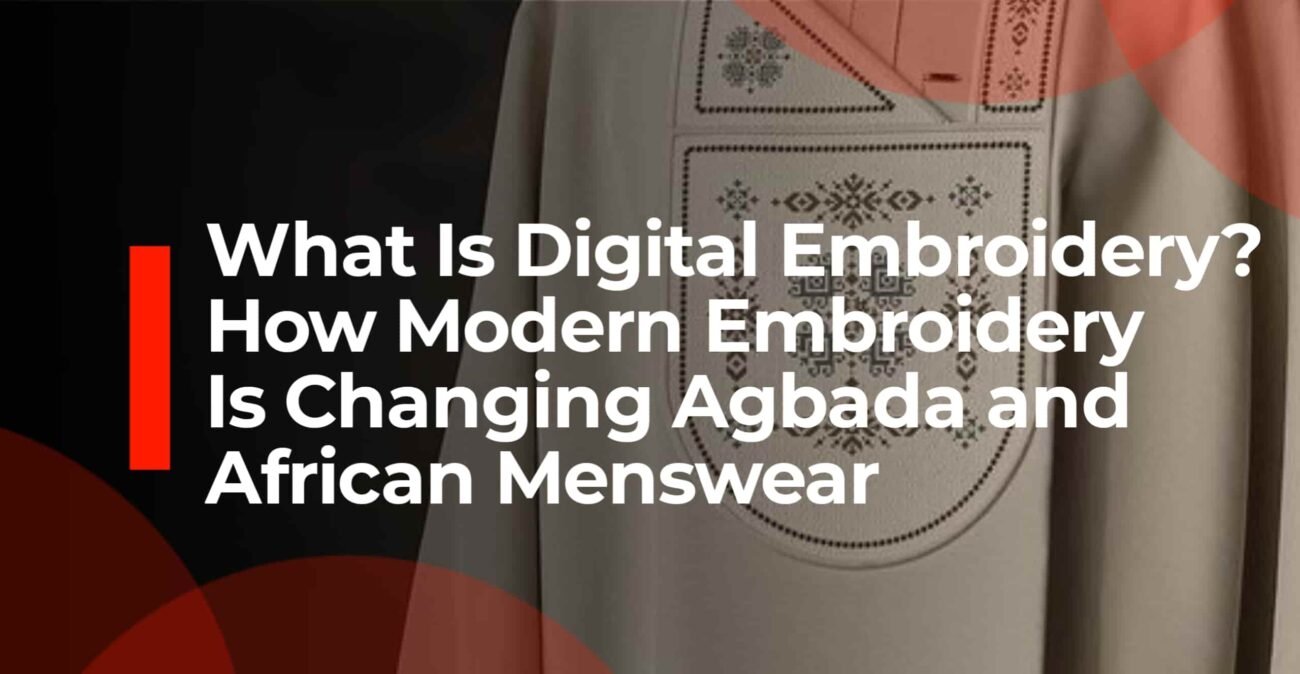
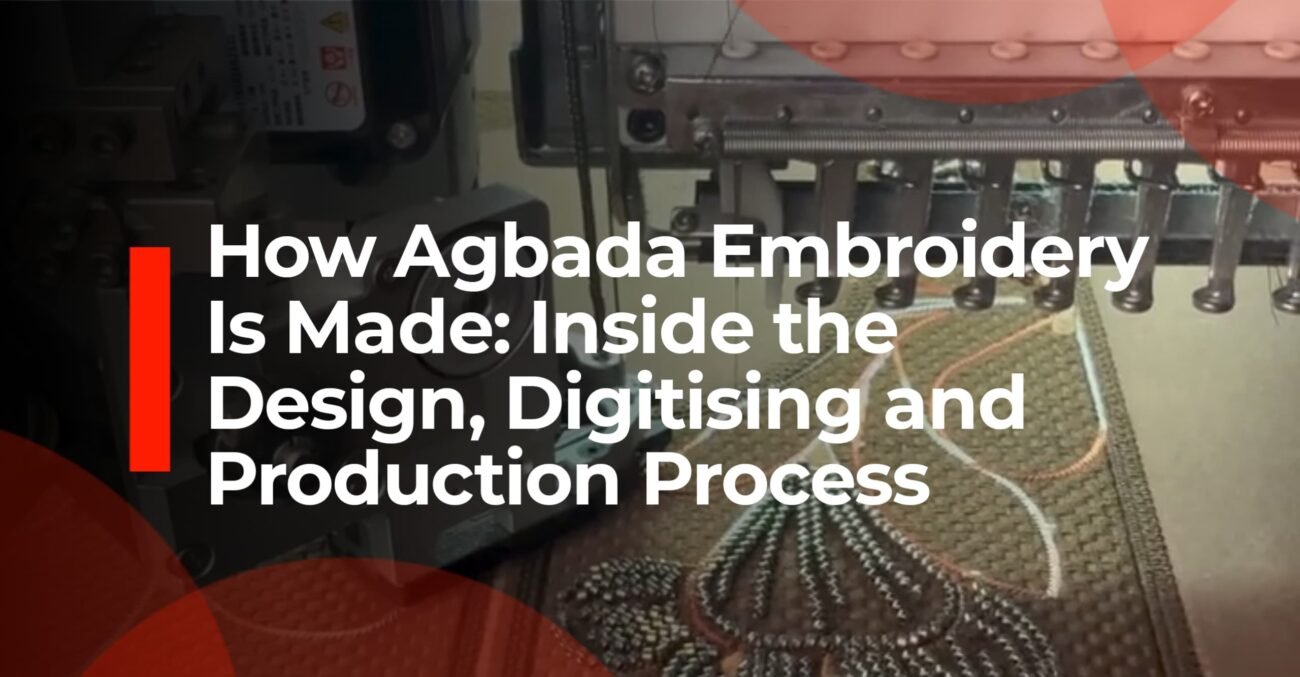
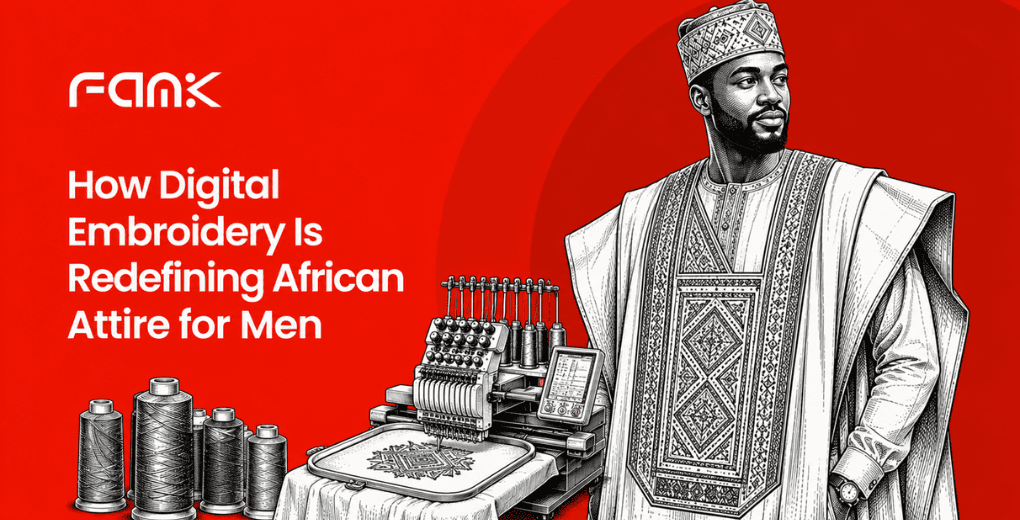
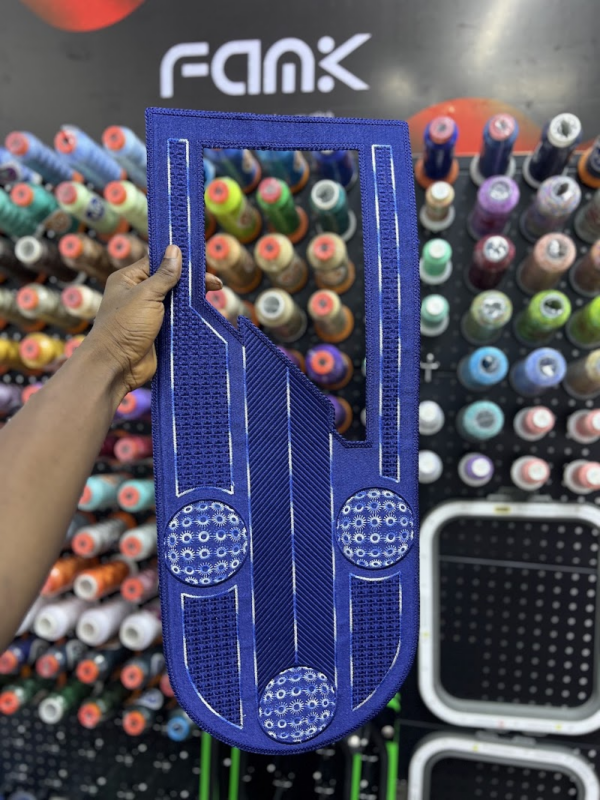
Digital embroidery maps a design in software before a computer-guided machine executes it, which matters enormously for agbada embroidery designs specifically because agbada offers so much surface area to cover. That precision allows for the kind of perfectly mirrored, highly detailed panel work that would take a hand embroiderer weeks to replicate and it does it in a fraction of the time.
It hasn’t replaced hand embroidery, exactly. The two now sit alongside each other, often chosen based on budget, turnaround, and how much textural warmth a buyer wants in the finish.
| Approach | Turnaround | Design Complexity | Best For |
| Digital embroidery | Days | Very high (mirroring, gradients) | Precision panel work, faster orders |
| Hand embroidery | Weeks | High, but labor-dependent | Tactile texture, heirloom pieces |
| Older machine embroidery | Days | Moderate, often repetitive | Simpler, budget-friendly designs |
This shift didn’t happen on its own, and it’s worth saying plainly: when digital embroidery wasn’t yet mainstream in Nigeria, FAMK was one of the first to push it beyond logo printing and cap customization into mainstream African fashion pieces—agbadas, kaftans, boubous, danshikis. Adoption was slow at first. It’s not anymore. That early groundwork is a big part of why the kind of mirrored, high-density panel work described above is now something buyers can actually expect, not just admire on a runway.
Curious how this looks? Browse FAMK’s digitally embroidered agbada collection to see the panel and mirroring detail up close.
What Embroidery Styles Work Best on Agbada?
Geometric and Ankara-inspired embroidery styles dominate because they scale cleanly across large panels without looking repetitive up close. Calligraphic script, often used for personalized initials or short phrases, has been gaining ground on more bespoke pieces.
Floral and botanical work appears too, though usually in smaller, restrained detail rather than covering the full chest. Agbada’s scale tends to reward structured, symmetrical motifs over looser organic ones.
Frequently Asked Questions
What is the traditional meaning behind agbada?
Agbada historically signaled wealth and social status through the sheer volume of fabric used, since more cloth meant greater cost and labor. It also carries ceremonial significance, traditionally worn for weddings, chieftaincy ceremonies, and religious festivals rather than everyday occasions, though modern use has expanded somewhat beyond that.
How is digital embroidery used on agbada designs?
Digital embroidery maps a pattern in software before a machine executes it with high precision, which suits agbada embroidery designs particularly well given the garment’s large surface area. This allows for mirrored panel work and gradient effects across days rather than the weeks hand embroidery typically requires.
What’s the difference between agbada and kaftan embroidery designs?
Agbada embroidery designs typically feature larger, bolder chest panels due to the garment’s flowing cut and wider fabric area. Kaftan embroidery designs usually concentrate on the collar, cuffs, and center placket instead, since kaftan sits closer to the body with less flat space available for coverage.
Can agbada designs for men be customized for weddings or special events?
Yes. Most embroidery specialists, including FAMK, offer customization such as personalized initials, family motifs, or adjusted panel density specifically for wedding or milestone occasions. This typically adds a short design phase upfront, so requesting well ahead of the event date is recommended.
Final Thoughts
Agbada has survived centuries of change without losing what makes it agbada; the volume, the ceremony, the sense that putting one on means something. What’s different now is how much more that fabric can carry. Digital embroidery hasn’t replaced the garment’s meaning; it’s given it a sharper, faster, more precise way of expressing it.
Got an Owambe or a wedding coming up and still deciding on the details? FAMK’s agbada embroidery collection is a good place to start comparing panel styles, from restrained geometric work to full statement pieces.