
Blog
How Much Does It Cost to Sew an Agbada in Lagos? 2026 Price Guide

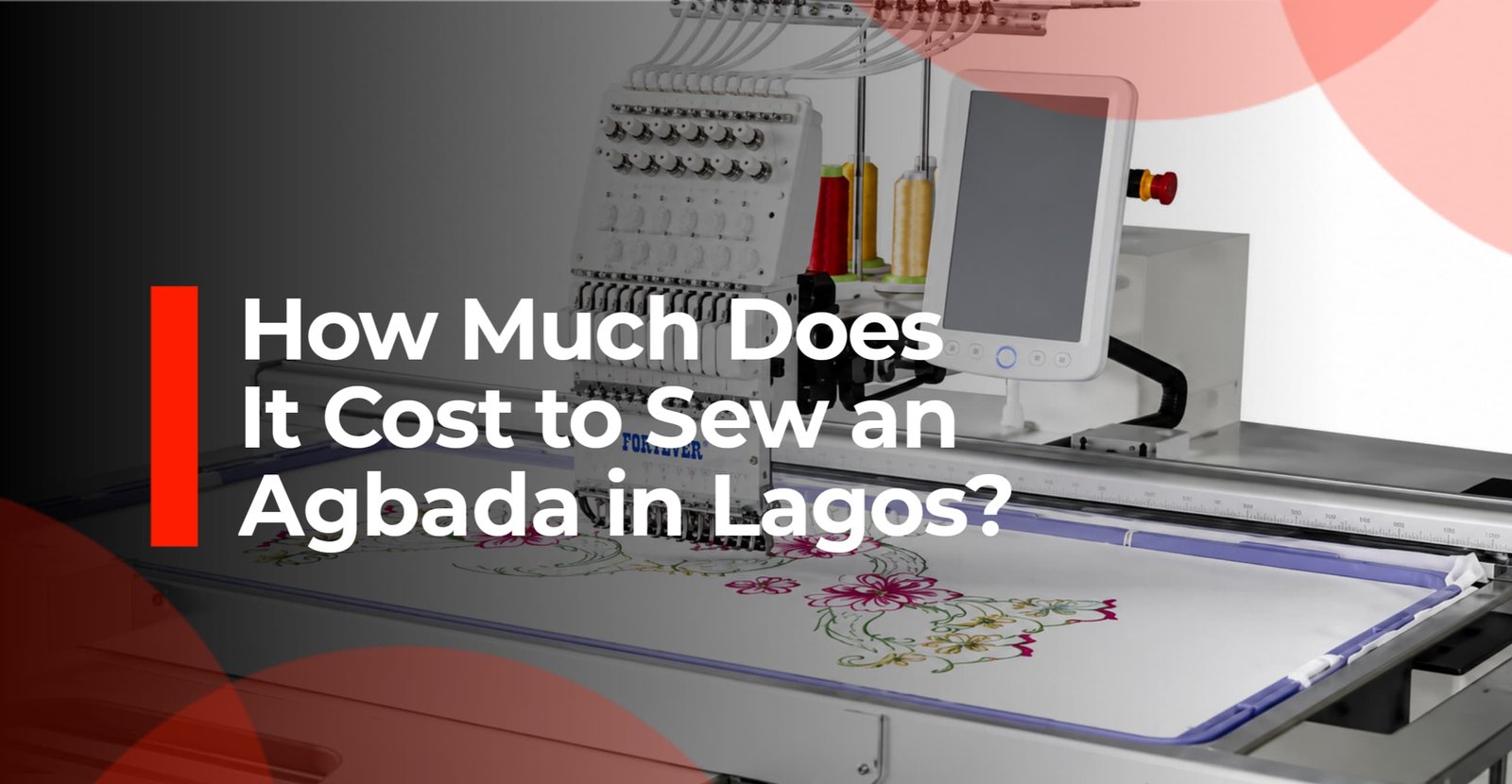
If you are planning an agbada for a wedding, Owambe, naming ceremony or other major event, the sewing fee can vary considerably. The cost of sewing agbada in Lagos depends on the tailor, design complexity, fabric, embroidery and level of finishing. Current published Nigerian price guides show a wide range rather than one fixed market price.
That distinction matters. The amount you pay a tailor to make an agbada is not necessarily the same as the total amount you spend on the finished outfit.
How much does it cost to sew an agbada in Lagos?
The sewing cost for a full agbada set in Lagos can range from tens of thousands of naira to well above ₦100,000, depending on the designer and specification. One 2026 Nigerian price guide lists agbada workmanship at about ₦25,000–₦80,000, while premium Lagos tailoring can be considerably higher. These figures should be treated as indicative, not as a universal Lagos price list.
For example, a straightforward three-piece agbada may attract a much lower sewing charge than a bespoke outfit with elaborate embroidery, multiple fittings and premium finishing.
Some current Lagos-based bespoke brands publicly list complete agbada outfits from around ₦150,000 upward, but those figures can include more than sewing workmanship alone.
Indicative 2026 pricing
| Agbada type | Indicative sewing/workmanship |
| Simple full agbada | ₦25,000–₦80,000* |
| Premium/bespoke agbada | ₦100,000+* |
| Luxury finished agbada | Can exceed ₦200,000 depending on specification* |
*Published prices vary by provider and what is included. Fabric, embroidery and other extras may be charged separately.
What determines the agbada sewing price?
The main factors behind an agbada sewing price are the tailor’s experience, garment design, fabric, embroidery, finishing requirements, number of fittings and delivery timeline. A simple agbada and a highly customised wedding outfit may use similar basic construction but require very different amounts of work.
Here are the major cost drivers:
1. Tailor or designer
A neighbourhood tailor and a premium Lagos fashion house may quote very different prices. That does not automatically mean one garment will be better than the other. Their pricing may reflect experience, location, production process, fittings, finishing and brand positioning.
2. Design complexity
A straightforward agbada requires less construction work than one with unusual cuts, layered details, elaborate embroidery or customised panels. The more technical the design becomes, the more time may be required.
3. Fabric
Fabric is usually separate from the sewing fee when you provide your own material. The final agbada price in Nigeria therefore depends partly on whether you are using standard fabric, premium brocade, damask, Aso-oke or another material.
4. Embroidery
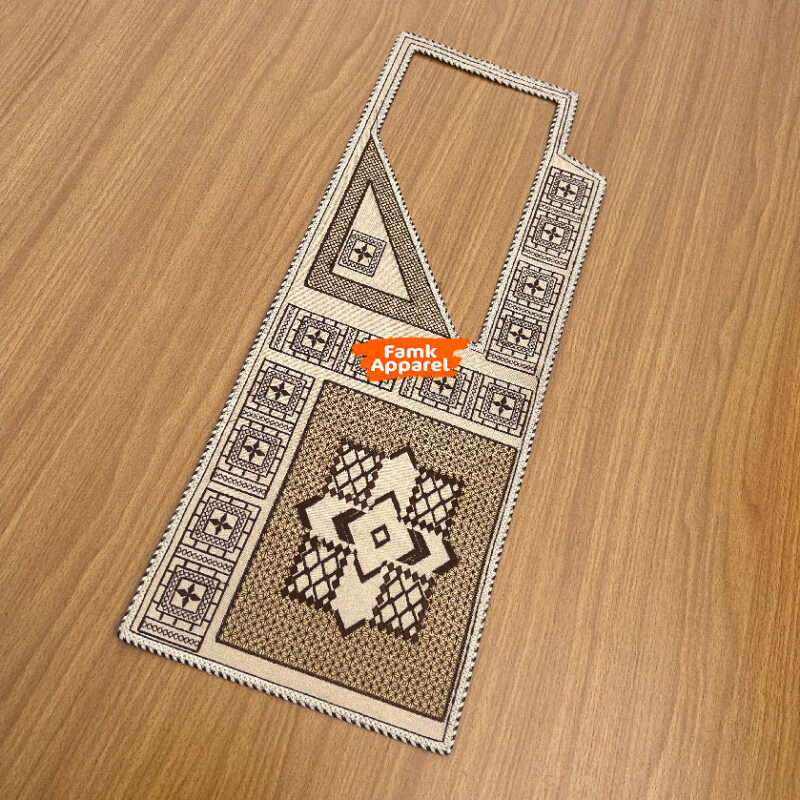
Embroidery can significantly change the cost of making agbada. A simple chest detail may cost less than a large, highly detailed design covering several garment sections. Digitised embroidery, hand embroidery and other decorative techniques may also be priced differently.
Does embroidery increase the cost of an agbada?
Yes, embroidery can increase the total cost of an agbada because it adds design, preparation and production work to the garment. The amount depends on the embroidery size, stitch density, number of colours, placement and whether the design is custom-made.
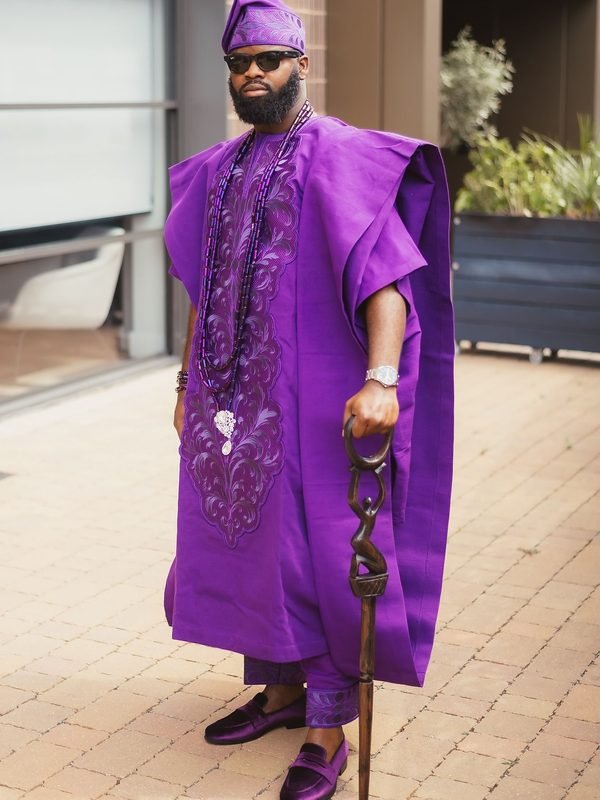
For a groom or someone attending an important ceremony, embroidery is often one of the details worth discussing before the tailor begins.
Instead of asking only, “How much does agbada cost?” ask for a breakdown:
- Sewing/workmanship
- Fabric
- Embroidery
- Accessories
- Alterations
- Delivery or rush charges
That gives you a more realistic budget.
Does the fabric affect how much an agbada costs?
Yes, the fabric can affect the total agbada cost considerably, although the sewing charge may remain separate. A tailor may charge the same workmanship fee whether you supply one fabric or another, while the material itself can vary substantially in price.
This is why two agbadas with similar designs can have very different final prices.
If your budget is limited, discuss the fabric before settling on the design. A good tailor can tell you whether the selected material is suitable for the intended cut and embroidery.
Is a custom agbada more expensive?
A custom agbada can cost more than a simpler made-to-order outfit because it may involve individual design development, detailed measurements, fittings, specialised embroidery and additional finishing. However, there is no single premium that applies to every custom garment.
Current Nigerian examples show how broad the market can be. Bespoke Lagos offerings publicly range from around ₦150,000 for some agbada designs to ₦300,000–₦500,000 for more elaborate pieces. These are finished-garment examples, not standard sewing fees.
So, when researching custom agbada price Nigeria, check exactly what the quoted amount includes.
How can you get an accurate agbada tailoring price?
The best way to get an accurate agbada tailoring price is to give the tailor the actual design, fabric information and embroidery requirements before requesting a quote. A photo reference alone may not be enough if the final garment includes custom embroidery or unusual construction.
Before agreeing on a price, ask:
- Is the quote for sewing only?
- Is fabric included?
- Is embroidery included?
- How many fittings are included?
- Are alterations included?
- What is the delivery date?
- Is there an additional rush fee?
How can you avoid paying more than expected?
You can avoid unexpected agbada costs by agreeing on the complete scope of work before cutting the fabric. Get the sewing charge, embroidery, fabric sourcing, alterations and delivery terms clarified in advance rather than adding requirements after production has started.
This is especially important for wedding outfits.
Give yourself enough time for fitting and alterations. A cheaper quote may become less attractive if you later need urgent corrections or rush production.
Where FAMK Apparel Can Help With Agbada Embroidery
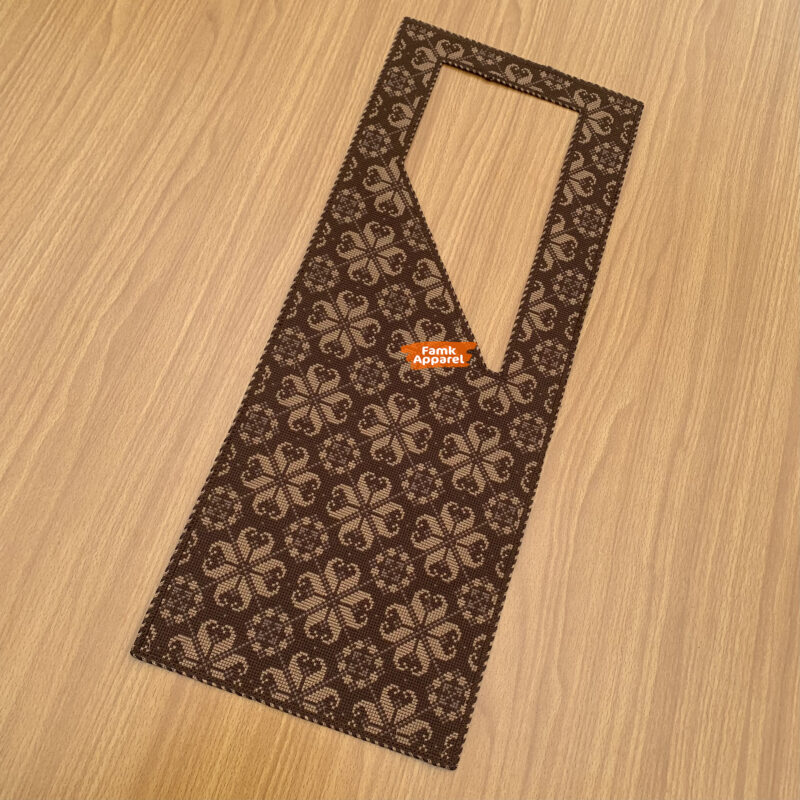
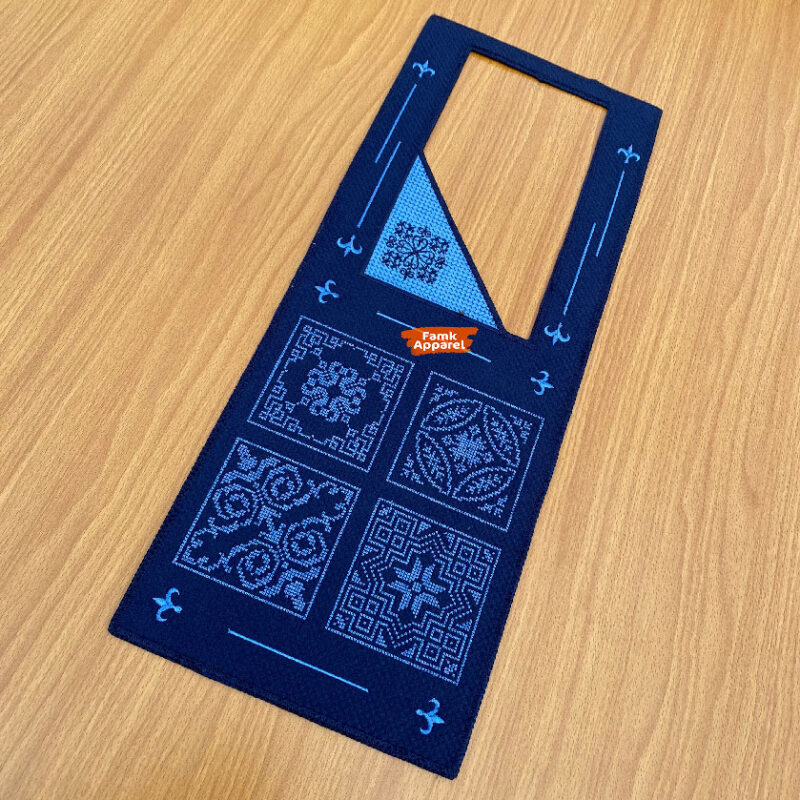
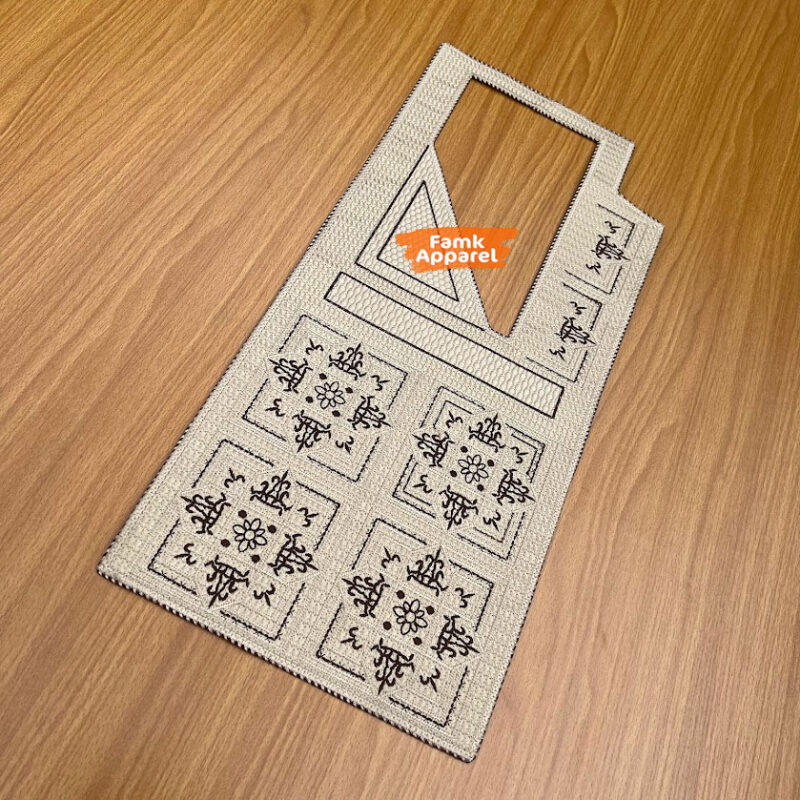
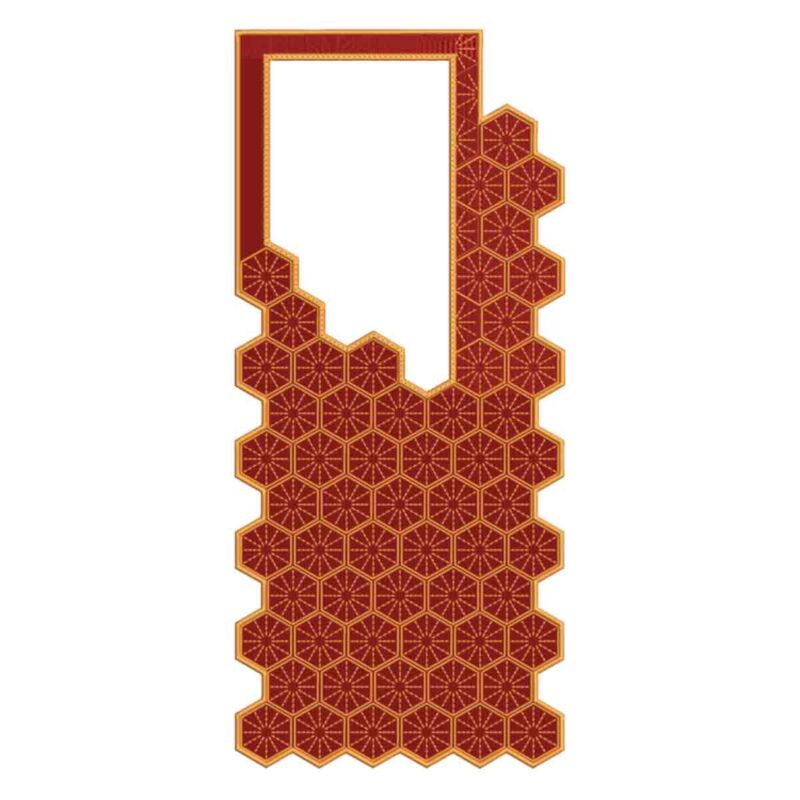
Once the garment construction is settled, embroidery becomes another part of the equation. FAMK Apparel provides digital embroidery services for African garments, including agbada and kaftan designs.
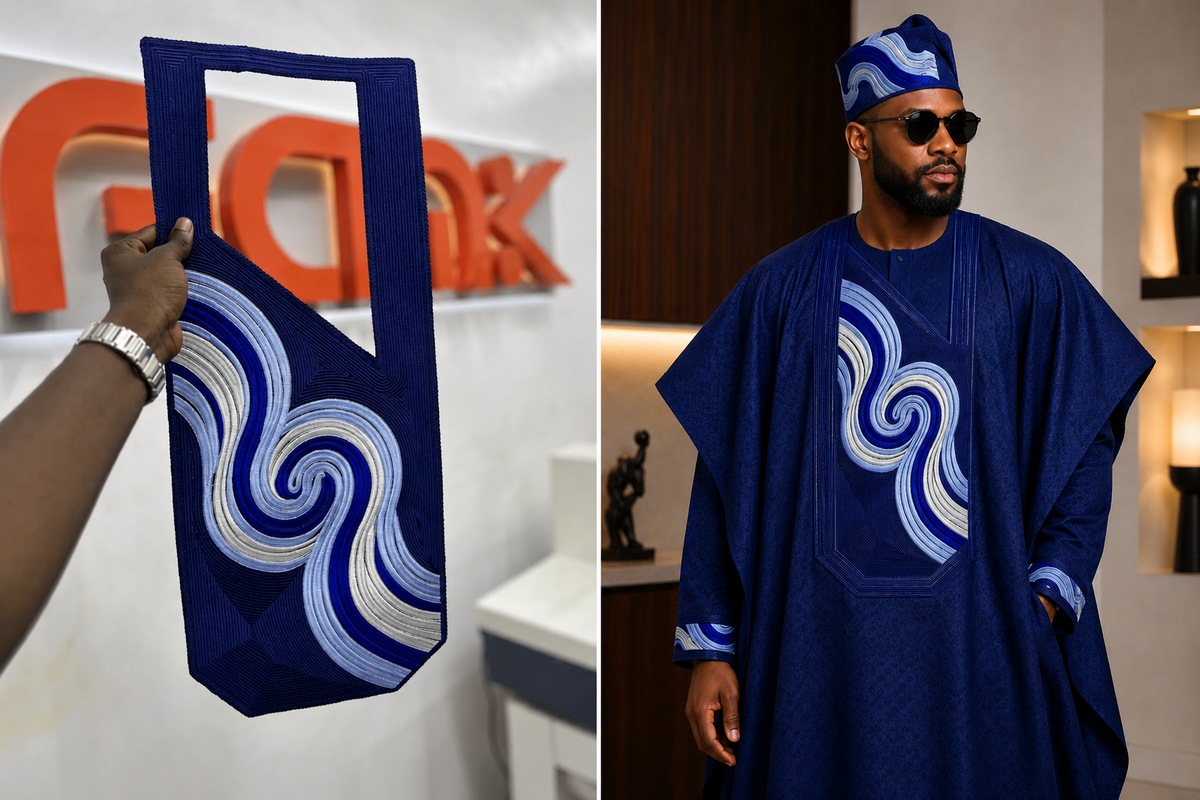
This can be useful when a tailor, designer or customer already has an embroidery concept but does not want to invest in embroidery equipment.
The design can be prepared digitally for machine embroidery and applied to the selected garment. This allows the tailoring and embroidery stages to be handled as separate parts of the overall project.
Frequently Asked Questions
How much does it cost to sew an agbada in Lagos?
The cost of sewing an agbada in Lagos varies by tailor, design and finishing requirements. A 2026 Nigerian price guide puts full-set agbada workmanship around ₦25,000–₦80,000, while premium bespoke services can exceed ₦100,000. Fabric and elaborate embroidery may be charged separately.
How much does a custom agbada cost in Nigeria?
A custom agbada in Nigeria can range from tens of thousands of naira to several hundred thousand, depending on the fabric, tailoring, embroidery and designer. Current published examples from Lagos-based brands include finished Agbadas around ₦150,000 and bespoke pieces at ₦300,000 or more.
What is included in the price of an agbada?
The price of an agbada may include sewing and finishing, but fabric and embroidery are not always included. Before paying, confirm whether the quotation covers the three-piece garment, fabric, embroidery, fittings, alterations and delivery. Asking for a written breakdown makes it easier to compare quotes from different tailors.
Final Thoughts
The cost of sewing agbada in Lagos is not one fixed figure. Your final price depends on the tailor, fabric, construction, embroidery and level of customisation.
For a fair comparison, separate workmanship from the total garment cost. Then ask exactly what the tailor’s quotation covers.
That makes the budget clearer and helps you avoid unpleasant surprises when the finished agbada is ready.