
Blog
African Wear for Men for Weddings: Agbada, Kaftan and Native Styles for 2026

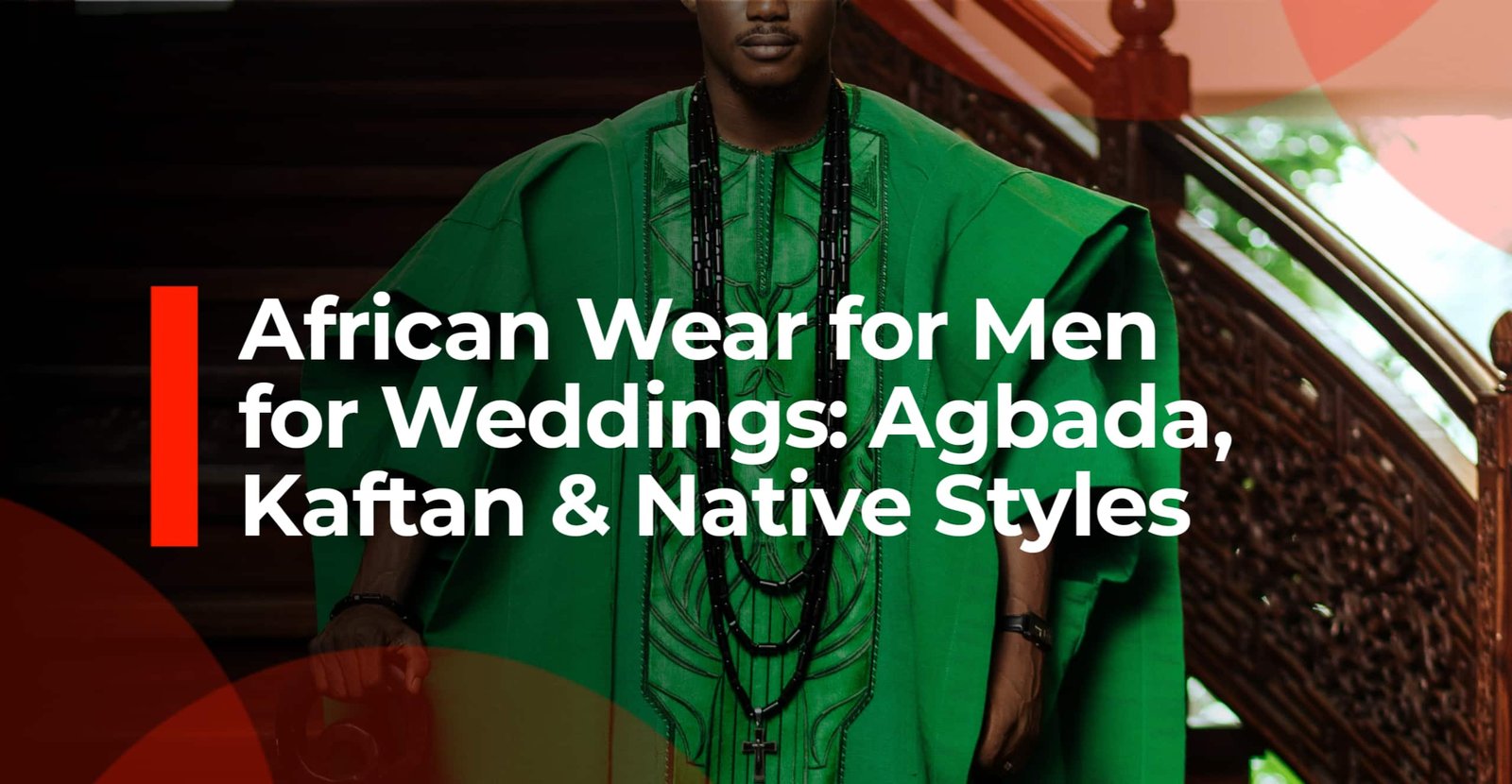
Wedding fashion gives men plenty of room to experiment. The traditional options are still there, of course, but today’s African wear for men for weddings can look very different from one ceremony to another. Agbada, kaftan, embroidered native sets and personalised details can all work.
The trick is choosing an outfit that suits the occasion without losing the character of African menswear.
What African wear is suitable for a wedding?
Suitable African wear for men for weddings includes agbada, kaftan, embroidered native sets and other tailored traditional outfits. The right choice depends on whether you are the groom, part of the wedding party or a guest, as well as the venue, dress code, colour scheme and level of formality. A groom may need something more distinctive. Guests have more flexibility.
That distinction is useful because not every wedding requires the same level of detail. A heavily embroidered agbada might suit a traditional wedding reception, while a simpler kaftan could be more comfortable for a smaller daytime ceremony.
Which agbada styles work for Nigerian weddings?
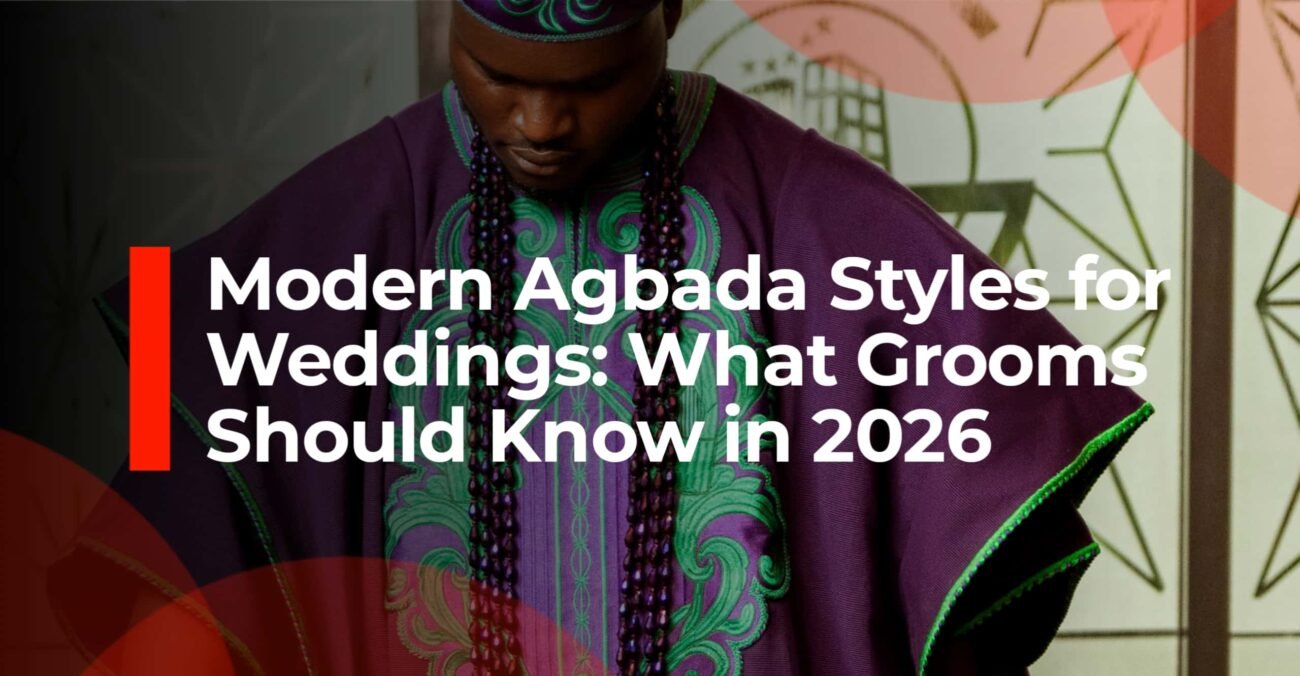
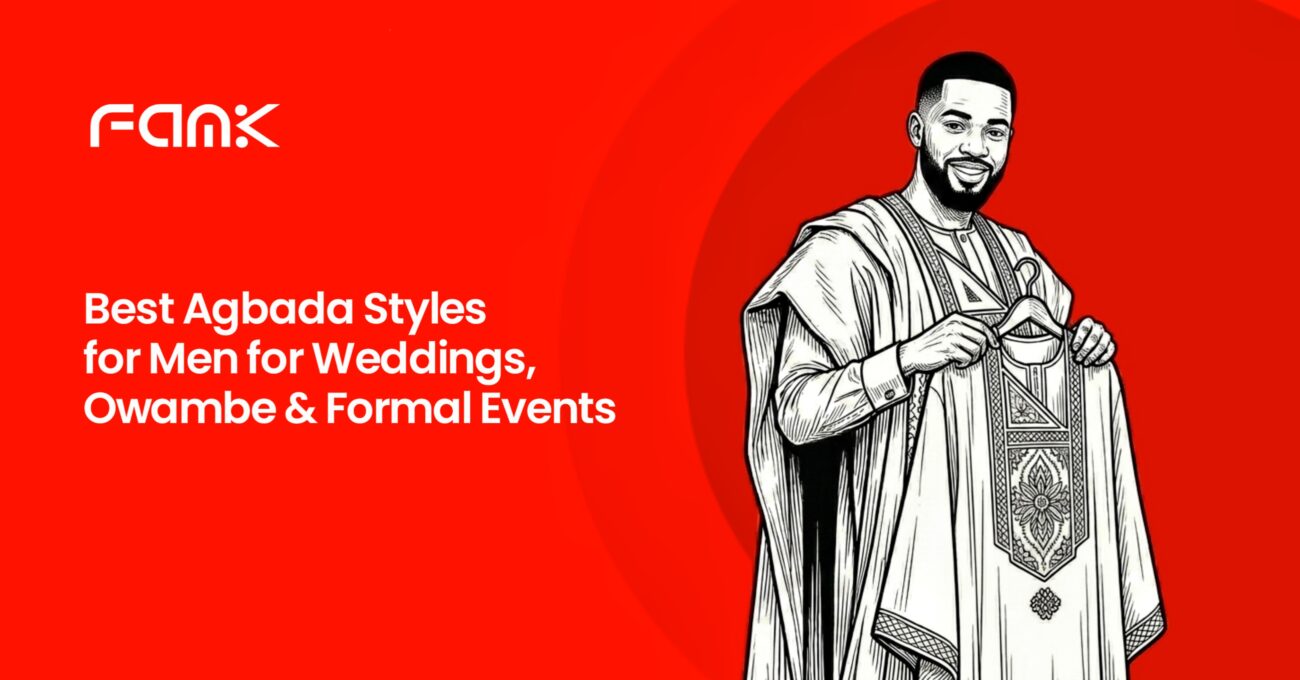
Agbada remains one of the most recognisable choices for Nigerian wedding outfits for men, particularly for grooms and members of the wedding party. Modern versions can use restrained embroidery, contrasting inner garments, personalised details or cleaner proportions while retaining the flowing traditional silhouette.
For the groom, embroidery can create a clear focal point around the chest, neckline or sleeves. A guest, meanwhile, might choose a simpler design. Colour matters too. White, cream and champagne remain popular for ceremonial looks, while navy, black, wine and deep green can create a stronger evening appearance.
If you want more specific inspiration, see our guide to modern agbada styles for weddings.
Are Kaftans suitable for wedding guests and grooms?
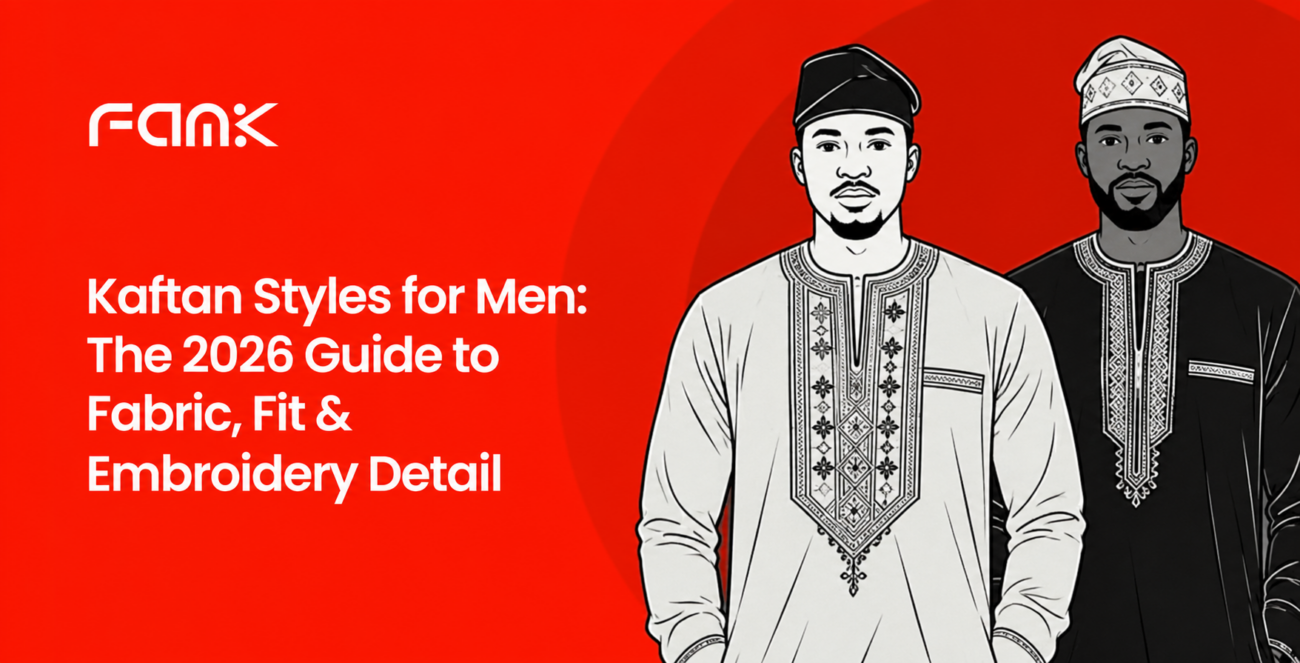
Yes, Kaftans are suitable for both wedding guests and grooms, particularly when the outfit is well-fitted and the fabric, colour and detailing suit the occasion. A Kaftan can provide a cleaner and less voluminous alternative to agbada while still giving the wearer a distinctly traditional African appearance.
Kaftan for the groom
A groom can use embroidery, a contrasting inner piece or a subtle monogram to make the outfit feel more personal.
Kaftan for guests
Guests have more freedom to experiment. A simpler Kaftan with carefully selected accessories can look polished without competing with the groom.
This is where agbada and Kaftan styles for men offer two very different approaches to wedding dressing.
What should a groom consider when choosing native wear?
A groom should consider the wedding theme, venue, colour palette, fabric, embroidery, fit and comfort before choosing his native outfit. The groom’s clothing should stand apart from the groomsmen while still looking connected to the overall wedding aesthetic. The details can be surprisingly important.
A good outfit may use the wedding colours subtly rather than matching everything exactly. The embroidery could pick up a colour from the bride’s outfit. The cap might complement the fabric instead of introducing another unrelated shade. And then there is fit. Even expensive fabric and detailed embroidery cannot compensate for an awkwardly fitted garment.
What are popular Nigerian native styles for men in 2026?
Popular Nigerian native styles for men in 2026 include modern agbada, embroidered Kaftans, coordinated native two-piece sets and personalised traditional outfits. Many contemporary designs retain familiar Nigerian silhouettes while using cleaner embroidery, more controlled decoration and modern colour combinations.
The broader movement is not necessarily about abandoning traditional clothing. It is about adjusting it.
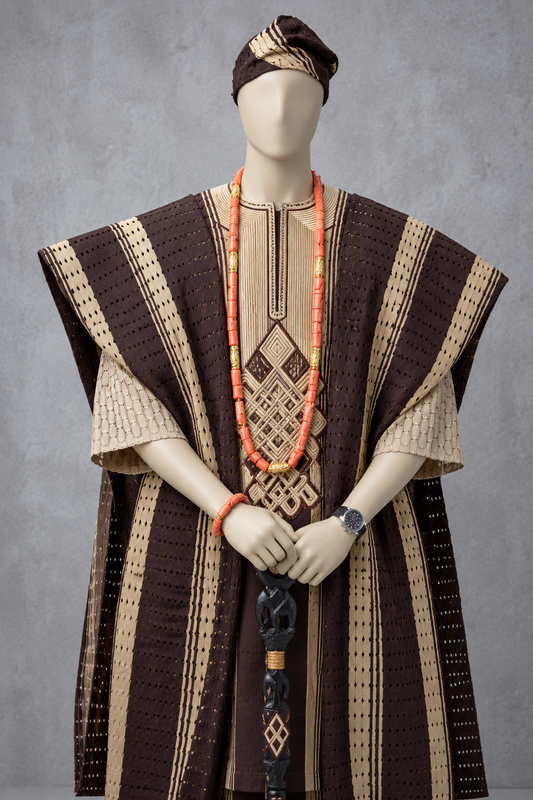
A classic agbada might receive a shorter chest panel. A plain Kaftan might gain a carefully placed embroidered motif. A native two-piece could use a premium fabric and understated accessories rather than heavy decoration. That flexibility is what makes men’s African wear useful for different types of weddings.
How can embroidery improve African wedding wear?
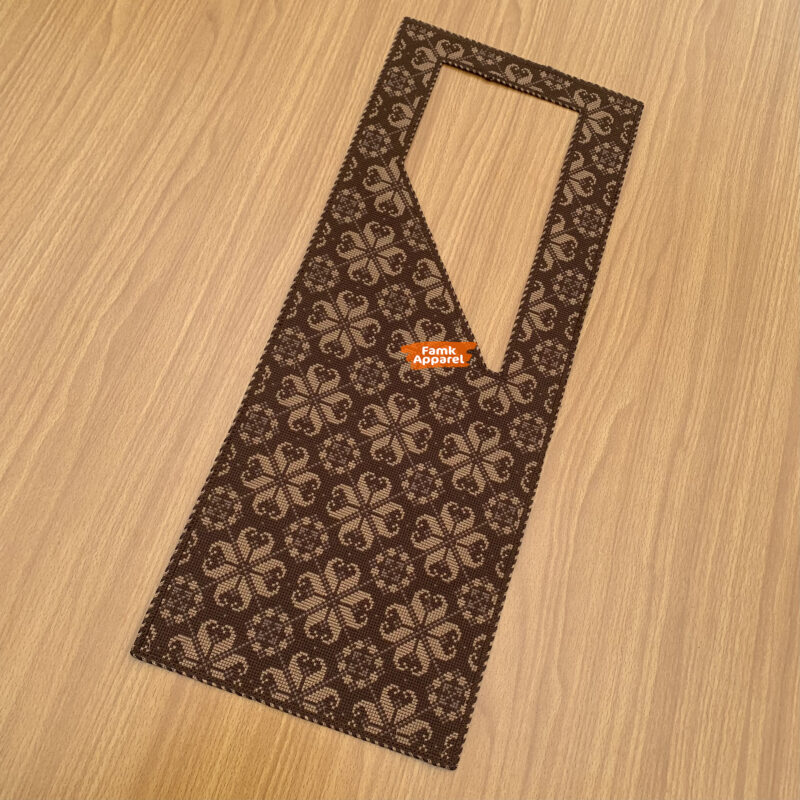
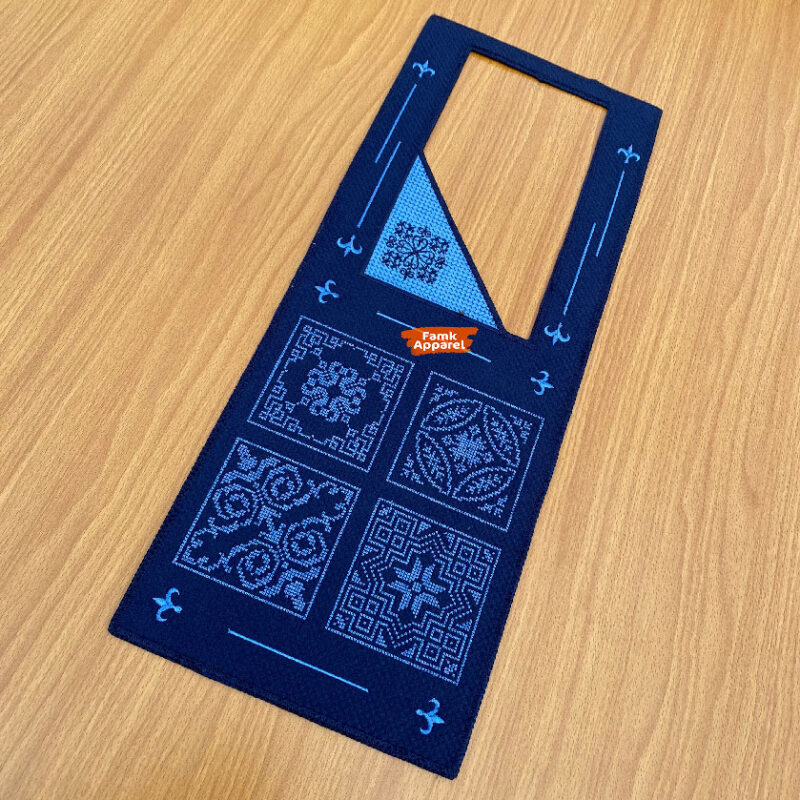
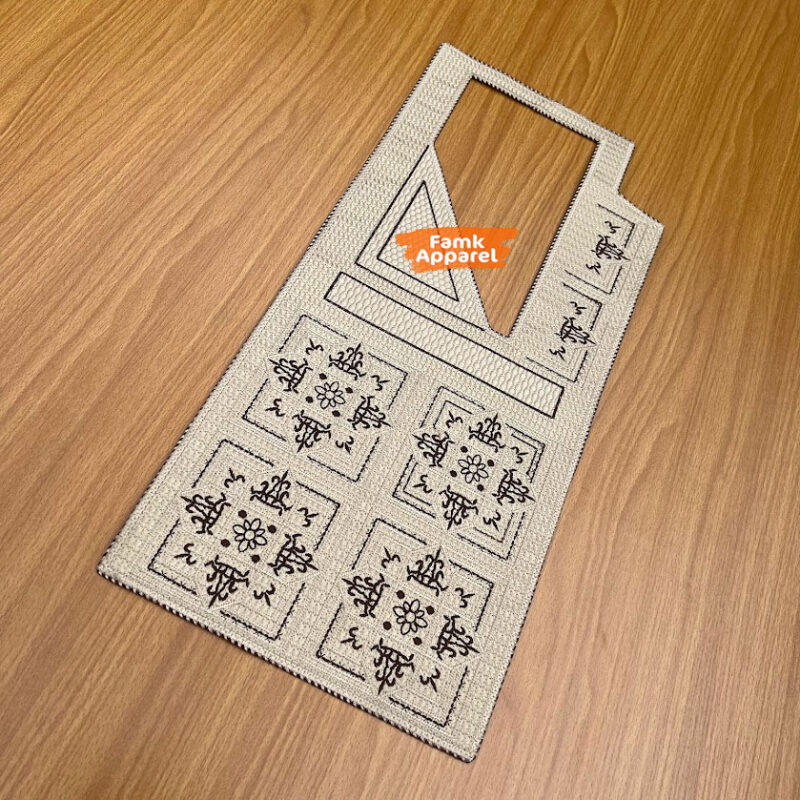
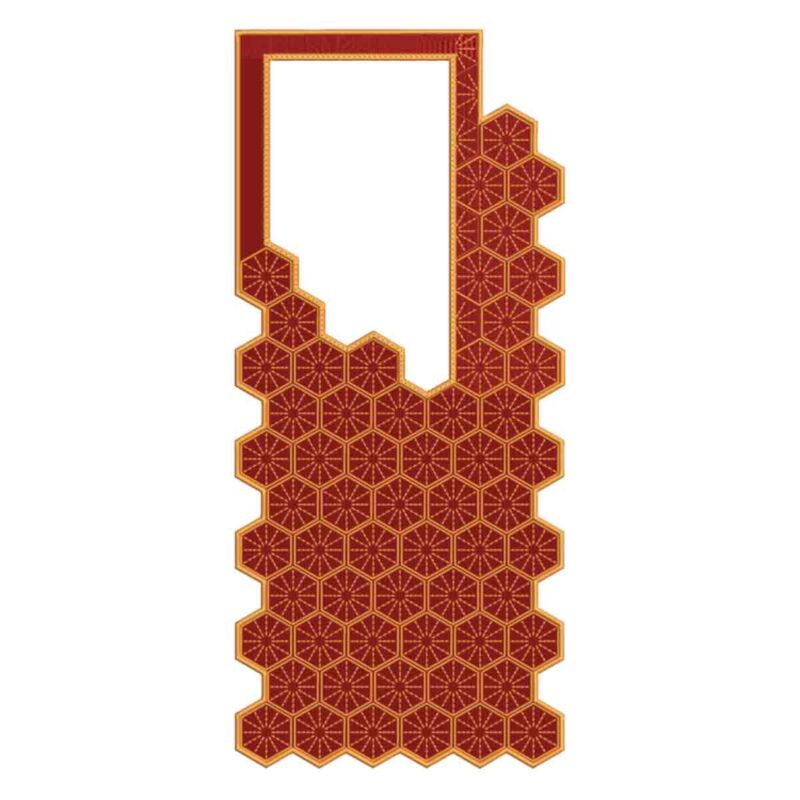
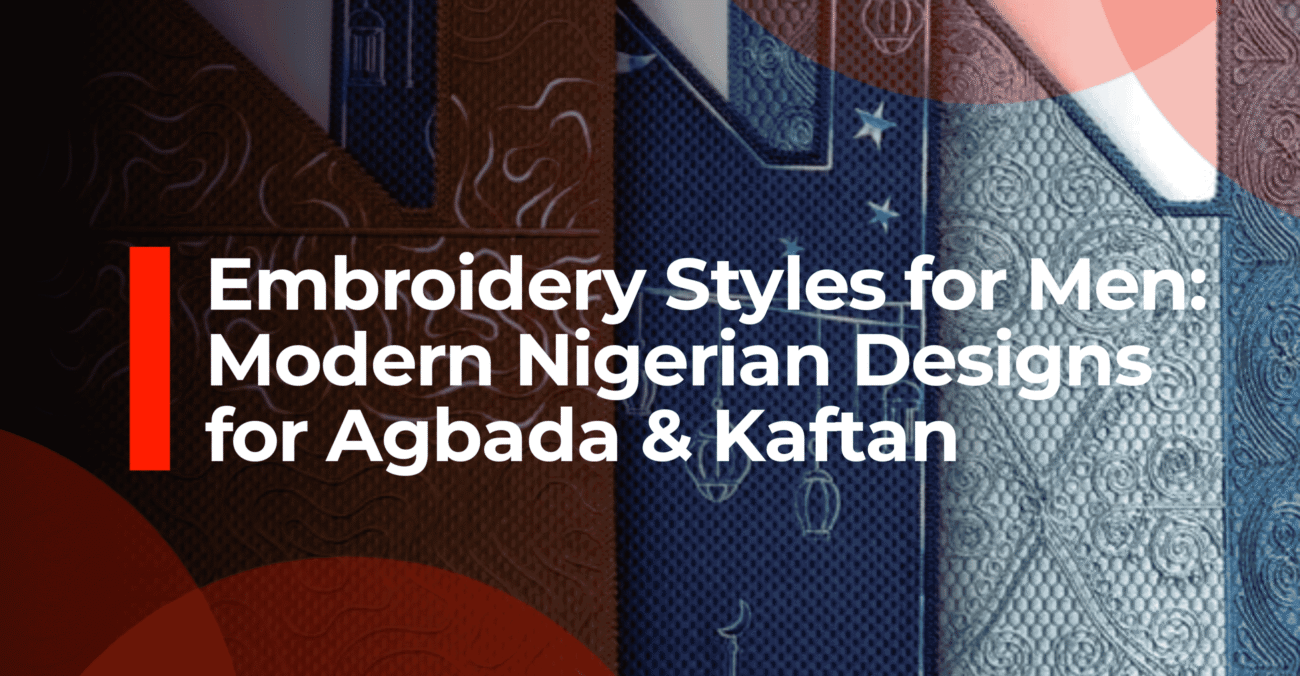
Embroidery can make African wedding wear more distinctive by adding pattern, texture, symbolism or personal details to an otherwise simple garment. It can be used on agbada chest panels, kaftan fronts, sleeves, pocket flaps and other selected areas without covering the entire outfit. The design does not have to be complicated. In fact, a restrained pattern can sometimes have more visual impact than an overcrowded one.
For grooms, custom embroidery can also include initials, wedding dates or a personal motif. This creates a connection between the garment and the occasion.
Our guide to embroidery styles for men explores different approaches to men’s traditional wear.
Should you add a monogram to wedding native wear?
Yes, a monogram can personalise wedding native wear without requiring a completely different garment design. Initials can be embroidered onto an agbada, kaftan, shirt or other garment, usually in a position where the detail complements rather than dominates the outfit.
Common placements include the chest, pocket area, sleeve or inner garment. The thread colour also matters. Tonal embroidery can create a subtle effect, while contrasting or metallic thread makes the monogram more noticeable.
For more ideas, see our guide to monogram design on clothes.
What should wedding guests wear if there is no strict dress code?
When there is no strict dress code, wedding guests can choose a well-fitted African outfit that matches the formality of the ceremony without copying the groom’s look. A simple embroidered Kaftan, native two-piece or restrained agbada can work, depending on the venue and time of day.
For daytime events, lighter colours and fabrics may feel more appropriate. Evening celebrations can accommodate deeper colours and richer textures. The safest approach is not necessarily the loudest outfit. It is the one that looks intentional.
FAMK Apparel and African Wedding Wear
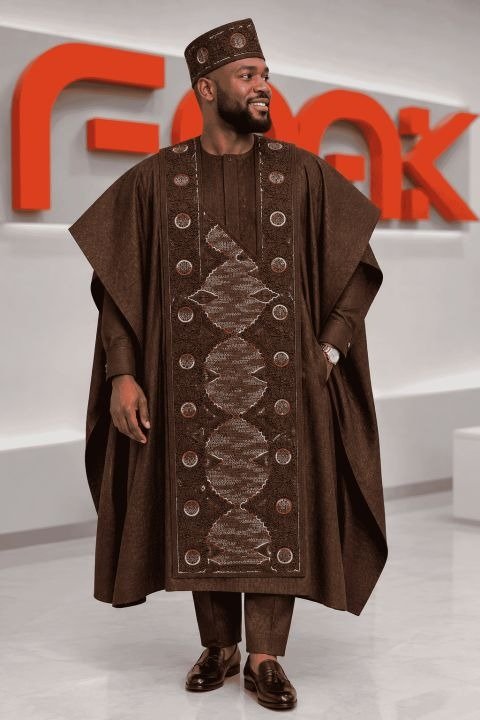
FAMK Apparel works with digital embroidery for African garments, helping customers and fashion businesses add customised embroidered details to outfits such as agbadas, kaftans and other native wear. This is particularly useful when the garment already exists but needs a distinctive finishing detail. A customer may have a reference design, a monogram or a specific embroidery concept. FAMK can help turn that concept into embroidery-ready artwork and apply the design to the garment.
African wedding wear
For grooms, designers and wedding-party outfits, this provides another option beyond buying an embroidery machine or handling the digitisation process themselves.
Frequently Asked Questions
What is the best African wear for men for weddings?
The best African wear for men for weddings depends on the wearer’s role, venue, dress code and personal style. Grooms often choose distinctive agbada or embroidered Kaftans, while guests can opt for simpler native sets. Fit, fabric, colour and embroidery usually matter more than choosing one universally “best” style.
What should a Nigerian groom wear to a wedding?
A Nigerian groom can wear an agbada, kaftan or another customised native outfit that complements the wedding theme. agbada creates a more ceremonial appearance, while a well-tailored Kaftan offers a cleaner silhouette. Embroidery, coordinated colours and subtle monograms can make either option more personal.
What are popular men’s wedding outfits in Nigeria?
Popular men’s wedding outfits in Nigeria include agbada, embroidered Kaftans, native two-piece sets and coordinated traditional outfits. The choice often depends on the ceremony and the wearer’s role. Grooms may use more elaborate embroidery or custom details, while guests generally have more flexibility with colour and design.
Final Thoughts
African wedding fashion does not have to fit one template. African wear for men can be formal, understated, heavily embroidered, personalised or somewhere in between. Agbada works when you want ceremony and presence. Kaftan offers a different silhouette. Embroidery and monograms provide another layer of personality.