

Blog
Kaftan Styles for Men: Modern Nigerian Looks and Styling Guide

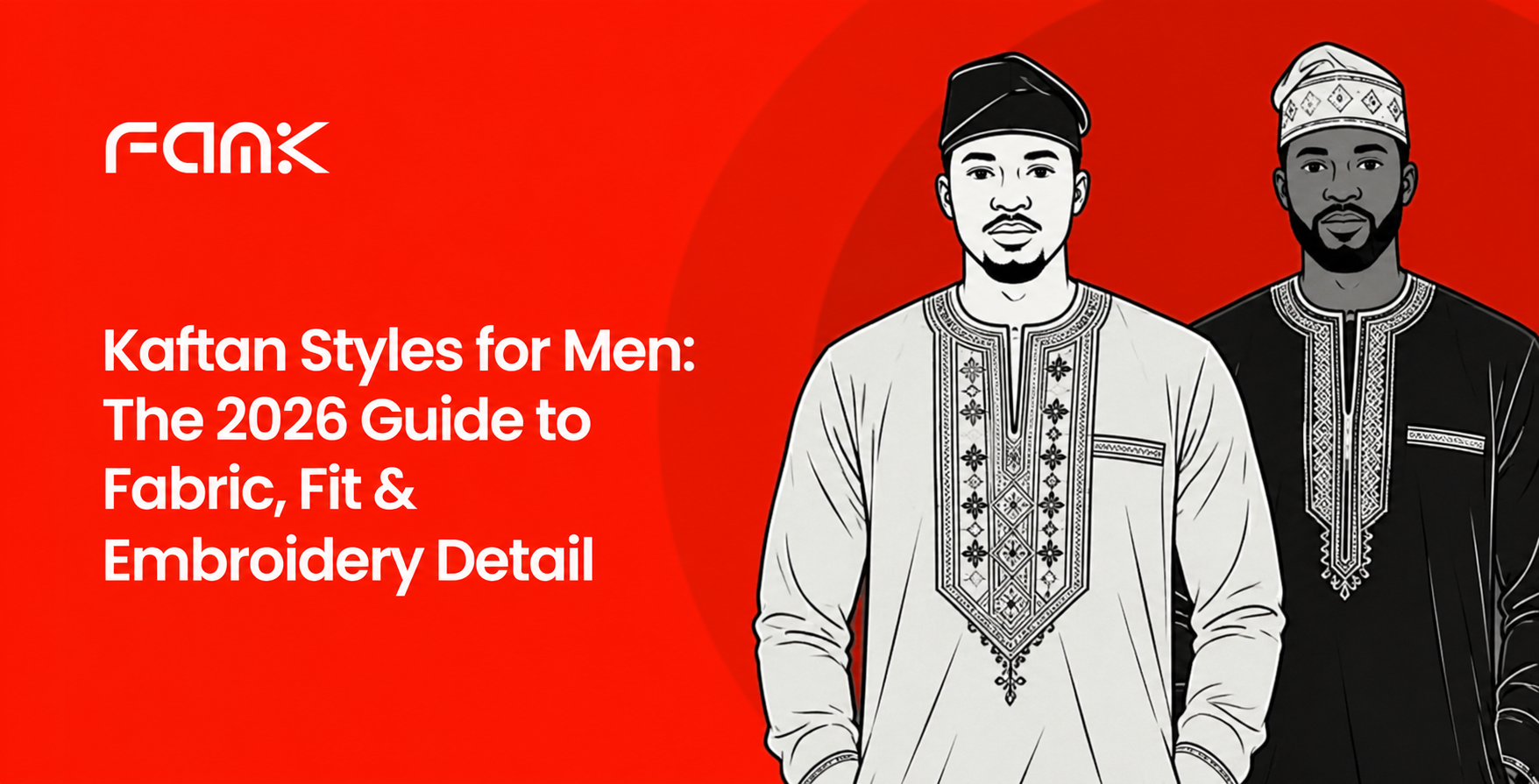
Kaftan styles for men offer a practical way to dress for work, religious gatherings, weddings and other occasions without wearing the same kind of outfit every time. The right choice depends on the cut, fabric, colour and finishing. Some men prefer a simple senator-inspired design, while others want a longer kaftan with traditional details or embroidery.
This guide explains the main styles, how they differ, and what to consider before choosing a kaftan for your wardrobe.
What Are the Main Kaftan Styles for Men?
Men’s kaftans come in different lengths, fits and levels of decoration. Common options include the senator-inspired kaftan, short kaftan, long traditional kaftan and embroidered kaftan. These categories can overlap: a long kaftan, for example, can have a minimal finish or an elaborate embroidered chest panel.
1. Senator-inspired kaftan
This style usually features a structured collar, a neat front placket and a relatively tailored silhouette. It works well for office events, Friday gatherings, family occasions and semi-formal functions. Choose a clean finish and moderate fit if you want an outfit that looks polished without feeling restrictive.
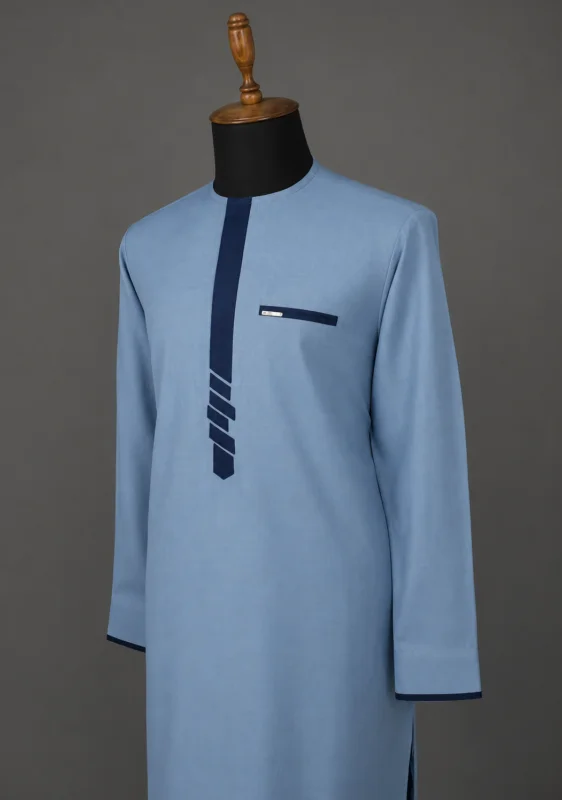
2. Short kaftan
A short kaftan typically ends around the knee or above it, depending on the design. Its proportions can feel more relaxed and contemporary than a longer traditional cut. Pair it with well-fitted trousers and simple footwear, and check the overall length with your tailor before cutting the fabric.
3. Long traditional kaftan
A longer kaftan creates a more flowing silhouette and can suit religious gatherings, cultural events and formal occasions. Fabric drape matters because the garment’s length makes the material more noticeable. Keep the shoulder and sleeve fit comfortable so the outfit does not feel oversized simply because it is long.
4. Embroidered kaftan
Embroidery adds detail around the collar, front placket, chest, cuffs or hem. A restrained design can complement a plain kaftan, while a larger motif creates a stronger focal point. The fabric and intended occasion should guide the scale of the design.
For more ideas, explore kaftan styles for men alongside FAMK Apparel’s guide to embroidery designs for men in native wear.
What Is the Difference Between a Kaftan and Senator Wear?
The terms can overlap in everyday Nigerian fashion, so the cut matters more than the label alone. Senator wear commonly refers to a coordinated top and trousers with a structured, tailored appearance. Kaftan can describe a broader range of flowing or long tunic-style garments, depending on regional usage and the design.
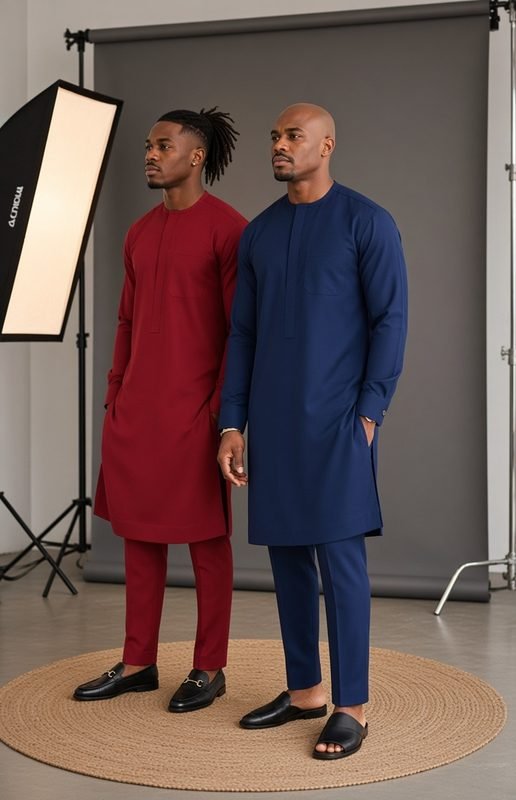
A senator wears
When ordering from a tailor, show a reference image and confirm the top’s length, collar shape, sleeve style and trouser cut. That avoids misunderstandings caused by using different names for similar outfits.
How Do You Choose the Right Kaftan Fabric?
Choose fabric based on the weather, occasion, desired drape and amount of embroidery. A lightweight, breathable material may be more comfortable for regular daytime wear, while a fabric with more body can give a formal kaftan a structured appearance. Ask your tailor whether the material suits the cut and stitching you have in mind.
| Fabric option | What to consider | Suitable use |
| Cotton | Breathability, texture and how easily it creases | Everyday and daytime kaftans |
| Linen or linen blends | Airy feel and a naturally textured finish | Relaxed and warm-weather looks |
| Atiku-style fabric | Texture, weight and the finish of the specific material | Traditional and coordinated native wear |
| Brocade or Damask | Pattern, weight and how the fabric falls | More formal or decorative designs |
| Aso-oke | Texture, structure and how it works with the proposed cut | Distinctive traditional looks |
Fabric names can cover different qualities and blends, so do not buy based on the name alone. Feel the material, check its opacity and ask how it behaves after washing. If you want embroidery, let the designer or tailor assess the actual fabric before finalising the design.
How Should a Men’s Kaftan Fit?
A well-fitted kaftan should allow you to sit, raise your arms and walk comfortably without excess pulling across the shoulders, chest or sleeves. The intended style determines how loose it should be. Before the final stitching, check the shoulder position, sleeve length, body width and overall length while standing and moving.
A few details make a noticeable difference:
- Shoulders: The seam should suit the intended cut rather than droop unintentionally.
- Sleeves: They should allow movement without excessive fabric bunching.
- Body: Choose a close or relaxed fit deliberately; avoid pulling across the chest.
- Length: Check the length against your height, footwear and preferred silhouette.
- Trousers: For coordinated outfits, make sure the trousers complement the top rather than competing with it.
Bring a reference photo to your tailor, especially if you want a short or particularly fitted design. The same style can look quite different when its proportions change.
Which Colours Work Well for Men’s Kaftans?
White, cream, navy, black, grey and earth tones are useful starting points because they can be styled in several ways. Brighter colours and deeper shades such as burgundy or emerald can also work for celebrations. Consider the time of day, dress code, fabric texture and how the outfit will look in photographs.
For a coordinated outfit, choose one main colour and decide whether the embroidery should blend in or contrast with it. Tonal thread creates a subtle finish; a contrasting thread makes the design more visible. Test the combination against the actual fabric rather than relying entirely on a screen image.
Which Embroidery Designs Suit a Kaftan?
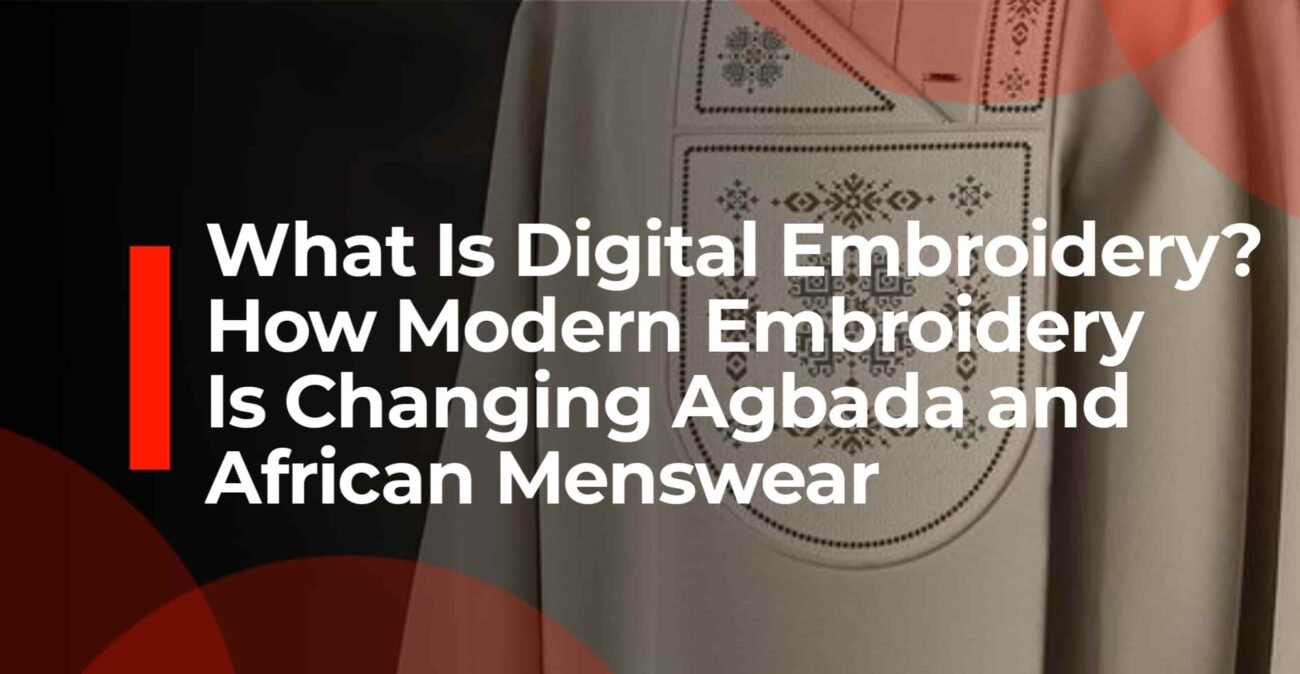
Kaftan embroidery often works well around the collar, front placket, chest, cuffs and hem. These placements create definition without requiring decoration across the entire garment. A small monogram can suit a restrained look, while a wider chest motif may be appropriate for a more elaborate traditional outfit.
Before approving the design, consider the garment’s fabric, colour, size and intended use. Dense stitching can change how a light fabric falls, and an oversized motif may overwhelm a narrow front panel. The design should be prepared for the available space, not simply reduced from a larger agbada pattern.
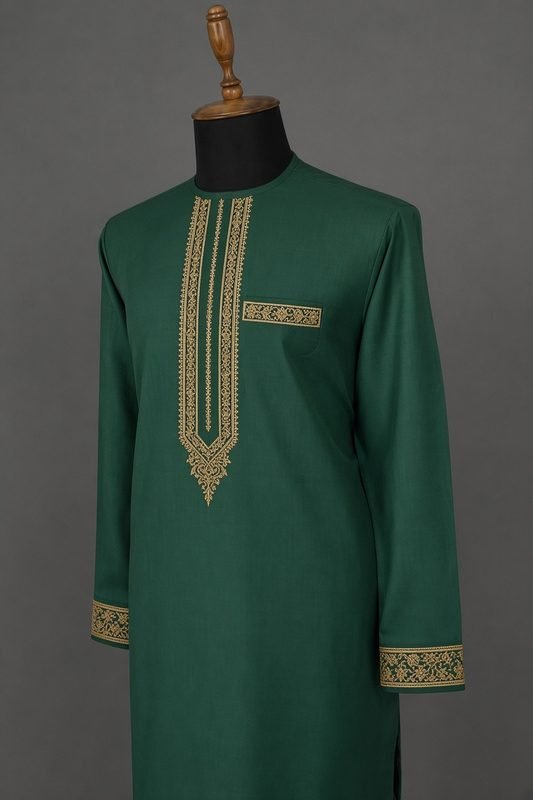
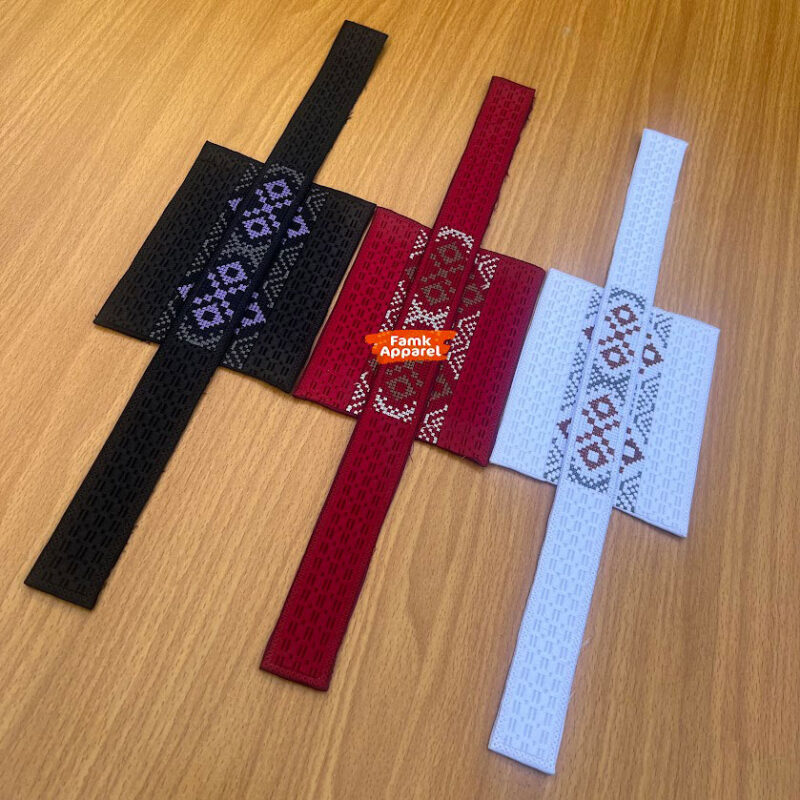
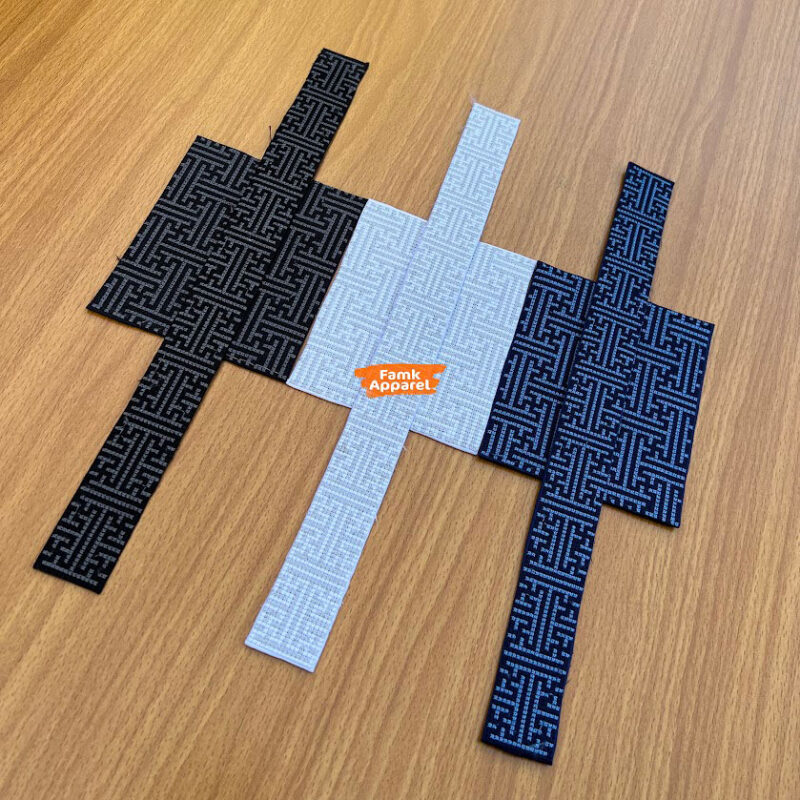
Embroidery design on kaftan
FAMK Apparel provides digital embroidery-related design services for native wear. You can learn more about digital Agbada embroidery in Nigeria and the custom Agbada embroidery process. Although the latter focuses on agbada, the preparation and design-planning principles can help when discussing embroidery for other garments.
How Do You Choose a Kaftan for Different Occasions?
Start with the dress code, then decide how formal the fabric, cut and finishing should be. A simple, well-fitted kaftan may work for an office gathering, while a wedding or cultural celebration may call for richer fabric, coordinated accessories or more detailed embroidery. Comfort still matters, particularly if you will wear the outfit for several hours.
| Occasion | Style to consider | Styling direction |
| Work or business gathering | Structured senator-inspired kaftan | Restrained colours and minimal detailing |
| Friday prayers or religious gathering | Comfortable short or long kaftan | Breathable fabric and an appropriate fit |
| Wedding or traditional celebration | Long or embroidered kaftan | More formal fabric and coordinated accessories |
| Casual family outing | Relaxed short kaftan | Simpler fabric and understated finishing |
These are starting points, not strict rules. Follow the event’s dress code and choose a design that feels appropriate to you.
Frequently Asked Questions
1. What are some current kaftan styles for men?
Current kaftan styles for men include minimalist designs, embroidered chest-panel kaftans, two-tone outfits, short kaftans, and tailored designs in rich colours like navy, burgundy, and emerald green. For special occasions, intricate embroidery adds elegance, while neutral colours and clean cuts create a modern, understated look suitable for everyday wear.
2. Are kaftans in style in 2026?
Yes, kaftans remain a popular choice for men in 2026, particularly for weddings, Owambe celebrations, religious gatherings, and formal occasions. Modern male kaftan styles combine traditional silhouettes with contemporary tailoring, breathable fabrics, and digital embroidery. Neutral colours, coordinated sets, and understated luxury are excellent choices for a fashionable appearance.
3. What is a male kaftan called?
A male kaftan is commonly called a kaftan or caftan. In Nigeria, similar traditional outfits may be described as a senator outfit, native wear, or agbada-inspired attire, depending on the cut and design. Although these garments share similarities, they have distinct features that differentiate their styles, structure, and cultural origins.
4. What are the different types of kaftans?
The different types of kaftans include traditional loose-fitting kaftans, modern tailored kaftans, short kaftans, embroidered kaftans, two-tone designs, and minimalist styles. In Nigeria, male kaftan designs in Nigeria often feature decorative chest panels, matching trousers, and coordinated caps. Fabric, neckline, sleeve design, and embroidery determine each outfit’s overall appearance.
5. What is the difference between a kaftan and a thobe?
A kaftan is generally a loose-fitting garment that may feature wide sleeves, decorative embroidery, and different lengths. A thobe is typically a long, ankle-length garment with a more structured, shirt-like design, commonly worn in Arab countries. Both offer modest coverage, but their silhouettes, cultural associations, and design details differ.
6. Can men wear a kaftan?
Yes, men can wear kaftans, and they are widely worn across Africa, the Middle East, and other regions. Kaftans are suitable for weddings, religious gatherings, celebrations, and casual outings. With the right fabric, fit, and accessories, men can choose from elegant embroidered designs, relaxed everyday outfits, or contemporary kaftan styles for men.







One thought on “Kaftan Styles for Men: Modern Nigerian Looks and Styling Guide”