
Blog
Embroidery Machine Prices in Nigeria: 2026 Buying Guide

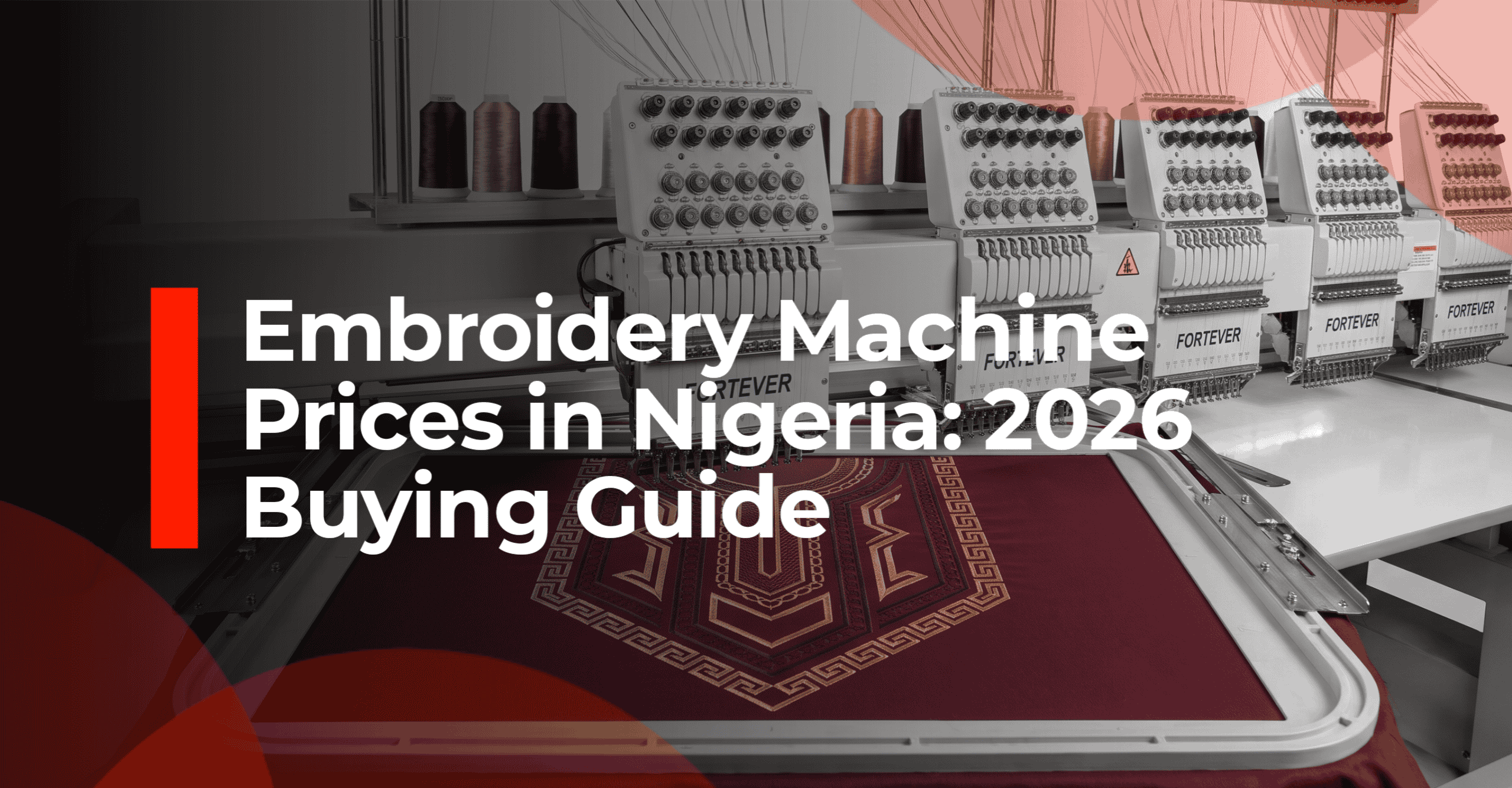
Buying an embroidery machine is a very different decision from buying an ordinary sewing machine. The price can jump from a few hundred thousand naira to several million, depending on the machine type, number of heads, automation, brand and intended workload.
For a fashion designer starting small, that range can be confusing. Do you need a computerized model? Is an industrial machine necessary? And, perhaps most importantly, how much should you actually budget?
This guide breaks down embroidery machine price in Nigeria in 2026, the main types available, what affects their prices, and what to consider before spending your money.
How Much Is an Embroidery Machine in Nigeria in 2026?
The embroidery machine price in Nigeria can range from roughly ₦2m for smaller entry-level machines to several million naira for commercial multi-head machines. There isn’t one standard price because embroidery machines are built for very different levels of work.
A designer making occasional monograms has very different requirements from a business producing agbada embroidery, uniforms or hundreds of pieces every month.
| Machine type | Typical 2026 budget | Best suited for |
| Entry-level/small embroidery machine | ₦2m–₦3m+ | Beginners and small orders |
| Single-head commercial machine | ₦7mm–₦9m+ | Growing fashion businesses |
| Multi-head industrial machine or large commercial systems | ₦10m–₦15m+ | High-volume production or for established embroidery businesses |
These are planning ranges, not fixed market prices. Brand, specifications, machine condition, import costs, dealer, number of heads and available features can move the final price substantially. Prices also depend on the size of the machine frame.
What Determines Embroidery Machine Prices in Nigeria?
A single-head machine works on one garment or piece at a time. A multi-head machine can embroider several pieces simultaneously, which makes it far more appropriate for bulky production.
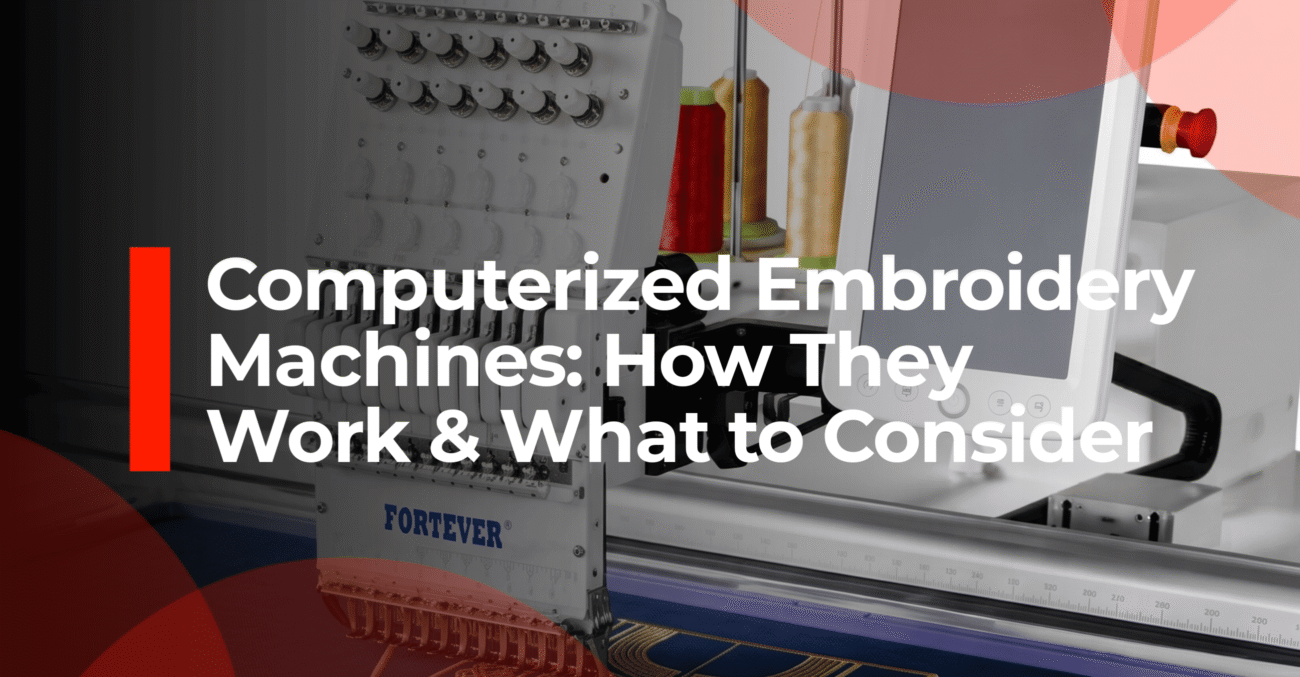
A modern computerized embroidery machine can allow you to load designs digitally, adjust stitch settings and manage embroidery patterns through an electronic interface. That convenience comes at a cost, but for businesses producing regularly, the time saved can matter just as much as the purchase price.
If you’re unfamiliar with the basic workflow, this guide explains how an embroidery machine works, from preparing the fabric and hoop to loading a digital pattern and starting the stitch process.
Other factors include:
- Number of embroidery heads
- Number of needles
- Maximum embroidery area
- Stitching speed
- Built-in design functions
- USB or digital file compatibility
- Brand and spare-parts availability
- New versus used condition
- Dealer support and warranty
So, two machines advertised simply as an embroidery machine may have very little in common beyond the name.
What Type of Embroidery Machine Should You Buy?
A beginner does not necessarily need an expensive industrial setup. If your business mainly involves occasional names, logos or small designs, a smaller machine may be enough. For a business handling frequent customer orders, however, production speed becomes more important. This is where a commercial or industrial embroidery machine starts to make more sense.
It depends on how much embroidery work you expect to handle.
Entry-Level Machines
These are generally suitable for beginners, home-based businesses and fashion designers who are testing demand.
You might use one for:
- Names and monograms
- Small chest designs
- Caps and accessories
- Personalised garments
- Occasional customer orders
The attraction is obvious: lower upfront investment.
The limitation is production capacity. If orders suddenly increase, a small machine can become a bottleneck.
Single-Head Commercial Machines
A single-head commercial machine sits somewhere between a beginner setup and a full production operation.
It can be a sensible choice for a tailoring business that already has regular embroidery orders but isn’t ready for a large multi-head investment.
For many growing designers, this is arguably the point where capacity and affordability meet.

Fortever single head embroidery machine
Multi-Head Industrial Machines

Fortever multi head embroidery machine
Instead of embroidering one item at a time, several heads can work simultaneously. This makes these machines particularly useful for:
- Large fashion brands
- Uniform production
- Corporate embroidery
- Ready-to-wear businesses
- Bulk agbada orders
- Embroidery service businesses
The purchase price is much higher, of course. But if you have enough work, productivity can justify the investment.
Do You Need a Computerized Embroidery Machine?
Not always, but computerized machines are usually the better choice for businesses doing regular digital embroidery. Modern computerized embroidery machines offer greater control over digital designs and can make repeating complex patterns considerably easier. This is especially useful when working with customer logos, names, monograms and detailed African fashion designs.
However, don’t buy features simply because they sound impressive. If you rarely embroider and your orders are small, paying a premium for advanced production features may leave your capital tied up in equipment you barely use.
Can You Use an Embroidery Machine for a Tailoring Business?
Yes, but its suitability depends on the kind of tailoring business you run. An embroidery machine may be useful when you want sewing and embroidery capabilities in one setup, particularly for small-scale personalised garments. If embroidery becomes a major part of your business, though, a dedicated machine can offer better production capacity and workflow.
That distinction matters. A machine that works beautifully for ten customer orders a week may struggle when those orders become fifty. If you’re a beginner, here’s how you digitize an image for embroidery.
What Should Fashion Designers Consider Before Buying?
If you’re looking for an embroidery machine for fashion designers, don’t judge the machine by price alone.
Think about the work you actually do.
1. What will you embroider?
Agbada, kaftans, shirts, caps, uniforms and home décor may require different hoop sizes and machine capabilities.
2. How many orders do you receive?
Your current workload should influence your investment. There is little point buying a multi-head machine when demand is still uncertain.
3. Can you get spare parts locally?
A cheaper machine becomes expensive if a simple fault leaves it unused for weeks.
4. Who will operate it?
Computerized systems can be easier to manage once properly learned, but there is still a learning curve.
5. What about electricity?
Embroidery production depends on reliable power. Budget for your generator, inverter or other backup system alongside the machine.
6. Is the machine new or used?
A well-maintained used machine can reduce your initial investment, but inspect its condition carefully and confirm that replacement parts are available.
How Much Should You Budget for an Embroidery Business?
Your budget should include more than the machine itself.
| Expense | What to consider |
| Embroidery machine | Main equipment |
| Digitizing | Converting artwork into embroidery files |
| Threads | Different colours and thread types |
| Needles | Machine-specific replacements |
| Hoops | Different embroidery sizes |
| Stabilizer | Supports fabric during embroidery |
| Power | Generator, inverter or other backup |
| Maintenance | Servicing and replacement parts |
| Computer | Useful for design preparation |
| Workspace | Table, storage and ventilation |
This is where new buyers sometimes miscalculate. They save enough to purchase the machine, then realize they have very little left for thread, stabilizers, maintenance or electricity.
Leave some working capital untouched.
Is an Embroidery Machine a Good Investment for a Tailor?
It can be, particularly if you already have customers asking for embroidery. An embroidery machine for tailoring business can create another revenue stream. Instead of sending embroidery work elsewhere, you can produce it yourself and potentially offer embroidery as a separate service.

Forterver table top embroidery machine
The calculation should be based on demand. If you spend ₦7 million on a machine and barely use it, the machine is an expensive ornament. If you have consistent orders and the machine helps you reduce outsourcing costs while increasing production, the economics look very different.
Before buying, estimate how many embroidery jobs you can realistically complete each month and how long it would take to recover the investment.
What Is the Best Embroidery Machine for a Fashion Designer?
A beginner working from home may be better served by a smaller, affordable machine. A designer producing regular agbada and kaftan orders may need a commercial single-head model. A business handling bulk uniforms or large production runs should look at multi-head industrial equipment.
The right machine is therefore the one that matches your workload, budget, garment types and growth plans.
Final Thoughts
The embroidery machine price in Nigeria varies widely in 2026, so choosing by price alone is risky. Start with your workload. Look at the embroidery area, speed, number of heads, available support and running costs. Then consider how quickly the machine could realistically pay for itself.
If your current orders don’t justify a large commercial machine, there is no shame in starting smaller. In fact, it may be the more sensible business decision.
Frequently Asked Questions
1. How much does an embroidery machine cost in Nigeria in 2026?
An embroidery machine can cost from around ₦3m for smaller entry-level models to several million naira for commercial and multi-head machines. The final price depends on the machine’s number of heads, features, brand, condition, embroidery area and production capacity.
2. What is the best embroidery machine for a tailoring business?
The best machine depends on your workload. A small machine may suit a beginner handling occasional monograms and personalized garments, while a single-head commercial machine can suit a growing business. High-volume operations may need multi-head industrial equipment for faster production.
3. Should I buy a new or used embroidery machine?
A used embroidery machine can reduce your initial investment, but only if it is in good working condition and has accessible spare parts and servicing. Before buying, inspect stitch quality, machine speed, thread trimming, embroidery accuracy and general mechanical condition. A low purchase price is not useful if repairs quickly erase the savings.