

Blog
Why Agbada Embroidery Is More Than Decoration — And How Digital Designs Are Keeping the Culture Alive

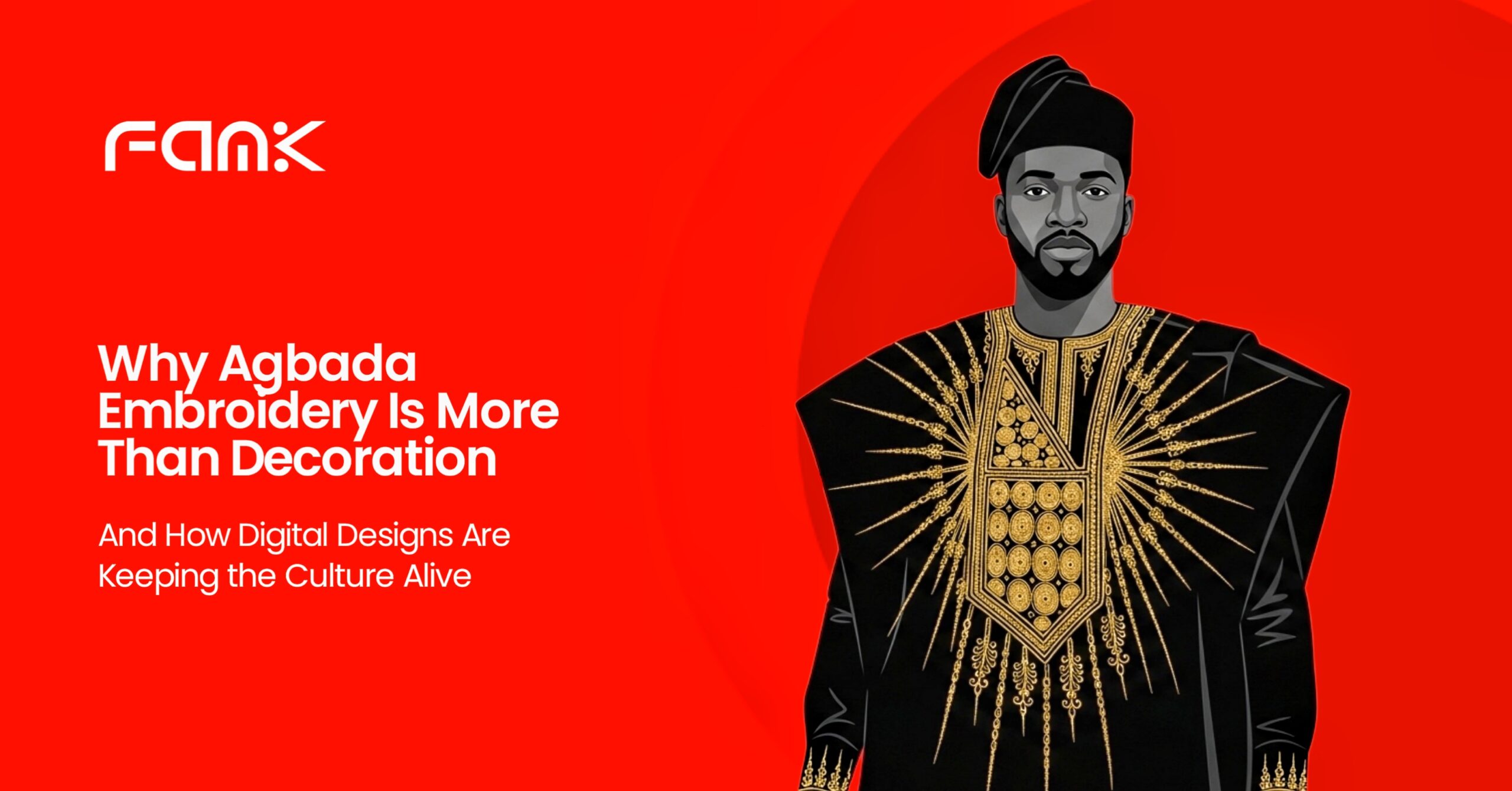
Agbada embroidery serves a greater purpose than making your attire look good. The reality is that the colors you choose, patterns, and embroidery styles all have different meanings. For example, when someone wears an embroidered agbada to a chieftaincy meeting, you can tell his status without him saying a word.
When a Nigerian man gets married and wears a white agbada with a gold design, he shows happiness, celebration, wealth, and many other things. Although the history behind this beautiful craft is centuries old, the artisans behind it are slowly dying with no new skilled artisans taking their place. However, technology, especially digital embroidery, can help save this tradition.
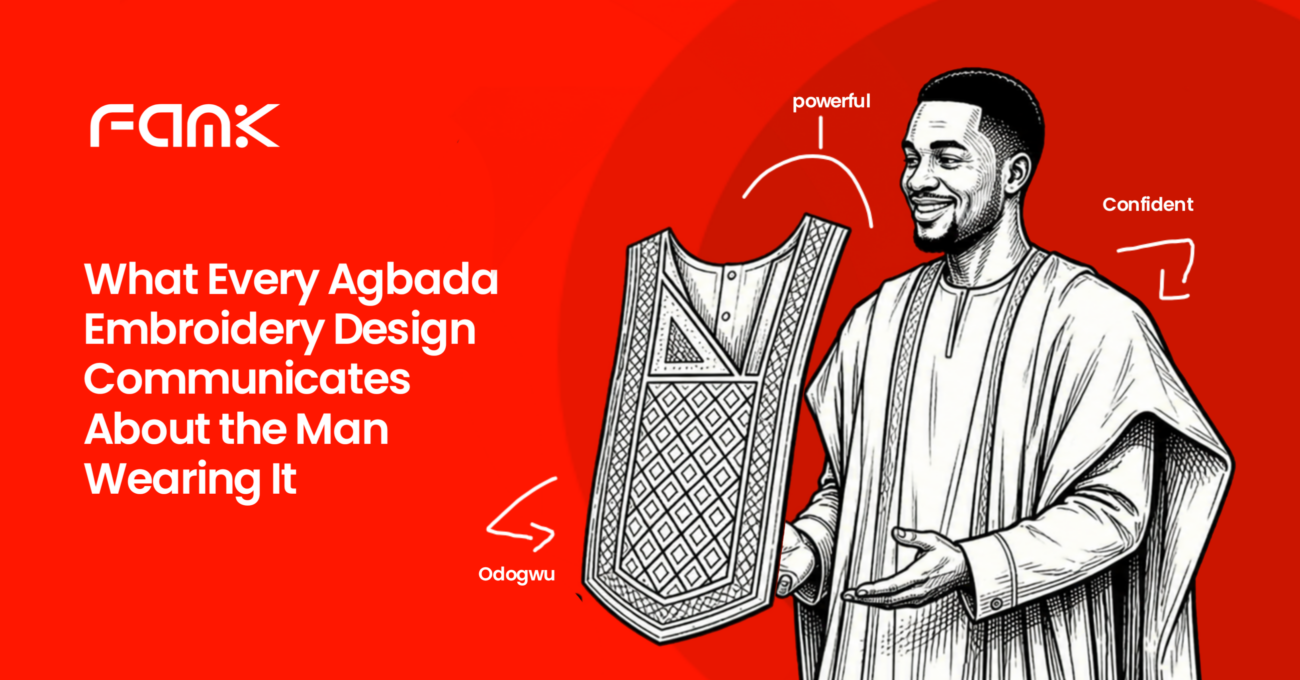
What Your Traditional Agbada Embroidery Says About You
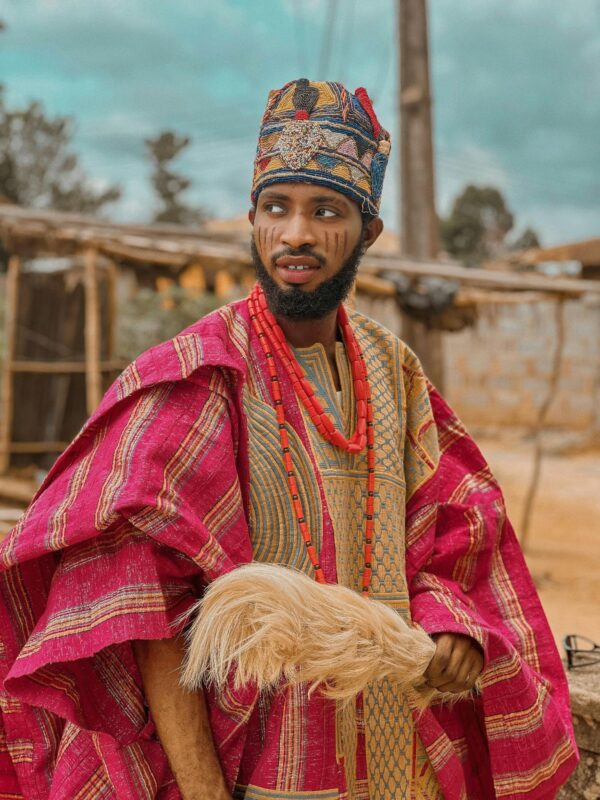
Did you know that certain embroidery patterns actually mean something in West African culture? The information might not be spoken but is mostly known by everyone who shares the same heritage. For instance, certain geometric patterns are associated with certain tribes, family lineage, or even where someone is from. Some colors represent events, for example, white and gold are used for celebrations.
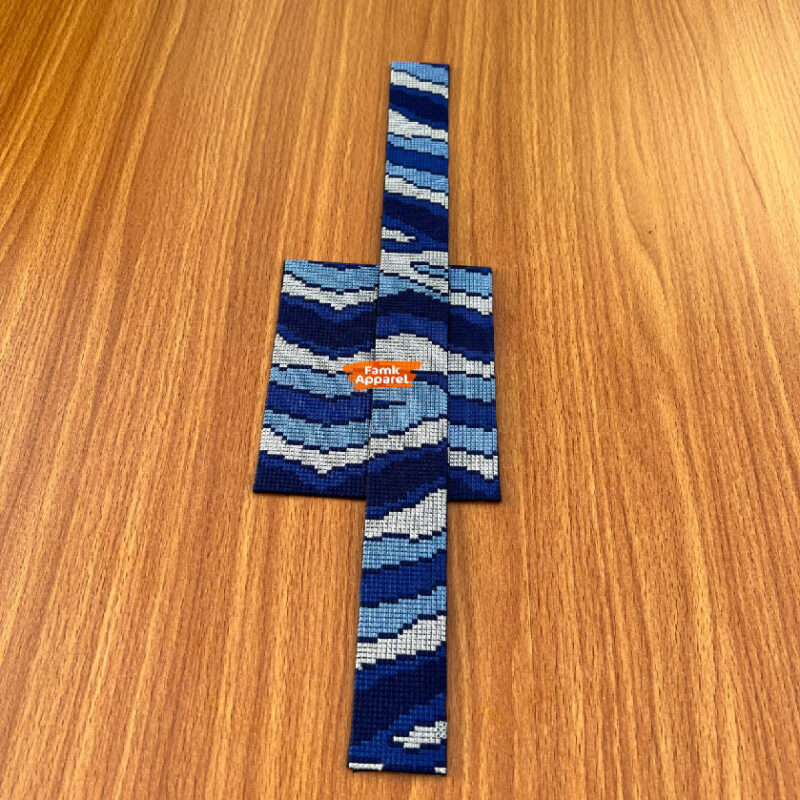
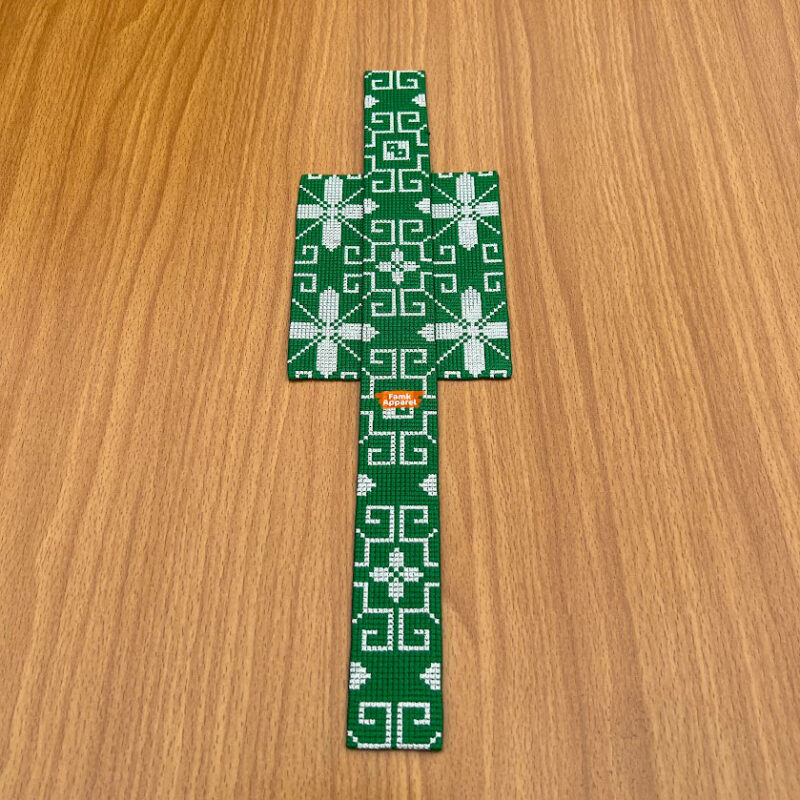
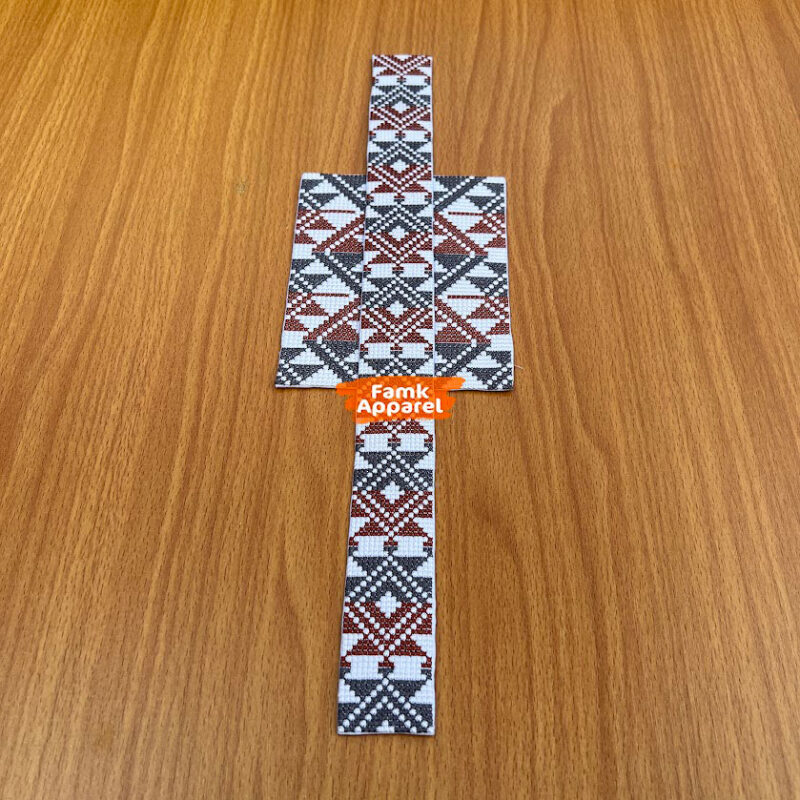
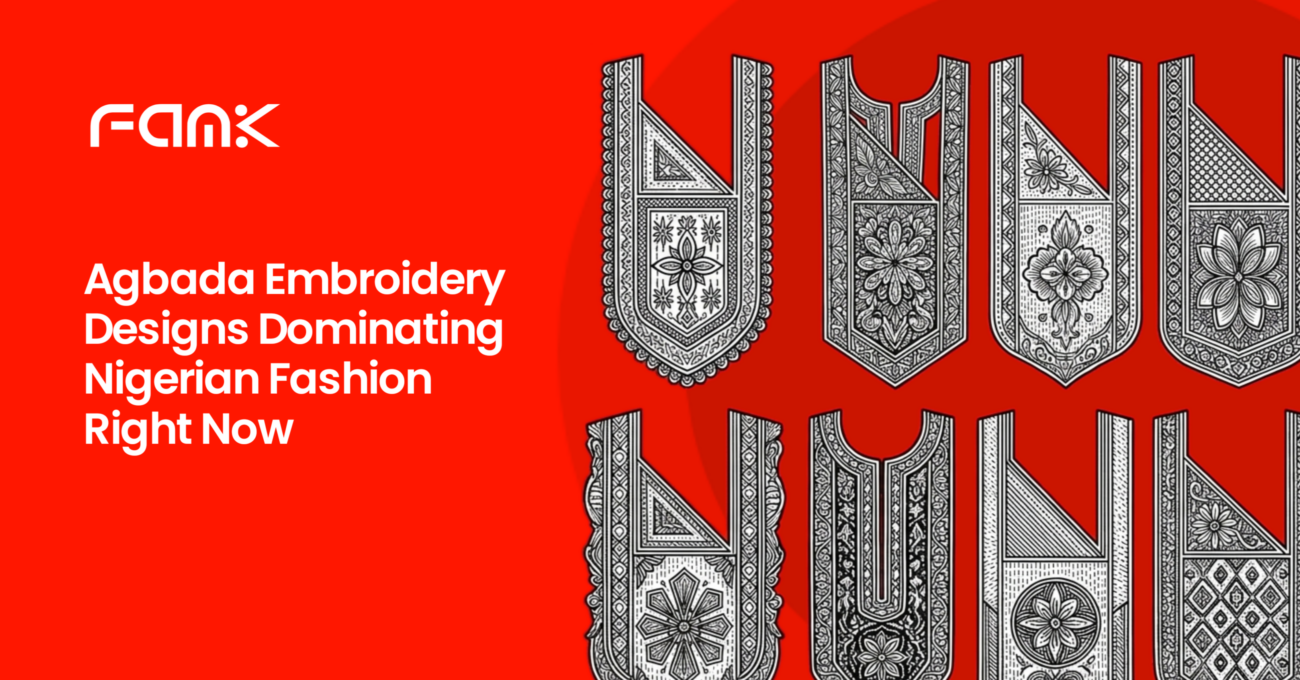
A traditional agbada embroidery
Blues are mostly known for showing authority or dignity when worn, and burgundy shows power. The placement of embroidery on an agbada also plays a significant role. Embroidery around the chest allows for a focus on the face and voice of the wearer. Embroidered pocket flaps show how much detail the wearer is willing to put into showing off their wealth. Sleeves with embroidery show action.
Why Nigerians Wear Gold and White Agbada for Weddings
Many Nigerian couples wear white gold agbada attire because they speak happiness and celebration. White is known to represent purity and new beginnings for most West Africans. Gold is known to represent wealth, blessings from God, and abundance. When you wear a white agbada with gold design you not only stand out, but you bring in positive energies that are associated with weddings. This color combination goes along with every tribe in Nigeria and can be worn for any religious wedding.
Modern vs Traditional Agbada Embroidery Designs
The biggest difference between modern agbada embroidery designs and traditional ones would be the details and colors used to create these beautiful masterpieces. Traditional agbada embroidery consisted of simple designs, usually depicting geometric or simple pictures of nature. They used no more than two or three colors per embroidery. Modern embroidery, on the other hand, is not only detailed but also uses amazing colors. You will find things like color gradients, realistic pictures, and Western modern culture mixed into the designs. Technology has allowed them to include details you would have thought were not possible to achieve with embroidery. Some details include drop shadows, color grading, and symmetrical designs that are too difficult to create if done by hand.
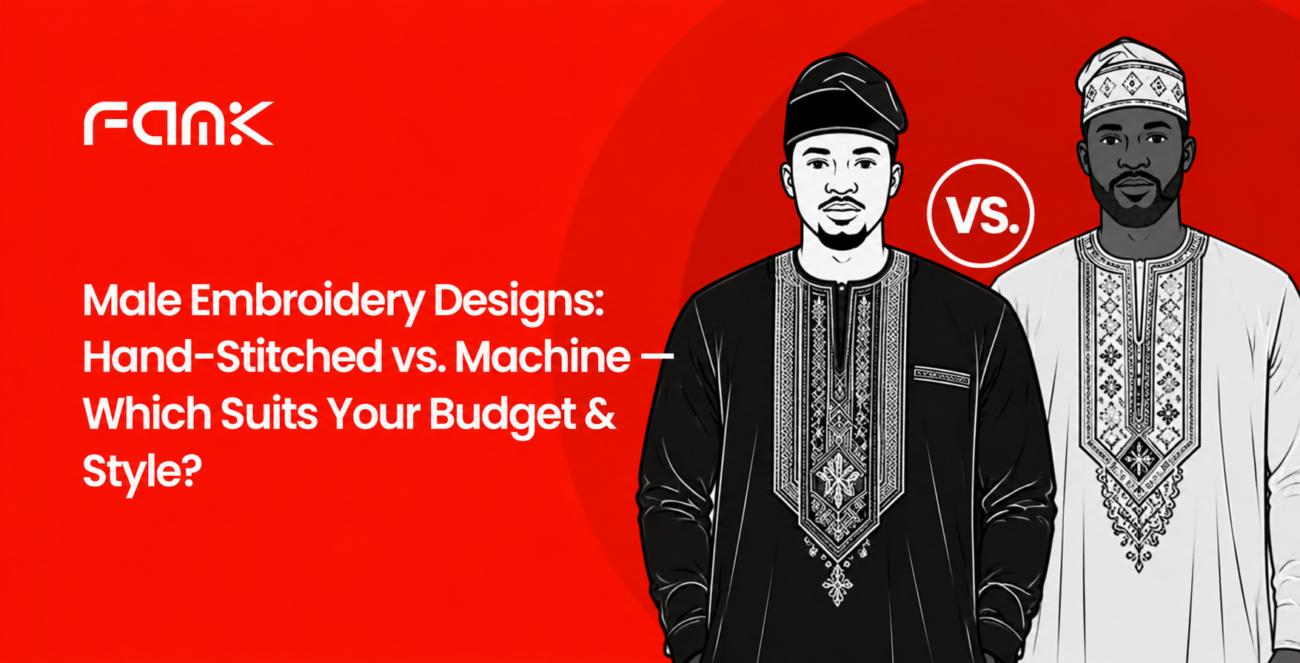
Is Hand-Sewn Agbada Better Than Machine Embroidered Ones?
It depends on what you want. Whether you want artistic luxury, practicality or precision. The biggest difference between modern agbada embroidery and traditional would be the details and colors used to create these beautiful masterpieces.
Traditional agbada embroidery consisted of simple designs, usually depicting geometric or simple pictures of nature. They used no more than two or three colors per embroidery. Modern embroidery, on the other hand, is not only detailed but also uses amazing colors.
You will find things like color gradients, realistic pictures, and Western modern culture mixed into their designs. Technology has allowed them to include details you would have thought were not possible to achieve with embroidery. Some details include drop shadows, color grading, and symmetrical designs that are too difficult to create if done by hand.
Digital Preservation of Ancient Agbada Embroidery
When digital embroidery first started, many people thought it was the death of traditional agbada embroidery. What happened was just the opposite. Digital preservation of the agbada allowed elderly artisans to digitize their patterns, allowing that knowledge to be passed on after their death.
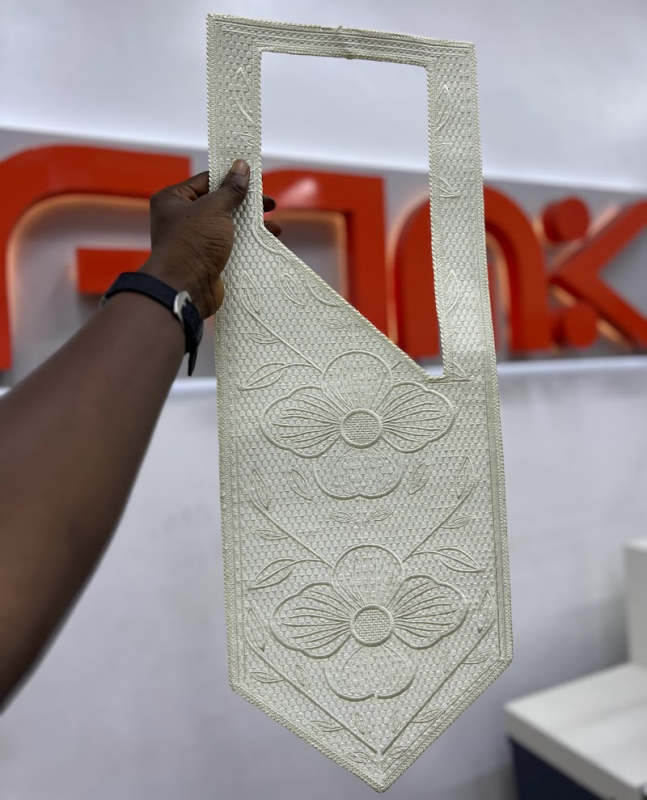
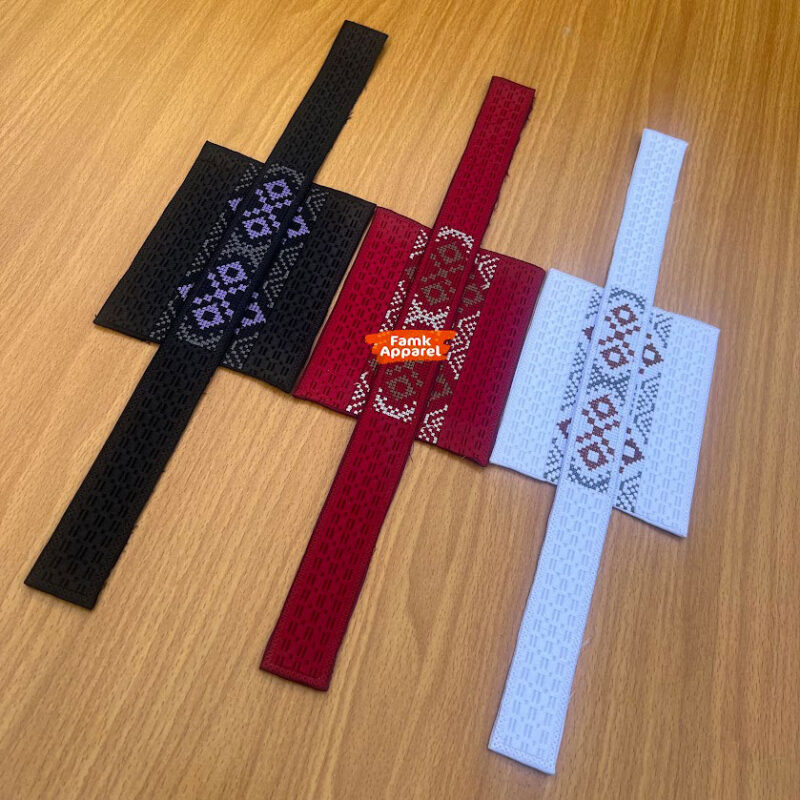
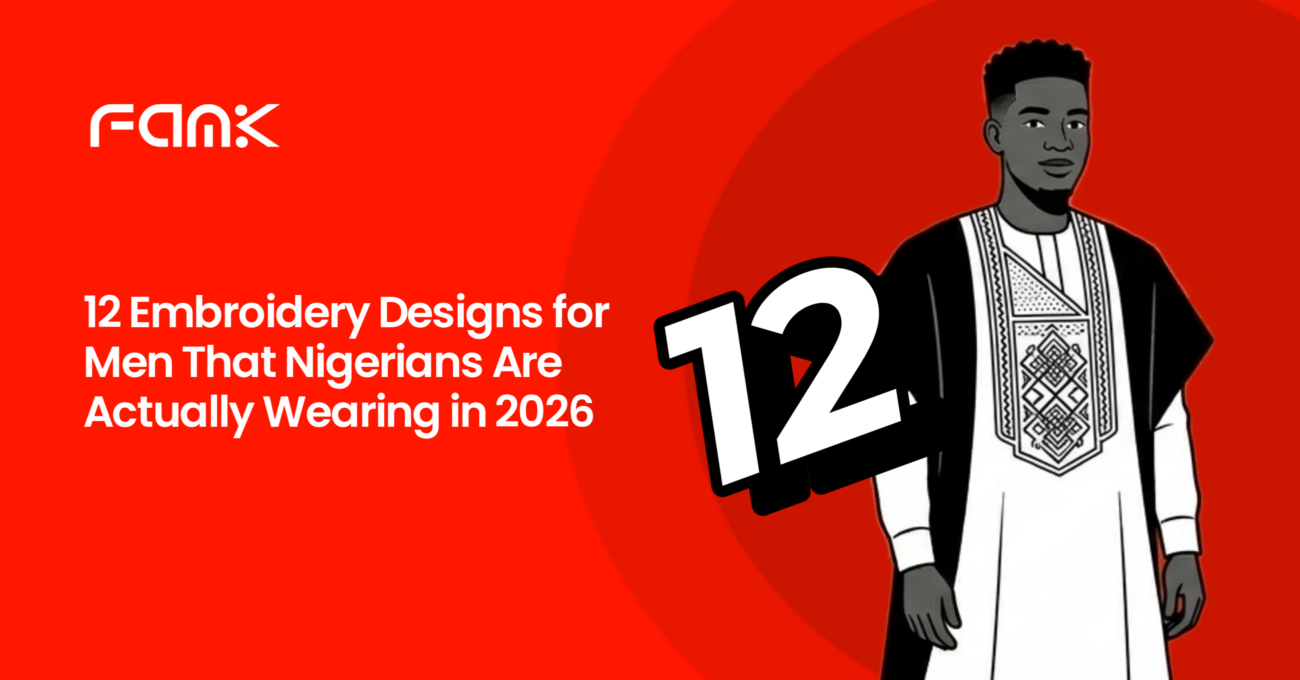
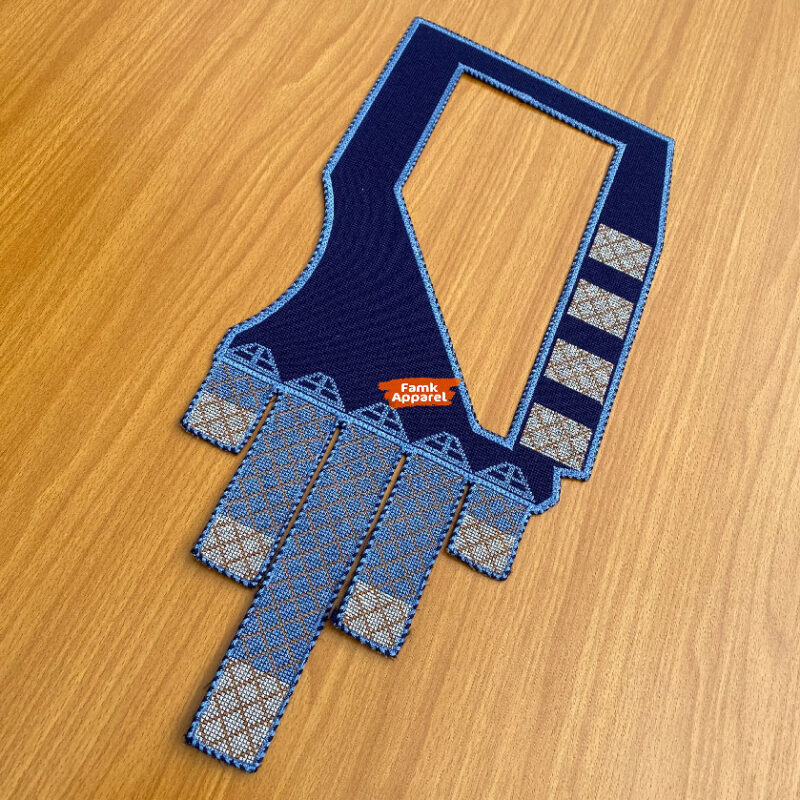
Agbada embroidery cape
Digital archives allowed young designers to learn about old ancestral embroidery that they can use to create modern looks. Since machine embroidery isn’t as expensive as hand embroidery, people who may not be able to afford custom embroidered agbada before can now participate in this great tradition. Even Africans abroad can have authentic agbada embroidery designs sent to them anywhere in the world!
Agbada Embroidery Trends For The Future
The future of agbada embroidery is very bright as technology continues to get better. Agbada embroidery has been seen on famous runway shows, incorporating traditional West African embroidery. The internet has allowed African natives and those in the diaspora to collaborate on some of the most amazing modern looks. As technology continues to get better, who knows? Maybe AI can learn these patterns and help save some that may be dying out. Digitally-made and hand-sewn embroidery will always be two completely different things, but if we use one to preserve the other, we can make sure these traditions don’t disappear.
Wrap Up
Agbada embroidery is much more than just decoration; it tells a story. Each stitch represents hundreds of years of history. As the world moves towards digitalizing everything, we have found a way to preserve the history of our ancestors. Yes, machines are embroidering these designs, but each design was digitized by someone who had the knowledge of what these patterns mean. So the next time you choose that perfect white agbada with gold design for your wedding, remember you’re not just preserving your own culture, you’re preserving history. Learn more about our agbada embroidery at FAMK Apparel.