
Blog
Digital Embroidery Machine: What Fashion Brands Must Know Before Buying

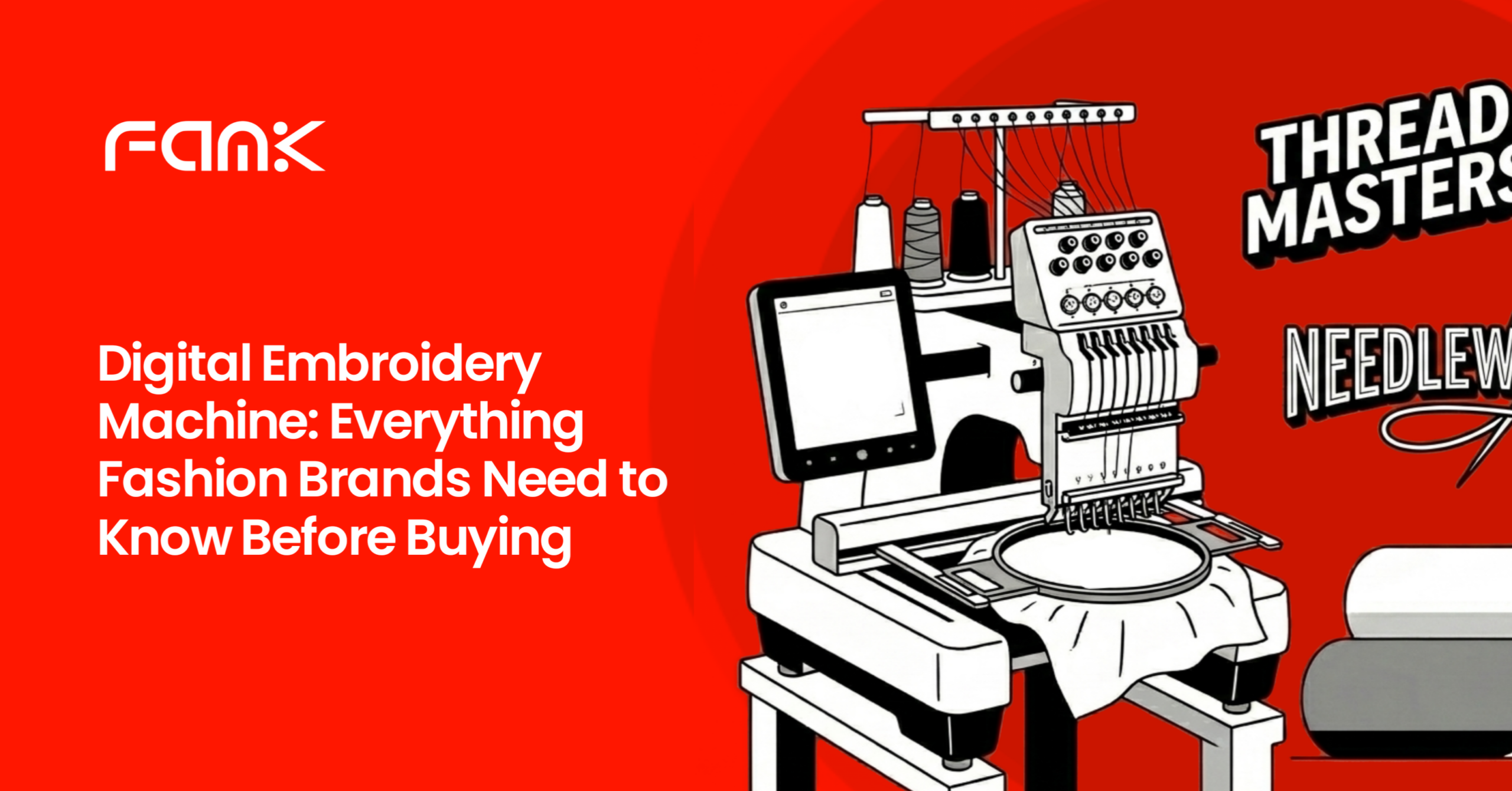
A digital embroidery machine is a computer-controlled stitching system that reads design files and replicates them onto fabric with consistent precision. For fashion brands — particularly those producing agbadas, uniforms, branded apparel, or African cultural garments — it is one of the most important equipment decisions you will make. Buy the wrong machine and you are stuck with limited format support, poor output quality, and expensive downtime. This guide gives you the full picture before you spend a naira.
How Does a Digital Embroidery Machine Work?
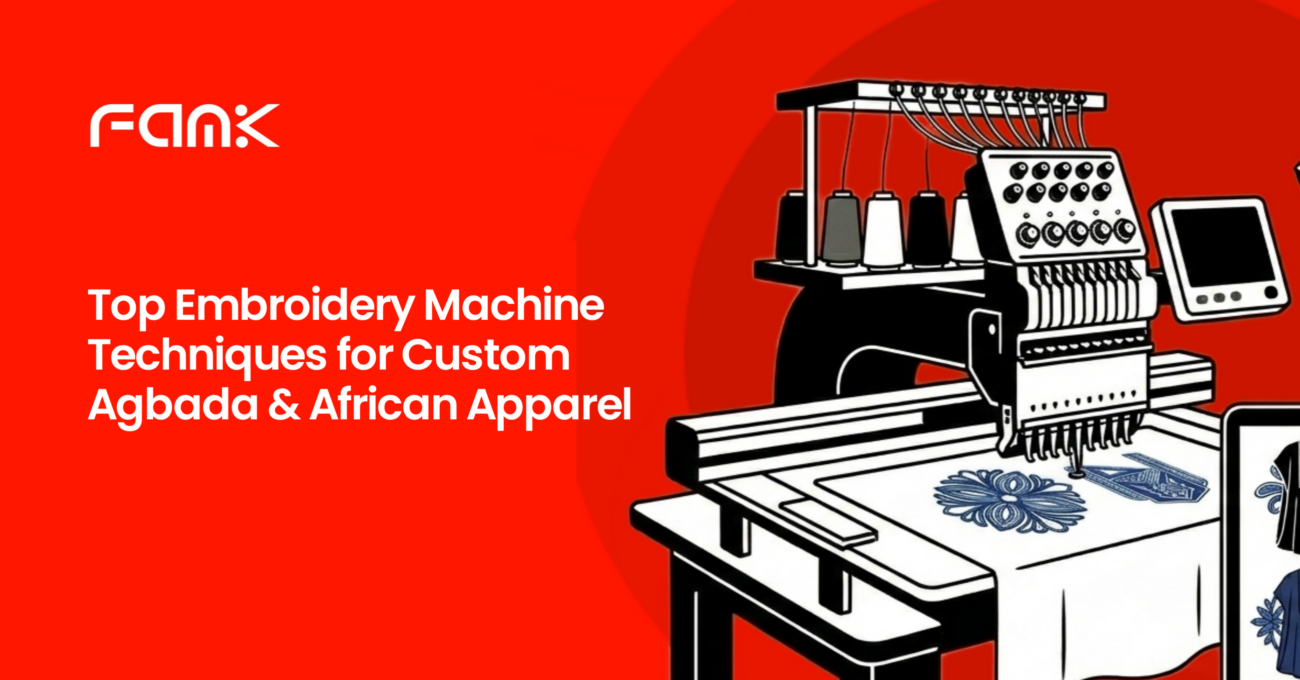
A digital embroidery machine works by reading an embroidery file, then translating its stitch instructions into mechanical needle movement across fabric stretched in a hoop. The machine follows a programmed path: stitch type, direction, density, thread colour, and trim commands are all encoded in the file.
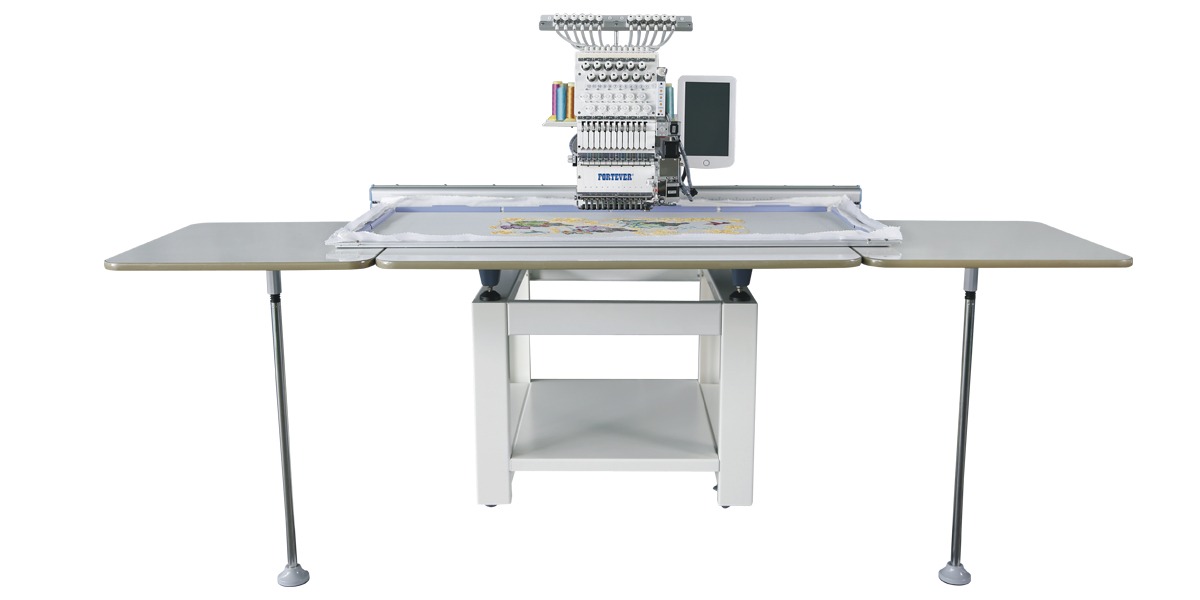
Fortever FT-1201 — Industrial single-head monogram embroidery machine
The quality of your output depends on two things equally: the machine’s mechanical precision and the quality of the embroidery file loaded into it. A well-built machine running a poorly digitized file will still produce bad embroidery. Both variables matter.
What Are the Main Types of Digital Embroidery Machines?
There are three machine categories fashion brands typically consider: single-head, multi-head, and commercial flatbed machines.
Machine type comparison:
| Type | Heads | Best For | Output Volume |
| Single-head | 1 | Small brands, sampling, custom orders | Low to medium |
| Multi-head | 2 to 20+ | Bulk production, uniform orders | High |
| Commercial flatbed | 1 (wide field) | Large garment panels, agbada chest pieces | Medium to high |
Single-head machines are the entry point. They are appropriate for brands doing custom one-off work or small batch runs. Multi-head machines are production tools — they stitch the same design on multiple garments simultaneously, which is the only way to make bulk embroidery commercially viable.
For Nigerian fashion brands producing agbadas and kaftans, a commercial flatbed with a large hoop capacity is often more relevant than a multi-head setup, because the chest panels and sleeve fields on African garments are wide.
What Embroidery Files Does a Digital Machine Need?
Every digital embroidery machine requires a brand-specific file format to operate. It cannot read a PNG, JPG, or PDF. Your design must be digitized into a stitch file before the machine can use it.
Common machine embroidery file formats:
- .DST — Tajima; the most universally accepted format across machine brands
- .PES — Brother machines
- .JEF — Janome machines
- .EXP — Melco and Bernina
- .XXX — Singer
- .EMB — Wilcom native; requires conversion for most machines
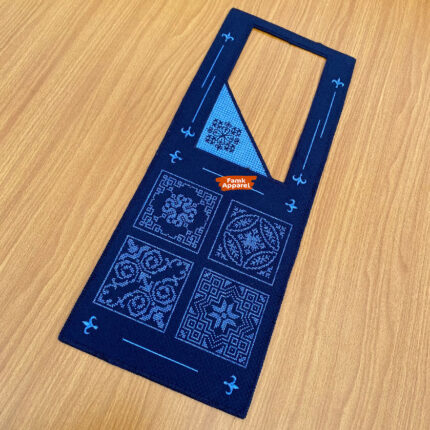
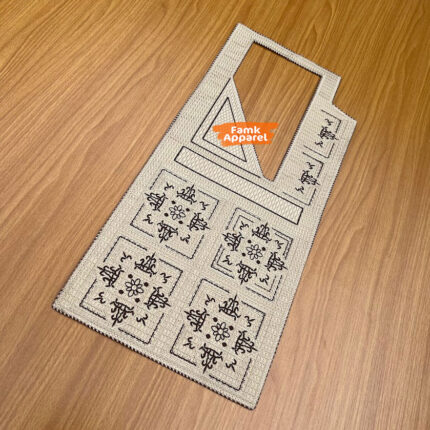
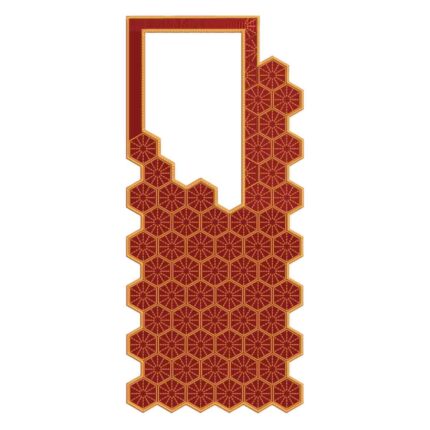
This is one of the most overlooked costs in embroidery production. Brands assume they can buy a design once and use it anywhere. In reality, a design purchased in .PES format is useless on a Tajima machine unless it is converted. Before buying any machine, confirm which formats it accepts and ensure your design library or digitizing partner can deliver in those formats.

What Can a Monogram Machine Actually Do?
A monogram machine is a digital embroidery machine configured specifically for lettering, initials, and personalised text designs. It is not a separate machine category — it is a single-head or multi-head embroidery machine loaded with monogram fonts and digitized letter sets.
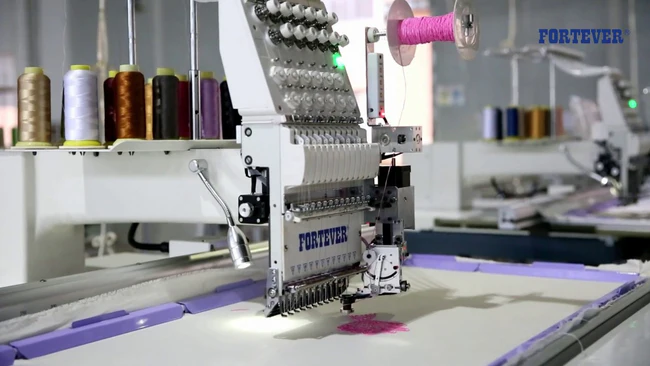
Fortever embroidery machine
What separates a capable monogram machine from a basic one is the quality of its built-in alphabet library, its minimum letter size accuracy, and its satin stitch density at small scales. Cheap machines struggle with lettering below 10mm in height — the stitches gap, the edges fray, and fine detail collapses.
What to look for in a monogram machine:
- Minimum letter height of 4mm with clean satin stitch output
- Built-in serif and sans-serif font options
- Support for custom alphabet uploads in your machine’s native format
- Hoop sizes that accommodate chest panel monograms (at least 300mm x 200mm)
For agbada monogram production specifically, chest panel sizing is critical. Most domestic machines cannot hoop a full agbada chest field without re-hooping, which creates alignment errors. Commercial machines with large tubular hoops or flatbed attachments solve this.
Should Your Fashion Brand Buy a Machine or Outsource?
Most fashion brands should outsource embroidery production before buying a machine. The economics only favour ownership at consistent, high-volume output — typically above 500 pieces per month.
Ownership makes sense when the following conditions are all true:
- You produce more than 500 embroidered pieces monthly
- Your designs are proprietary and you want production control
- You have trained operators and a maintenance budget
- You produce repeat designs that justify setup time
Outsourcing makes sense when:
- You produce variable designs across different garment types
- Your volumes fluctuate seasonally
- You want to offer embroidery without capital expenditure
- You need multiple file formats and design variations without in-house digitizing
The hidden costs of machine ownership — thread inventory, stabilizer stock, operator wages, maintenance, software licenses, and machine downtime — are consistently underestimated by brands making their first purchase. Outsourcing to a specialist partner converts those fixed costs into variable ones.
FAMK Apparel works with fashion brands and tailors across Nigeria as a full-service machine embroidery partner: supplying ready-to-use embroidery files, handling custom digitizing, and providing production consultation for brands at any scale.
Frequently Asked Questions (FAQs)
What is the best digital embroidery machine for beginners?
For beginner fashion brands, a single-head Brother or Fortever machine machine offers the best balance of reliability, format support, and approachable pricing. Avoid domestic home-use machines for garment production—they lack the hoop capacity, speed, and durability required for consistent commercial output.
How much does a commercial embroidery machine cost in Nigeria?
Commercial single-head machines typically range from ₦800,000 to ₦19,000,000 depending on brand, head count, and hoop size. Multi-head machines start significantly higher. Imported machines from China via platforms like Alibaba are cheaper but carry a higher maintenance risk and limited local technical support. Fortever Nigeria is a trusted local supplier of commercial embroidery machines with verified after-sales support.
Can I use any embroidery file on any machine?
No. Each machine brand uses specific file formats. A .PES file for Brother machines will not run on a Tajima (.DST) or Janome (.JEF) machine without conversion. Always confirm your machine’s accepted formats before purchasing or downloading design files.