
Blog
Digital Embroidery on Agbada: The Modern Nigerian Man’s Style Upgrade

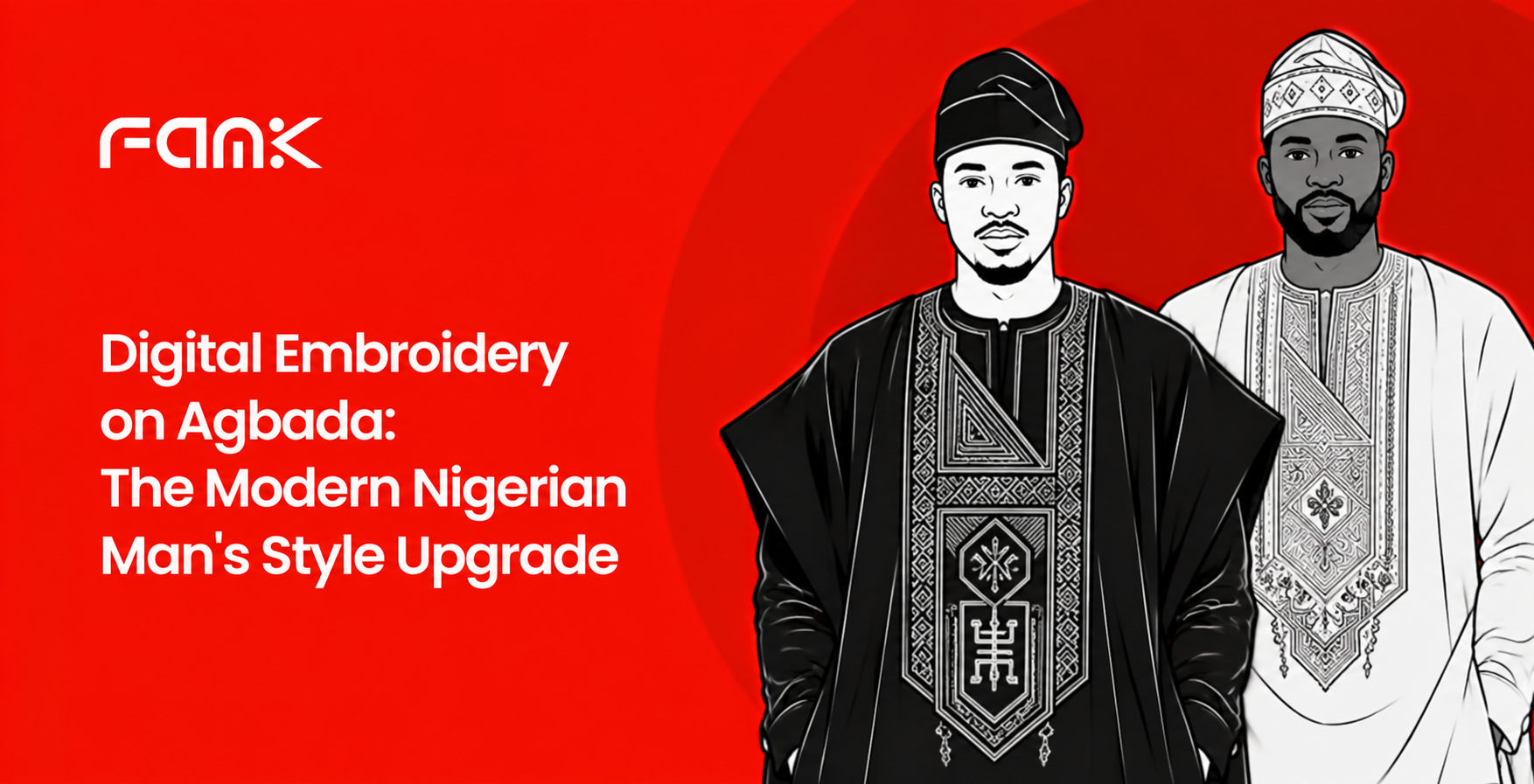
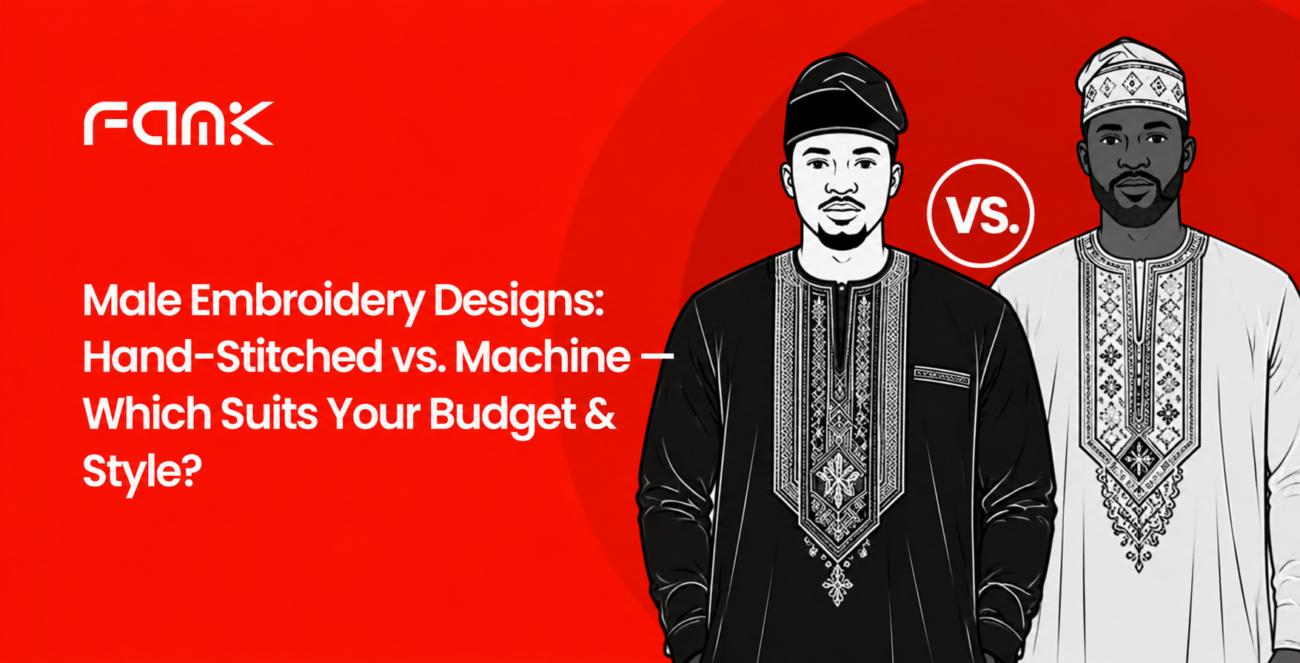
We keep having the same conversation lately. Someone asks what makes a piece look expensive without actually costing a small fortune, and honestly the answer isn’t the fabric half the time. It’s the stitching. Specifically, it’s whether that stitching was done by hand, by a basic machine, or by something newer that most people haven’t fully clocked yet: digital embroidery.
Let’s get into what that actually means, because the term gets thrown around loosely.
What Is Digital Embroidery, Exactly?
Digital embroidery is a process where a design is first drawn or mapped out in specialized software, stitch by stitch, essentially and then executed by a computer-controlled machine that follows that exact digital file with a precision no hand, and honestly no older mechanical embroidery machine, can quite match.
Every curve, every color transition, every tiny knot detail gets plotted before a single needle touches fabric. Which sounds clinical. It isn’t, really. The output can look every bit as rich as handwork, sometimes richer, because the software allows for density and shading effects that would take a human embroiderer weeks to replicate by hand.
Why Does This Matter for Agbada Specifically?
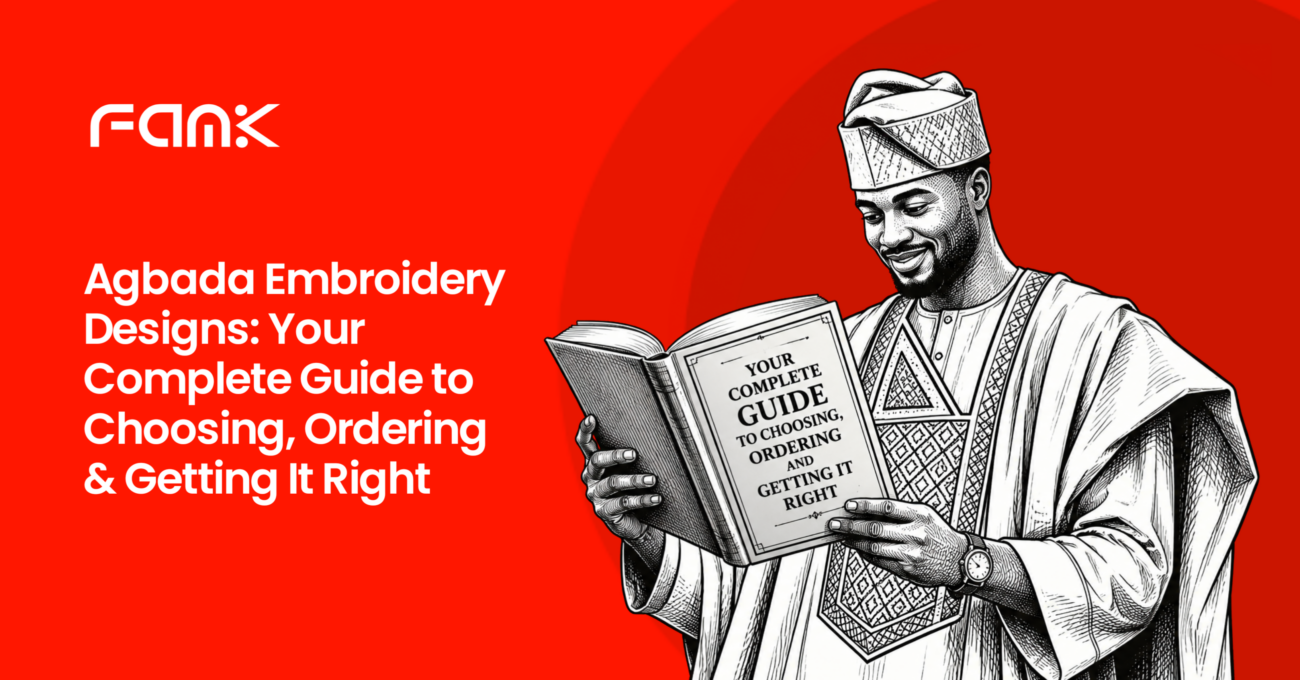
Agbada is unforgiving fabric real estate. There’s a lot of surface area, and traditionally, covering it in embroidery meant either paying for weeks of hand labor or settling for the somewhat flat, repetitive look of older machine embroidery.
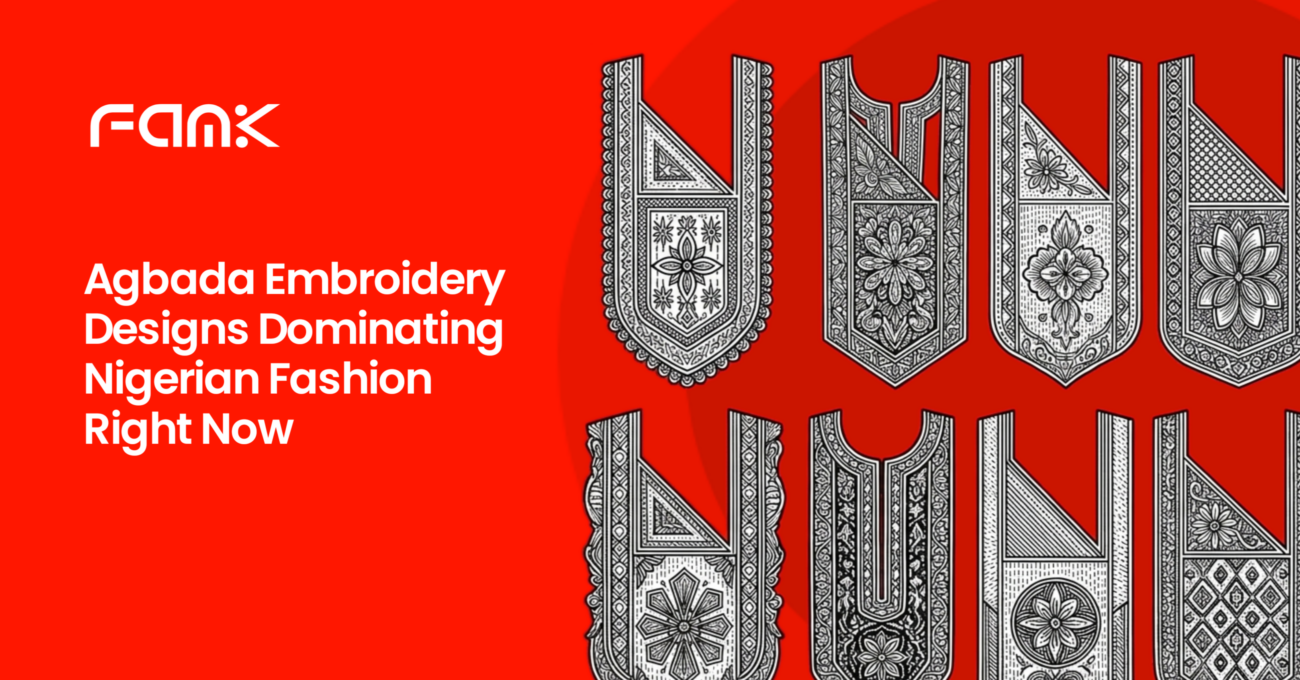
Agbada embroidery designs produced digitally solve both problems at once, more or less. The turnaround is dramatically faster, we’re talking days instead of weeks in a lot of cases and the design itself can be far more intricate. Think layered geometric motifs, gradient thread work, symmetrical panel patterns mirrored perfectly across both sides of the chest. That last part, the perfect mirroring? Genuinely difficult to pull off by hand. A digital file doesn’t get tired on the second sleeve.
There’s a cost angle too, though it’s not always a straightforward cheaper story. Complex hand embroidery on full agbada can run into significant money because of the labor hours involved. Digital work brings that down for equally complex designs but a very simple digital design might actually cost about the same as simple handwork. It’s the complexity-to-price ratio that shifts, not just the raw number.
Digital vs. Traditional: A Quick Side-by-Side
Some readers just want the comparison laid out plainly, so here it is.
| Factor | Digital Embroidery | Hand Embroidery | Older Machine Embroidery |
| Turnaround time | Days | Weeks | Days |
| Design complexity | Very high (gradients, mirroring) | High, but labor-intensive | Moderate, often repetitive |
| Cost for complex designs | Moderate | High | Moderate |
| Texture / dimensionality | Flatter, but precise. | Raised, tactile | Flat, uniform |
| Consistency across garment. | Extremely high | Varies by embroiderer | High |
Neither column is wrong, to be clear. Plenty of people still want the raised, slightly imperfect texture of hand embroidery; there’s a warmth to it that some digital work doesn’t fully replicate yet. But if precision and speed matter more than that tactile quality, digital wins pretty decisively.
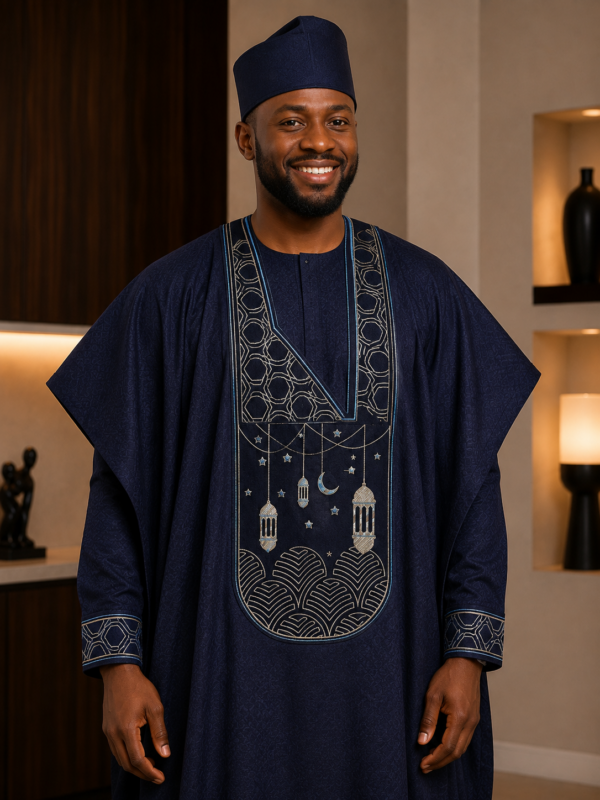
Curious what this looks like on an actual finished piece rather than a spec sheet? Browse FAMK’s digitally embroidered agbada collection to see the panel and mirroring detail up close.
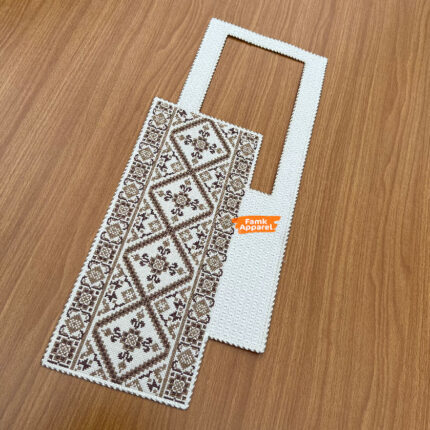
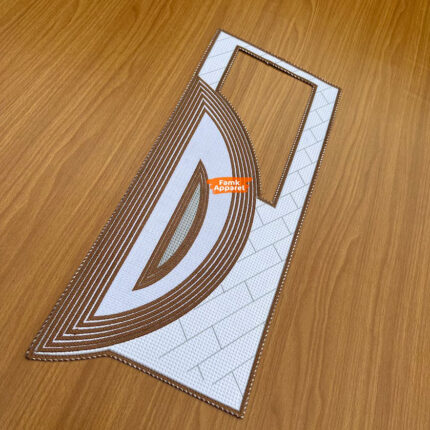

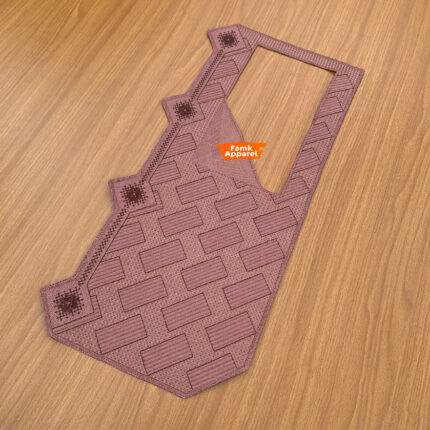
What Embroidery Styles Work Best With Digital Techniques?
Geometric and Ankara-inspired patterns translate almost perfectly to digital embroidery designs, because the software handles sharp angles and repeated symmetry without drift. Calligraphic or script-style motifs, increasingly popular for personalized pieces, also benefit, since digital mapping keeps lettering crisp at a scale hand-stitching struggles with.
Among broader embroidery styles, the ones leaning toward structure and repetition tend to be where digital genuinely outperforms, rather than just matches, traditional methods.
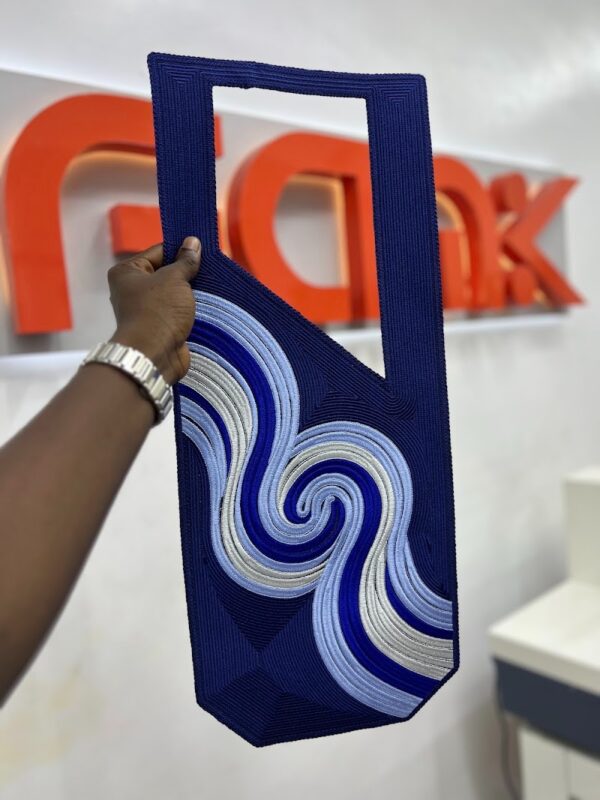
Is Digital Embroidery Considered Less “Authentic” Than Hand Embroidery?
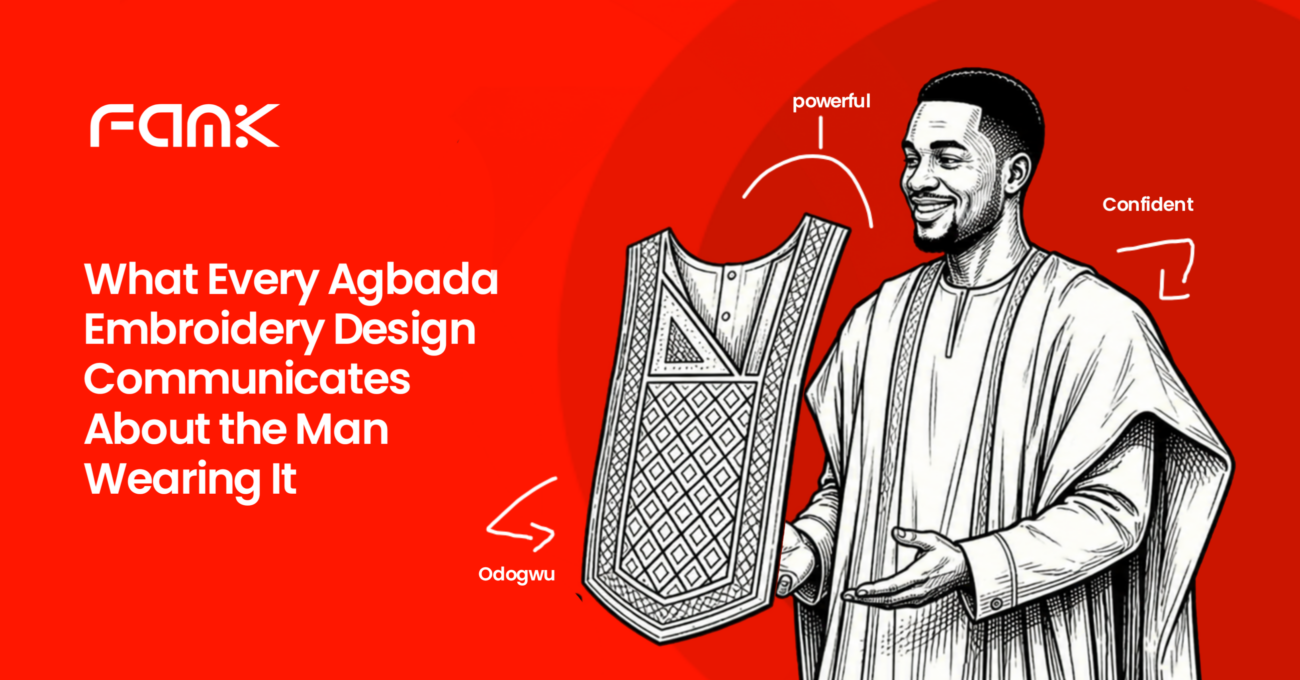
Authenticity in Nigerian embroidery has never really been about the tool; it’s been about the design language, the cultural symbolism and the occasion it’s made for. Digital embroidery still requires a designer who understands those motifs deeply—the machine executes, it doesn’t originate.
So calling it “less authentic” misses that the creative decisions are still entirely human. What’s changed is execution speed and precision, not the cultural substance behind the pattern.
Ready to move past the theory? Shop FAMK Apparel’s full range of embroidery designs for men and women. Every piece pairs traditional motif work with digital precision finishing.
What is digital embroidery and how is it different from regular embroidery?
Digital embroidery uses software to map a design stitch-by-stitch before a computer-controlled machine executes it, unlike hand embroidery, which relies entirely on manual technique. This allows for higher precision, faster turnaround, and more complex patterns like gradients and mirrored symmetry that are difficult to achieve consistently by hand alone.
Is digital embroidery on agbada durable?
Yes, generally. Agbada embroidery designs produced digitally use tightly controlled stitch density, which often makes them more resistant to fraying than looser hand-stitched work. Durability still depends on thread quality and fabric choice, so it’s worth confirming both before ordering a full agbada piece from any provider.
How long does digital embroidery take compared to hand embroidery?
Digital embroidery typically takes days rather than weeks, since the machine follows a pre-mapped design file without needing rest breaks or manual pacing. Hand embroidery on a full agbada, by contrast, can take several weeks depending on design complexity and the embroiderer’s schedule.
Can I get a custom digital embroidery design made for my agbada?
Yes. Most digital embroidery specialists, including FAMK, can convert a custom motif, family crest, or personalized pattern into a digital file before production. This usually adds a short design phase upfront but doesn’t significantly extend total turnaround compared to standard digital embroidery designs.