

Blog
Embroidery Designs for Men: How to Pick the Right Pattern for Your Native Wear

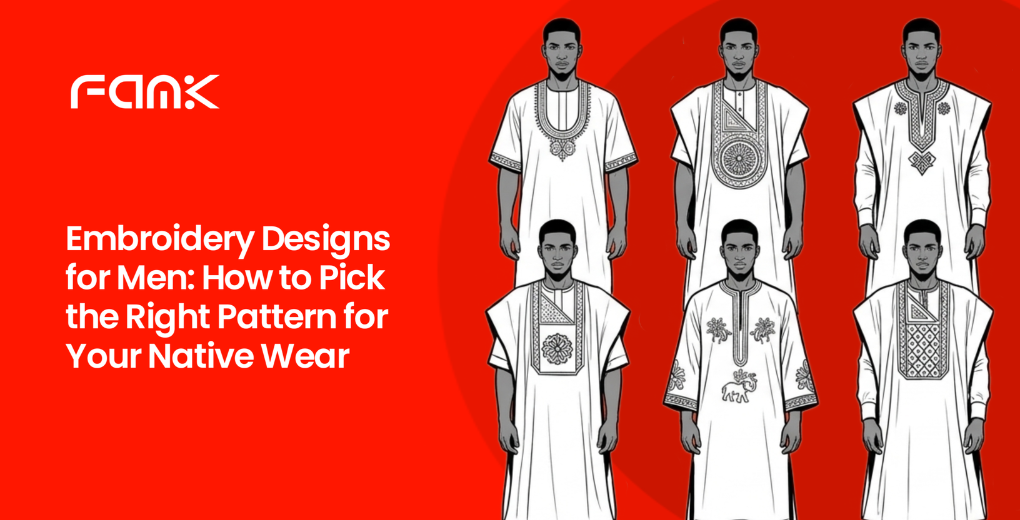
Most men pick embroidery the way they pick a phone case—whatever looks good in the picture. It works until it doesn’t. Until the design that looked sharp on screen arrives puckered on Guinea brocade, or the pattern that suited an agbada chest panel looks completely lost on a kaftan collar. Embroidery designs for men are not interchangeable across garments. The right pattern on the wrong garment is still the wrong pattern.
Here is how to think through this properly before you commission anything.
Why Garment Type Should Come Before Design Choice
The instinct is to find a design you love and then figure out where to put it. That instinct produces a lot of disappointing outcomes.
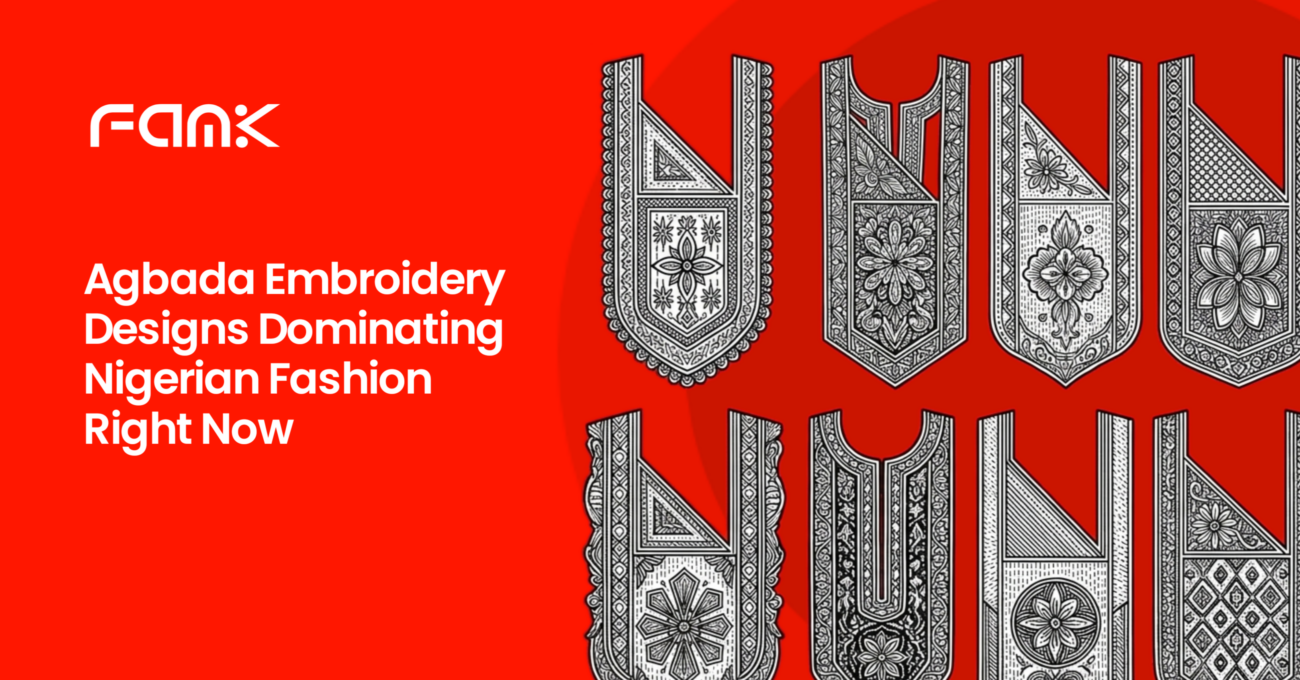
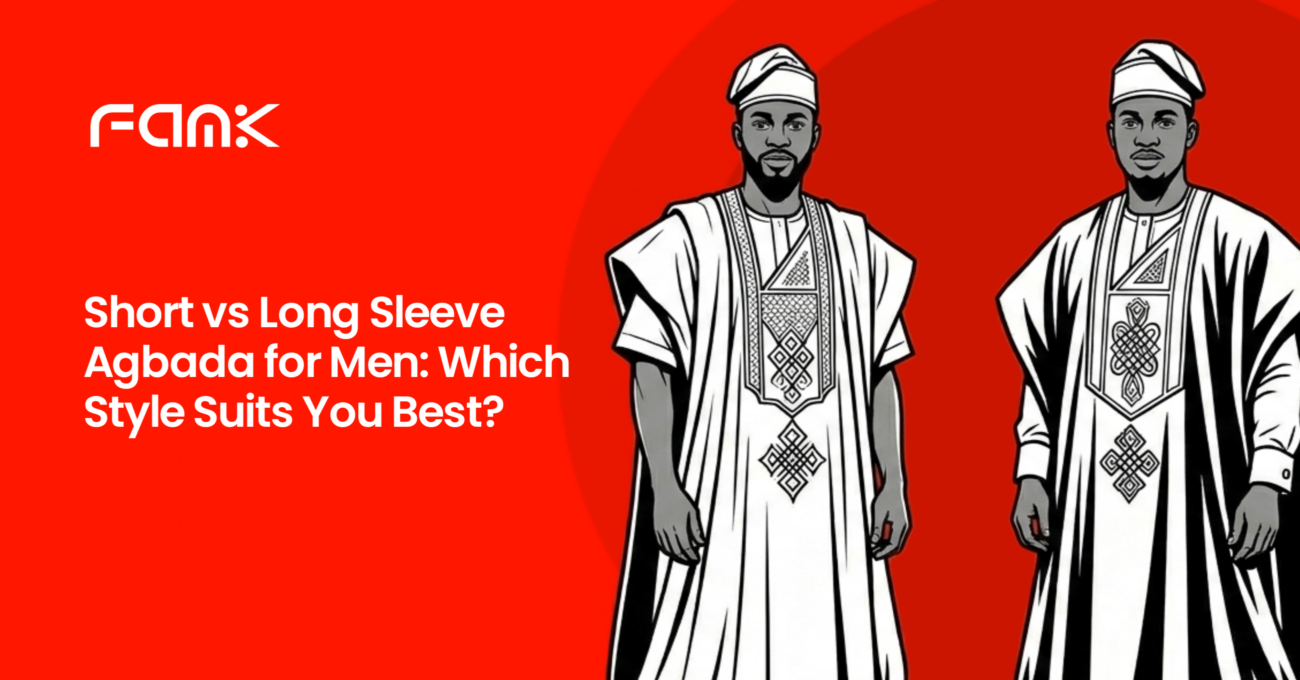
Different garments demand different design logic. Agbada embroidery designs work at a larger scale because the chest panel is wide, the fabric layers add visual depth, and the outer robe creates physical distance between the garment and the viewer. A design needs to read from across a room. That naturally pushes toward bolder, denser work—medallions, arabesque borders, full monogram panels, 3D puff.
Kaftan embroidery designs work differently. One visible layer, tighter dimensions, and closer proximity to whoever you are talking to. Scale drops. Precision matters more than volume. A design that commands a full agbada chest panel would overwhelm a kaftan collar and placket. Same design. Different garment. Completely different result.
Get the garment type settled first. The design follows from there.
Agbada Embroidery Designs: What Actually Works
An agbada gives you the most embroidery real estate of any Nigerian native wear category. The question is not whether to embroider—it is how much and where.
For ceremonial occasions, the chest panel is the centrepiece. Monograms, royal medallions, heritage motifs, and 3D puff designs all sit here. If you are the celebrant, host, or a man whose role at the event carries weight, full chest panel coverage with gold or silver thread is the appropriate scale.
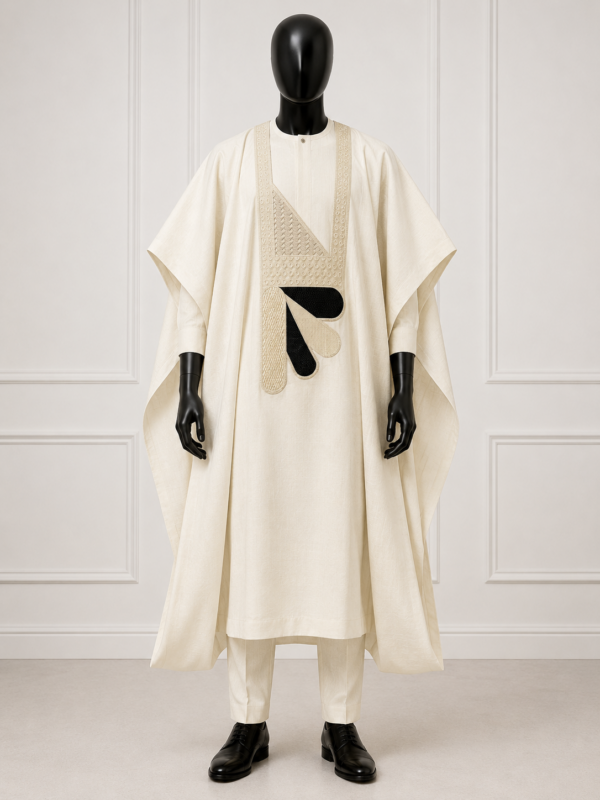
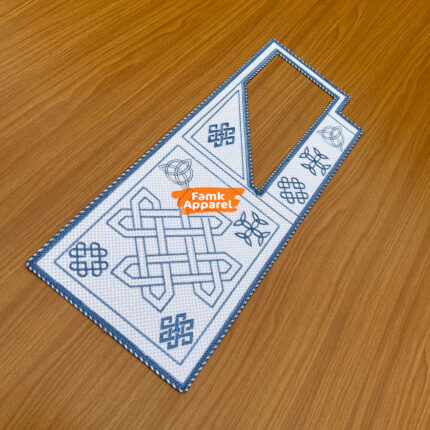
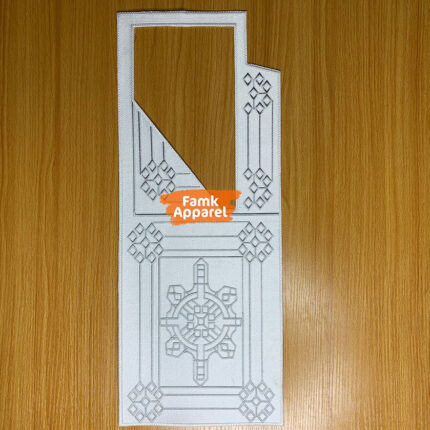
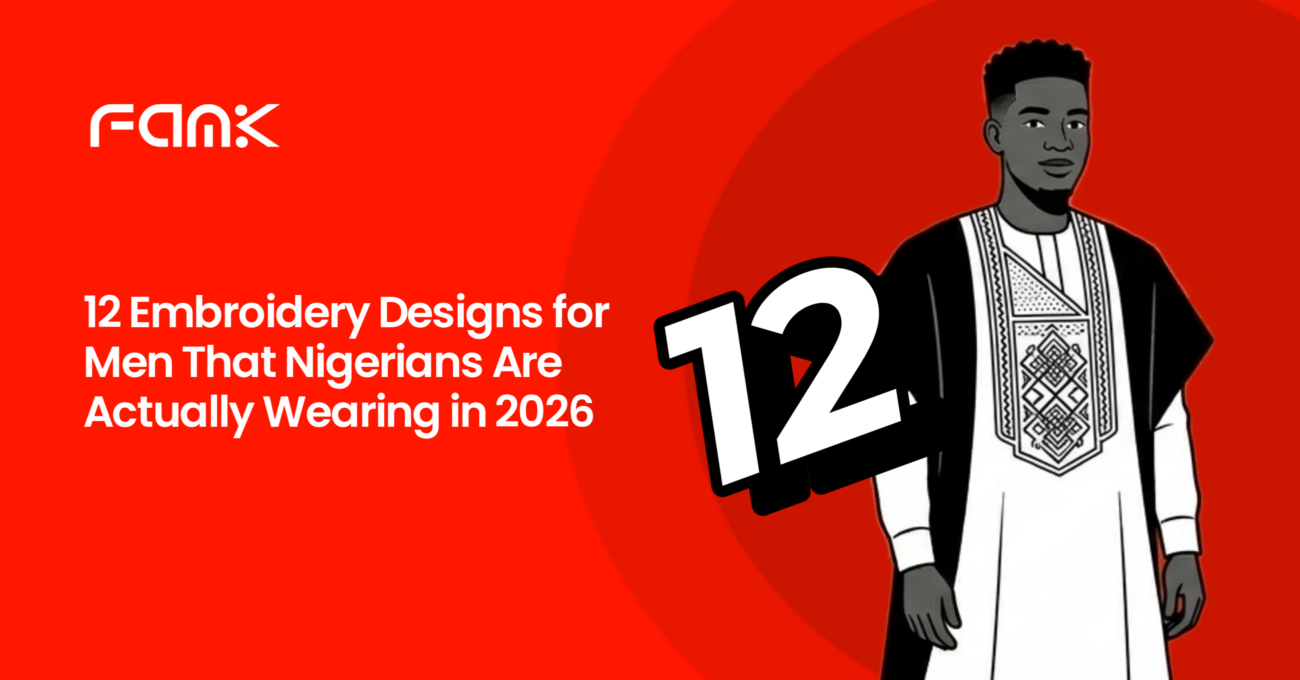
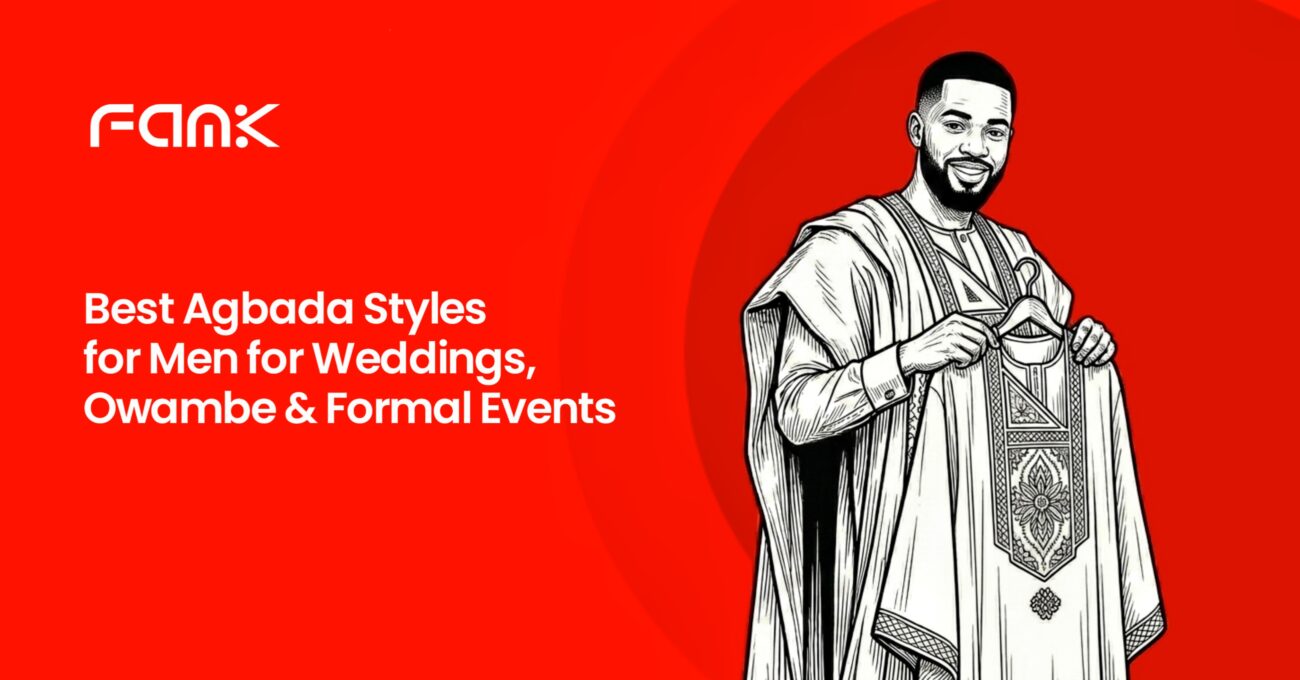
Agbada embroidery design for men
For guests, restraint reads better. A clean agbada embroidery design at the chest, maybe a border at the collar and sleeve hem, communicates intentionality without competing with the occasion’s focal points.
Where men consistently go wrong with agbada embroidery designs is over-embellishing a fabric that is already doing a lot of work. Heavy brocade with a dense full-panel motif can look cluttered rather than commanding. Know when to let the fabric speak.

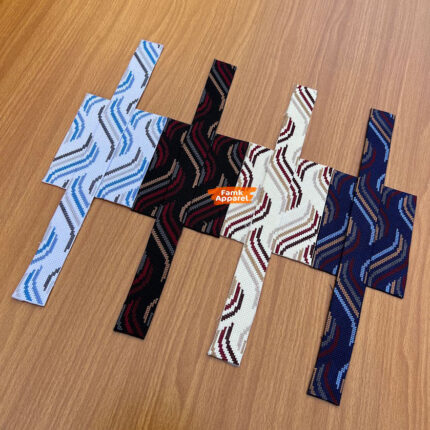
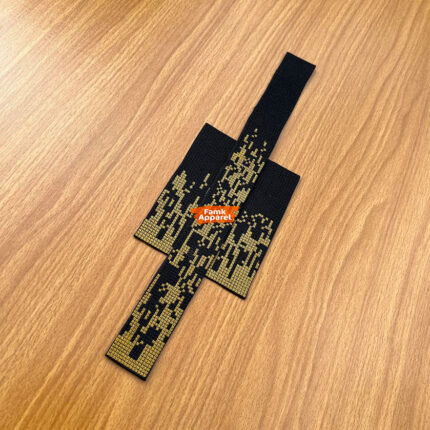

Kaftan Embroidery Designs: The Case for Restraint
There’s a version of kaftan embroidery designs that tries to replicate agbada-level coverage on a single-layer garment. It almost never works. The fabric surface is too exposed, the viewer too close, and every flaw in the digitizing too visible.
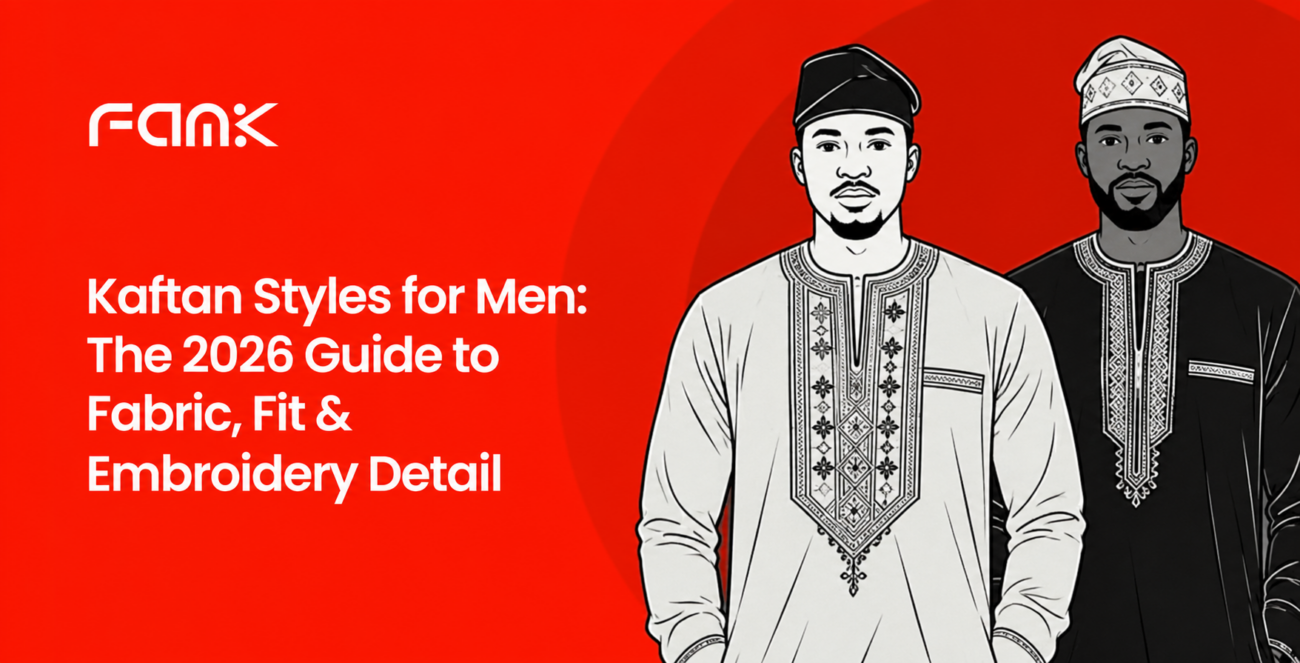
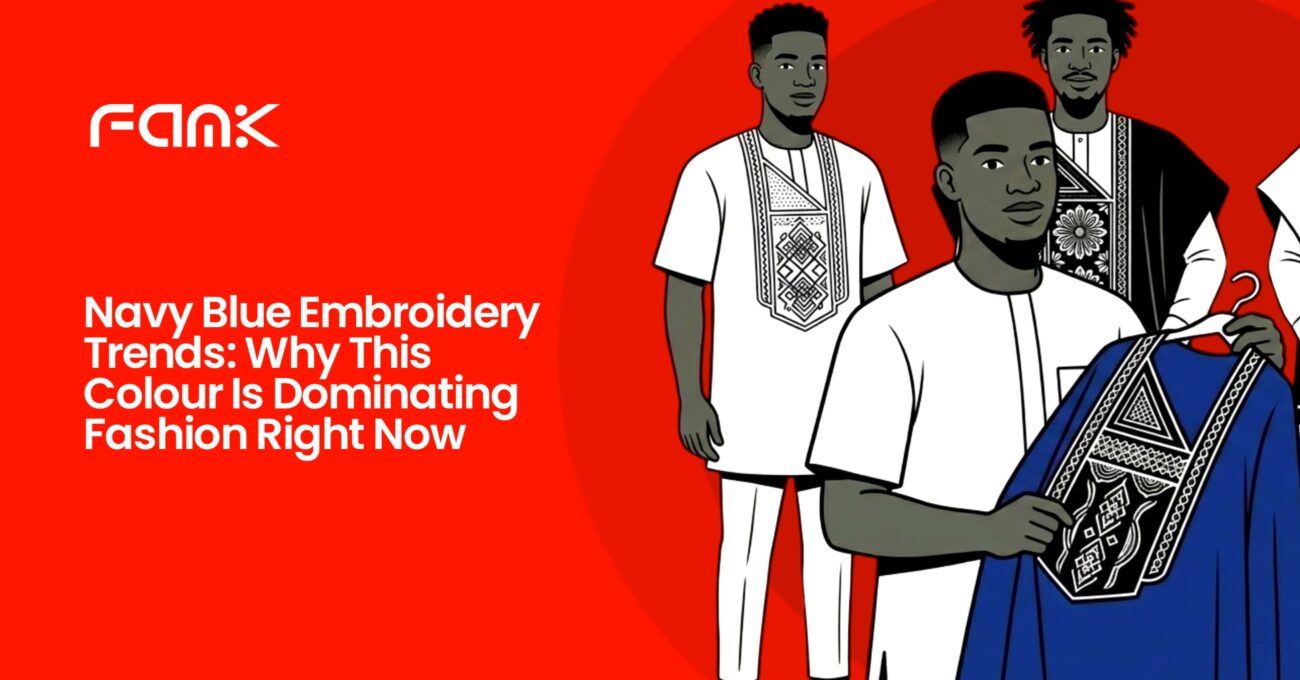
The kaftan rewards a different kind of embroidery thinking. Collar and placket borders that define the garment’s line. A single chest pocket motif—a monogram, a small crest, something with a focal point. Cuff accents on long kaftans that tie the look together without announcing themselves.
Tonal embroidery—thread colour matched to the fabric rather than contrasted—has been gaining ground in 2026 specifically because it works so well on the kaftan’s visible single layer. The texture is present without the colour contrast pulling too much attention.
Embroidery Designs on Clothes: The Placement Question
Beyond garment type, placement is the variable most buyers underestimate. Two men can order the same embroidery designs on clothes and end up with completely different results based on where the design sits and how it interacts with the garment’s structure.
A few principles worth keeping:
- Centre-chest placement on agbadas reads as formal and intentional. Off-centre placement can read unfinished unless it is very deliberately asymmetric.
- Collar and placket work on kaftans should follow the garment’s natural lines rather than fight them. Embroidery that cuts across the placket at odd angles looks like an error.
- Sleeve embroidery works best when it connects visually to collar or chest detail — isolated sleeve work with nothing to tie it back to the rest of the garment feels disconnected.
- Hem borders on long garments are most effective when the thread weight matches what is happening at the collar. A heavy hem border with a delicate collar stitch creates visual imbalance.
These are not rigid rules. But they explain why some embroidery decisions that look reasonable on paper feel off once the garment is worn.
How to Brief Your Digitizing Partner
Picking the right pattern is only half the decision. How you communicate it determines whether what arrives matches what you imagined.
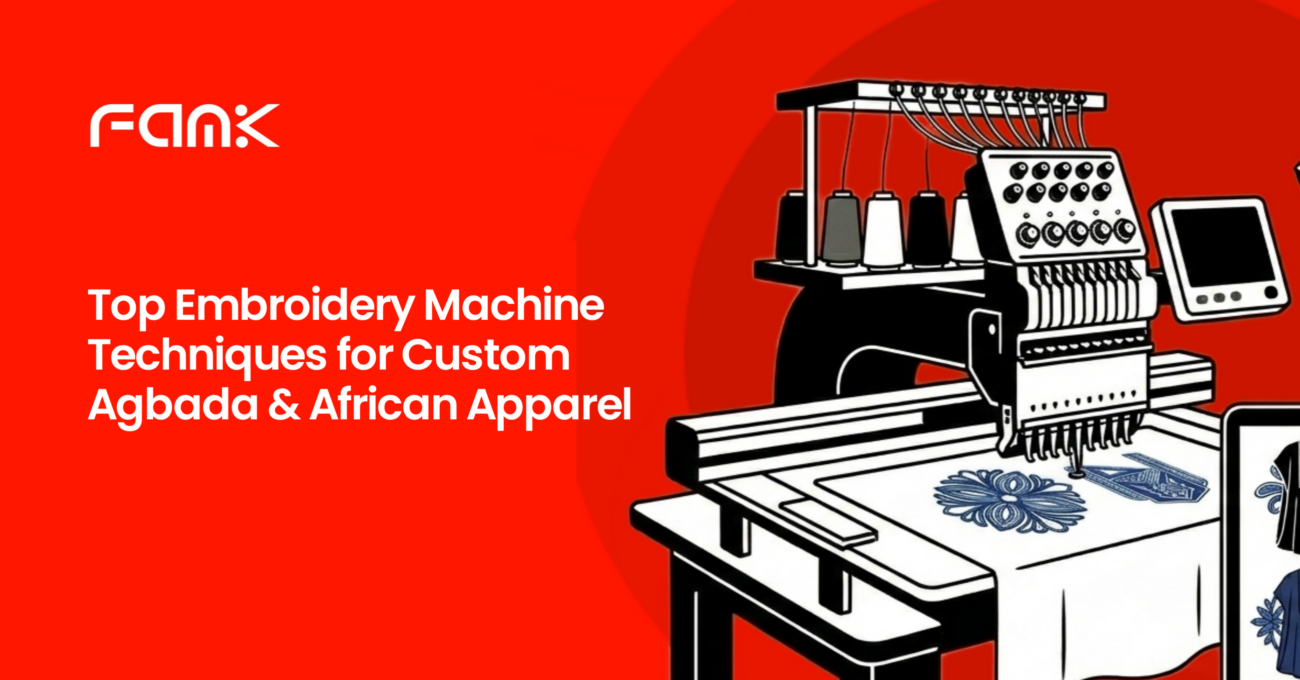
A useful brief includes: garment type and cut, fabric name and weight, placement on the garment, thread colour or colours, design reference or concept, and the occasion it is being made for. That last point matters more than most people realise. Embroidery designs for men made for a wedding ceremony should be digitized differently from the same design made for a corporate Aso-Ebi order — stitch density, scale, and finishing all shift based on how the garment will be worn and photographed.
At FAMK Apparel, we build the stitch file from your brief, calibrate it to your specific fabric and garment dimensions, and send a PDF proof before production begins. What you approve in the proof is what gets stitched. No surprises on the day that matters.
How do I choose the right embroidery design for my agbada?
Start with your occasion and your role at the event. Agbada embroidery designs for celebrants and hosts should fill the chest panel with bold, high-contrast work. Guest-appropriate designs sit lighter, with a clean monogram or border stitch without competing for the room’s attention.
Are kaftan embroidery designs different from agbada embroidery designs?
Yes, meaningfully so. Kaftan embroidery designs work at a smaller scale, focused on collar, placket, and chest pocket placement. The single visible layer means precision matters more than coverage. Agbada embroidery designs operate at a larger scale across a wider canvas and can carry bolder, denser work.
What does “embroidery designs on clothes” mean for native wear specifically?
Embroidery designs on clothes in the native wear context refers to digitized stitch patterns applied to agbadas, kaftans, boubous, and danshikis. Placement, scale, and thread choice differ significantly by garment type — a one-size-fits-all approach does not work across Nigerian native wear categories.