
Blog
Fashion Designer Tools and Equipment: 2026 Checklist

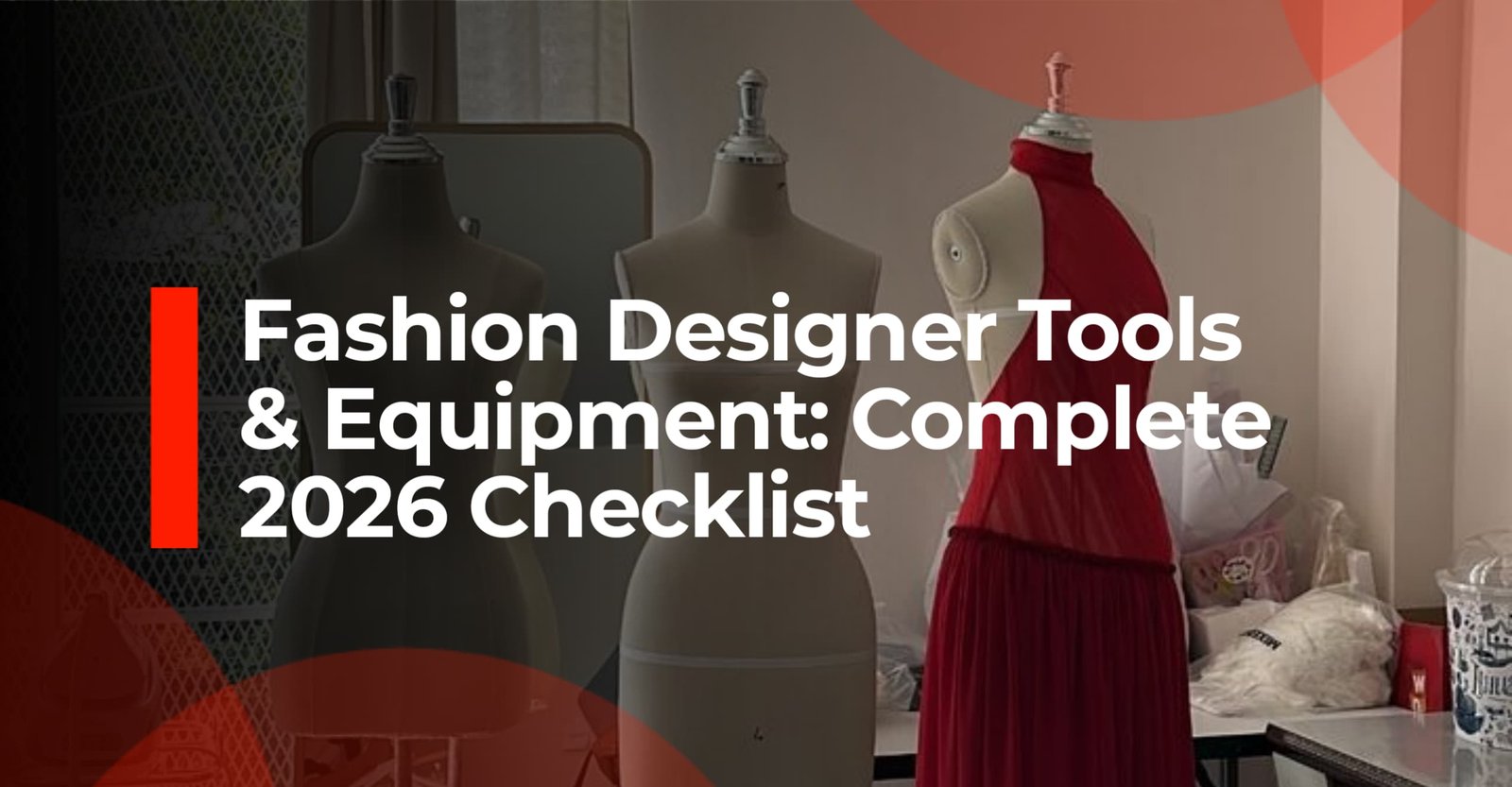
Starting fashion design requires more than a sewing machine. You need tools for measuring, drafting patterns, cutting fabric, sewing, pressing and finishing garments. Some equipment is essential from day one, while others can be added as your production grows.
If you are putting together a fashion design equipment list, this guide covers the main tools and what each one is used for.
What Tools and Equipment does a Fashion Designer Need?
A fashion designer needs measuring, pattern-making, cutting, sewing, pressing and finishing tools. Depending on the type of garments produced, embroidery equipment, mannequins and specialised machines may also be necessary.
| Tool or Equipment | Main Use |
| Measuring tape | Taking body and garment measurements |
| Rulers and curves | Drafting patterns |
| Fabric scissors | Cutting fabric |
| Pattern paper | Creating garment patterns |
| Sewing machine | Joining and stitching fabric |
| Overlocker/serger | Neatening fabric edges |
| Iron and pressing equipment | Shaping and finishing garments |
| Cutting table | Preparing and cutting fabric |
| Dress form/mannequin | Fitting and developing garments |
| Embroidery machine | Adding decorative stitched designs |
Measuring and Pattern-Making Tools
Accurate measurements are the foundation of good garment construction. A basic setup should include a flexible measuring tape, straight ruler, French curve, hip curve, pattern paper, pencils, tracing wheel and pattern-making scissors.
A fashion designer’s equipment list should also include tools for transferring measurements and marking fabric. Tailors working with custom clothing may need chalk, fabric markers and pattern notches to make construction easier.
For beginners, there is no need to buy every specialised pattern-making tool immediately. Start with the basics and expand as your designs become more complex.
Essential measuring tools
- Measuring tape
- Straight ruler
- French curve
- Hip curve
- Pattern-making square
- Fabric chalk or marking tools
These tools are relatively simple, but accuracy matters. A small measurement error can affect the fit of an entire garment.
What Cutting Tools are Needed for Fashion Designing?
Fashion designers need sharp fabric scissors, smaller trimming scissors, a seam ripper and, for larger production, rotary cutters or electric cutting equipment. The right cutting tool depends on fabric type, production volume and the accuracy required. A sturdy cutting table is also useful. It gives you enough space to lay fabric flat before cutting and reduces unnecessary handling of the material.
Keep fabric scissors separate from paper scissors. Using the same pair for everything can quickly reduce cutting performance.
Sewing Equipment for Fashion Designers
The sewing machine is one of the most important pieces of fashion design equipment. A domestic machine may be enough for basic garment construction, while professional tailors and fashion businesses may require industrial machines designed for higher production.
Common sewing equipment and accessories include:
- Straight-stitch sewing machine
- Overlock or serger machine
- Buttonhole machine
- Zipper foot and other machine attachments
- Needles and bobbins
- Seam ripper
- Thread and other sewing accessories
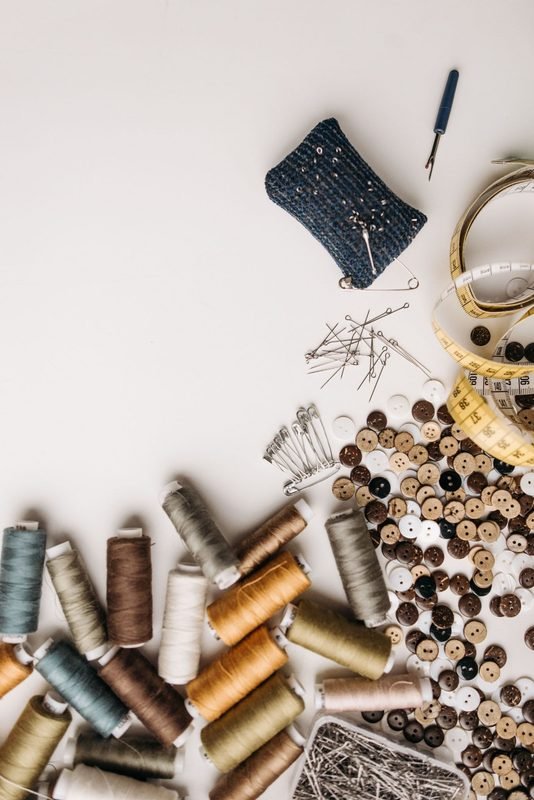
For businesses producing garments regularly, machine selection should consider fabric type, workload, stitch requirements and maintenance.
If you are comparing machines for a Nigerian tailoring business, see our guide to top tailor sewing machines in Nigeria.
Pressing and Finishing Equipment
Pressing is often overlooked, yet it can significantly affect how a finished garment looks. An iron, an ironing board and a suitable pressing surface should be part of any practical fashion design equipment list.
Depending on production needs, designers may also use:
- Steam iron
- Pressing cloth
- Sleeve board
- Tailor’s ham
- Ironing board
- Garment steamer
Pressing helps shape seams, collars, sleeves and other garment sections during construction. It is also useful for achieving a cleaner finish before delivery.
Do Fashion Designers Need Embroidery Equipment?
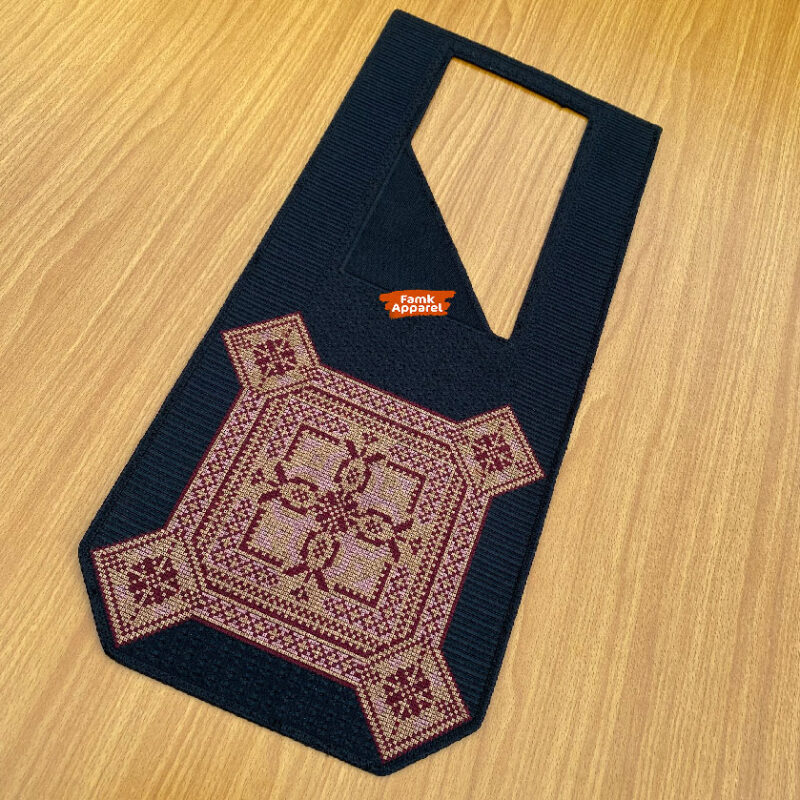
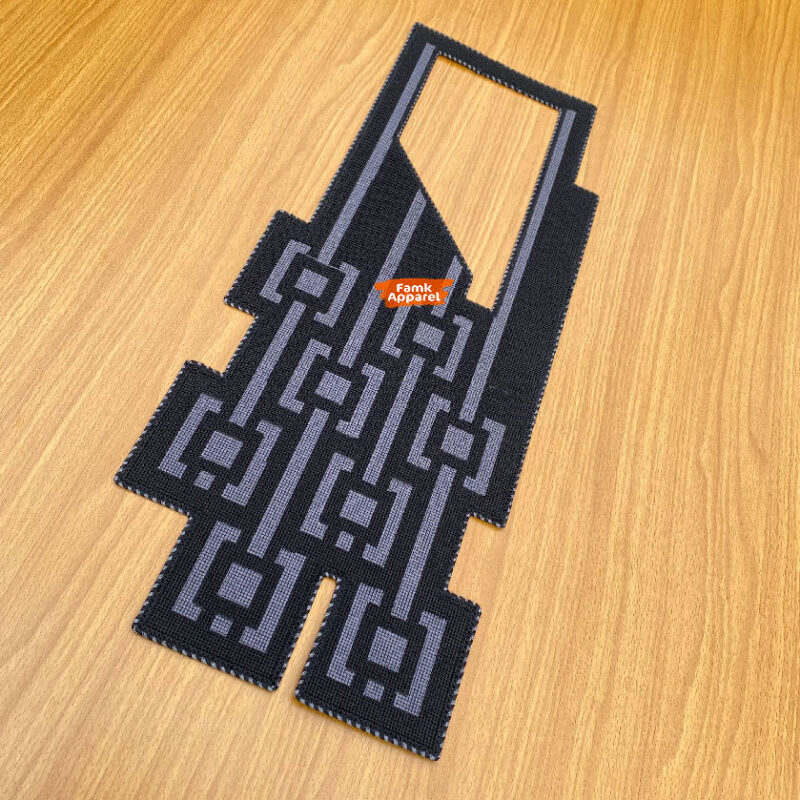
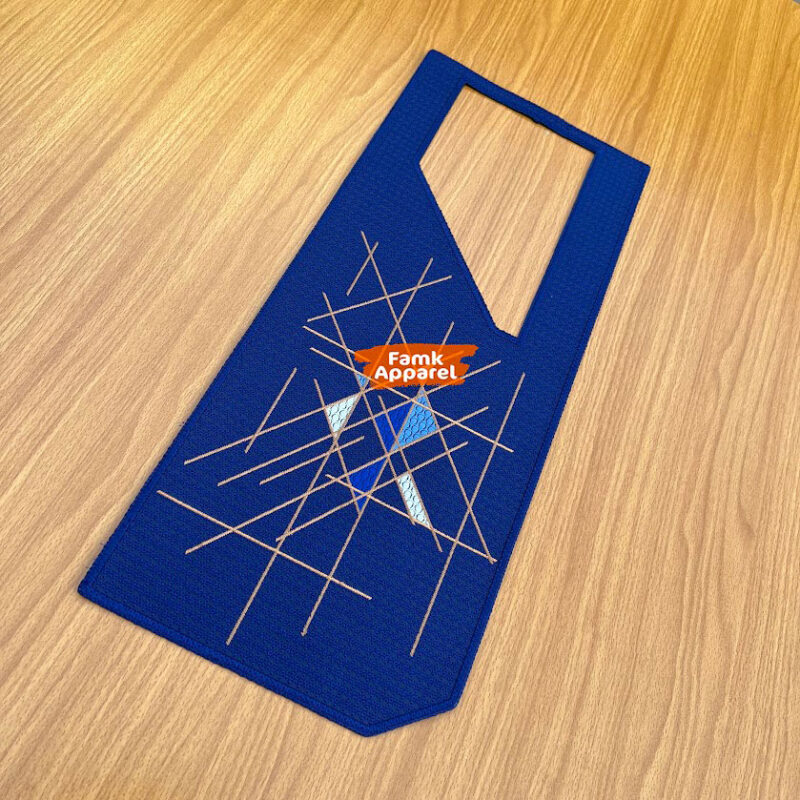
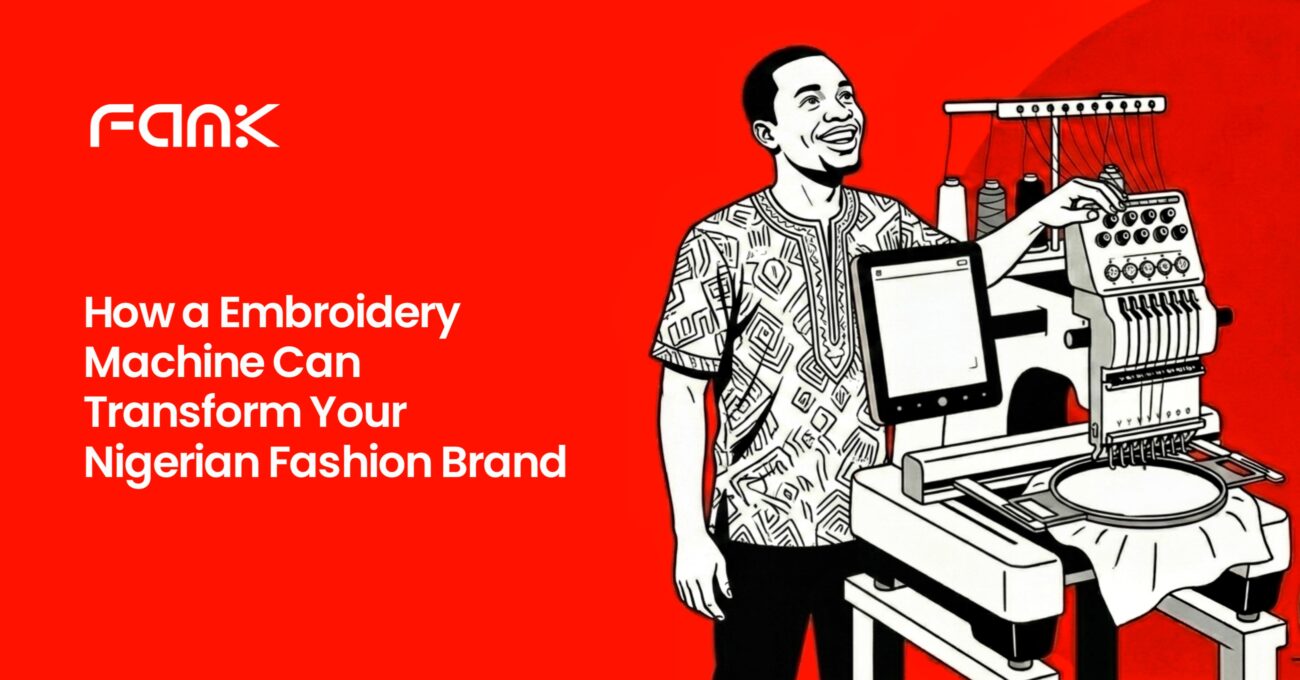
Fashion designers who create embroidered garments may need specialised embroidery equipment or access to an embroidery service. Computerised embroidery machines can reproduce digital designs consistently across garments such as shirts, agbadas, uniforms and other African wear.
For a new designer, buying an embroidery machine may not always be necessary. You can outsource embroidery while building your fashion business and invest in equipment later when your production volume justifies it.
Learn more about computerized embroidery machines and how they work.
For designers interested in African wear, our guide to digital embroidery on African men’s wear also explains how embroidery fits into garment production.
Other Tools Used in Fashion Designing
Beyond the main equipment, designers need smaller tools and materials for everyday work. These are easy to overlook when creating a fashion design materials list, but they support almost every stage of production.
Common examples include:
- Needles
- Pins
- Bobbins
- Zippers
- Buttons
- Interfacing
- Elastic
- Fabric markers
- Tailor’s chalk
- Hand-sewing needles
The exact materials depend on the garments being produced. A designer making bridal wear, for example, may need different supplies from someone specialising in casual clothing or traditional Nigerian attire.
Do You Need a Mannequin or Dress Form?
A mannequin or dress form can help designers develop, drape and adjust garments before final production. It is particularly useful for designers working with structured garments, draping techniques or styles that require repeated fitting.
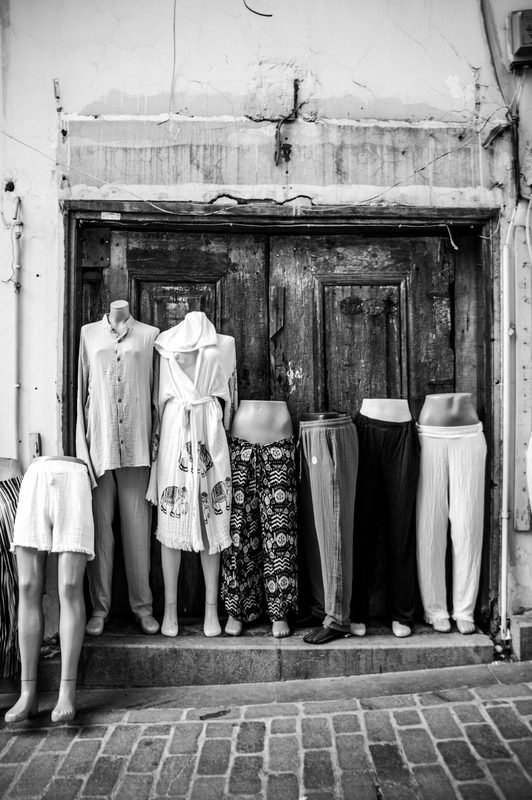
For a small beginner setup, a mannequin is useful but not always the first purchase. Basic measuring, cutting and sewing tools usually have a more immediate role in daily production.
What Equipment Should a Beginner Buy First?
Beginners should prioritise tools that support the entire garment-making process rather than buying specialised equipment immediately. A practical starting setup includes measuring tools, pattern-making supplies, fabric scissors, a reliable sewing machine, pressing equipment and basic sewing materials.
A simple buying order could be:
- Measuring and marking tools
- Pattern-making tools
- Fabric scissors and cutting equipment
- Sewing machine and accessories
- Iron and pressing equipment
- Basic sewing materials
- Overlocker or specialised machines
- Embroidery equipment, if required
This approach allows a new designer to build a functional workspace without spending heavily on equipment they may rarely use.
FAMK Apparel and Digital Embroidery
For designers and fashion businesses that need embroidered designs without investing in their own embroidery equipment, FAMK Apparel provides digital embroidery services for African fashion and other clothing applications.
This can include custom embroidery for garments such as agbadas, kaftans and other native wear. Designers can develop or provide a concept, have it prepared digitally for embroidery, and apply the finished design to the garment.
You can also explore our guide to embroidery digitising to understand how artwork is prepared for machine embroidery.
Frequently Asked Questions
What are the most important fashion designer tools?
The most important fashion designer tools include a measuring tape, rulers, pattern-making tools, fabric scissors, sewing machine, pressing equipment and basic sewing supplies. The exact setup depends on the designer’s specialisation, production volume and garment types.
What equipment is needed to start a fashion design business?
A basic fashion design business can start with measuring and pattern-making tools, cutting equipment, a sewing machine, pressing equipment and essential sewing materials. Additional equipment such as overlockers, mannequins and embroidery machines can be added as production needs increase.
What is included in a fashion design equipment list?
A fashion design equipment list commonly includes measuring tools, pattern-making supplies, cutting tools, sewing machines, pressing equipment, mannequins and finishing equipment. Designers may also need specialised machines such as embroidery or buttonhole machines depending on their services.
Final Thoughts
The right fashion designer tools and equipment depend on what you make, how much you produce and where your business is in its development. Start with the tools that directly support measuring, cutting, sewing and finishing, then add specialised equipment as your workload grows.