
Blog
Monogram Design on Clothes: Ideas, Placement and Customisation Guide

A monogram can be surprisingly powerful. It may be only two or three letters, yet the right combination of typeface, size, thread colour and placement can change how a garment feels.
That is what makes monogram design on clothes worth thinking through before the needle touches the fabric. A small set of initials on a shirt cuff calls for a different treatment from a bold design on a kaftan or a personalised detail incorporated into an agbada.
And there is another consideration: the monogram should belong to the garment. It should look designed into the clothing, rather than added simply because there was an empty space.
What Is Monogram Design on Clothes?
Monogram design on clothes is the use of initials, letters or combined characters as a personalised decorative design on a garment through embroidery or other decorative treatment. It can represent a person’s name, family, business, organisation or another form of identity. Traditionally, monograms have been used to mark personal belongings. On modern clothing, the idea has become more flexible.
A monogram can be discreet or elaborate, embroidered alone or incorporated into a larger design.
You may see monograms on:
- Shirts and button-downs
- Kaftans
- Agbadas
- Jackets and blazers
- Traditional caps
- Cuffs and sleeves
- Pocket areas
- Uniforms
- Wedding outfits
- Branded clothing
The design itself can be as simple as two initials in a clean typeface. It can also involve overlapping letters, decorative borders or embroidery that matches another pattern on the garment.
What Monogram Designs Work Well on Clothes?
There are several directions you can take with monogram designs for clothes, depending on the garment and the level of personalisation you want.
Classic Initials
This is probably the most straightforward approach: two or three initials embroidered in a clean, readable font. It works particularly well when the monogram is meant to be subtle. A small design on a shirt pocket, cuff or kaftan chest can add personality without changing the overall character of the outfit.
Interlocking Letters
Interlocking initials create a more distinctive mark. Instead of placing each letter separately, the characters overlap, connect or sit within one another. This style can give a monogram a more formal or established appearance, especially when the initials are meant to function like a personal emblem.”
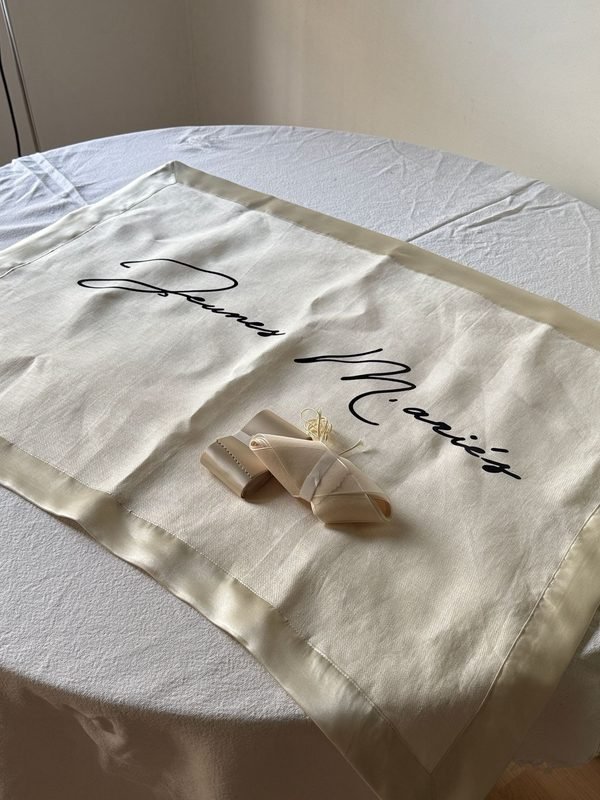
For embroidery, however, spacing matters. Letters that look elegant on a screen can become crowded when reduced to a very small size.
Script and Signature-Style Monograms
A script treatment can make the embroidery feel softer and more personal. It may suit wedding outfits, special-event clothing or garments where the monogram is intended to have a more decorative character.
There is a limit, though. Very thin strokes and complicated lettering can be difficult to reproduce clearly through embroidery, particularly at smaller sizes.
Where Should You Place a Monogram on Clothes?
The right monogram placement depends on the garment, available space, existing details and how visible you want the personalisation to be. Placement is not simply a matter of choosing an empty area. Seams, pockets, buttons, folds and existing embroidery can all affect the finished result.
Chest
The chest is one of the most visible areas for a monogram. On a shirt, initials can sit around the pocket area. On a kaftan, there may be more room to integrate the monogram into the front design.
For larger garments, the chest can also accommodate a monogram as part of a wider embroidery composition.
A pocket provides a naturally defined area for a small monogram. This is particularly common on shirts and jackets. Because the space is relatively restricted, simple lettering tends to work better than highly detailed designs.
Cuff
A cuff monogram is much more discreet. It can be a good option when you want the clothing to remain largely clean and understated. The small space also encourages simpler lettering, which can help maintain clarity.
Sleeve
Sleeves provide another option for personalisation. A monogram can be positioned closer to the wrist or further up the sleeve, depending on the garment. This placement can be useful when the chest already has embroidery or another prominent design.
Agbada and Other Traditional Wear
Agbada is one particularly interesting application, although it should not be the only one considered when discussing monogramming clothes.
A monogram can be incorporated into an agbada chest panel, placed within an existing embroidery arrangement or used as a smaller personalised detail.
The same principle applies to kaftans and other native garments: the monogram should work with the clothing’s existing proportions and decorative elements.
How Do You Choose a Monogram Design?
A monogram design for men should reflect the garment, occasion and preferred level of detail rather than follow one fixed style. For a formal shirt, clean initials in a restrained size may feel appropriate. A wedding kaftan might allow something more decorative. An agbada, with its larger surface area, can accommodate a more developed embroidery composition.
Colour matters as well. Gold or silver thread can create a noticeable contrast against darker fabrics, while closely matched thread colours produce a quieter effect.
Then there is the fabric itself. A design that looks crisp on smooth cotton may need a different treatment on velvet, brocade or another textured material.
In practice, three questions help narrow things down:
- How visible should the monogram be?
- Where will it sit on the garment?
- What design can the fabric and embroidery process reproduce cleanly?
What Should You Consider Before Creating a Monogram Design on Cloth?
When developing a monogram design on cloth, the visual concept is only part of the process.
Size
A monogram that is too small may lose definition. One that is too large can overpower the garment. The right size depends heavily on placement.
Thread Colour
Thread can either contrast with the fabric or blend more closely into it. A contrasting colour makes the monogram easier to notice. A similar shade creates a more understated effect.
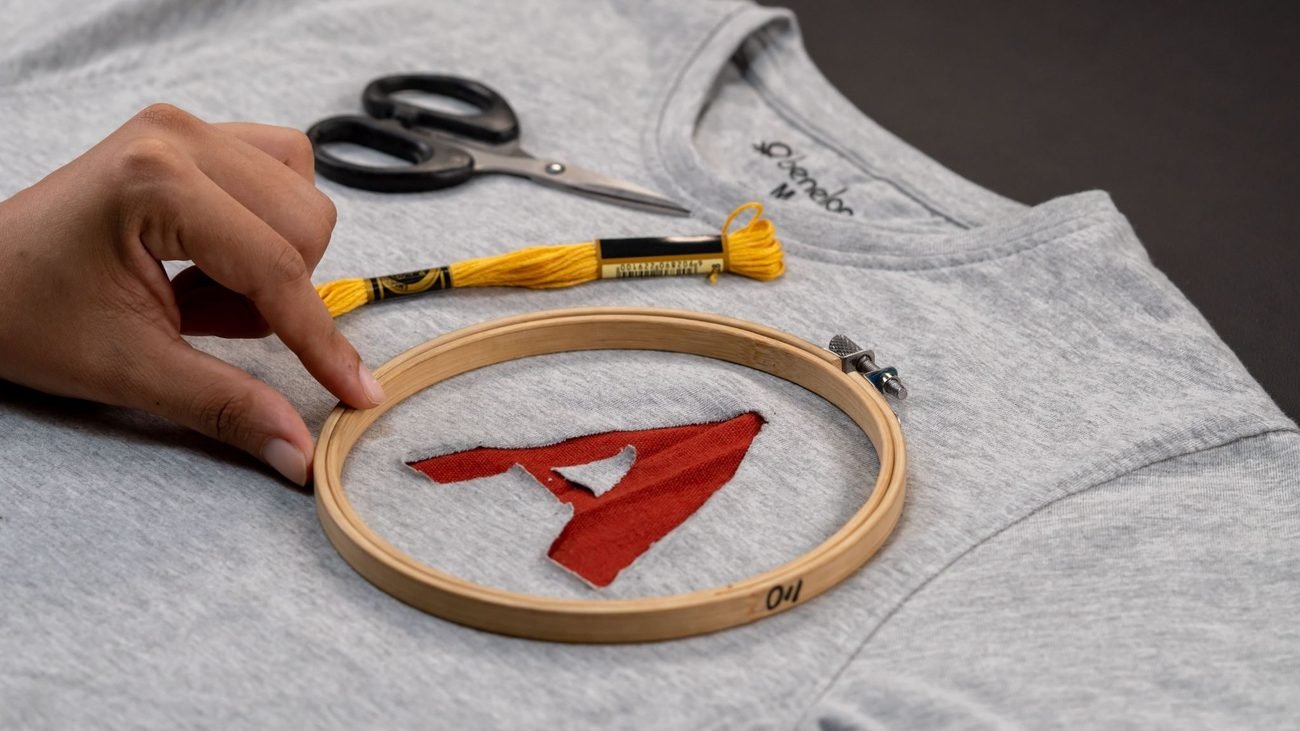
Fabric
Different fabrics behave differently during embroidery. Texture, thickness and construction can influence how cleanly small details appear.
Occasion
A monogram for everyday office wear does not necessarily need the same visual treatment as one created for a wedding or traditional ceremony. The occasion can help determine whether the design should be restrained, decorative or somewhere between the two.
How Does Custom Monogram Embroidery Work?
Custom monogram embroidery involves preparing the chosen lettering as a digital embroidery design before stitching it onto the garment. The process typically involves converting the design into an embroidery file and deciding how the machine should reproduce each part of the lettering. Stitch direction, density, sequence and other technical details can affect the final appearance.
This is where digitising becomes important. A monogram might look perfect as a digital graphic but still require adjustments before embroidery. Fine lines may need strengthening. Small gaps may need widening. The design may need to be resized for the specific placement.
Good embroidery is therefore partly about the artwork and partly about how that artwork is prepared for fabric.
What Can You Personalise Besides Initials?
Personalised clothing designs can include much more than traditional initials. Depending on the garment and purpose, custom embroidery may include:
- Full names
- Initials
- Family names
- Business initials
- Wedding dates
- Couple monograms
- Short phrases
- Brand marks
- Event or organisation symbols
For example, a couple might use coordinated initials across wedding outfits. A business could use a small embroidered identity mark on uniforms. Someone commissioning a traditional outfit might choose initials that complement an existing embroidery pattern. The possibilities are broader than simply putting two letters on a chest.
Monogram Embroidery vs Printed Personalisation
Monogram embroidery creates the design with thread, while printed personalisation applies ink or another printed medium to the fabric. The difference is immediately visual. Embroidery gives the design physical texture and a raised, stitched appearance. Printing generally produces a flatter surface.
For garments where texture is part of the desired look, monogram embroidery can be particularly suitable. That does not make one method universally appropriate. The garment, fabric, design complexity, intended appearance and production requirements all matter.
Where FAMK Apparel Comes In
At FAMK Apparel, personalisation sits naturally within the wider world of digital embroidery and African fashion. The focus is not simply on taking initials and stitching them onto the nearest available space. A monogram can be planned around the garment itself, its fabric, embroidery pattern, proportions and intended occasion.
FAMK Apparel can help customers explore custom monogram embroidery, digital embroidery and personalised embroidery applications for garments such as agbadas, kaftans, shirts and other native wear.
Services can include:
- Custom monogram embroidery
- Digital embroidery design and digitising
- Agbada embroidery
- Kaftan and native-wear embroidery
- Personalised garment embroidery
- Custom embroidery designs for special occasions
- Guidance on embroidery placement, colour and design direction
This becomes particularly useful when you already have initials or a rough idea but are unsure how they should appear on the finished garment.
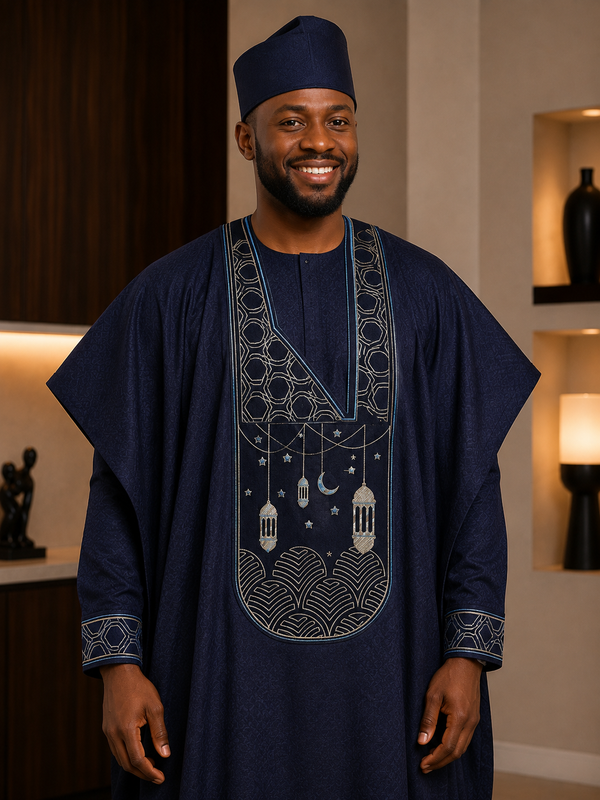
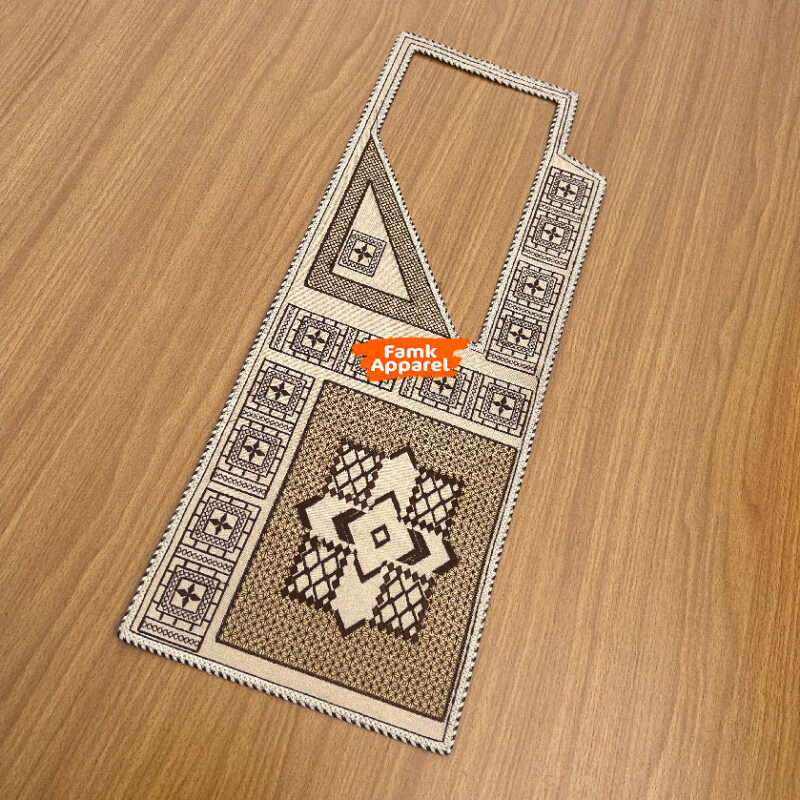
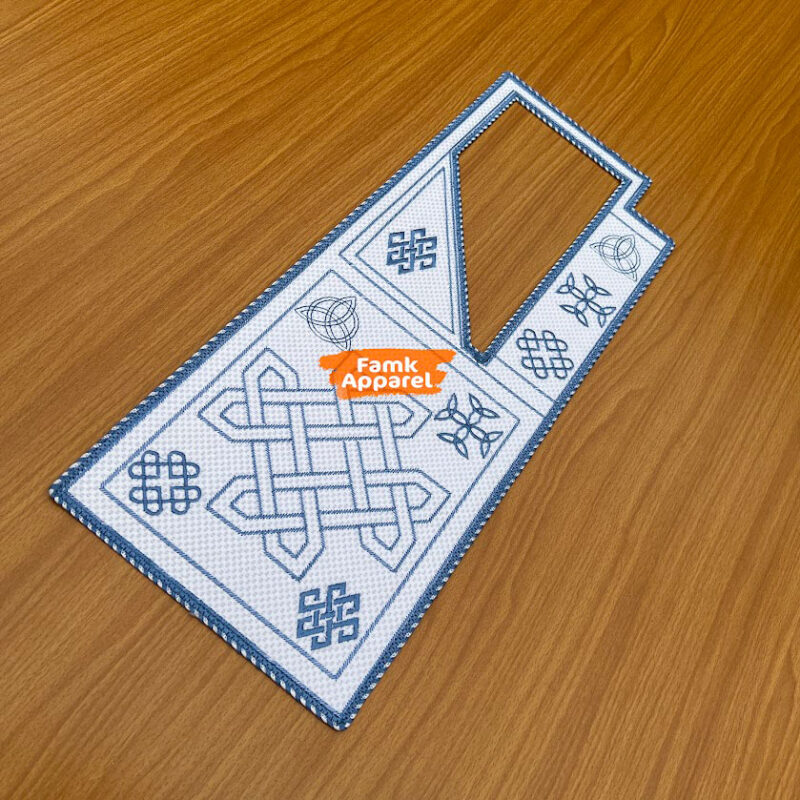
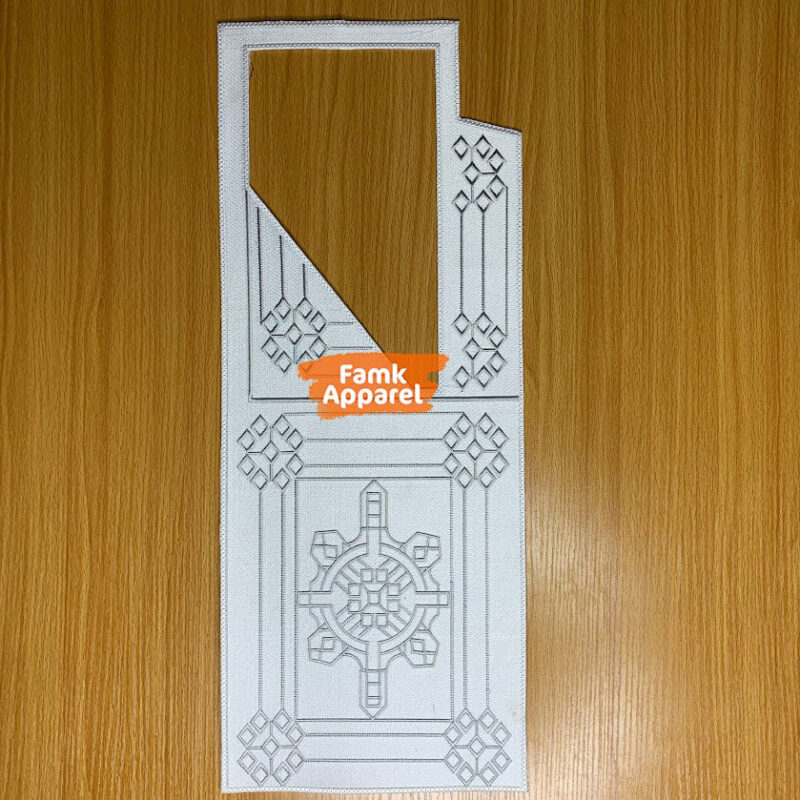
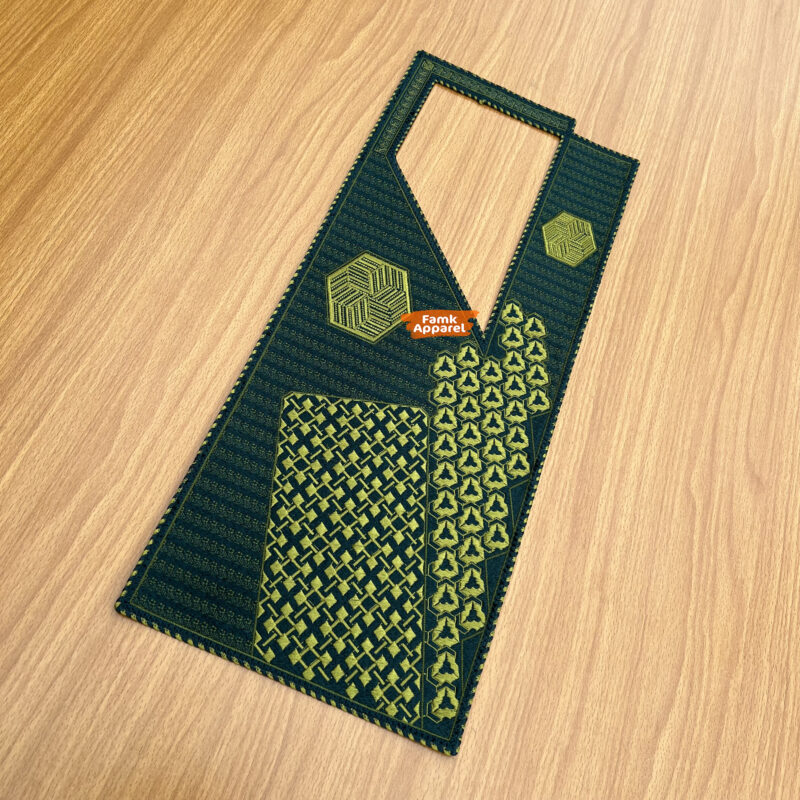
a custom agbada emrboidery
For example, the same initials could be treated as a small chest detail, incorporated into a larger agbada panel, or developed into a more distinctive embroidery mark. The right approach depends on the garment and what you want the personalisation to say.
Frequently Asked Questions
What is the best place for a monogram on clothes?
The best placement depends on the garment and the level of visibility you want. Shirt pockets, cuffs, chest areas and sleeves are common choices, while kaftans and agbadas provide additional space for integrated embroidery. The design should also avoid seams, buttons and areas that could distort the lettering.
Can you put a monogram on an agbada or kaftan?
Yes. A monogram can be embroidered on an agbada or kaftan as a standalone detail or incorporated into a larger embroidery design. The lettering, size, thread colour and placement should complement the existing garment rather than compete with its main embroidery.
How is custom monogram embroidery made?
Custom monogram embroidery usually starts with a digital design that is converted into an embroidery-ready file. The design is then prepared with appropriate stitch settings before being transferred to an embroidery machine. Fabric type, lettering size, stitch density and thread colour all influence the finished result.
Final Thoughts
A monogram can be understated, decorative, traditional or distinctly modern. There is quite a lot you can do with only a few letters. The important part is not simply choosing initials. It is deciding how those initials should live on the garment.
A shirt might call for something almost hidden at the cuff. A kaftan could carry a more visible chest detail. An agbada may allow the monogram to become part of a larger embroidery composition.
That flexibility is what makes monogram design on clothes useful beyond a single type of garment. With thoughtful design and proper embroidery preparation, personalisation can become part of the clothing itself rather than an afterthought.