
Blog
Computerized Embroidery Machines: How They Work and What to Consider Before Buying

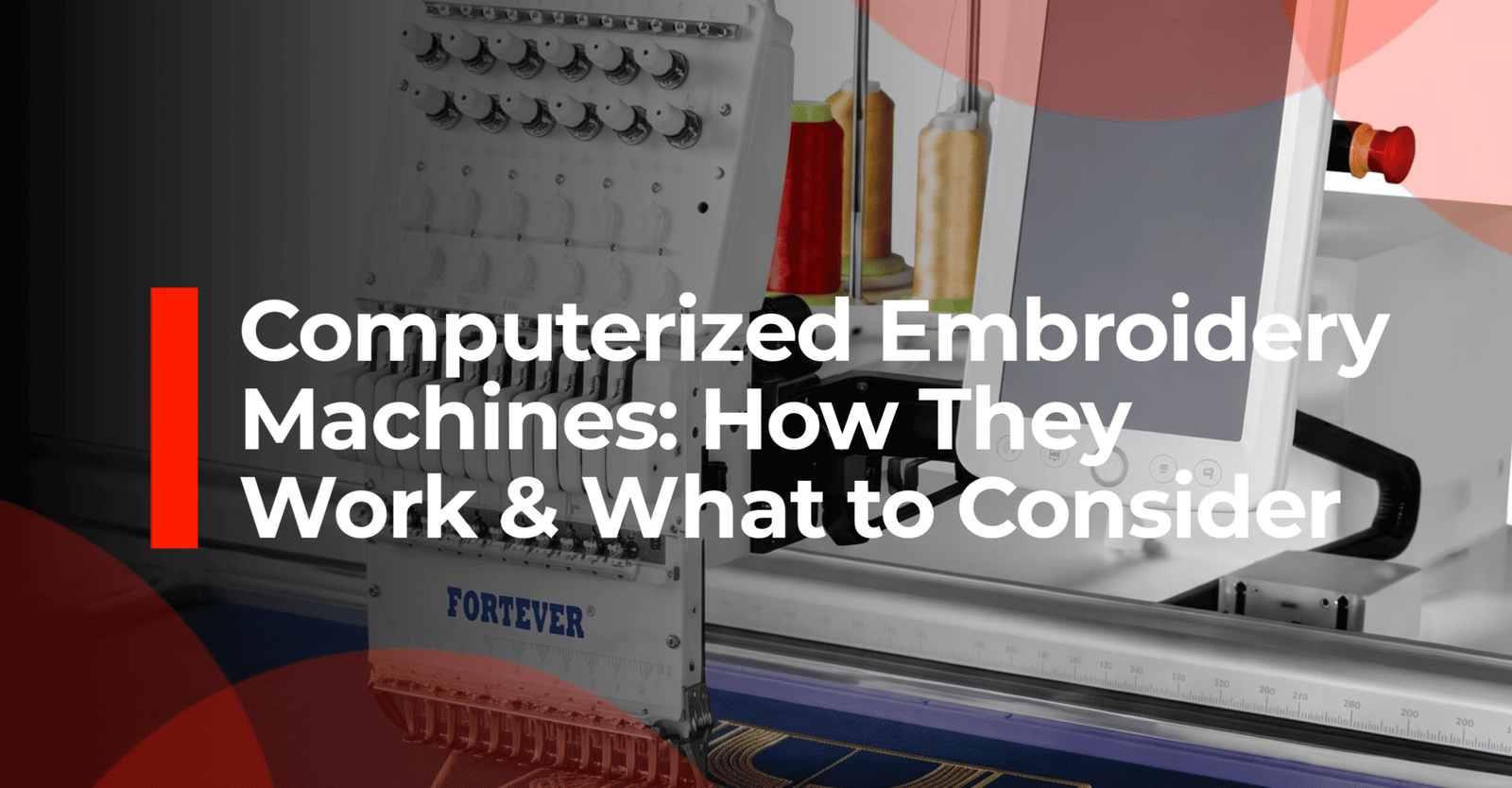
A computerized embroidery machine creates stitched designs on fabric by following a digital pattern. It can produce names, logos, monograms and detailed decorative motifs with greater consistency than manual embroidery.
For fashion designers and tailors, this technology can be useful for agbadas, kaftans, shirts, uniforms, caps and other garments. However, choosing the right machine requires more than comparing prices. You need to understand how it works, the type of work it can handle and whether the machine matches the type and volume of work you want to produce.
Key takeaway: Buy a machine based on your embroidery needs, available budget, fabric types and expected order volume not simply because it has more features.
What Is a Computerized Embroidery Machine?
A computerized embroidery machine uses electronic controls and digital design files to guide the needle and thread across fabric. Instead of drawing a pattern manually, the operator loads a design that tells the machine where to stitch, when to change direction and, in some cases, when to change thread colours.
Depending on the model, the machine may offer:
- Built-in embroidery designs
- USB or computer file transfer
- Touchscreen controls
- Automatic thread trimming
- Multiple needle positions
- Adjustable embroidery speed
- Design resizing and positioning
- Automatic colour changes
The machine does not print a design onto fabric. It builds the image through thousands of stitches. The final result depends on the design file, fabric, stabiliser, thread, needle and machine settings.
How Does a Computerized Embroidery Machine Work?
A computerized embroidery machine follows a digital design through a series of controlled stitching steps.
1. Prepare the Design
The artwork must first be converted into an embroidery file. This process is known as digitising. It determines the stitch direction, density, order, thread changes and other details the machine needs.
A photograph or logo cannot always be used directly. It may need to be simplified or adjusted so that it stitches cleanly.
2. Transfer the File
The finished design is transferred to the machine through USB, a memory card, a computer connection or another supported method. Some machines also include built-in designs.
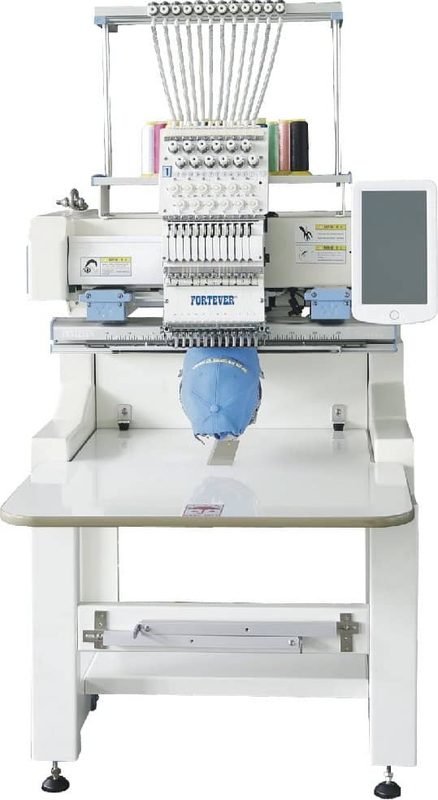
Fortever single head embroidery machine
3. Hoop the Fabric
The fabric is placed inside an embroidery hoop, usually with a stabiliser. The stabiliser helps reduce shifting, puckering and distortion while the machine works.
4. Load the Thread and Needle
The operator selects the correct thread, installs the needle and checks the machine settings. Different fabrics may require different needles, thread weights and stabilisers.
5. Start the Stitching
The machine follows the digital instructions, moving the hoop or fabric while the needle creates the design. The operator should still monitor the process because a computerized system does not eliminate the need for technical knowledge.
What Can You Make With These Machines?
A computerized embroidery machine for clothing can be used for both personal projects and commercial production.
Common applications include:
- Names and monograms
- Corporate and school uniforms
- Shirt logos
- Agbada and kaftan embroidery
- Wedding and groomsmen outfits
- Caps and accessories
- Decorative sleeve and chest designs
- Personalised gifts
- Ready-to-wear branding
- Fashion-label details
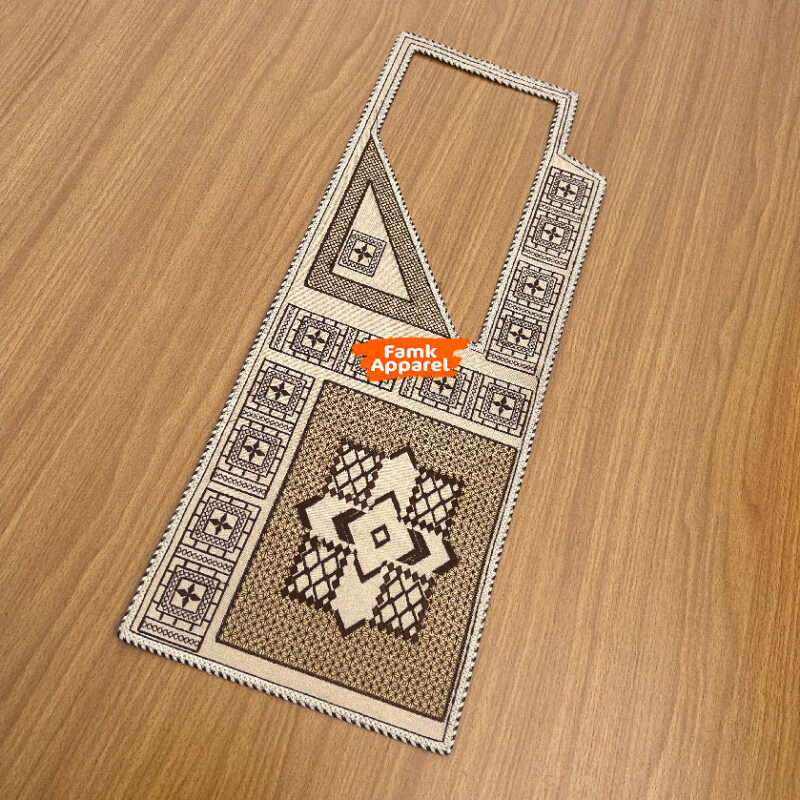
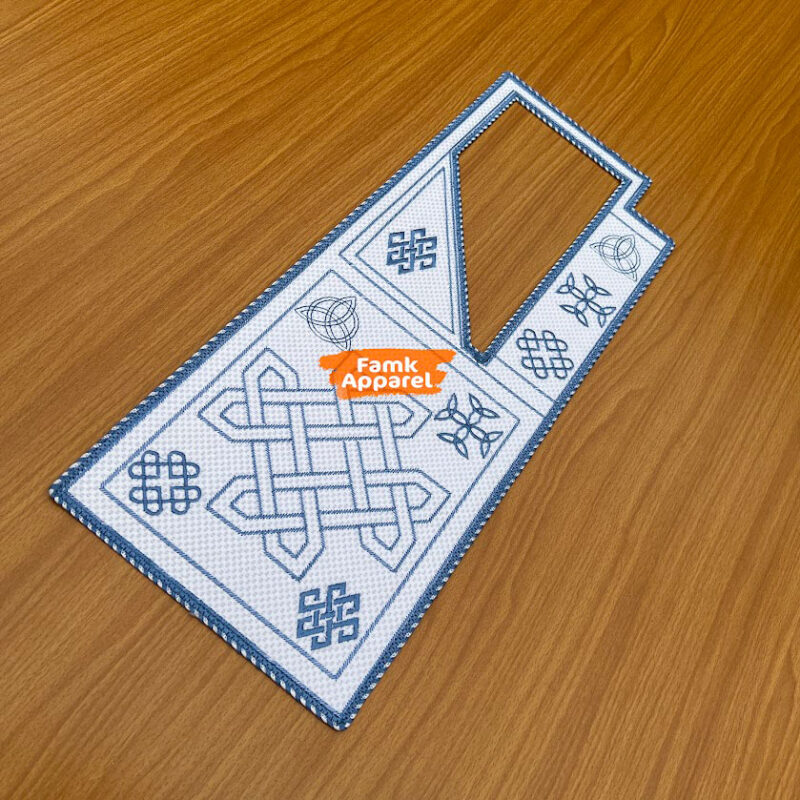
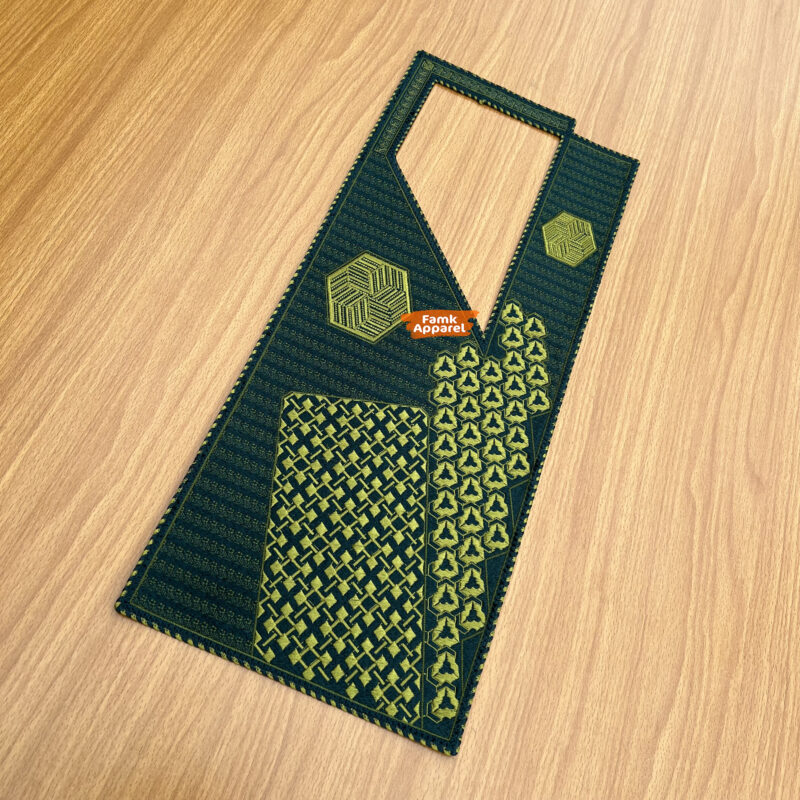
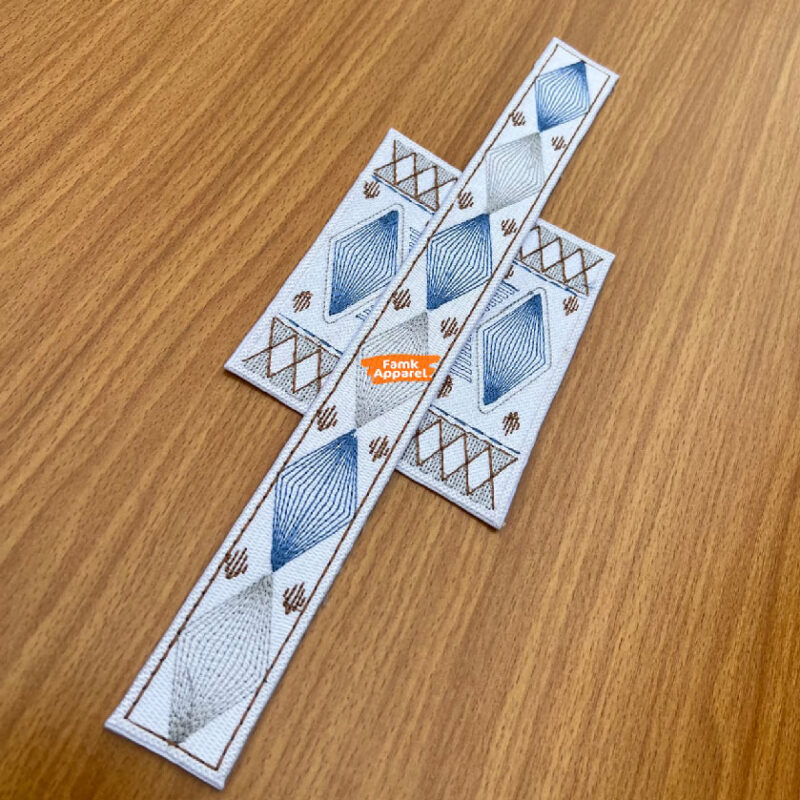
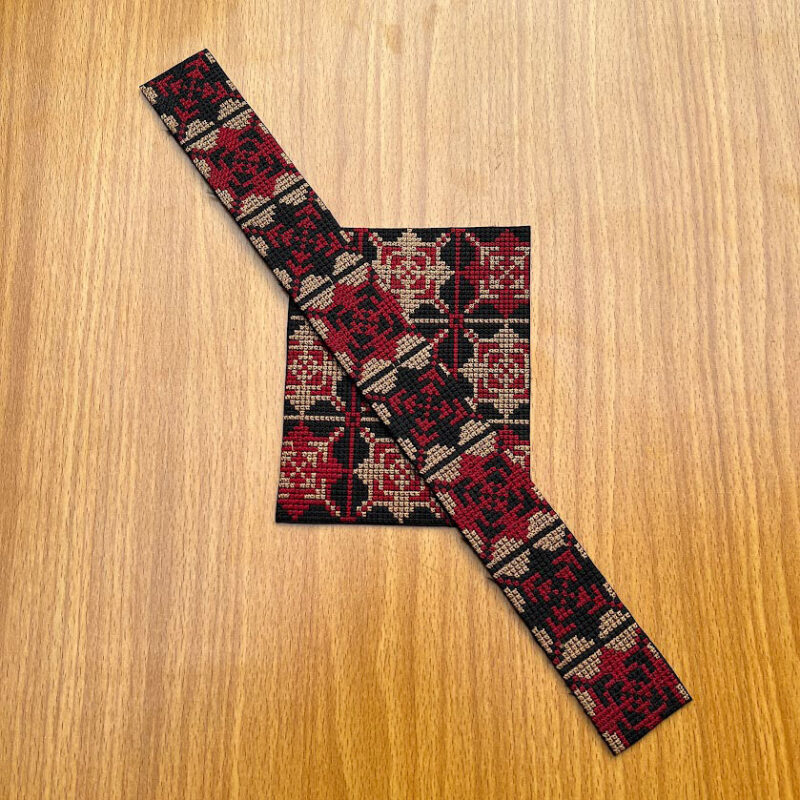
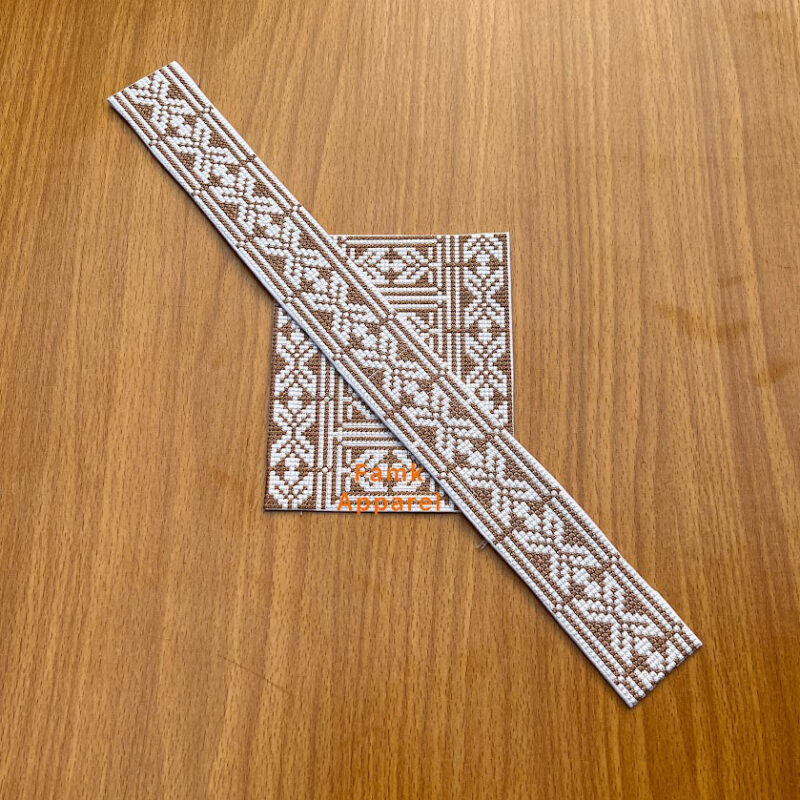
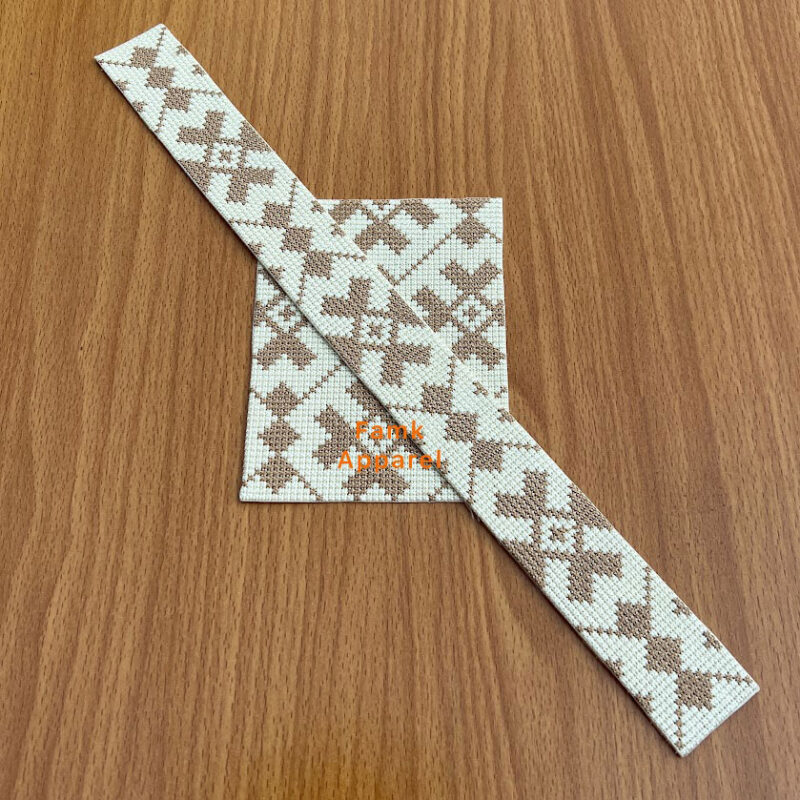
For Nigerian fashion businesses, embroidery machines can also help produce repeated motifs and carefully positioned designs on agbada, kaftans and other native wear. However, the embroidery area matters. A small hoop may be suitable for a chest logo but unsuitable for a large agbada panel.
What Types of Computerized Embroidery Machines Are Available?
The main difference between computerized embroidery machines is their level of automation, needle capacity and production capability.
| Machine type | Suitable for | Main consideration |
| Single-needle machine | Beginners and occasional orders | Manual thread changes may be necessary |
| Multi-needle machine | Detailed designs and regular orders | Higher purchase cost |
| Single-head commercial machine | Growing fashion businesses | Better production capacity |
| Multi-head industrial machine | Bulk and high-volume work | Requires more space, power and investment |
A digital embroidery machine may be a suitable option for a designer who wants to work with custom files and repeatable patterns. Still, “digital” does not automatically mean that every model is suitable for commercial production.
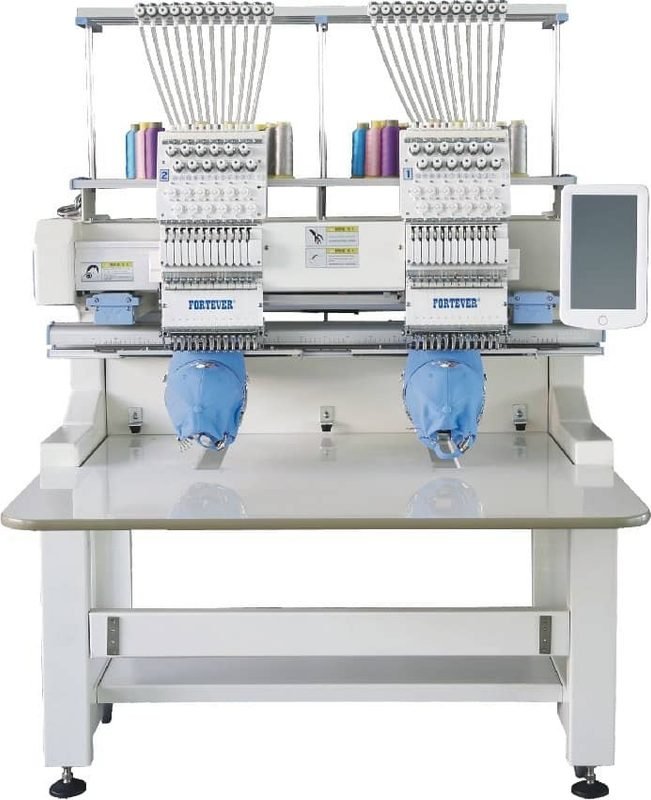
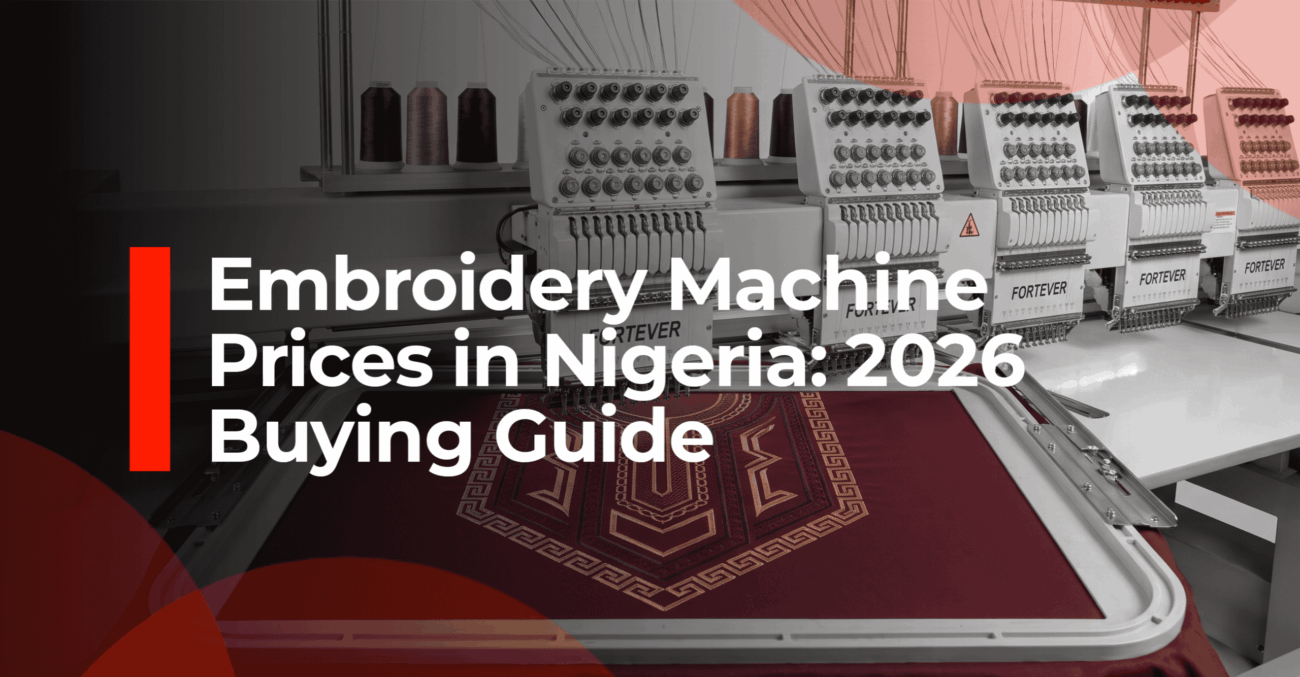
A Fortever multihead embroidery machine
Is an Industrial Embroidery Machine Necessary?
No. An industrial embroidery machine is not essential for every designer.
A beginner handling occasional names, monograms or small customer orders may be able to start with a smaller machine. A business producing uniforms, bulk garments or repeated agbada designs may eventually need commercial equipment with higher speed and greater capacity.
The right choice depends on the number of orders you receive, the size of your designs and how much production time you need to save.
What Should Beginners Consider Before Buying?
A computerized embroidery machine for beginners should be easy to operate, reasonably supported and suitable for the type of work the buyer intends to produce.
Before making a purchase, consider the following:
Embroidery Area
Check the largest design size the machine can stitch. This is especially important if you plan to work on agbadas, kaftans or larger garment panels.
Number of Needles
Single-needle machines may require manual colour changes. Multi-needle models can hold several colours at once, which is useful for detailed designs.
Design Compatibility
Confirm which file formats the machine accepts and how easily you can transfer designs from a computer or USB drive.
Fabric Compatibility
Make sure the machine can handle the materials you use most often, including cotton, lace, velvet, silk or other native-wear fabrics because the quality of embroidery on these fabrics also depends on preparation .
Maintenance and Spare Parts
Ask about servicing, replacement hoops, needles, bobbins, software updates and technical support. A low-cost machine can become expensive if it is difficult to repair.
Power Requirements
Embroidery work depends on reliable electricity. Include a generator, inverter or another backup option in your operating budget.
Training
Find out whether the seller provides training or whether you will need to learn through external tutorials. You should understand hooping, stabiliser selection, thread tension and basic design preparation before taking on paid orders.
What Is the Difference Between Machine Embroidery and Digital Embroidery?
Machine embroidery is the actual process of creating stitched designs on fabric with a sewing or embroidery machine. Digital embroidery usually describes the wider process of preparing artwork, converting it into an embroidery file and producing the design with a computerized machine.
The two terms are closely connected. The digital file guides the machine, but the quality of the finished design still depends on good digitising, suitable materials and correct machine settings.
Is a Computerized Embroidery Machine Worth Buying for Tailoring?
Yes, it can be, especially when customers regularly request embroidery.
An embroidery machine for tailoring can help a business:
- Offer embroidery as an additional service
- Reduce dependence on outside embroidery providers
- Produce personalised garments
- Improve consistency across repeated designs
- Create new products and income streams
However, the investment should be based on real demand. If you only receive a few embroidery requests each month, outsourcing may be more practical at first.
Before buying, estimate your likely monthly orders, production time, maintenance costs and expected income. A machine should solve a business problem—not simply add another expense. Want an embroidery machine retailer that you can purchase from for your embroidery business? Fortevernigeria is the right place. If you have your businesses in Nigeria or anywhere in West Africa, this is your go-to brand.
Frequently Asked Questions
1. What is a computerized embroidery machine used for?
A computerized embroidery machine creates stitched designs from digital files. It can produce names, logos, monograms and decorative patterns on shirts, agbadas, kaftans, uniforms, caps and other garments. The machine follows programmed instructions to create consistent designs, while the operator manages fabric preparation, thread, stabiliser and machine settings.
2. Can beginners use a computerized embroidery machine?
Yes. Beginners can use these machines, particularly models with simple controls, built-in designs and accessible training. However, they still need to learn hooping, stabiliser selection, thread tension and basic digitising. A smaller machine may be more practical than an industrial model when starting with limited funds.
3. What should I check before buying an embroidery machine?
Check the embroidery area, needle capacity, supported file formats, speed, fabric compatibility, power requirements and availability of spare parts. Also consider training, maintenance costs and the type of designs you plan to produce. The cheapest machine may not offer the best long-term value if repairs and accessories are difficult to obtain.
Final Thoughts
A computerized embroidery machine can make it easier to produce names, logos, decorative motifs and detailed designs for modern fashion businesses. The right model, however, depends on your workload, embroidery area, fabric types, number of needles, software compatibility and access to technical support.
Start with equipment that matches your present needs. As orders increase and production becomes more demanding, you can consider moving to a more advanced commercial or industrial machine.