
Blog
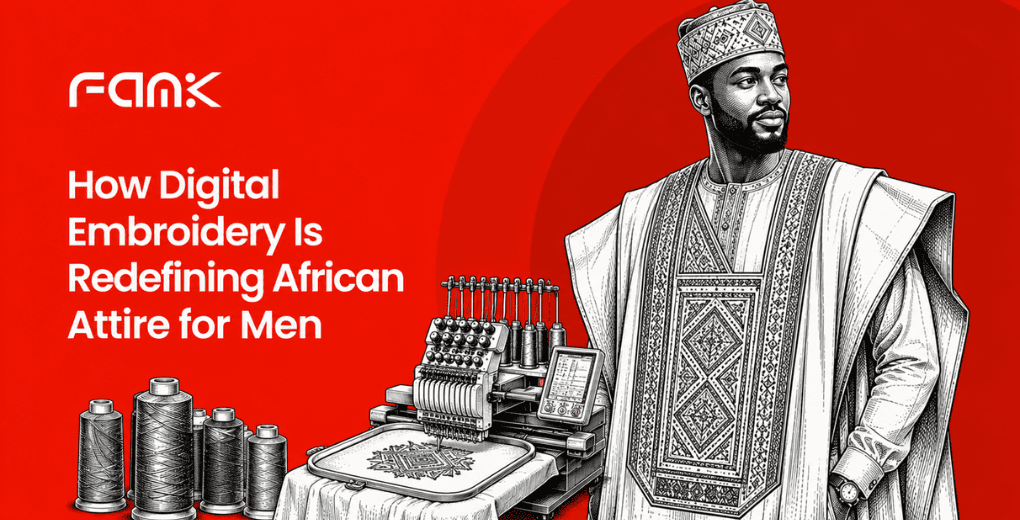
What Is Digital Embroidery? How Modern Embroidery Is Changing Agbada and African Menswear

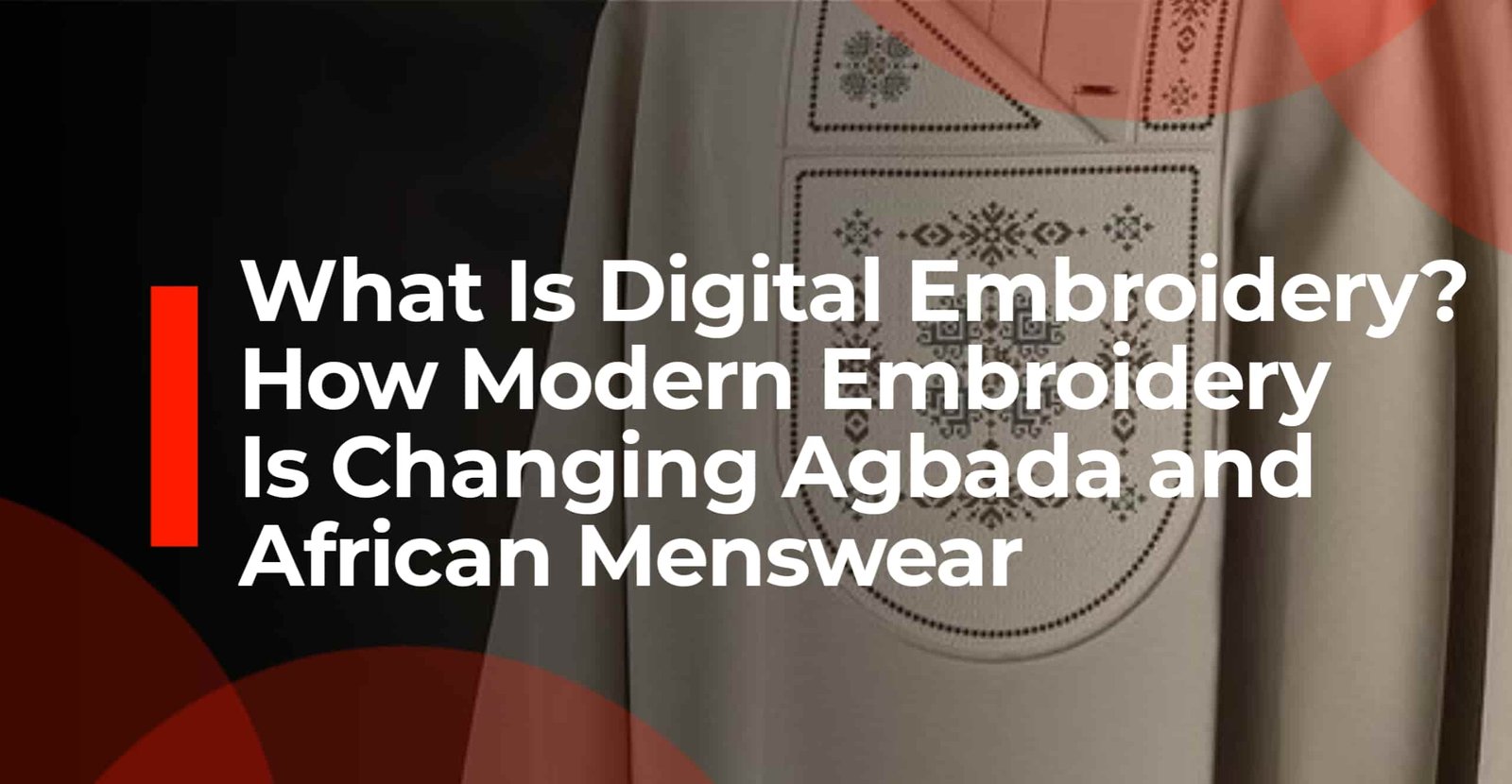
Digital embroidery is a process that uses digital design files and embroidery machinery to stitch patterns onto fabric. Before stitching, artwork is converted into instructions the machine can read, including stitch types, direction and sequence. This allows designs to be reproduced with controlled placement and detail, although the final result still depends on the fabric, setup and stitching quality.
For Nigerian menswear, digital embroidery can be used to create chest panels, collar details, monograms and decorative patterns on Agbada, kaftan and other traditional outfits. It connects a design created on a computer to the physical garment.
How Does Digital Embroidery Work?
Digital embroidery works by converting artwork into a stitch file, preparing the fabric, and using an embroidery machine to follow the file’s instructions. The process involves more than uploading an image: the design must be adapted to the fabric, available space and required stitch structure.
The main stages are:
- Design creation: An embroidery pattern is drawn or adapted from an existing design.
- Digitising: The artwork is converted into machine-readable stitching instructions.
- File preparation: The designer checks the design’s dimensions, stitch sequence and thread colours.
- Fabric preparation: The material is positioned and secured so it stays stable during stitching.
- Machine stitching: The embroidery machine follows the programmed instructions to form the design.
- Finishing and inspection: Excess threads are trimmed, and the embroidery is checked for gaps, uneven stitching or fabric distortion.
Each stage matters. A well-designed pattern can still produce poor results if the digitised file is unsuitable or the fabric shifts during production.
What Is the Difference Between Digital Embroidery and Computerized Embroidery?
Digital embroidery and computerized embroidery are closely related terms. Both commonly describe embroidery in which digital instructions guide machine stitching. “Digital embroidery” often emphasises the design and digitising process, while “computerized embroidery” draws attention to the machine’s computer-controlled operation. In everyday use, the terms may overlap.
The important distinction is between the artwork and the stitching instructions. A picture file is not automatically ready for embroidery; it needs to be prepared for the machine and the material being used.
How Is Digital Embroidery Used for Agbada and Kaftan?
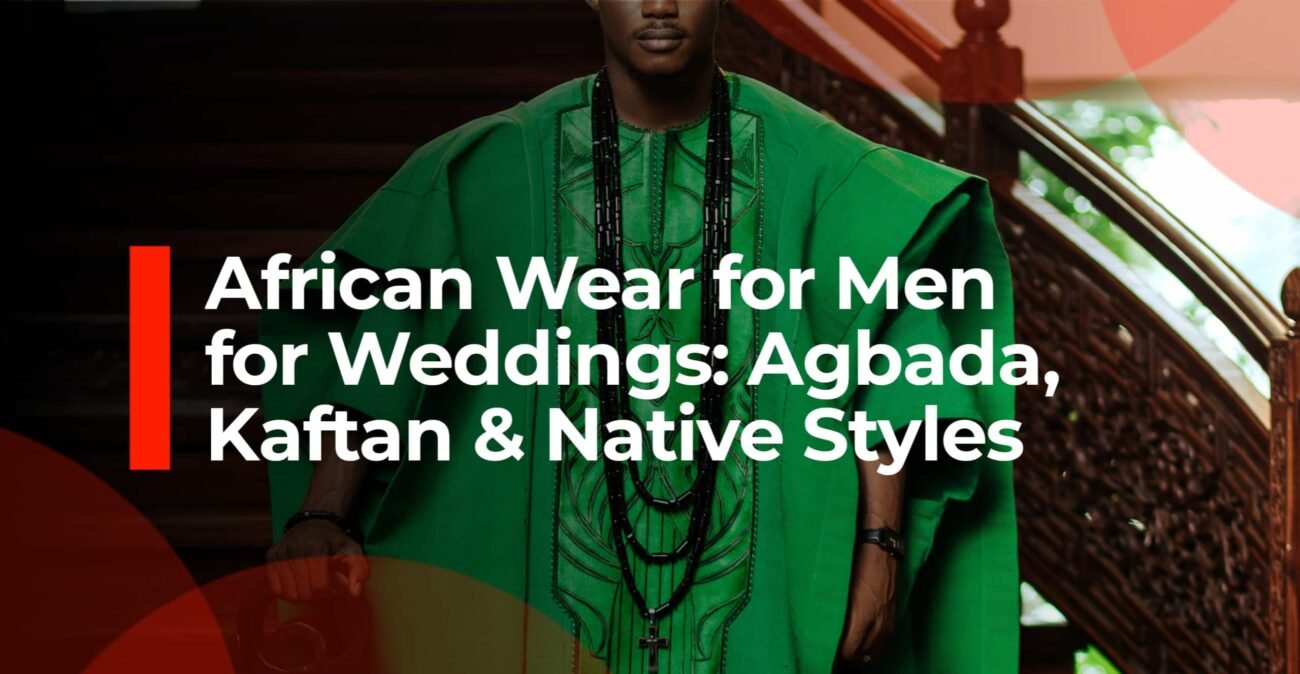
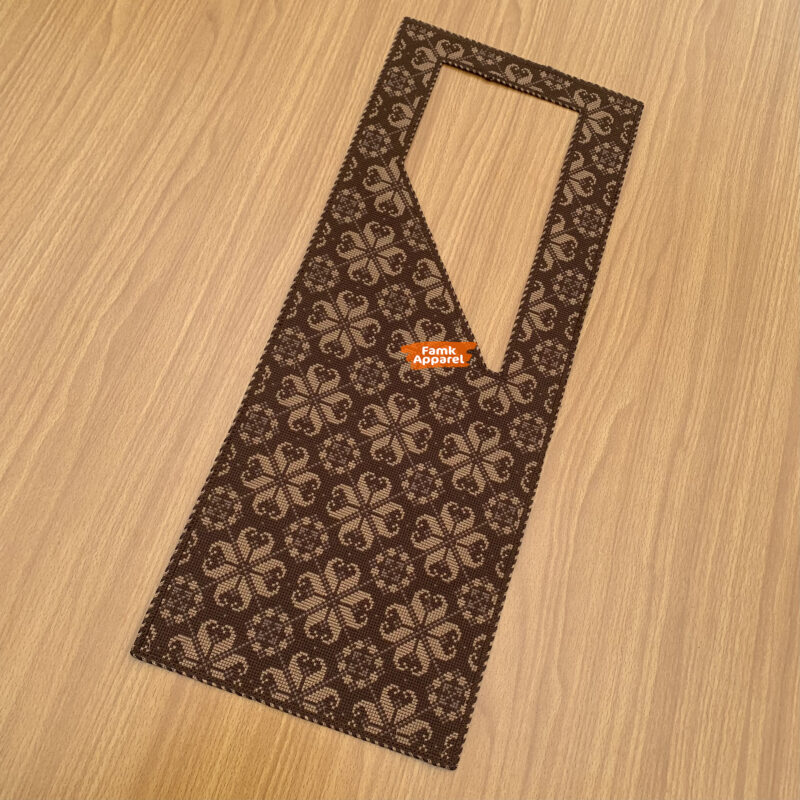
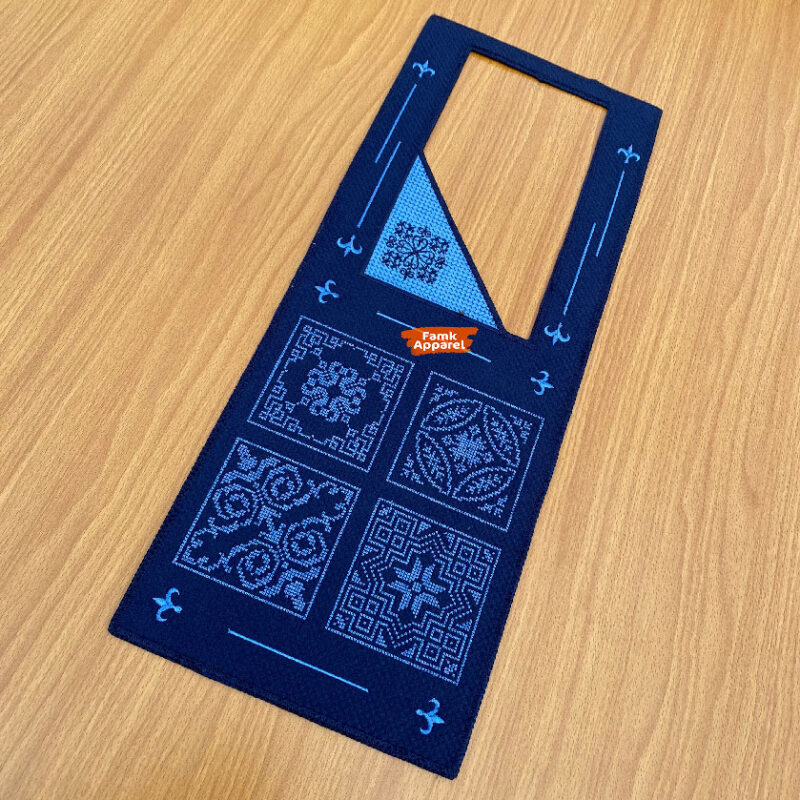
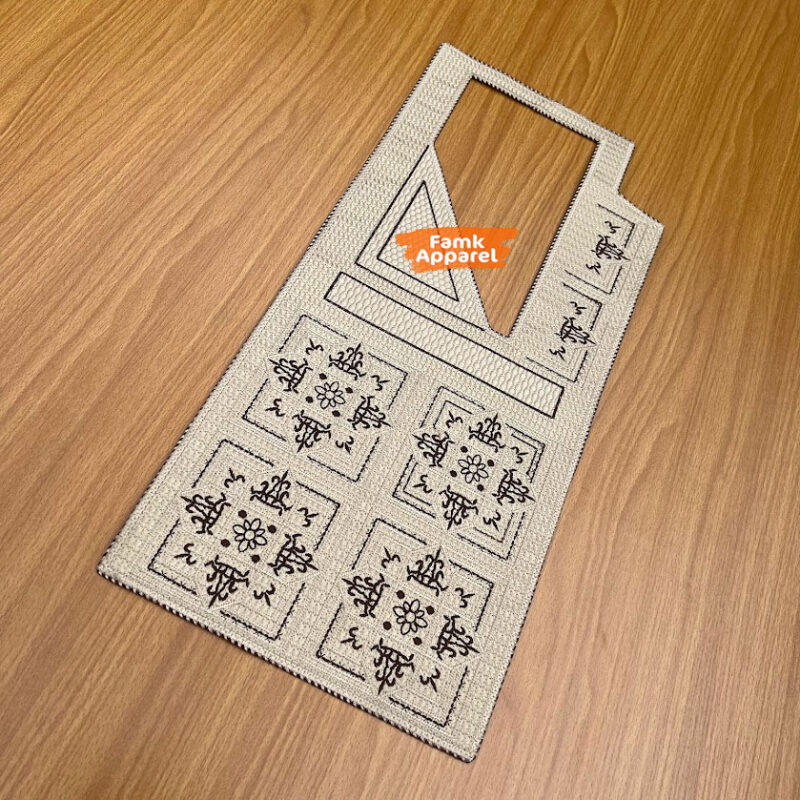
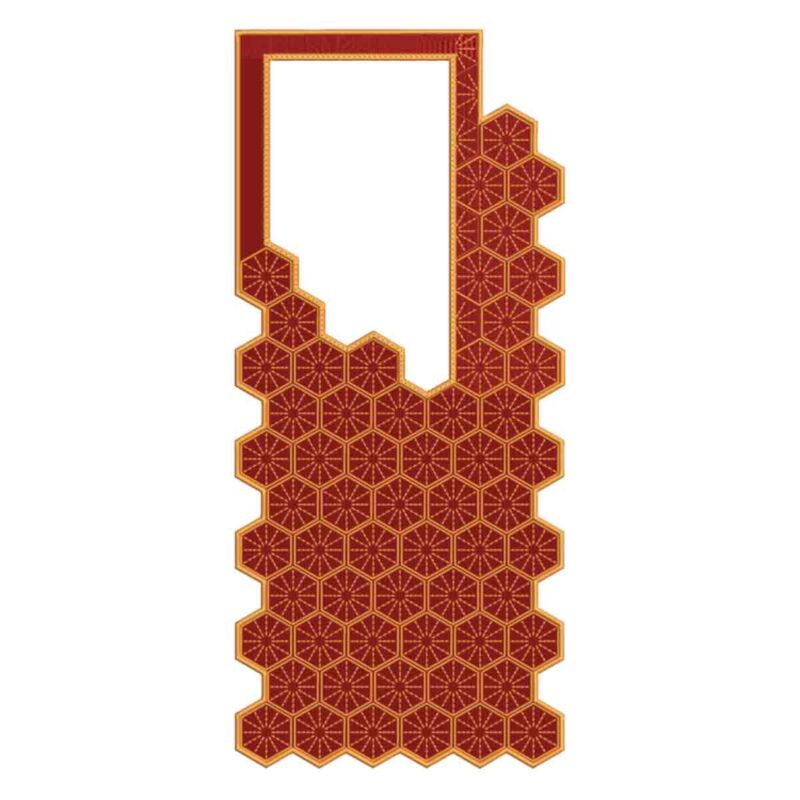
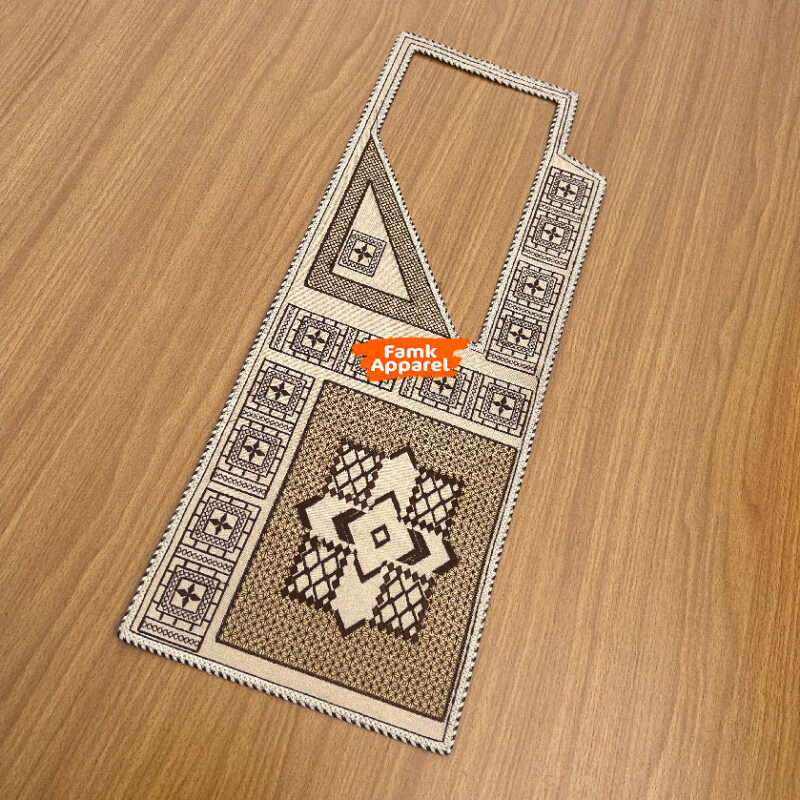
Digital embroidery is used on Agbada and Kaftan to create decorative patterns in planned positions, including the chest, neckline, front panel, cuffs and pockets. The design can be subtle or elaborate, depending on the garment’s cut, fabric, occasion and the wearer’s preference.
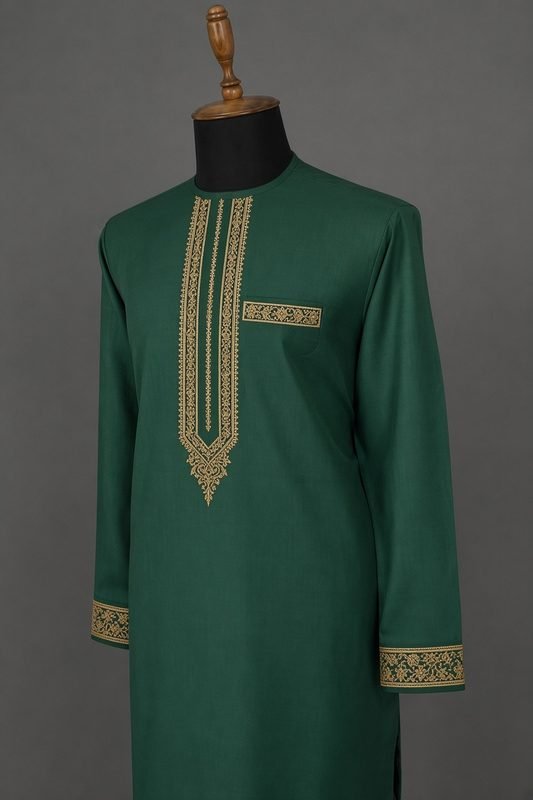
On an Agbada, a broad chest area may accommodate a larger motif or structured panel. A Kaftan usually has a narrower visible front, so the design may need to be more compact. In both cases, the pattern should complement the garment rather than compete with its shape.
Common applications include:
- Chest-panel embroidery: A focal design across the upper front of an Agbada.
- Collar and placket details: Decorative stitching that follows the neckline or front opening.
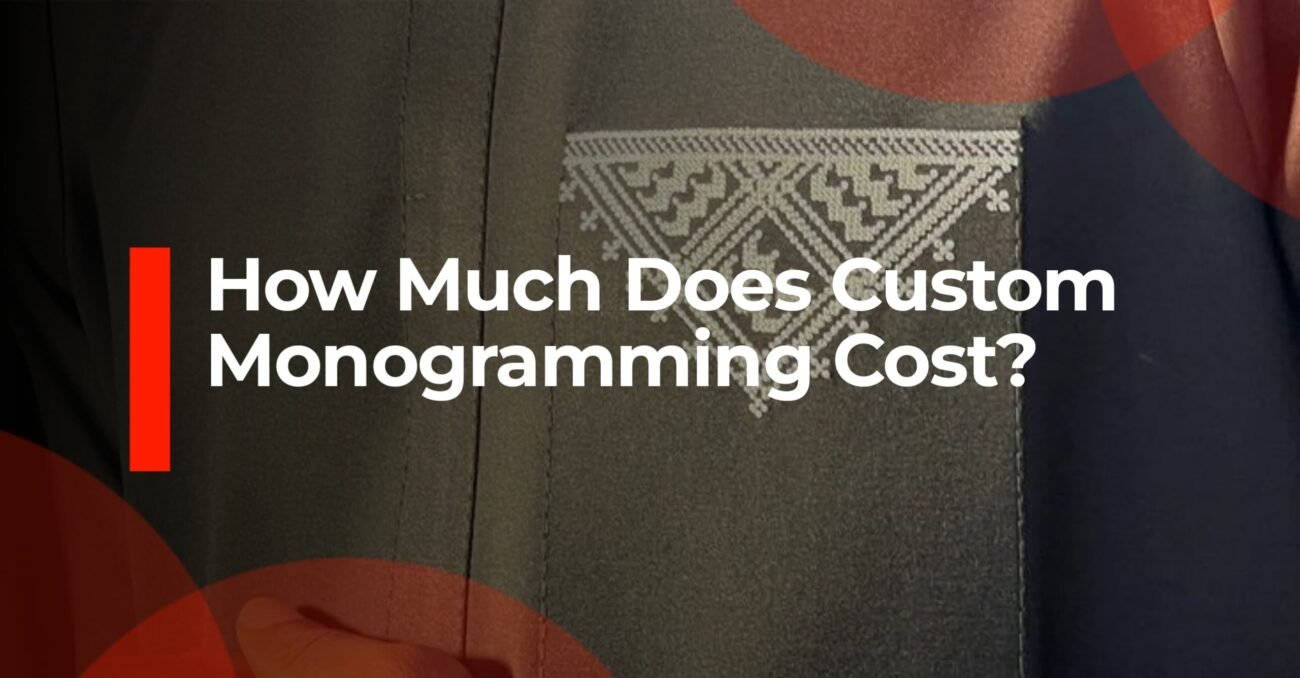
- Monograms: Initials or personalised motifs on selected areas of a garment.
- Cuff and pocket embroidery: Smaller details that add interest without covering large areas.
- Coordinated traditional designs: Patterns adapted to suit matching outfits or a particular event.
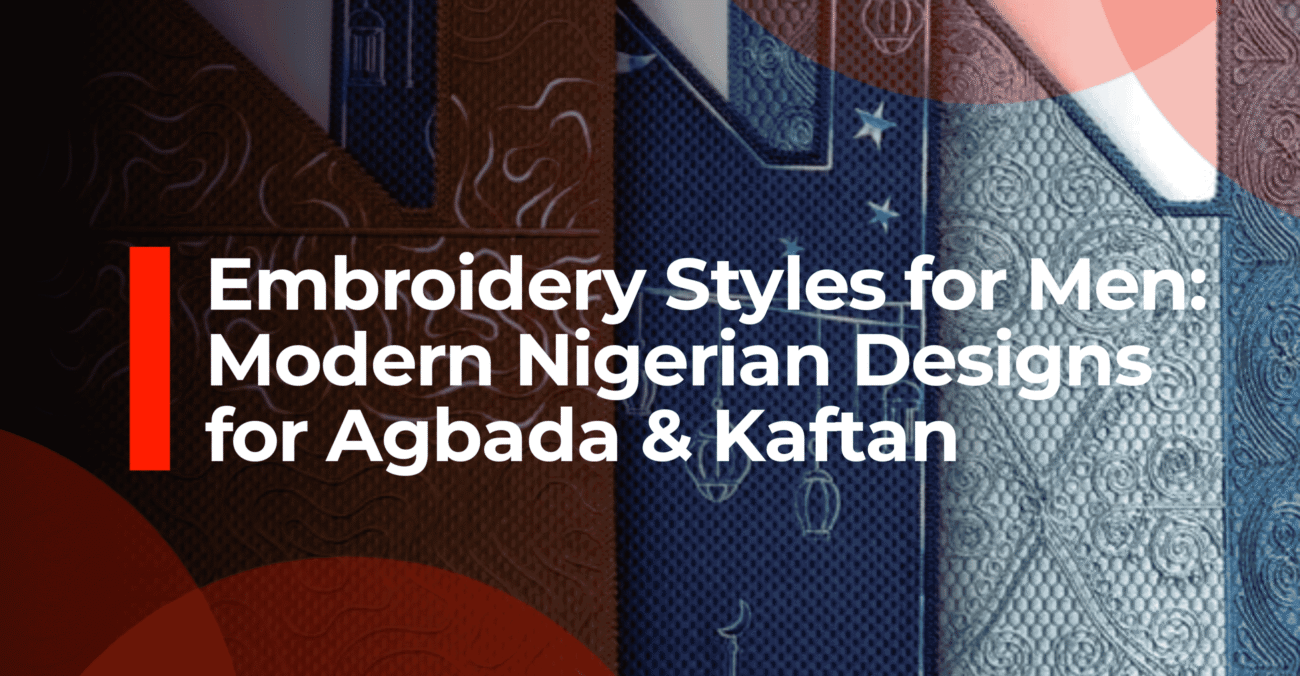
For more inspiration, explore FAMK’s guide to embroidery designs for men in native wear.
What Is Embroidery Digitising, and Why Does It Matter?
Embroidery digitising is the process of turning artwork into a stitch plan that an embroidery machine can follow. The digitiser determines how the pattern will be stitched, including stitch direction, density, sequence and underlay where needed. Good digitising helps the design suit the fabric and reduces avoidable stitching problems.
This is especially important for detailed Agbada embroidery. Fine lines, tight curves and dense chest panels may need adjustments to avoid gaps, puckering or excessive stiffness. Simply shrinking a large design does not guarantee that it will stitch correctly at a smaller size.
Learn more in FAMK’s guide to embroidery digitising.
What Are the Benefits of Digital Embroidery?
Digital embroidery can help reproduce a design consistently, manage intricate patterns and make repeat production easier. It also allows a design to be planned before stitching begins. However, results are not automatic: fabric choice, digitising quality, machine setup and finishing all affect the outcome.
For fashion designers and customers, the main advantages include:
- Repeatability: A prepared design can be used again, subject to suitable setup and adjustments.
- Detailed patterns: Machine-guided stitching can produce intricate decorative work.
- Planned placement: Designers can prepare the dimensions and position before production.
- Personalisation: Monograms and custom motifs can be created for individual garments.
- Design flexibility: A design can be adapted to different garment sizes and placements, but changes may require further digitising adjustments or testing.
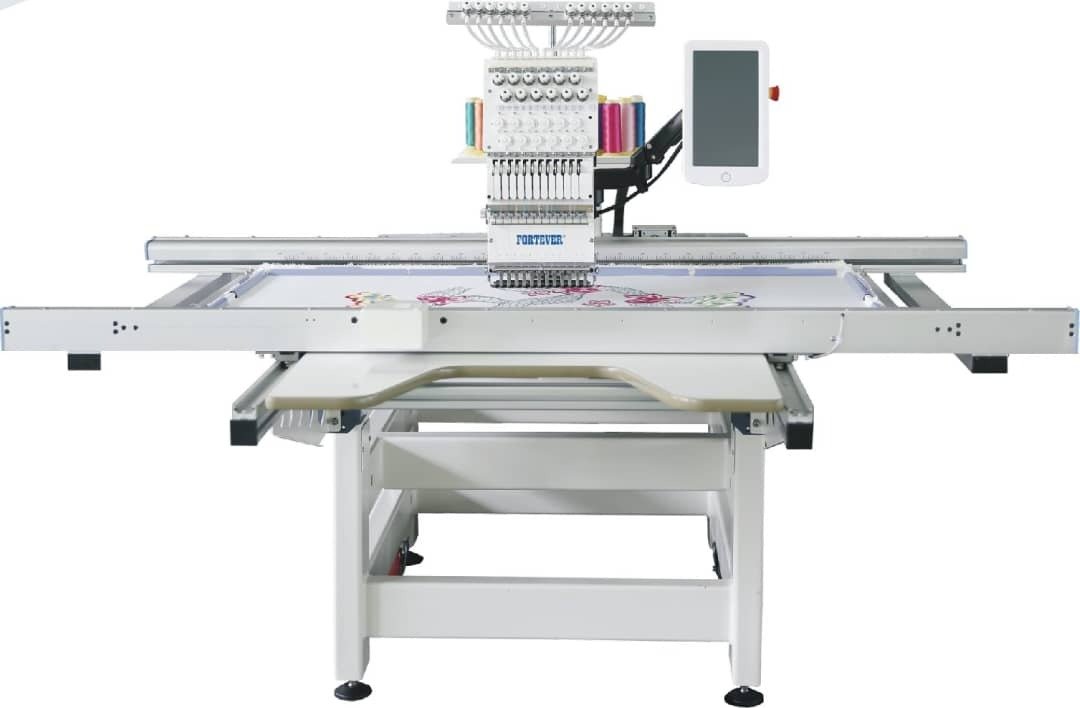
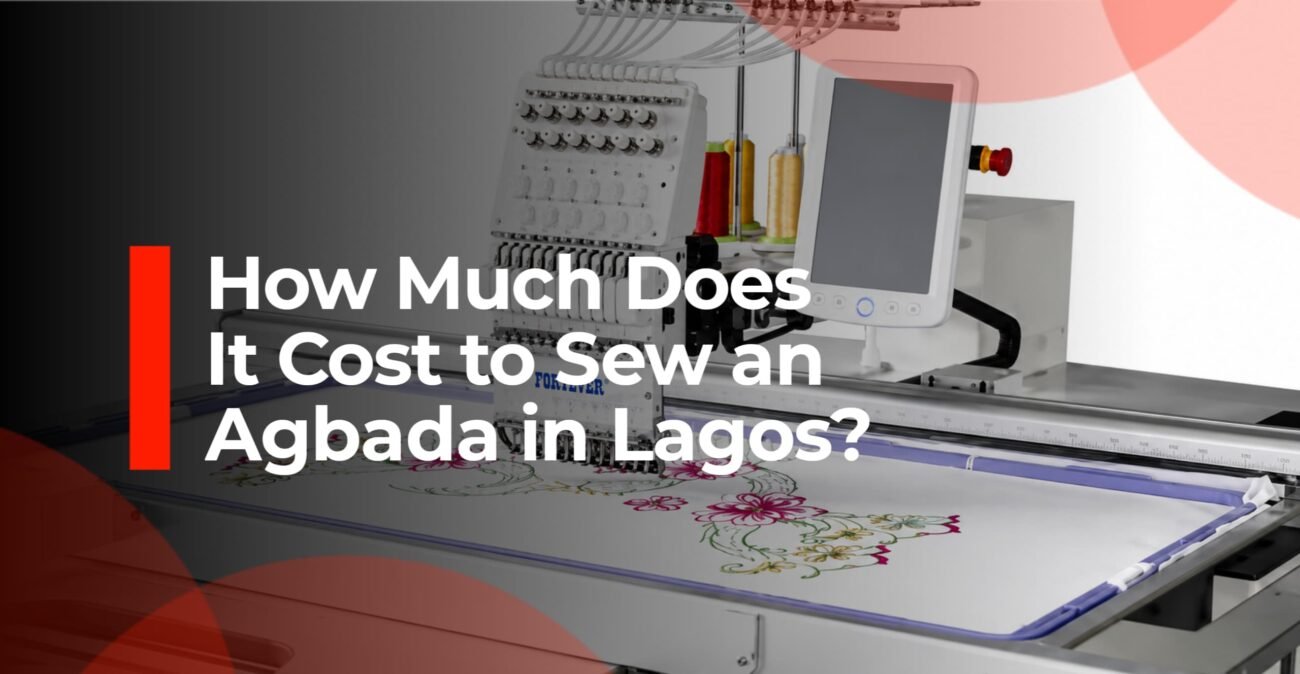
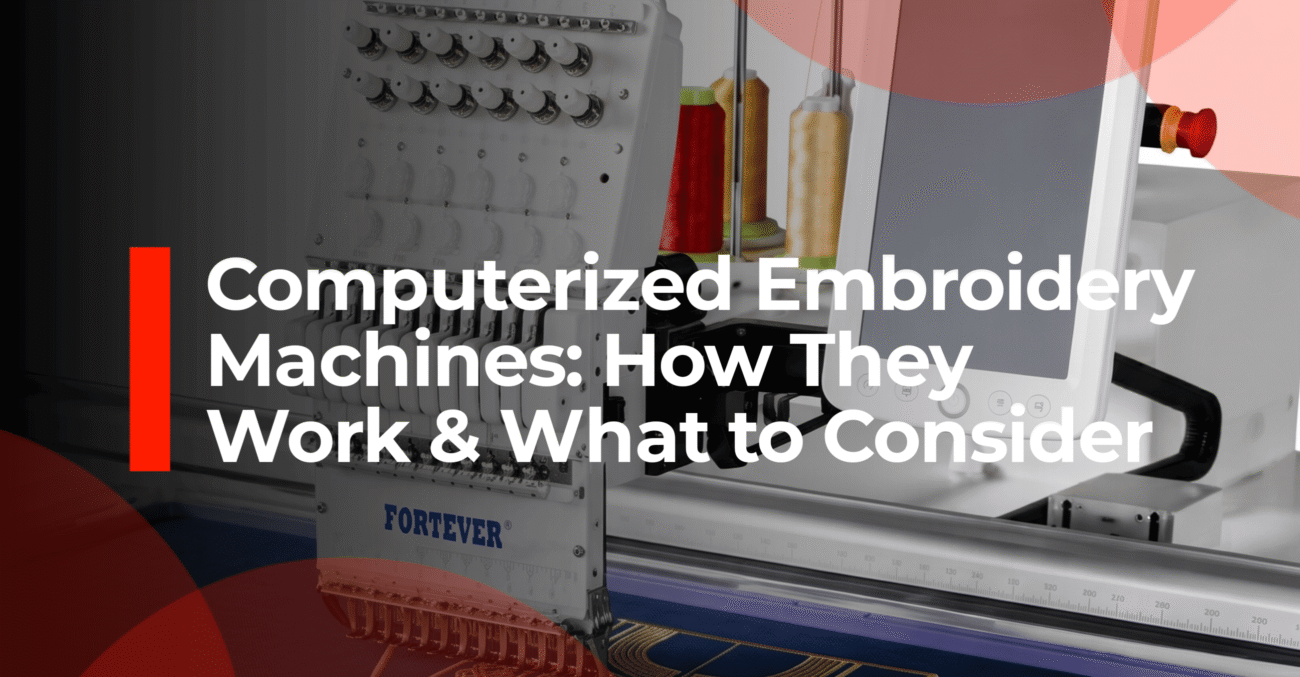
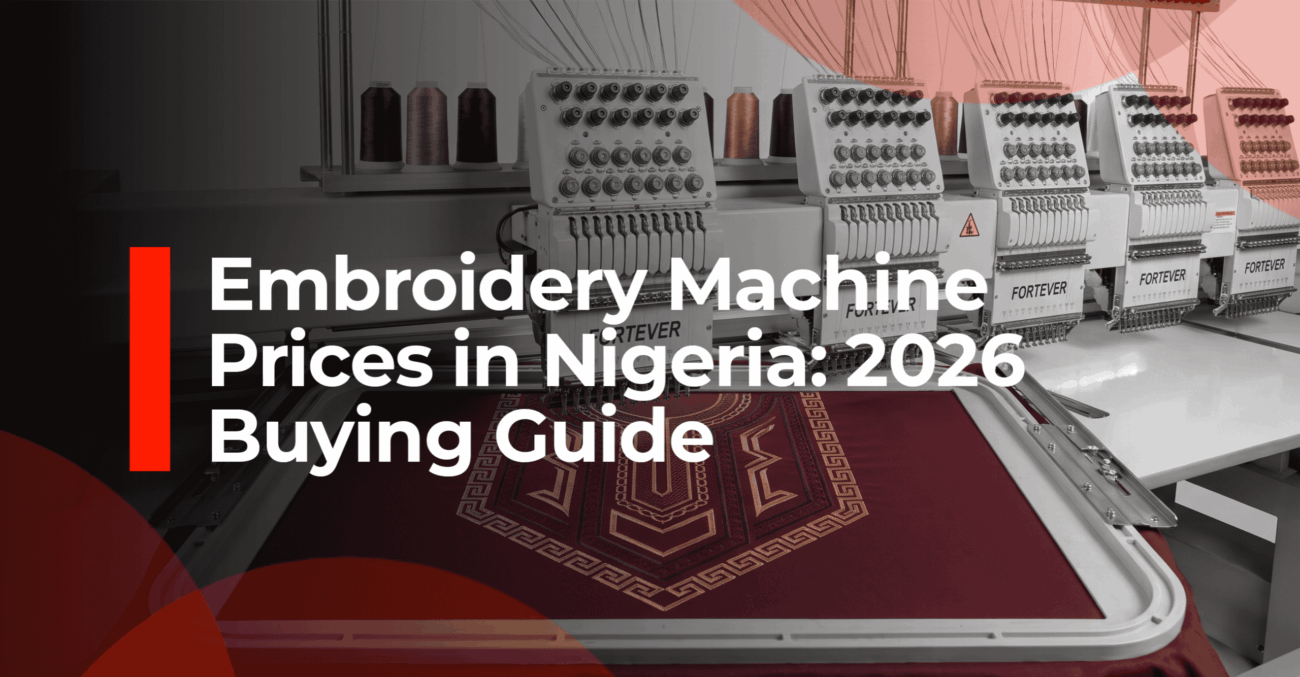
Fortever embroidery machine
Digital embroidery does not replace design judgement. It is a production method, and the quality of the result depends on the decisions made before the machine starts.
Is Digital Embroidery the Same as Custom Embroidery?
Not exactly. custom embroidery refers toa design created or adapted for a particular person, garment, brand or design request. Digital embroidery describes a process that uses digital instructions and machinery. A custom design can be produced digitally, but custom embroidery can also be made using other methods.
For example, a customer may request a personalised agbada chest motif or initials on a kaftan. The design is customised to the request, then the provider determines the appropriate production method. This is the practical meaning of custom embroidery: the design is made or adapted for a specific purpose rather than selected unchanged from a standard pattern.
Frequently Asked Questions
What is computer embroidery?
Computer embroidery, often called computerized embroidery, uses a computer-controlled machine to stitch a design onto fabric. The machine follows a prepared stitch file that specifies how the pattern should be sewn. The file must be suitable for the design, fabric and intended placement to produce a clean result.
How does embroidery machine work?
An embroidery machine follows programmed stitch instructions to move the needle and fabric in a controlled sequence, building the design one stitch at a time. The material must be secured properly, and the machine needs suitable thread, needles and settings. The digitised file determines how the intended pattern is stitched.
Can digital embroidery be used on Agbada and Kaftan?
Yes. Digital embroidery can be used on agbada, kaftan and other African menswear for chest panels, collar details, monograms, cuffs and decorative motifs. The design should be adapted to the garment’s shape and fabric. Dense stitching or poorly planned placement can affect comfort and appearance, so preparation matters.
Explore Digital Embroidery for Traditional Wear
Digital embroidery brings together artwork, digitising and machine stitching to create patterns for traditional garments. For agbada and kaftan, the most successful designs are planned around the fabric, garment shape and intended placement—not simply copied from an image.
FAMK Apparel offers digital embroidery-related design services for African menswear. To understand how the design process applies to agbada, read our guide on digital agbada embroidery in Nigeria. For the machinery side of the process, see the digital embroidery machine guide for fashion brands.