
Blog
African Dress for Men: Digital Embroidery & Fabric Guide

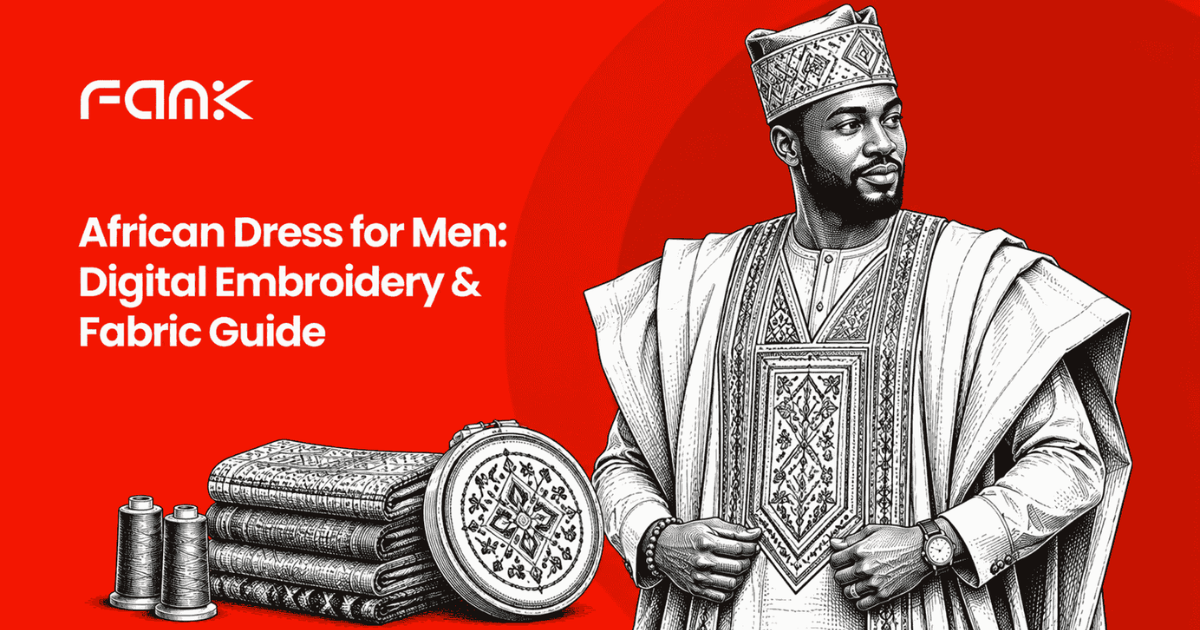
African menswear is often judged by what you can see first: the fabric, silhouette, colour and embroidery. This one goes underneath that, into fabric behavior and how it interacts with a stitching method most buyers never think much about until they see the finished piece. African dress for men has changed less in shape over the last decade than it has in what’s technically possible on the surface of each garment.
How Does Digital Embroidery Work With Different Fabrics?
Digital embroidery maps every stitch in software before a machine executes it, which means density, tension, and thread placement are controlled with a level of consistency hand stitching struggles to match across a large surface. That precision matters most on fabrics that are less forgiving, thinner cottons or tightly woven linens, where uneven hand tension can pucker the material. Digitized files distribute stitch pressure evenly, so even delicate fabric can support intricate work without warping.
Which Fabrics Respond Best to Digitized Embroidery?
Fabric weight and weave influence how much embroidery a garment can carry well. Digital embroidery gives designers greater control over stitch density, placement and pattern detail, making it easier to adapt the embroidery to the fabric rather than treating every fabric the same way.
Lightweight cotton and linen now support finer, more intricate patterns than they historically could under hand or basic machine embroidery, since digital stitching applies less physical strain per pass. Brocade and guinea brocade, already structurally suited to heavier coverage, benefit differently. Digital work lets designers layer gradient thread effects and mirrored symmetry onto that heavier base without the inconsistency hand embroiderers sometimes introduce across a wide chest panel.
| Fabric | Traditional Limitation | What Digital Embroidery Enables |
| Cotton | Puckers under dense hand stitching | Finer detail, monograms, script work |
| Linen | Limited coverage without warping | Cleaner lines, lighter panel designs |
| Brocade / Guinea brocade | Consistency varies by embroiderer | Mirrored symmetry, gradient shading |
| Ankara print cotton | Embroidery can compete with print | Precisely aligned accent stitching |
Agbada vs Kaftan: Does Fabric Choice Change Between the Two?
Agbada vs kaftan comparisons usually focus on silhouette, but fabric selection differs too. In both cases, the best result comes from treating the fabric and embroidery design as one production decision rather than two separate choices.
Agbada’s wider surface area favors slightly heavier fabrics that hold their drape under dense chest panel work, while kaftan’s closer fit often pairs better with lighter cotton or linen, since the embroidery there concentrates on collar and cuff rather than a full chest. Digital embroidery adapts to both, but the design brief usually looks different depending on which garment it’s headed for.
Once the fabric and embroidery approach have been decided, the next advantage becomes production.
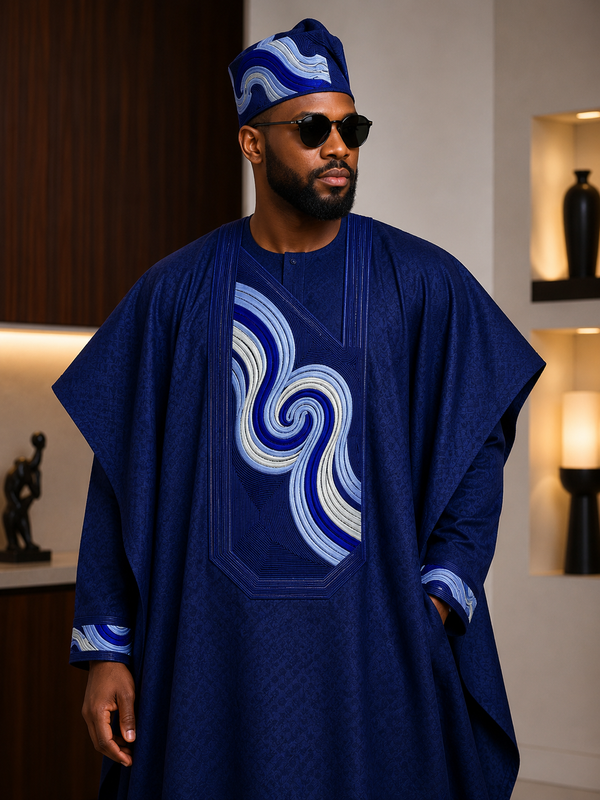
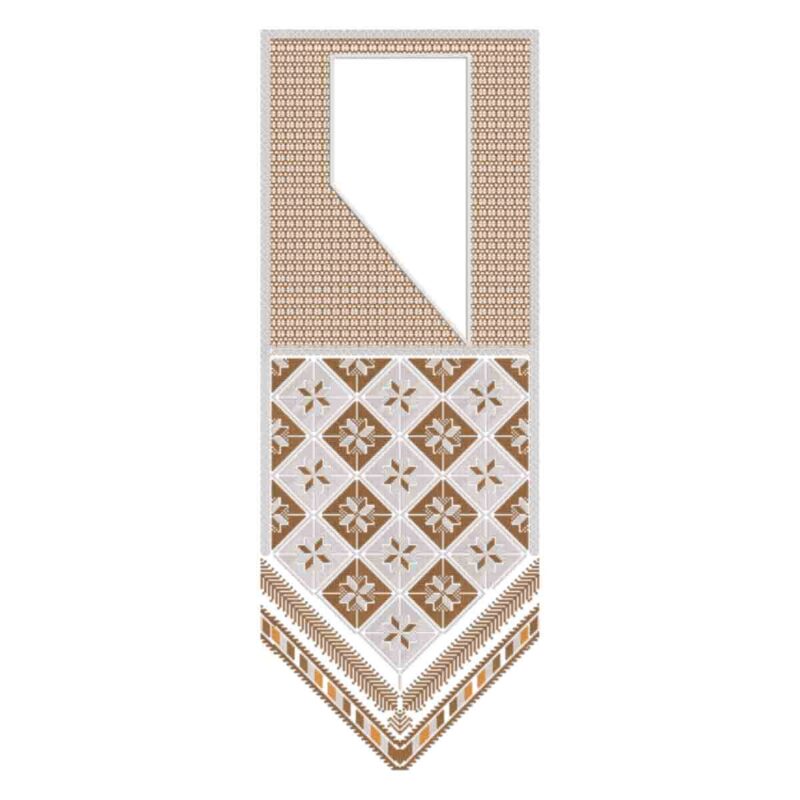
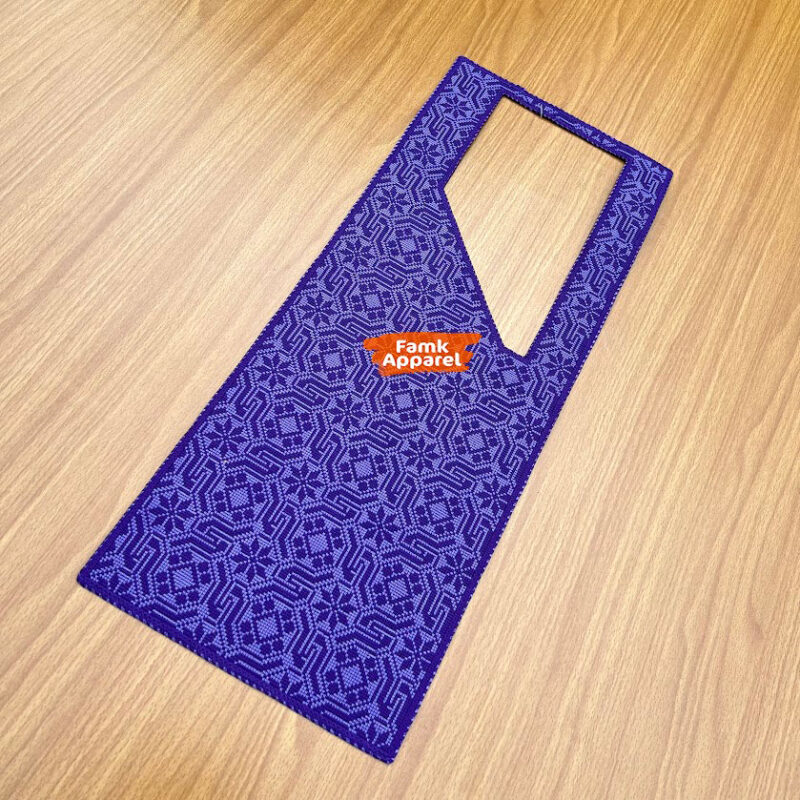
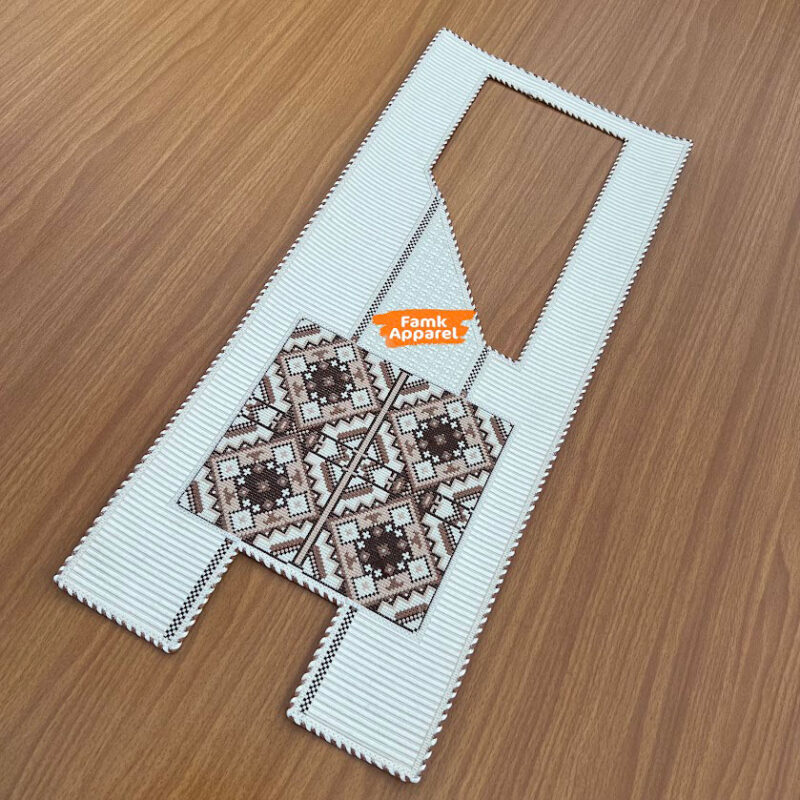
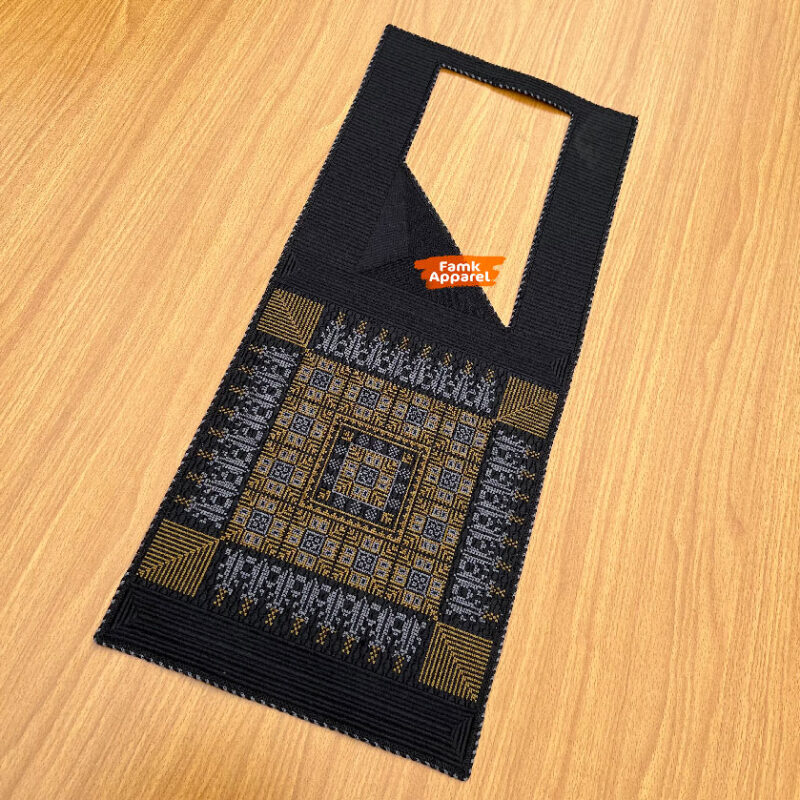
Monogram agbada embroidery
How Has Digital Embroidery Changed Turnaround for African Wear for Men?
African wear for men that once required weeks of hand embroidery for a fully covered chest panel can now move through production in days once the digital file is finalized. The design phase, converting artwork or a concept into a stitch-ready file, takes some upfront time, but production itself moves considerably faster once that file exists.
For custom monogram work specifically, this shift has made personalization far more accessible than it was even a few years back, when it was mostly reserved for high budget, hand stitched pieces.
FAMK’s approach to this has stayed fairly consistent since the brand started pushing embroidery into mainstream African fashion pieces rather than keeping it limited to logo work or cap customization. Every design that comes through the studio, a custom monogram, family crest, or a fully original pattern, gets digitized in-house before it reaches production. That combination of fashion design background and digitization expertise is part of what separates a clean, well-proportioned embroidered piece from one that reads as slightly rushed or inconsistent.
Have a design in mind already? Explore FAMK’s digitizing and custom embroidery services to see how a concept moves from artwork to finished garment.
What Should Someone Look for in Embroidered Fabric Designs?
When assessing embroidered fabric designs, look for even stitch density across the full design, clean mirrored symmetry if the pattern is meant to be symmetrical, and thread tension that doesn’t pull or gather the fabric underneath are the clearest signs of quality embroidered fabric designs. Buyers unfamiliar with the process sometimes focus purely on the pattern itself, but the technical execution underneath is what determines whether that pattern still looks sharp after repeated wear.
Frequently Asked Questions
Does digital embroidery work on all fabric types?
Most fabrics can support digital embroidery, though results vary by weight and weave. Lightweight cotton and linen suit finer, less dense patterns well, while heavier fabrics like brocade support denser coverage. A good digitizing service adjusts stitch density and underlay based on fabric type to avoid puckering or distortion.
What’s the main difference between agbada and kaftan embroidery placement?
Agbada typically carries larger chest panel embroidery due to its wider fabric area, while kaftan embroidery concentrates on the collar, cuffs, and center placket since the garment sits closer to the body. Fabric choice often follows this pattern too, with agbada favoring slightly heavier material.
How long does digitizing a custom embroidery design take?
Digitizing a design usually takes a few days depending on complexity before production even begins. Simple monograms move faster than intricate mirrored panel designs. Once the digital file is finalized, production itself is significantly quicker than traditional hand embroidery timelines.
Final Thoughts
Fabric and finish used to be treated as separate decisions; pick the material, then figure out what embroidery it could reasonably support. Digital embroidery has narrowed that gap considerably, letting finer, more ambitious designs land on fabrics that once limited what was possible. The result is African dress for men that looks more deliberate and more personal than it did even a short while ago.
Ready to get a custom design digitized and produced? Start with FAMK’s embroidery and digitizing services and see what your fabric of choice can actually carry.