

Blog
7 Agbada Embroidery Mistakes to Avoid Before Making Your Traditional Outfit

Agbada embroidery can make a traditional outfit distinctive, but a good design on paper does not always translate well onto fabric. Poor placement, unsuitable thread colours, incorrect sizing and weak finishing can affect the final result. Before production begins, it helps to understand the common agbada embroidery mistakes, why they happen and what to check with your tailor or embroidery designer.
1. Choosing an Embroidery Design Without Considering the Agbada
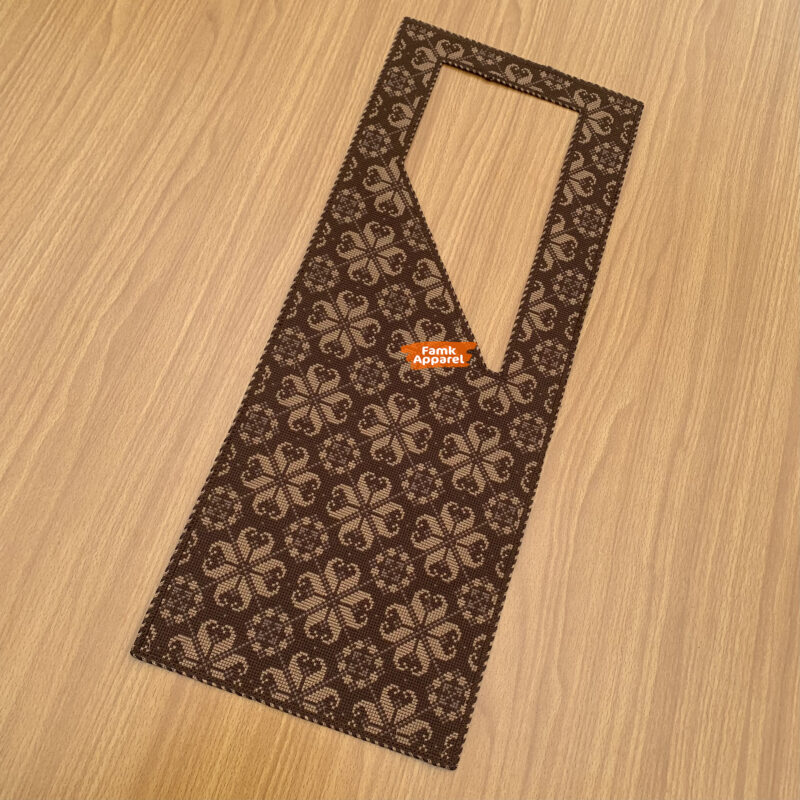
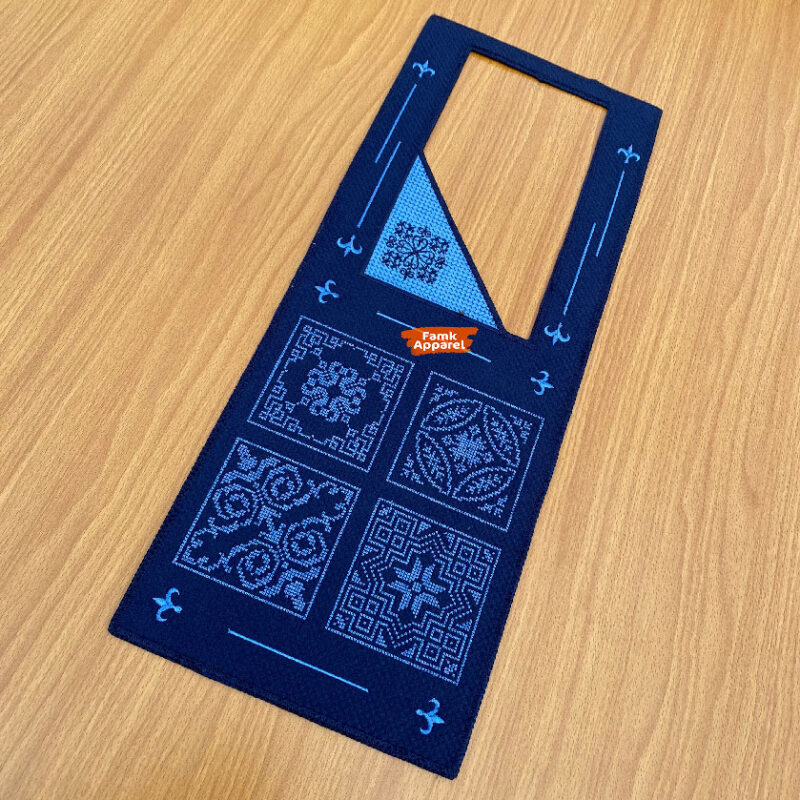
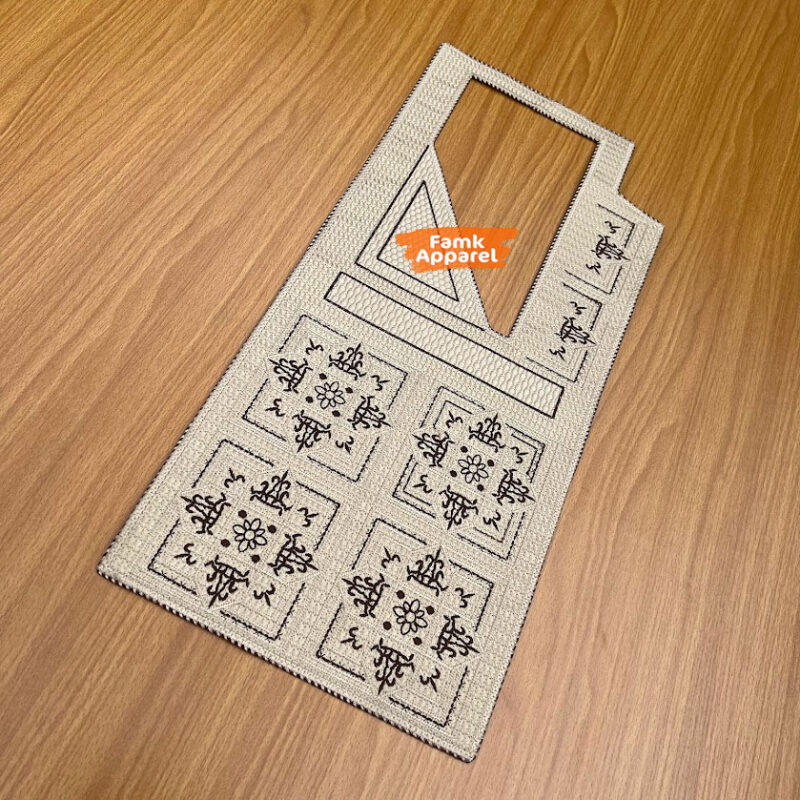
One common agbada embroidery mistake is choosing a design because it looks attractive in a reference photo without checking whether it suits the actual garment. A pattern designed for a wide chest panel may not work on a narrower cut, and a detailed motif can overwhelm a lighter fabric.
Consider the garment’s fabric, colour and intended occasion before settling on a design. Traditional, geometric and contemporary patterns can all work, but their scale and placement should complement the agbada.
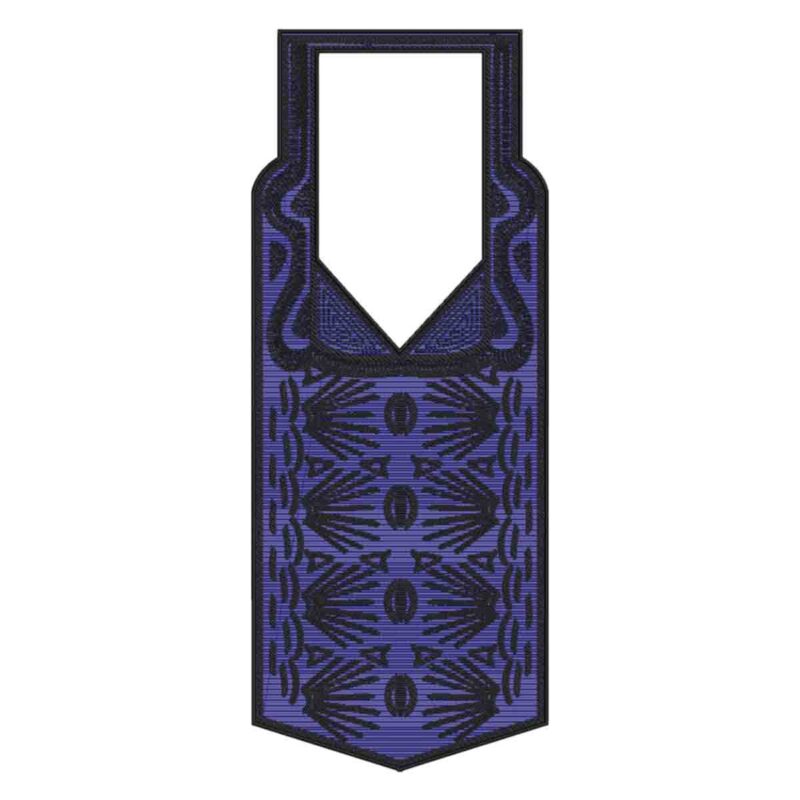
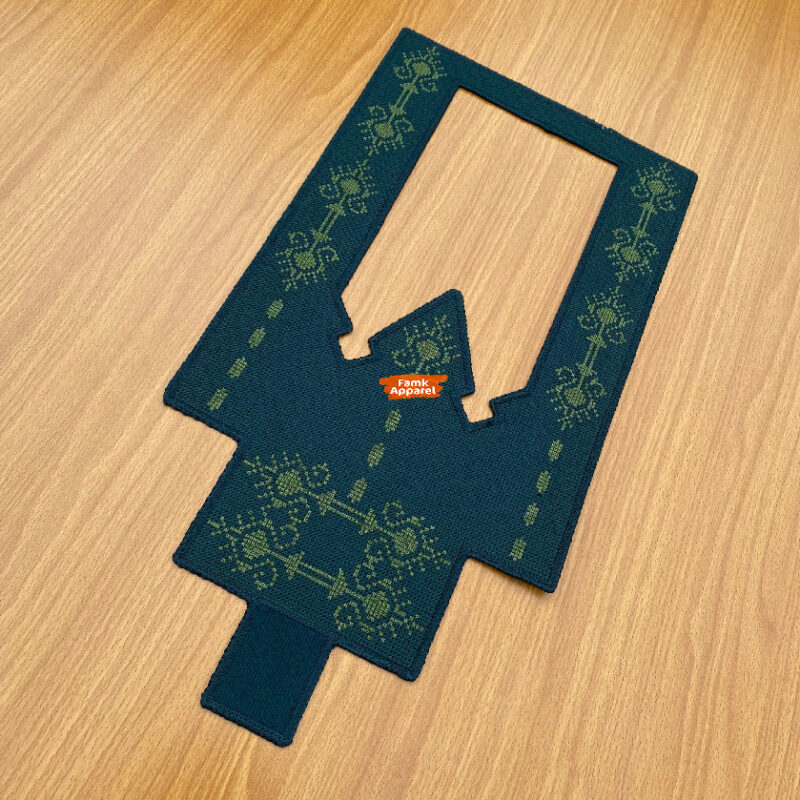
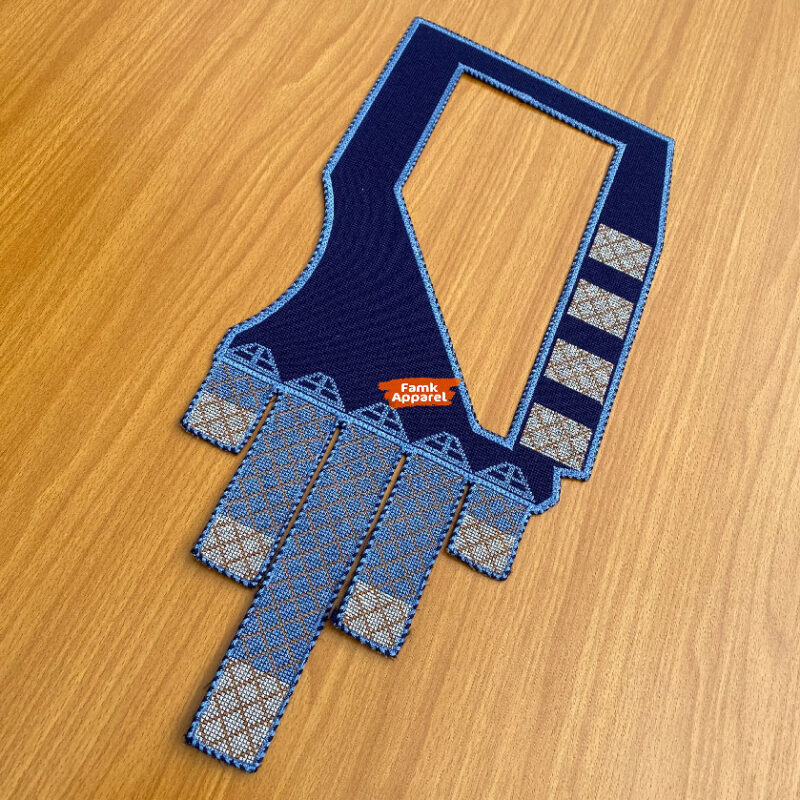
If you need inspiration, explore these Agbada embroidery designs before deciding on a final pattern.
2. Getting the Embroidery Placement Wrong
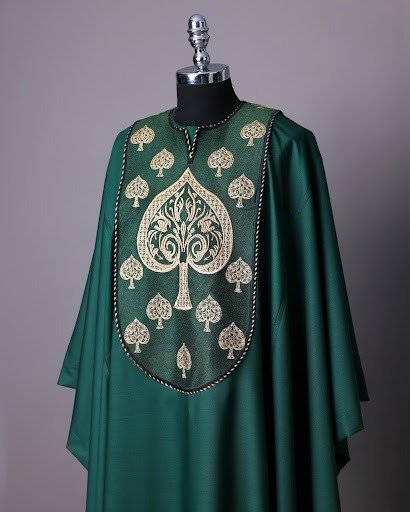
Embroidery placement mistakes can make an otherwise beautiful agbada look unbalanced. A chest motif that sits too high, a design that shifts away from the centre or fabric that crowds the neckline can affect the garment’s overall appearance.
Before stitching begins, confirm the design’s position against the actual garment measurements. Check the neckline, centre line, shoulder width and available space. Ask to review a placement mock-up or marked outline before approving production. It is much easier to adjust the position at this stage than after the fabric has been embroidered.
Example of incorrect embroidery placement on an Agbada
3. Using the Wrong Thread and Fabric Colours
Wrong embroidery colour combinations can make a design difficult to see or distract from the agbada itself. Gold thread on cream fabric, for example, may produce a subtle finish, while a contrasting thread can make the same pattern more prominent. Neither is automatically better; the intended look matters.
Consider these factors before choosing thread:
- Contrast: Decide whether the embroidery should stand out or blend into the fabric.
- Occasion: A restrained palette may suit formal wear, while a bolder combination can work for celebrations.
- Fabric texture: Patterned or shiny material can affect how thread colours appear.
- Lighting: Colours may look different indoors, outdoors and in photographs.
If you are uncertain, request a colour preview using the actual fabric. FAMK’s agbada embroidery colour guide can also help you compare combinations.
4. Ignoring Fabric Suitability and Weight
Not every fabric responds to embroidery in the same way. Lightweight or loosely woven material may pucker under dense stitching, while a thicker fabric can support some designs more comfortably. Choosing the pattern before considering the material can lead to avoidable embroidery defects.
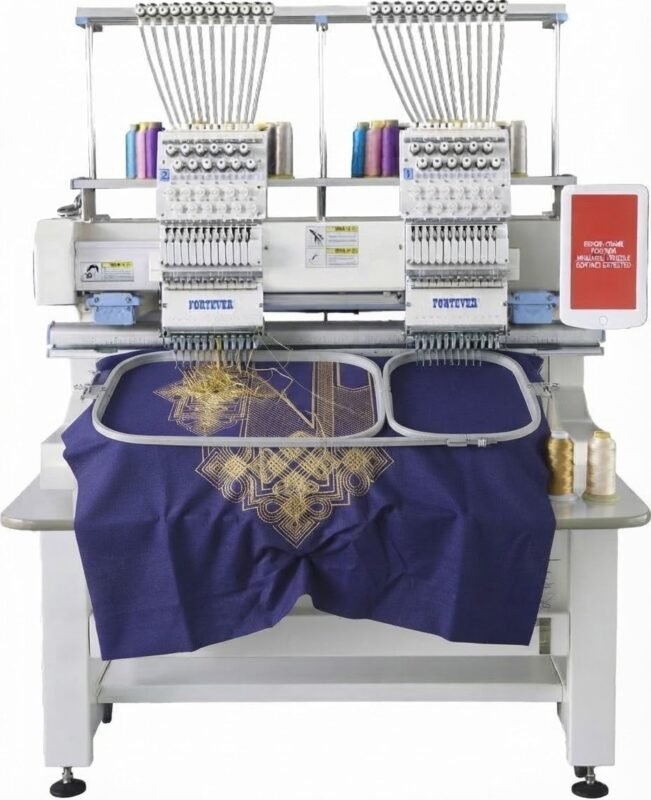
Tell your designer what fabric you plan to use before the design is finalised. The stitch density, motif size and backing or stabilising method may need adjustment to suit the material. This is especially important when a design covers a large part of the chest. A pattern that looks impressive digitally may feel too heavy or stiff when stitched onto the garment.
5. Approving the Design Without Checking the Digitised File
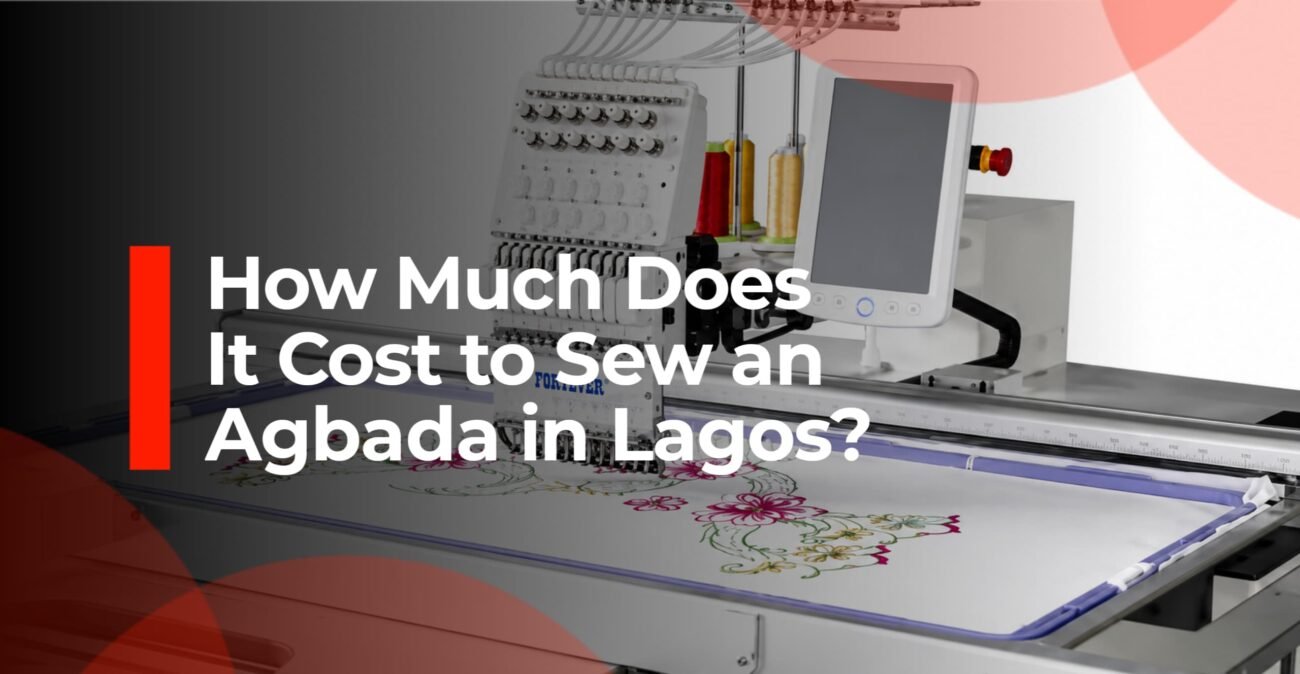
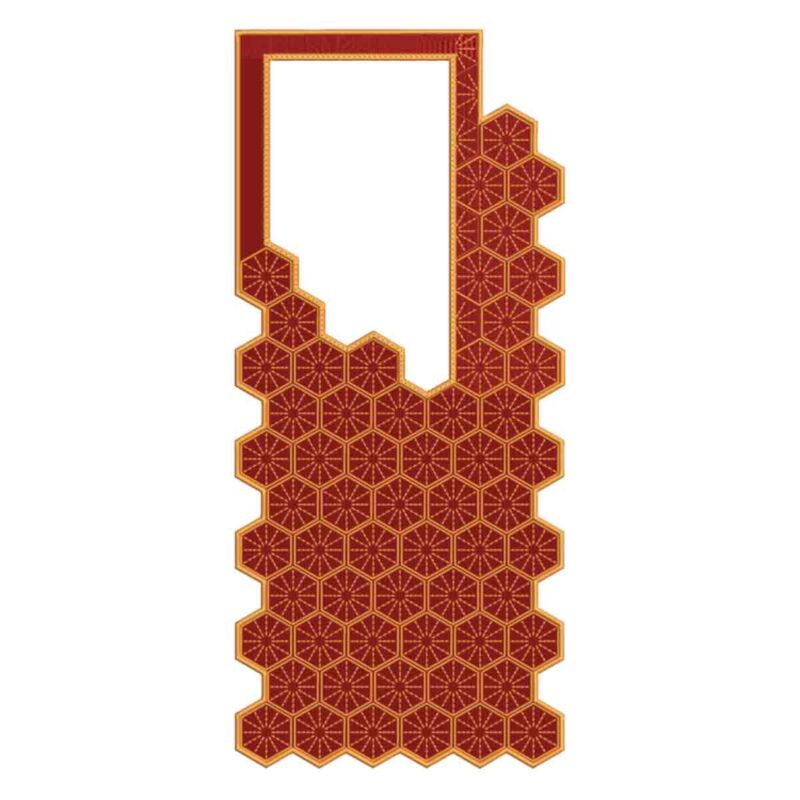
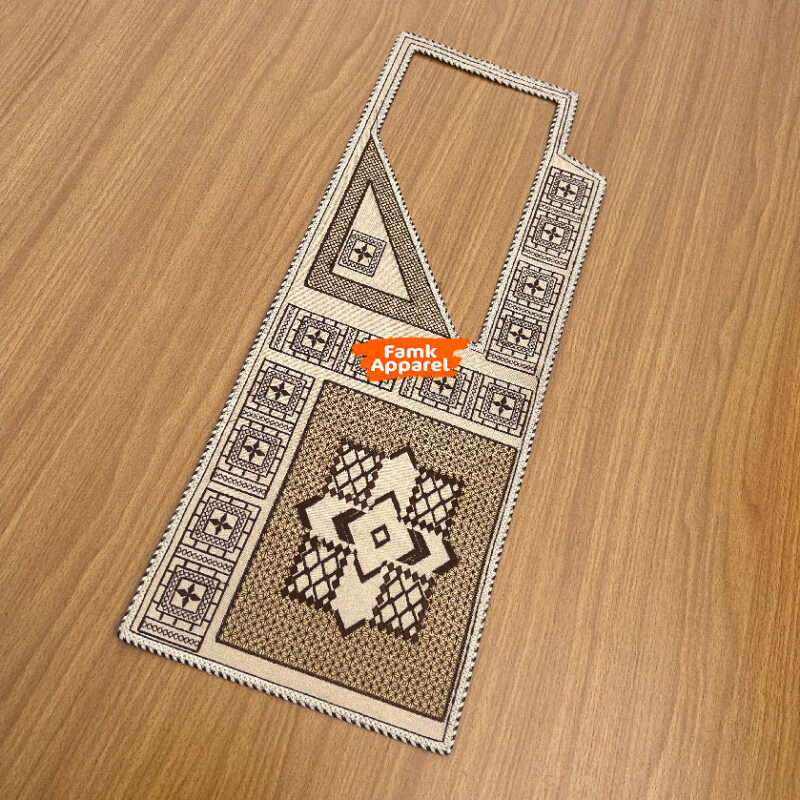
For machine embroidery, the artwork usually needs to be converted into a stitch file that tells the machine how to sew the pattern. A design can look correct on screen but stitch poorly if the file has poor stitch sequencing, unsuitable density or incorrect sizing.
Before approving production, check the intended dimensions, placement and thread colours. Ask whether the design has been prepared for the fabric and embroidery area rather than simply resized from another pattern.
Where possible, request a proof or sample stitch-out for complex designs. This can reveal gaps, overlapping stitches or other embroidery problems before the final garment is completed. Learn more about embroidery digitising and how a design is prepared for stitching.
6. Overloading the Agbada With Too Much Embroidery
More embroidery does not necessarily make an agbada look better. Too many motifs, competing patterns or dense stitching across every available area can make the outfit feel crowded. In some cases, the added stitching also affects the fabric’s drape and comfort.
A simpler design can be just as distinctive. An agbada without embroidery may suit someone who prefers a clean, understated look, while a carefully placed chest panel or coordinated border can provide detail without overwhelming the garment.
The decision should reflect your personal style, the occasion and the fabric. If you want extensive embroidery, make sure the design has enough visual structure to guide the eye instead of filling every space.
7. Overlooking Finishing and Quality Checks
Poor embroidery finishing can undermine an otherwise well-planned design. Uneven outlines, loose threads, visible gaps, messy thread changes or puckered fabric may become noticeable when the outfit is worn. These problems can result from production issues that were not identified before the garment was handed over.
Inspect the finished agbada in good lighting. Check whether the pattern follows the approved design, the placement is balanced, and the stitching looks consistent. Examine the reverse side where accessible, and look for loose threads or areas where the fabric has gathered.
Do not rely on a quick glance from a distance. Ask the tailor or embroidery provider to correct visible defects before accepting the outfit.
What Should You Check Before Agbada Embroidery Begins?
Before approving production, confirm the design, fabric, thread colours, measurements and final placement. These details reduce misunderstandings between you, your tailor and the embroidery designer.
Use this checklist:
- The design suits the agbada’s cut and available space.
- The embroidery dimensions and placement have been approved.
- Thread colours have been checked against the actual fabric.
- The fabric is suitable for the design’s stitch density.
- The digitised design or proof has been reviewed.
- Finishing and quality checks are agreed before handover.
For a more detailed overview, read FAMK’s guide to the custom agbada embroidery process.
Frequently Asked Questions
What are the most common agbada embroidery mistakes?
The most common agbada embroidery mistakes include poor placement, unsuitable thread colours, designs that are too large or dense, and weak finishing. Fabric choice and digitising errors can also affect the result. Reviewing the design, measurements and colours before production helps prevent many problems.
Can embroidery ruin an agbada?
Yes, poorly planned or executed embroidery can affect an agbada’s appearance, comfort and fabric structure. Dense stitching may cause puckering, while incorrect placement or colour choices can make the design look unbalanced. Choosing a suitable pattern and checking a proof before stitching reduces these risks.
Does an agbada look good without embroidery?
Yes. An agbada without embroidery can look elegant when the fabric, cut, fit and finishing are well chosen. Embroidery is a design option, not a requirement. If you prefer a minimal appearance, you can choose a clean finish or add subtle details around the neckline or chest.
Make the Checks Before Production
A successful agbada embroidery design starts with decisions made before the machine begins stitching. Choose a pattern that suits the garment, confirm its placement and colours, and make sure the fabric can support the design. These checks help reduce embroidery defects and give you a better chance of receiving the outfit you approved.
For custom embroidery planning, FAMK Apparel can help you explore design options for traditional wear before production begins.