

Blog
How Agbada Embroidery Is Made: Inside the Design, Digitising and Production Process

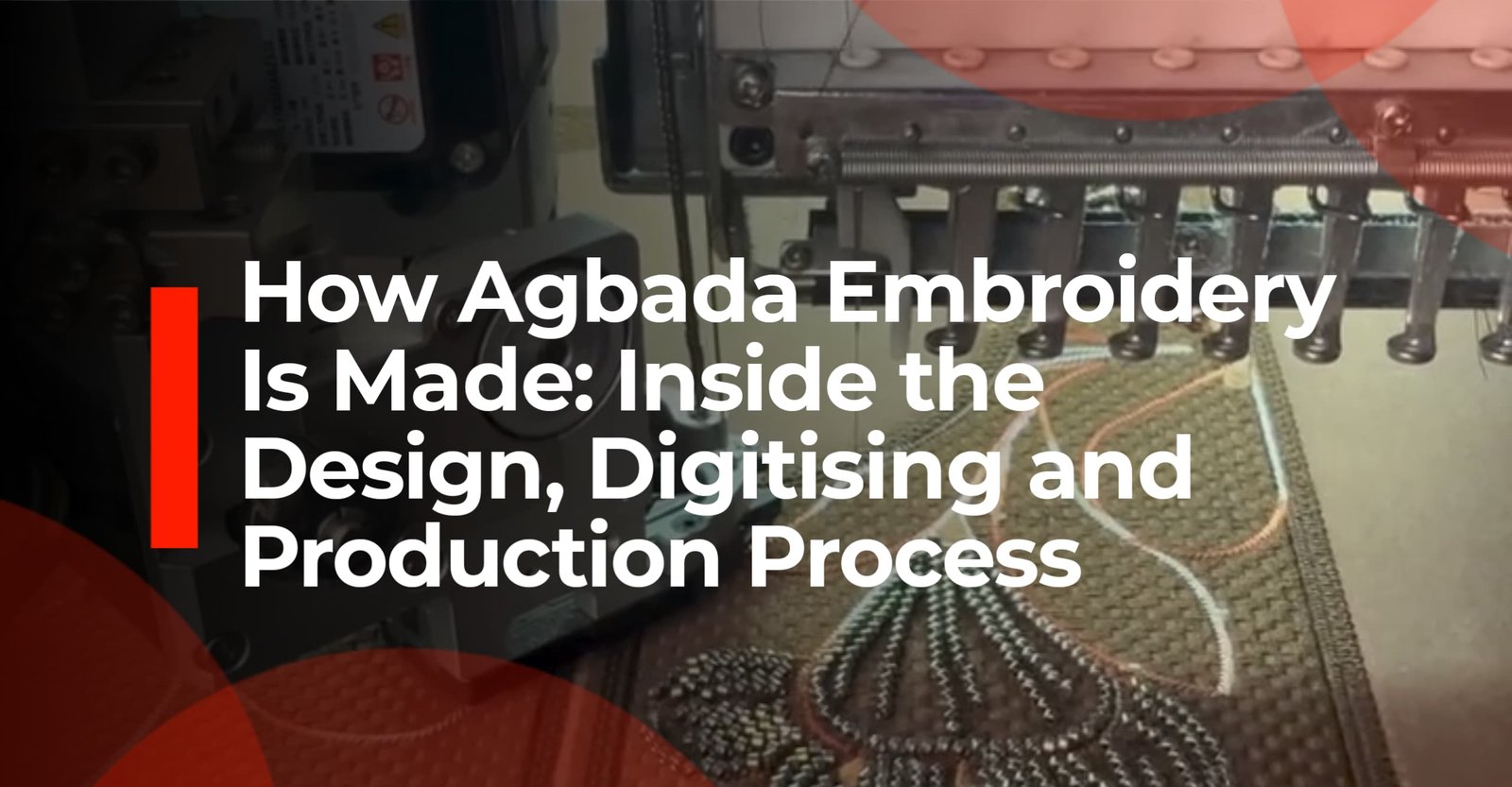
Agbada embroidery can look intricate when finished, but the production process starts long before a needle touches the fabric. A design must be planned, prepared for stitching and positioned correctly on the garment. Each stage matters, particularly when the embroidery needs to follow the shape of an Agbada chest panel or cape.
How Is Agbada Embroidery Made?
Agbada embroidery is made by developing a design, converting it into a stitch-ready file when machine embroidery is used, preparing the fabric, stitching the pattern and checking the finished work. The exact process varies by technique, but careful planning helps the embroidery sit properly on the garment and match the intended appearance.
The typical digital workflow follows six stages:
- Design concept and artwork.
- Digitising the design.
- Preparing the embroidery file.
- Positioning and securing the fabric.
- Machine stitching.
- Finishing and quality checks.
Hand embroidery follows a different production method, although planning, placement and finishing remain important.
How Does the Agbada Embroidery Design Process Begin?
The process begins with a design concept based on the garment, the wearer’s preferences, the fabric and the intended embroidery placement. The concept might be a geometric pattern, a traditional motif, a monogram or an elaborate chest panel. Before production, the designer considers the design’s size, colours and relationship to the garment.
(fortever video embed here)
This is where the Agbada embroidery designs you see in finished outfits begin to take shape. A customer may provide a reference image, while a fashion designer might request a custom pattern to match a particular outfit. The artwork then needs to be assessed for its suitability for embroidery.
Not every graphic will translate neatly into stitches. Fine lines, tiny lettering and overly dense details may need adjustment before production.
What Is Custom Embroidery, and What Does Digitising Do?
Custom embroidery means creating or adapting stitched artwork for a particular person, garment or design requirement. For machine embroidery, digitising is the technical process of converting that artwork into stitch instructions that the machine can follow. It defines details such as stitch types, direction, density and stitching sequence.
These are related, but they are not the same thing. A design file or image shows what the artwork should look like. A digitised embroidery file tells the machine how to produce it.
During digitising, the designer considers how the stitches will behave on the chosen fabric. A pattern intended for a firm chest panel may need different settings from one intended for a softer material.
For a deeper explanation, see our guide on embroidery digitising.
How Does a Computerized Embroidery Machine Work?
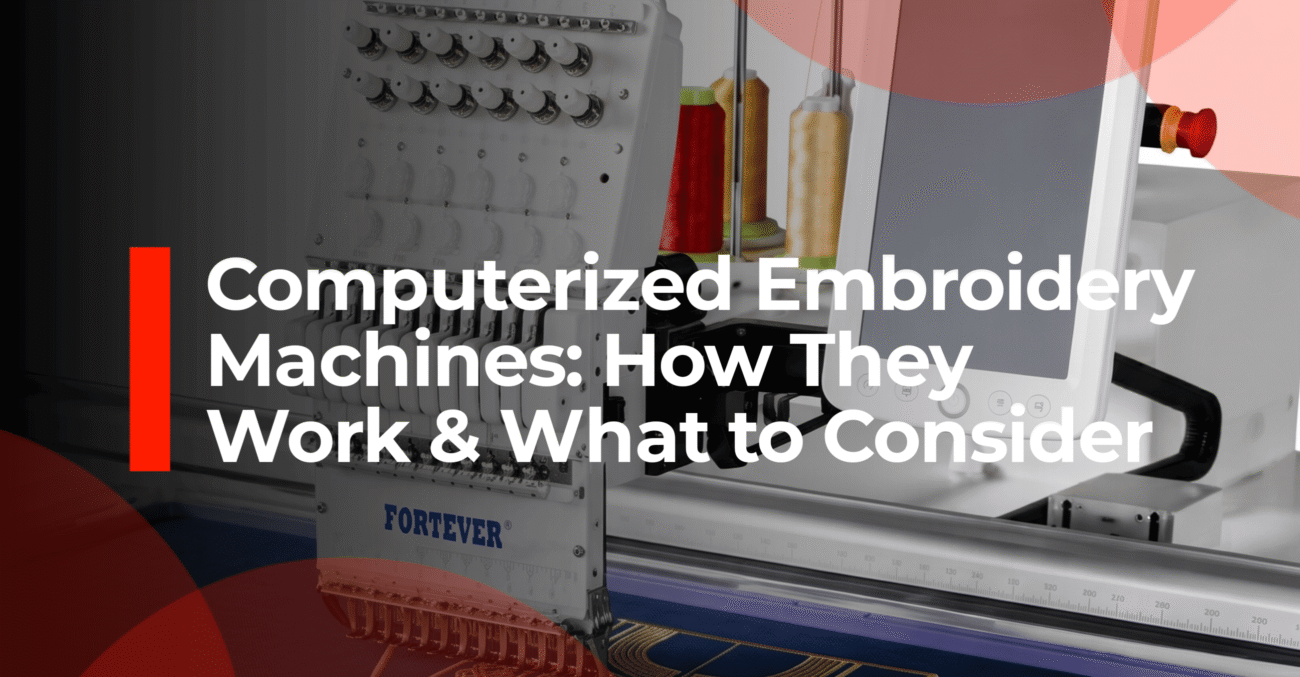
A computerized embroidery machine reads a compatible stitch file and uses programmed movements to create the design with thread and a needle. The fabric is secured in a hoop or suitable frame, and the machine follows the stitch instructions. The operator monitors thread, tension, positioning and stitching quality throughout production.
The machine does not independently turn every ordinary image into finished embroidery. The artwork usually needs to be digitised first. During stitching, the machine moves the needle and fabric mechanism according to the programmed pattern. Depending on the equipment, it may support multiple thread colours, automatic colour changes and different embroidery areas.
A digital embroidery machine can produce consistent results when the file, fabric preparation and machine settings are suitable. However, computerized embroidery still requires preparation and oversight. Incorrect settings or poor placement can affect the result.
How Is Embroidery Positioned on an Agbada?
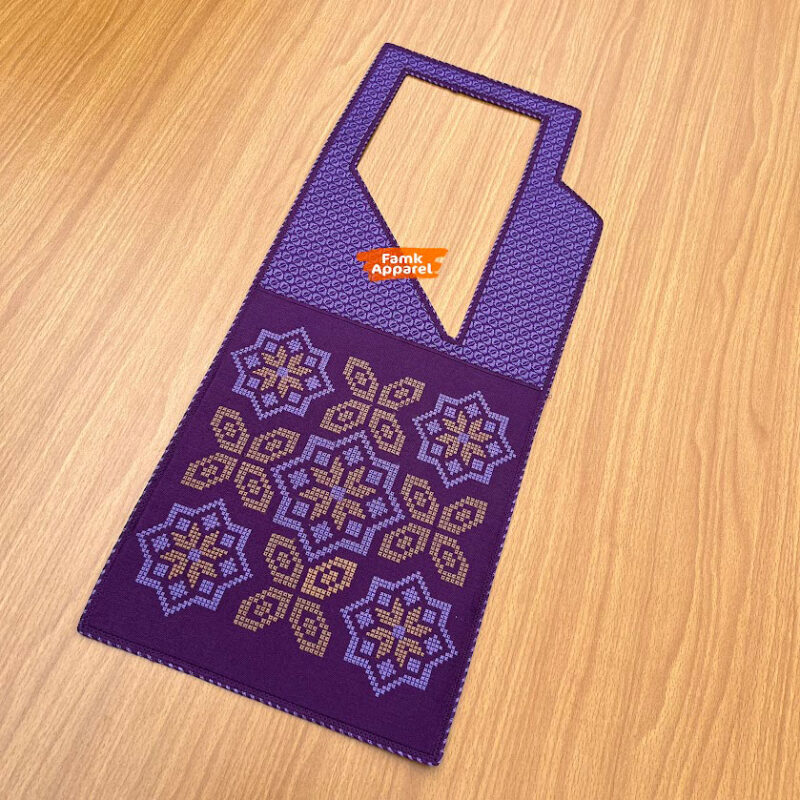
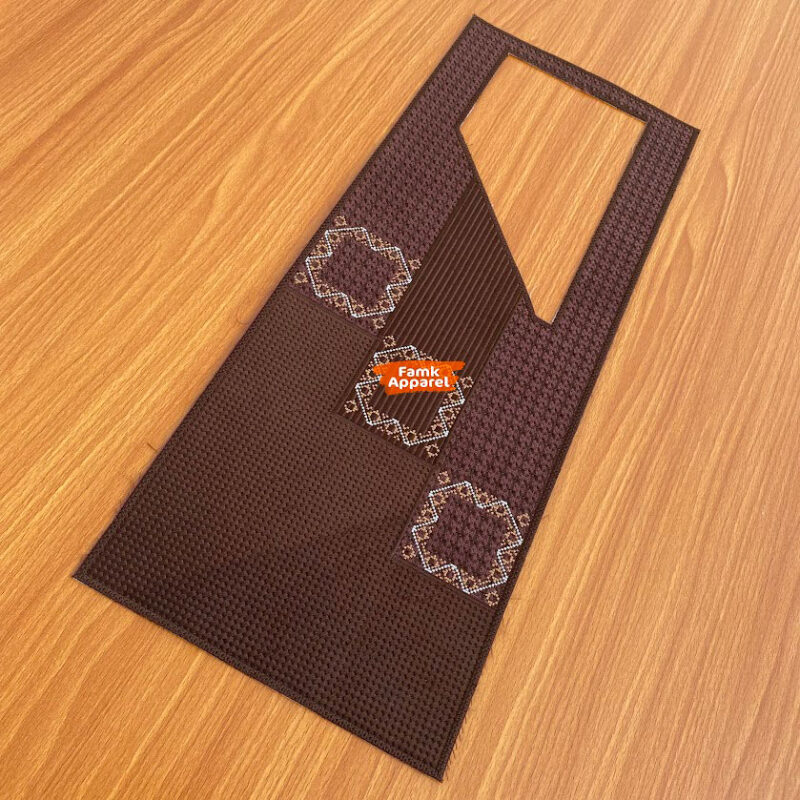
Embroidery is positioned by identifying the intended area on the garment and aligning the design before stitching begins. Common locations include the chest panel, cape, neckline, sleeves and pocket flaps. The placement depends on the Agbada’s cut, the design dimensions and how the garment will fall when worn.
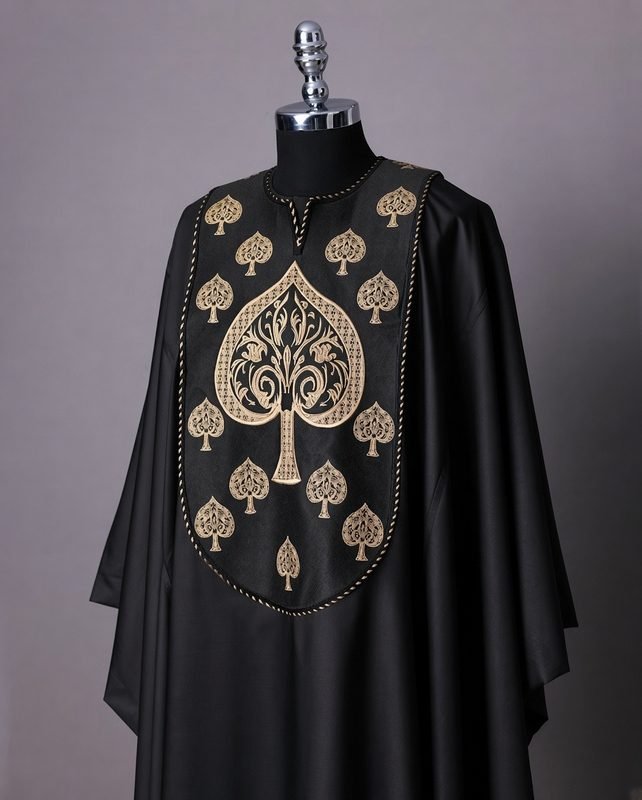
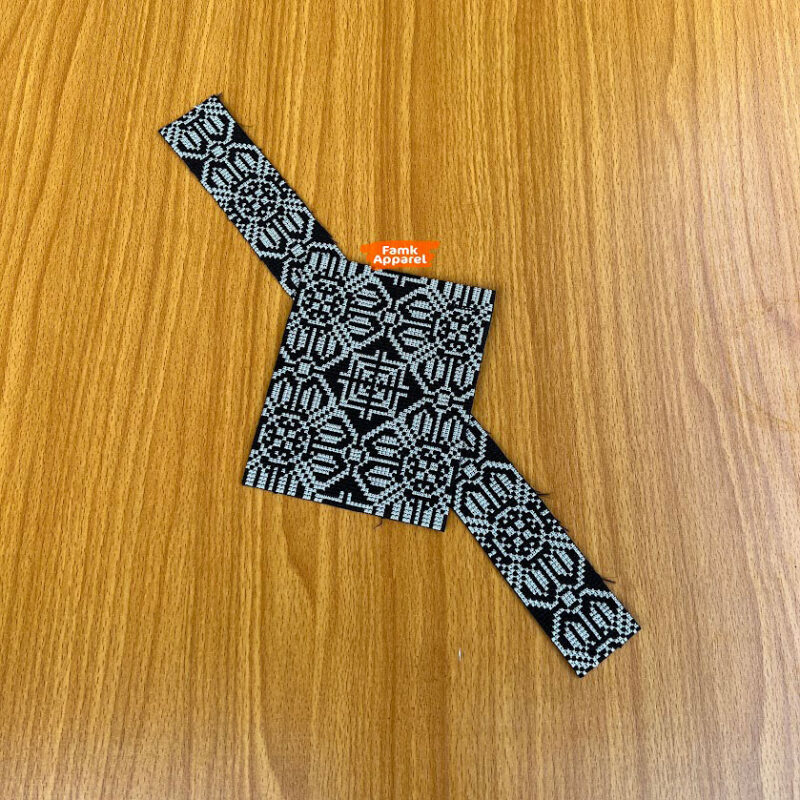
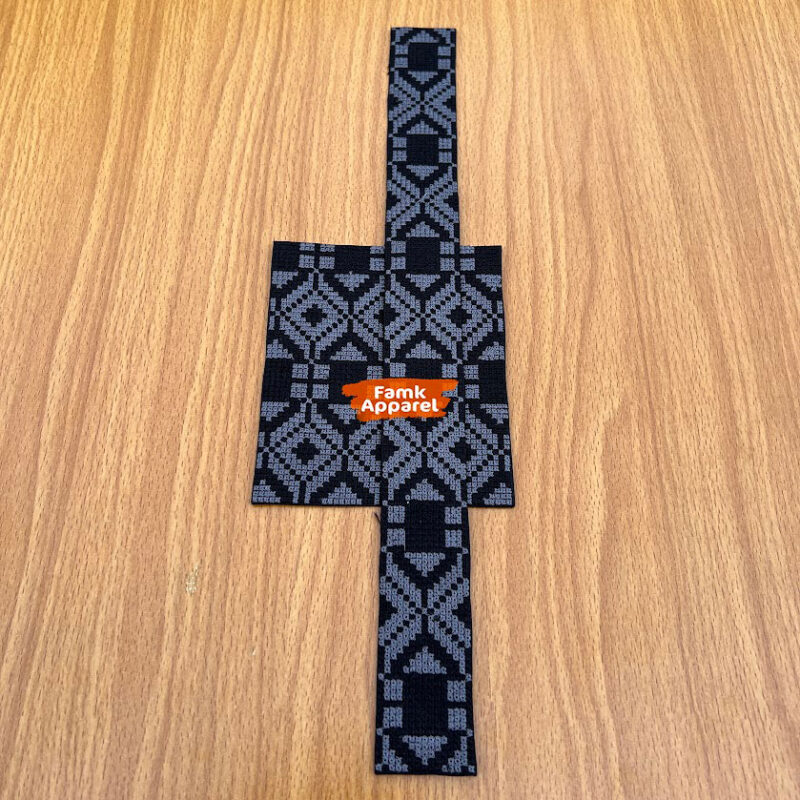
digital embroidery on agbada
Placement is particularly important for agbada because the outer garment has generous fabric and a distinctive drape.
A design that looks centred on a flat piece of material may appear off-centre once the garment is assembled or worn. The embroiderer and tailor therefore need to account for seams, folds and the final shape of the panel. This is also why the embroidery plan should be discussed before the garment is completed.
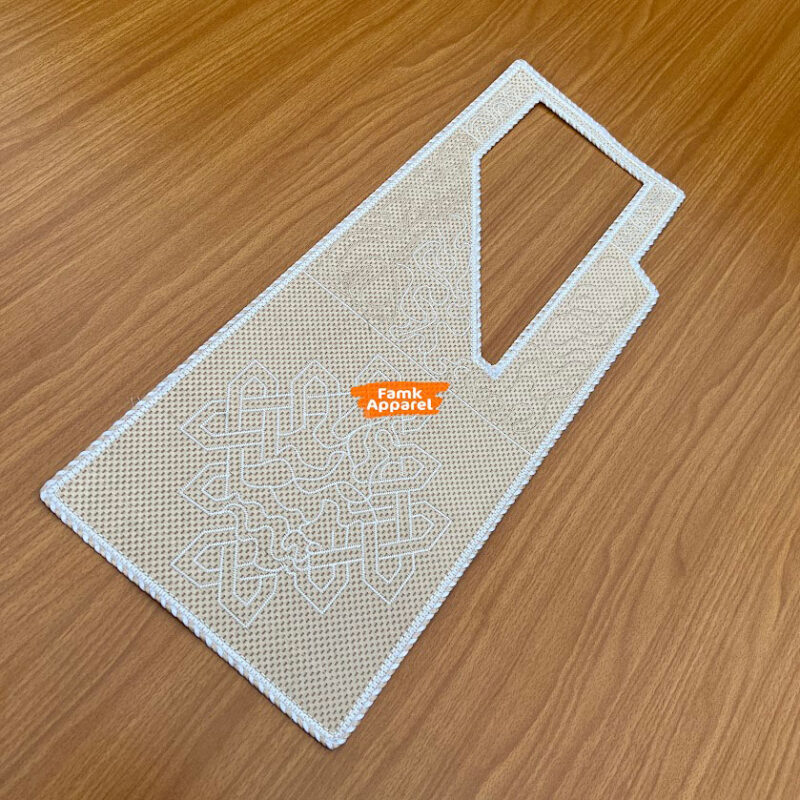
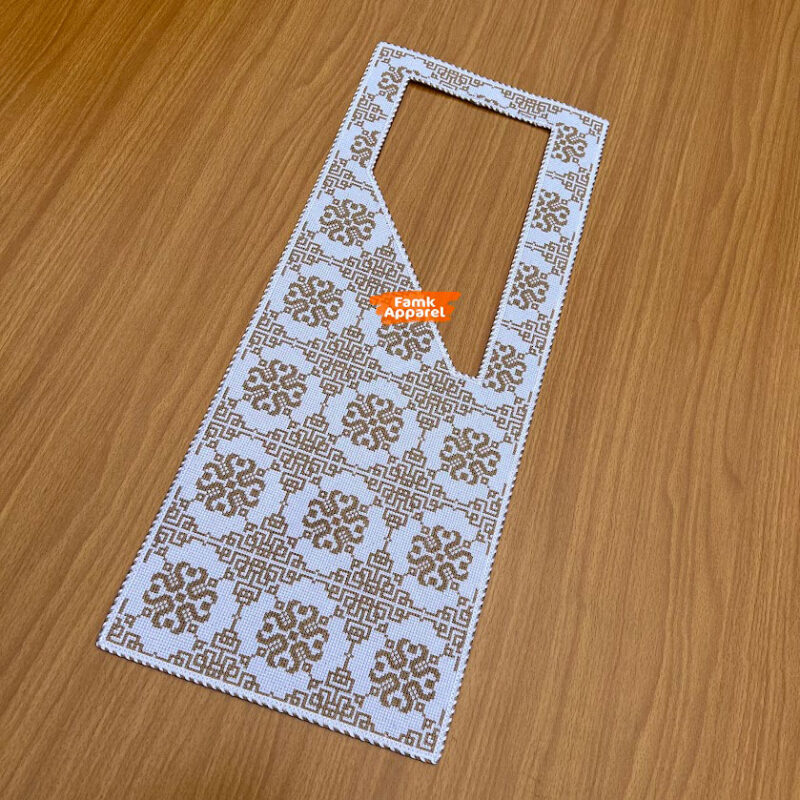
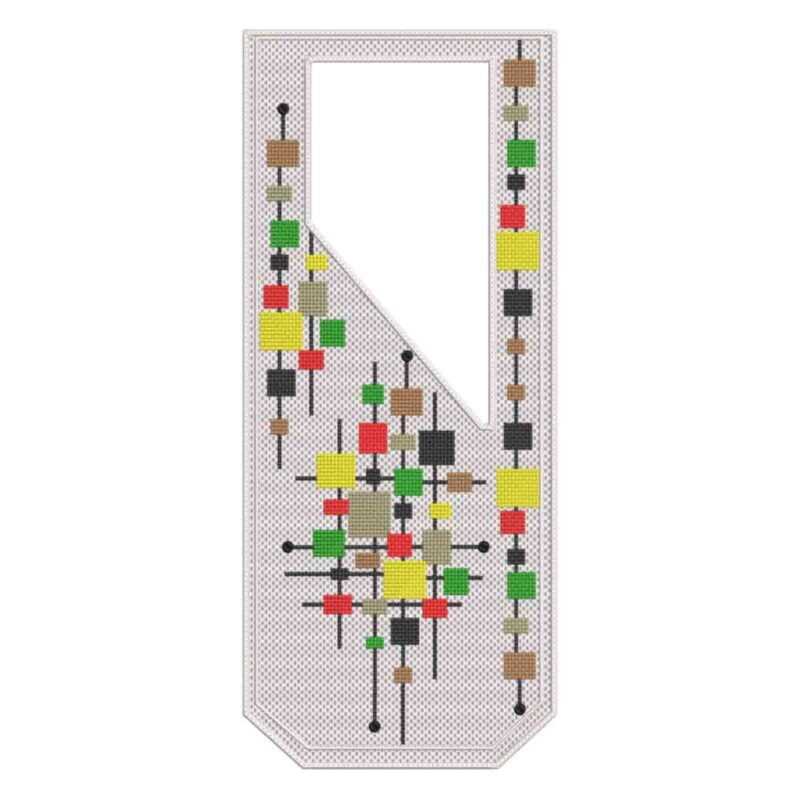
What Happens During the Stitching and Finishing Stages?
During stitching, the machine follows the digitised file to build the pattern with thread, while the operator checks the process for errors. Once stitching is complete, the garment or embroidered panel is inspected, loose threads are removed and any required stabilising material is trimmed or finished according to the fabric and production method.
The work is not finished simply because the machine stops. The design should be checked for missed stitches, thread breaks, uneven tension, puckering and colour inconsistencies. The embroidery should also sit neatly on the fabric without distorting the garment.
If a problem appears, the correction depends on its cause. Some issues can be repaired; others may require the affected section to be restitched. A final inspection helps ensure that the embroidery looks right both up close and as part of the complete Agbada.
What Makes Good Agbada Embroidery Designs for Men?
Good Agbada embroidery designs for men balance visual detail, garment proportions, fabric suitability and the wearer’s preferred style. A design can be bold without covering every available surface. Its scale, thread colours and placement should complement the Agbada rather than compete with its shape.
Some men prefer traditional geometric patterns or elaborate chest panels. Others favour minimal embroidery around the neckline or a restrained monogram.
The same considerations apply to male kaftan embroidery designs and kaftan embroidery designs for men, although the smaller or differently shaped garment areas may call for a different layout.
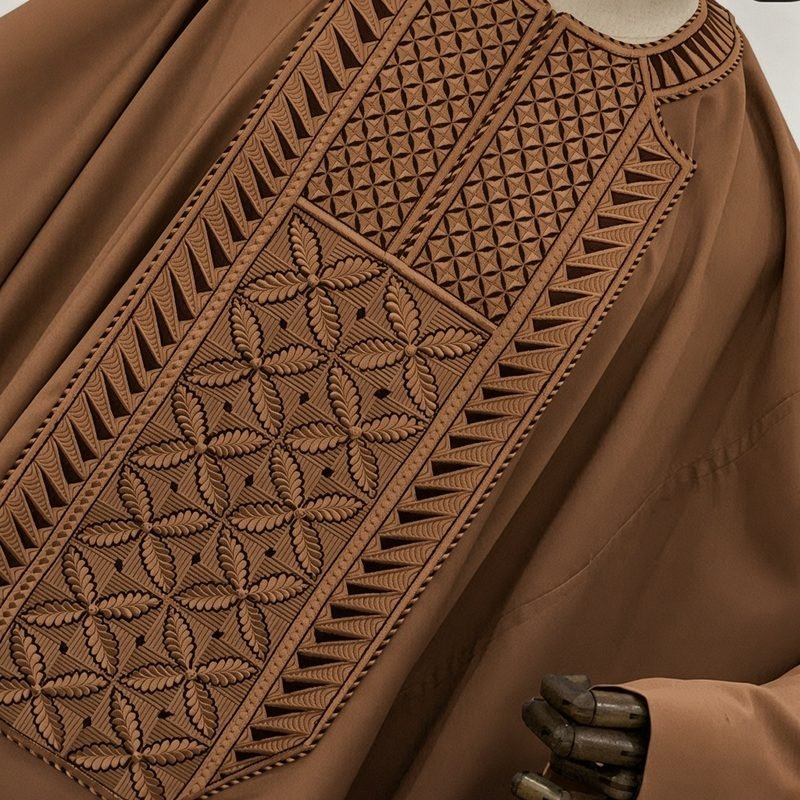
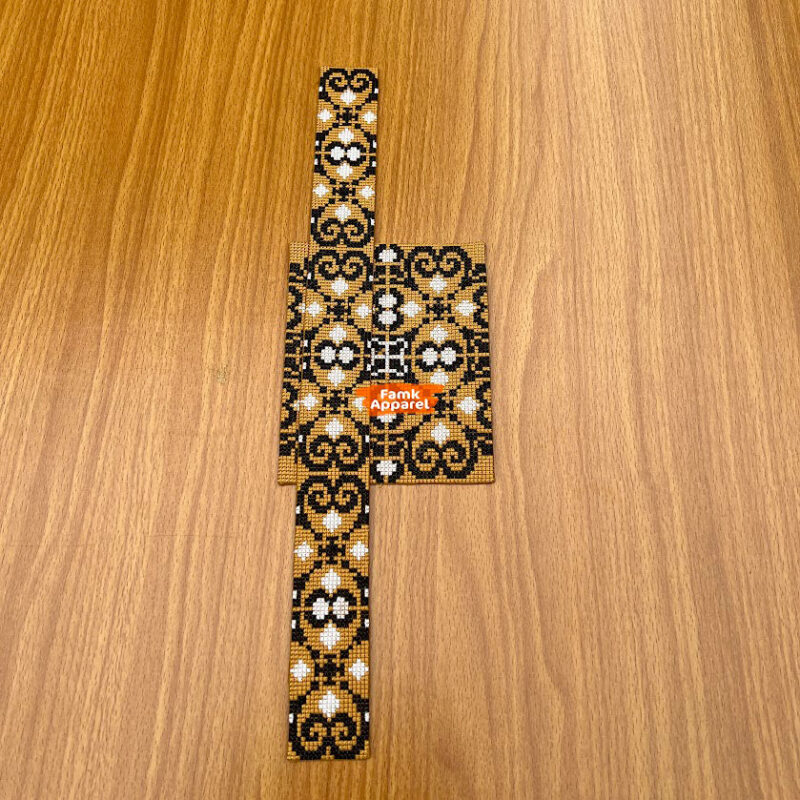
An embroidery design for men
When exploring the latest agbada embroidery designs, look beyond the pattern itself. Consider how it works with the fabric, inner garment and overall silhouette.
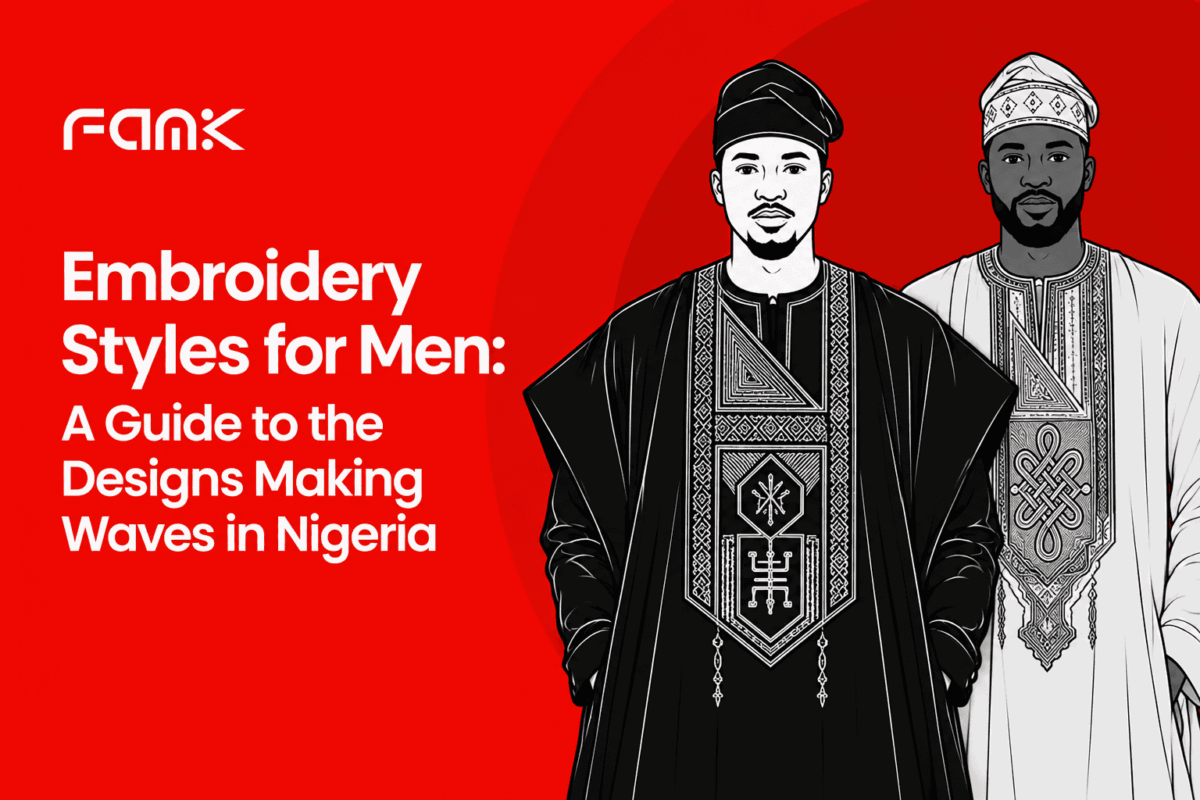
Our guide to embroidery styles for men offers additional inspiration for traditional menswear.
How Does FAMK Apparel Fit Into the Process?
FAMK Apparel provides digital embroidery services for African garments, including Agbada and Kaftan designs. Customers can discuss customised embroidery concepts, including chest panels, garment details and monograms, based on the outfit they want to create.
For a customer or tailor without embroidery equipment, using a specialist service can avoid the need to purchase and operate a machine. It also allows the embroidery design to be considered as part of the wider garment project.
Explore our custom Agbada embroidery process to learn more about planning embroidery for traditional wear.
Frequently Asked Questions
Can any Agbada design be made into machine embroidery?
Not every design can be reproduced exactly as machine embroidery without adjustments. Very fine details, tiny lettering and dense artwork may need simplifying or digitising differently to suit the fabric and machine. A design review before production helps identify potential issues and improves the chances of achieving a clean result.
How long does Agbada embroidery take to produce?
The time needed to produce Agbada embroidery depends on design complexity, stitch count, size, colour changes, machine capability and preparation requirements. A simple pattern may be quicker than a large, dense chest panel. Digitising, setup and test stitching can also add time, so a production estimate should be based on the actual design.
Is computerized embroidery better than hand embroidery for Agbada?
Computerized and hand embroidery each have advantages, and the better option depends on the design, finish and production requirements. Computerized embroidery can provide repeatable patterns and consistent placement, while hand embroidery offers a different process and finish. The garment, artwork, budget and desired result should guide the decision.