
Blog
Best Fabric for Grooms Agbada: Aso Oke, Guinea Brocade, Cashmere & More

The best material for agbada depends on the groom’s preferred look, wedding setting, comfort, embroidery and budget. Aso Oke offers a distinctive traditional appearance, Guinea brocade creates a polished ceremonial look, while lighter or softer fabrics may be more comfortable for long events. There is no single fabric that suits every groom.
That is worth remembering before choosing based purely on appearance. A fabric can look impressive in a photograph yet feel too heavy after several hours at a wedding. Another may be comfortable but lack the structure you want from an agbada. For a groom, the fabric should work with the entire outfit, not just the embroidery.
Which Fabric Is Best for a Groom’s Agbada?
Aso Oke, Guinea brocade and cashmere are among the fabrics worth considering for a groom’s agbada, but each creates a different effect. Aso Oke leans strongly into traditional Nigerian style, Guinea brocade offers structure and visual richness, while cashmere can provide a softer, more refined appearance.
| Fabric | Overall look | Comfort | Embroidery | Best suited for |
| Aso Oke | Traditional and distinctive | Depends on weave | Good for selected designs | Traditional weddings |
| Guinea brocade | Rich and structured | Moderate | Good | Formal ceremonies |
| Cashmere | Soft and refined | Generally comfortable | Suitable for controlled detailing | Modern formal looks |
| Lighter fabrics | Clean and understated | Often easier in warm weather | Suitable for lighter designs | Daytime events |
The choice becomes much easier when you first decide what you want the agbada to communicate.
Is Aso Oke Good for Agbada?
Yes, Aso Oke is a strong choice for agbada when the goal is a distinctly traditional and ceremonial appearance. Its woven texture gives the outfit character without requiring excessive decoration. It can work particularly well for traditional weddings where cultural identity is an important part of the groom’s appearance.
Aso Oke does not necessarily need heavy embroidery. The fabric itself already has visual presence. A carefully placed chest design, complementary cap and restrained accessories may be enough. For a groom who wants the outfit to feel unmistakably Nigerian, Aso Oke for agbada is worth considering.
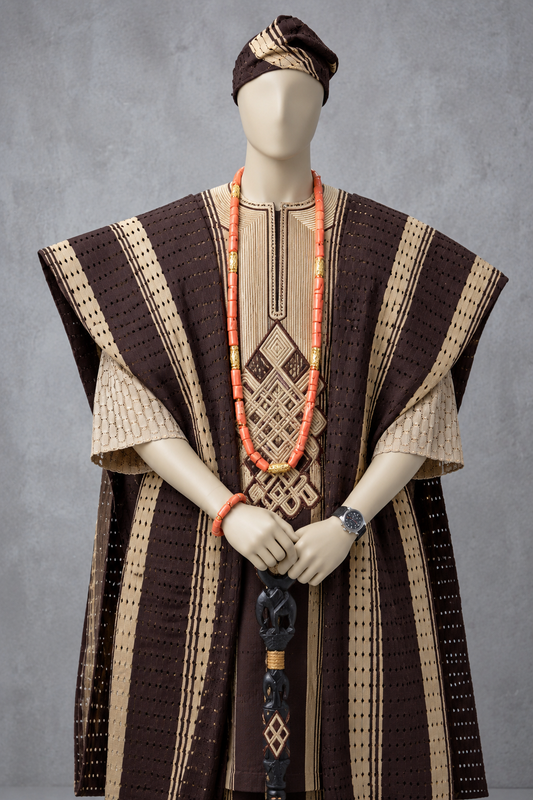
aso oke fabric for agbada
Is Guinea Brocade Good for Agbada?
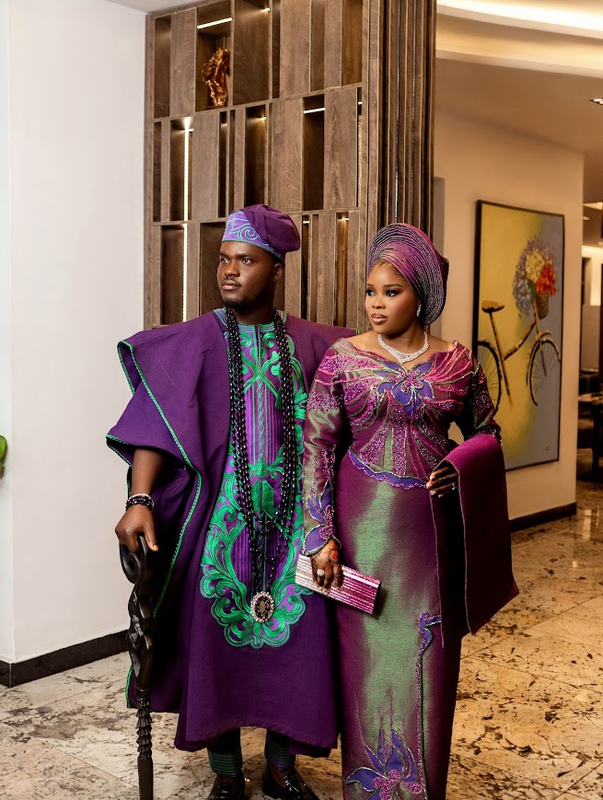
Yes, Guinea brocade is suitable for agbada when you want a richer, more structured appearance for a formal occasion. Its textured finish can give the outfit depth, while carefully selected embroidery can add another layer without making the garment visually overwhelming.
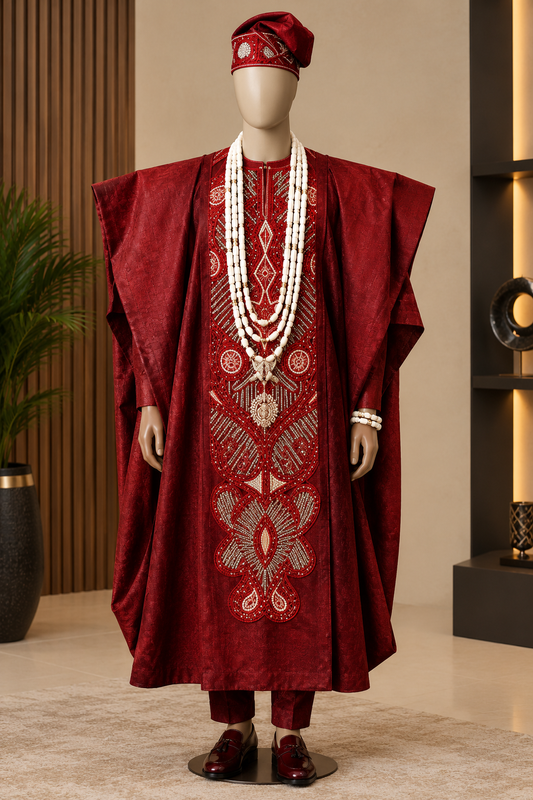
agbada embroidery on guinea brocade fabric
It can be particularly effective for elaborate wedding agbada styles for men, although the final result depends heavily on the particular fabric and design.
One caution: do not choose brocade simply because it looks luxurious in the shop. Consider the weight and how long you will be wearing it. A wedding can easily turn a beautiful heavy fabric into an uncomfortable one.
Is Cashmere Suitable for Agbada?
Cashmere can work for agbada when the groom wants a softer, refined appearance rather than a strongly textured traditional finish. Its suitability depends on the specific material, construction and weather conditions, so the fabric should be assessed before production rather than selected solely because the name sounds premium.
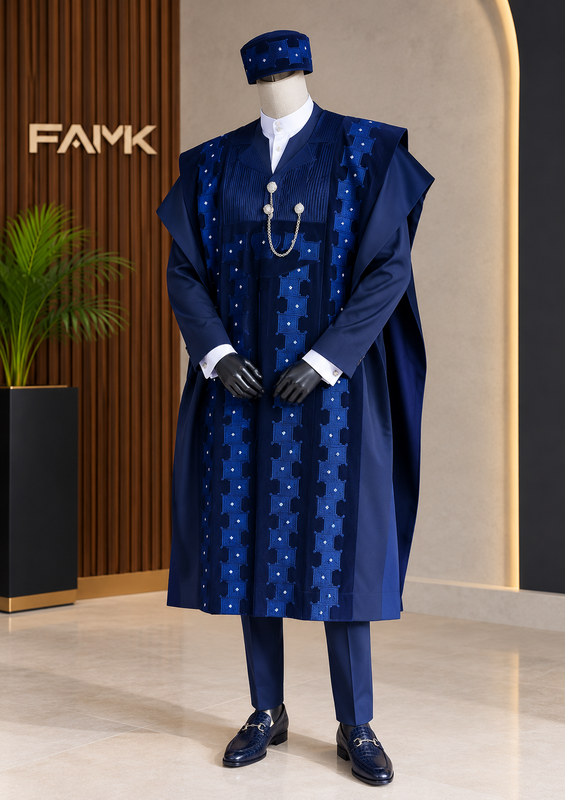
A cashmere agbada can fit particularly well within a more contemporary wedding aesthetic. But the broader lesson is simple: premium does not automatically mean appropriate. For a warm outdoor ceremony, breathability and comfort may matter more than the prestige associated with a particular fabric.
What Fabric Works Best With Agbada Embroidery?
A fabric that holds its shape and provides a suitable surface for the intended embroidery is generally the better choice. The design, stitch density and placement should be considered alongside the fabric’s weight and structure. Heavy embroidery on an unsuitable or lightweight material can affect the garment’s appearance and drape.
This is where fabric selection and embroidery planning need to happen together. For example, a groom planning an elaborate chest panel should tell the tailor and embroiderer about the fabric before the design is finalised.
You may also want to explore FAMK’s guide to agbada embroidery designs for ideas on placement and detailing.
How Should a Groom Choose Fabric for His Wedding Agbada?
A groom should choose his agbada fabric by considering the wedding venue, weather, desired appearance, embroidery, comfort and overall budget. An indoor evening reception allows different choices from a long outdoor ceremony. The fabric should also complement the bride’s outfit and the broader wedding colour scheme without looking identical.
Think about the event first, then consider the outfit.
- For a traditional wedding: Aso Oke can provide a stronger cultural identity and ceremonial appearance.
- For a formal reception: Guinea brocade or another structured fabric can create a richer, more polished effect.
- For a modern minimalist look: A softer, cleaner fabric with restrained embroidery may be the better direction.
- For a long outdoor event: Comfort and weight deserve more attention than elaborate texture.
How Much Should You Prioritise Fabric Over Embroidery?
Fabric should be considered before embroidery because it determines the foundation on which the embroidery will sit. A striking design cannot fully rescue fabric that is uncomfortable, unsuitable for the garment structure or poorly matched to the occasion. Choose the material first, then develop the embroidery around its characteristics.
That does not mean embroidery is secondary, rather, the two should complement each other. A richly textured fabric may need less decoration. A plain fabric can provide a cleaner canvas for a more distinctive embroidered chest panel. That balance often produces a more sophisticated result than simply adding more detail.
FAMK Apparel and Groom Agbada Embroidery
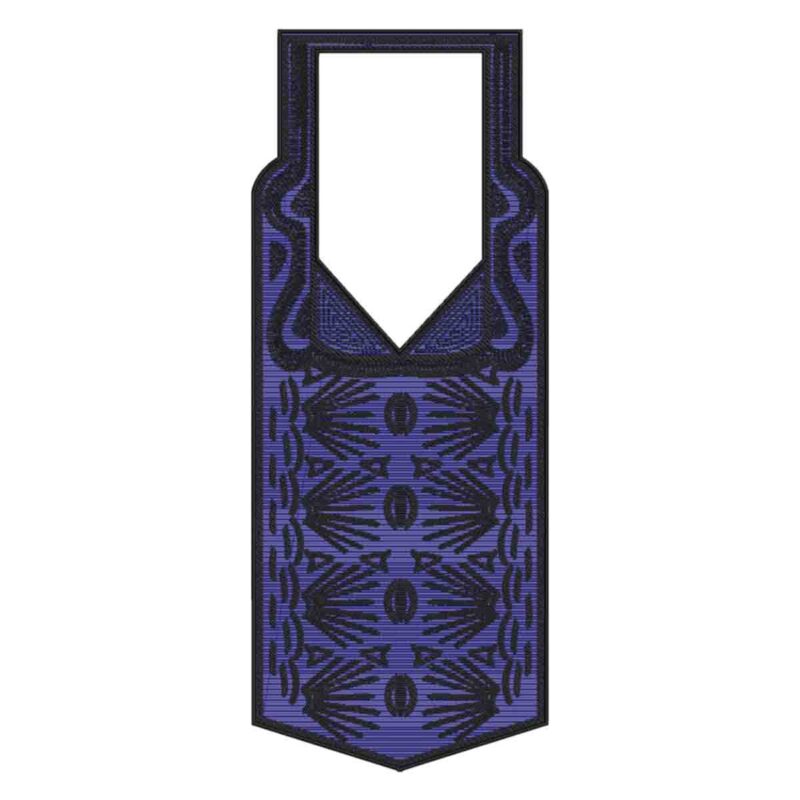
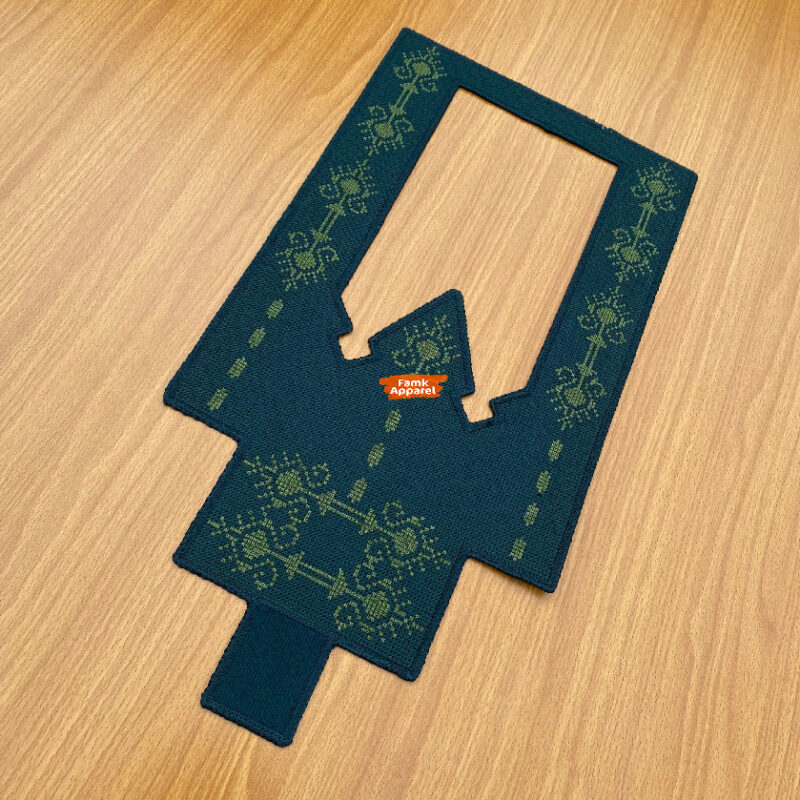
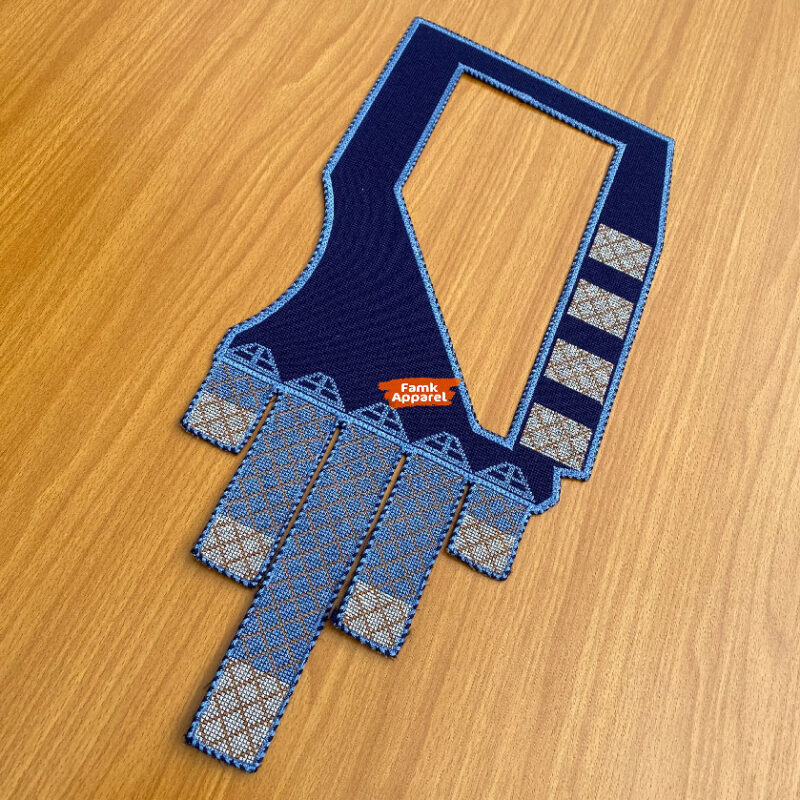
The fabric is only one part of the finished look. FAMK Apparel provides digital embroidery services for African garments, including agbada and kaftan designs. For grooms, this can mean adding a customised chest panel, sleeve detail or other embroidery without having to purchase and operate an embroidery machine themselves.
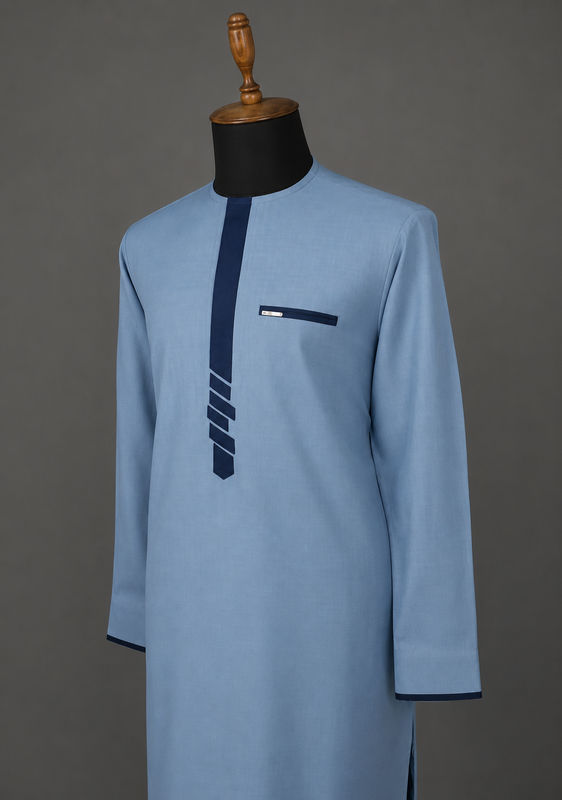
kaftan embroidery design
The embroidery can be planned around the selected fabric, colour scheme and overall garment design. That matters because good embroidery should feel like part of the agbada—not something added to it at the last minute.
Frequently Asked Questions
What is the best fabric for a groom’s Agbada?
The best fabric for a groom’s agbada depends on the wedding, desired appearance, comfort and embroidery requirements. Aso Oke suits traditional ceremonies, Guinea brocade offers a richer structured look, while softer fabrics can create a more contemporary appearance. The groom should consider the venue and weather before making a final choice.
Is Aso Oke or Guinea brocade better for Agbada?
Neither is automatically better; the right choice depends on the groom’s preferred style and wedding setting. Aso Oke creates a more distinctive traditional appearance, while Guinea brocade can provide a richer and more structured finish. Both can work well with carefully planned embroidery and accessories.
What fabric is best for Agbada embroidery?
The best fabric for agbada embroidery is one that suits the embroidery’s weight, stitch density and placement while maintaining the garment’s shape. Structured fabrics can support detailed designs, but the specific material should be tested before production. The embroidery design should be developed with the fabric rather than separately.
Final Thoughts
There is no need to chase one supposedly perfect fabric. The best material for agbada is the one that makes sense for the groom, the ceremony and the design. Aso Oke brings tradition. Guinea brocade brings texture and structure. Softer fabrics can take the outfit in a more contemporary direction. Then comes the embroidery. Get those elements working together, and the agbada feels considered rather than simply decorated.