

Blog
How to Wear Agbada: A Complete Styling Guide for Men

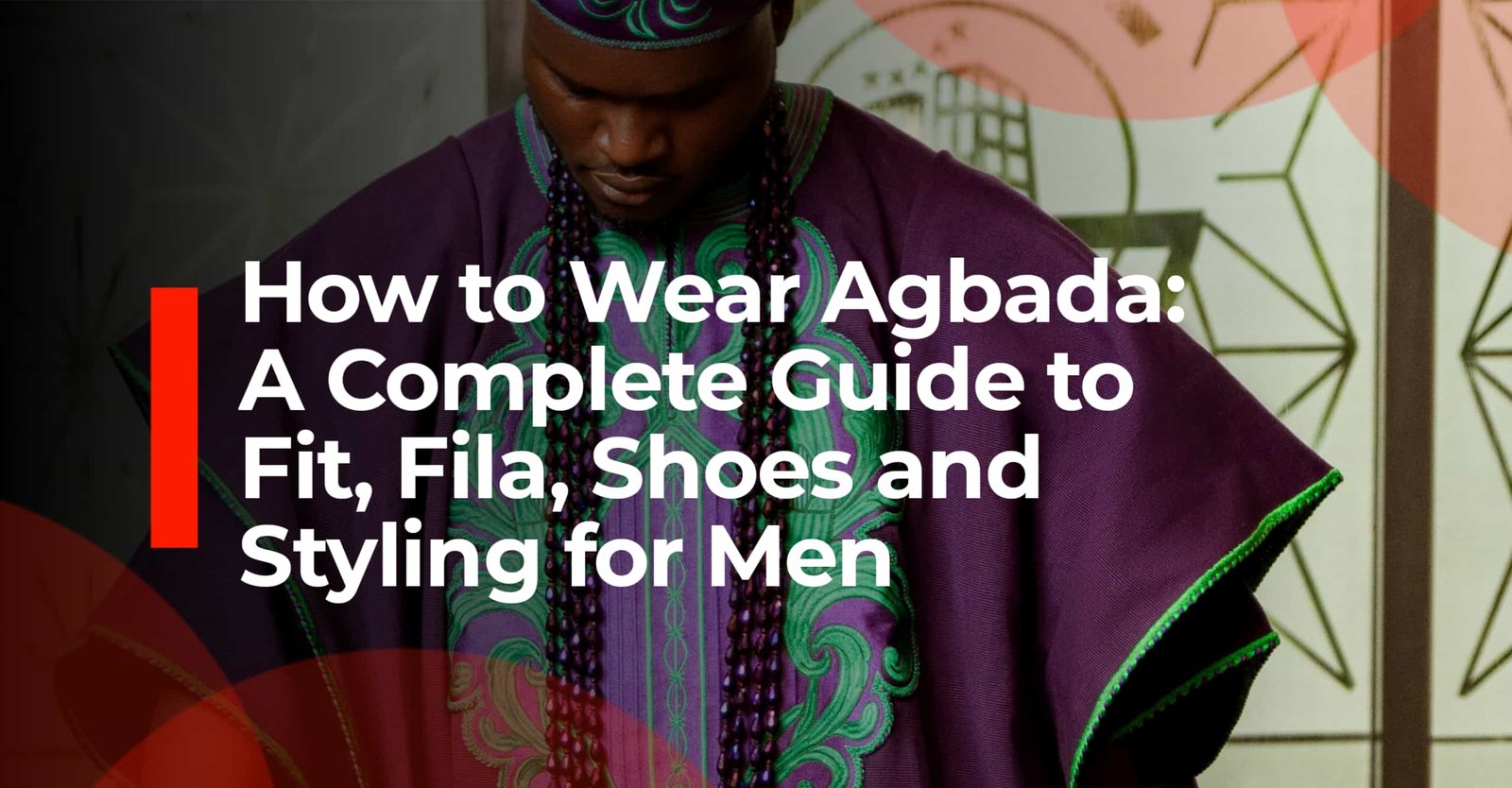
Knowing how to wear agbada is about more than putting on the flowing outer garment and matching it with a cap. The fit, length, inner shirt, fila, shoes and accessories all affect the final appearance. Get one of these details wrong and an otherwise beautiful outfit can feel awkward. Get them right, and even a relatively simple agbada can look remarkably polished.
How Should Agbada Fit?
Agbada should fit comfortably across the shoulders and sit naturally on the body without looking excessively tight or unnecessarily oversized. The outer robe should have enough room to create its characteristic flowing shape, while the inner garment and trousers should remain properly fitted for a balanced overall appearance.
The agbada is supposed to have volume. That is part of its identity. But volume does not mean drowning in fabric. The shoulder line should sit properly, the sleeves should fall naturally, and the length should suit your height and the style being made. A good tailor should also consider your proportions rather than simply copying measurements from another person.
How Long Should an Agbada Be?
An agbada should generally fall to a length that complements the wearer’s height and the intended style without dragging on the floor. Longer designs can create a more dramatic ceremonial appearance, while shorter cuts can feel lighter and more contemporary, particularly for younger men.
This is where proportion becomes important. A very long agbada on a shorter frame can overwhelm the wearer. On the other hand, a dramatically shortened design may lose some of the garment’s traditional presence. The right length should allow you to walk comfortably while preserving the flowing silhouette.
What Should You Wear Under Agbada?
The inner outfit worn under agbada should be clean, well-fitted and coordinated with the outer garment. Many men wear a matching or complementary native shirt and trousers, while the colour and neckline can be adjusted to create either a traditional or more contemporary appearance.
The inner layer is more visible than you might expect. Its neckline, colour and fit can change how the entire agbada looks when the outer garment moves.
For a formal outfit, matching the inner garment closely with the agbada creates a cohesive appearance. A contrasting inner piece can make the look more modern. Either can work. It depends on the effect you want.
How Do You Wear Fila With Agbada?
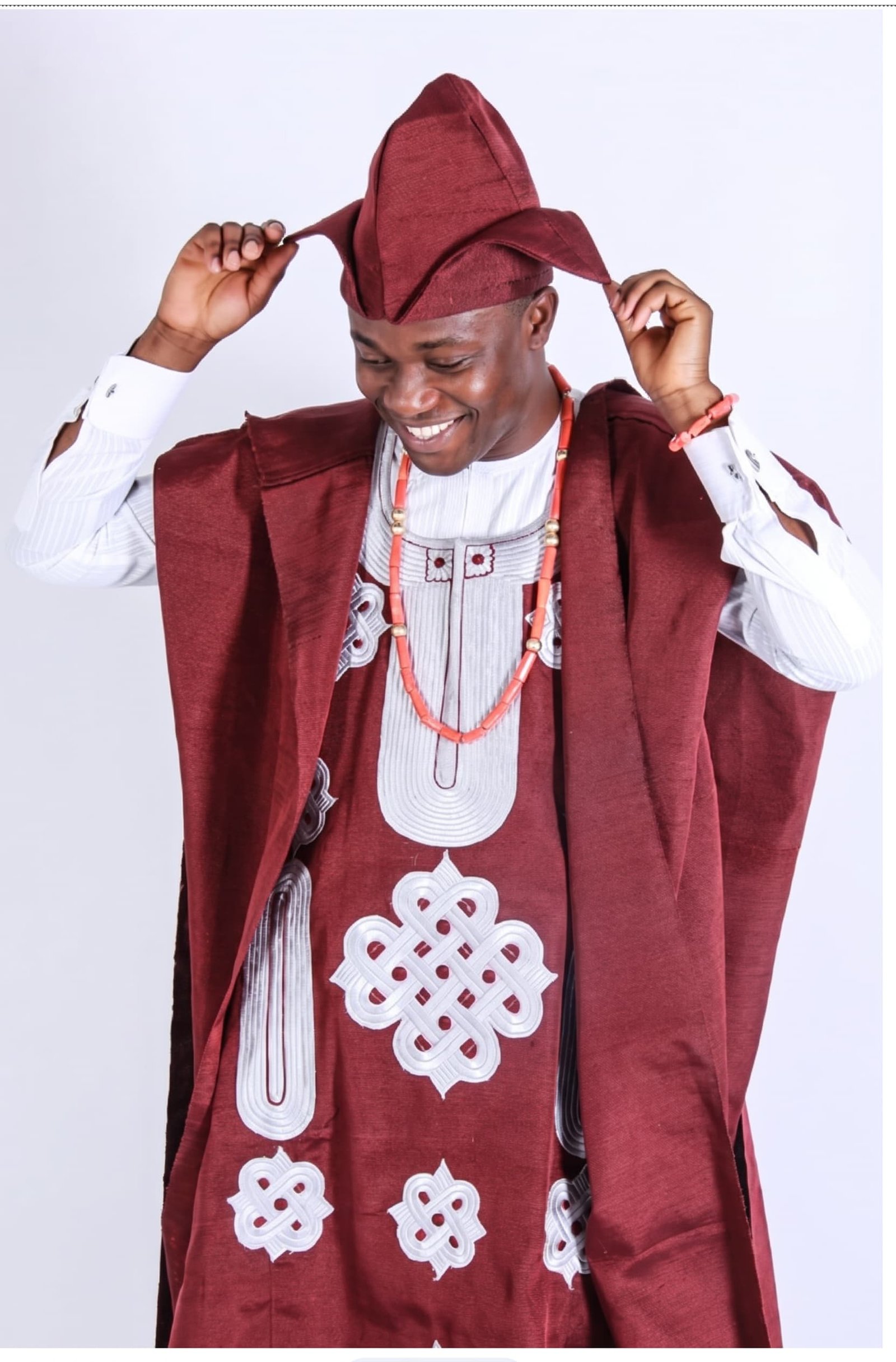
Wear the fila as a coordinated finishing piece rather than treating it as an afterthought. A fila can match the agbada fabric or complement its colour, and it should sit comfortably on the head without appearing excessively tight or distorted.
A matching fila gives the outfit a more traditional, unified appearance. For a modern look, however, you can use a subtle contrast. The shape matters too. A badly folded or poorly positioned fila can make an otherwise excellent agbada look unfinished.
If you are attending a particularly formal ceremony, the fila should usually be coordinated with the overall colour palette rather than introduced as a completely unrelated colour.
What Shoes Should You Wear With Agbada?
The best shoes to wear with agbada are formal or smart footwear that complements the outfit without competing with its fabric and embroidery. Loafers, traditional sandals and clean formal shoes can all work, depending on the agbada’s colour, level of formality and the occasion.
For weddings and formal events, polished loafers or understated dress shoes are safe choices. Traditional leather sandals can work particularly well with a more culturally focused native outfit. Avoid choosing shoes simply because they are expensive. The better question is whether they belong with the outfit.

What Colours Work Best for Agbada?
The best agbada colour depends on the occasion, skin tone, personal preference and the desired level of formality. Neutral shades such as white, cream, beige, black and navy are versatile, while wine, green and other deeper colours can create a stronger statement for weddings and evening events.
Colour coordination does not mean everything must be identical. A cream agbada with a slightly darker inner garment can create depth. A navy outfit can work with subtle metallic embroidery. A black agbada can take contrasting embroidery without looking excessive.
The important thing is restraint. Too many competing colours can make the outfit look busy.
Are Short Agbada Styles Good for Young Men?
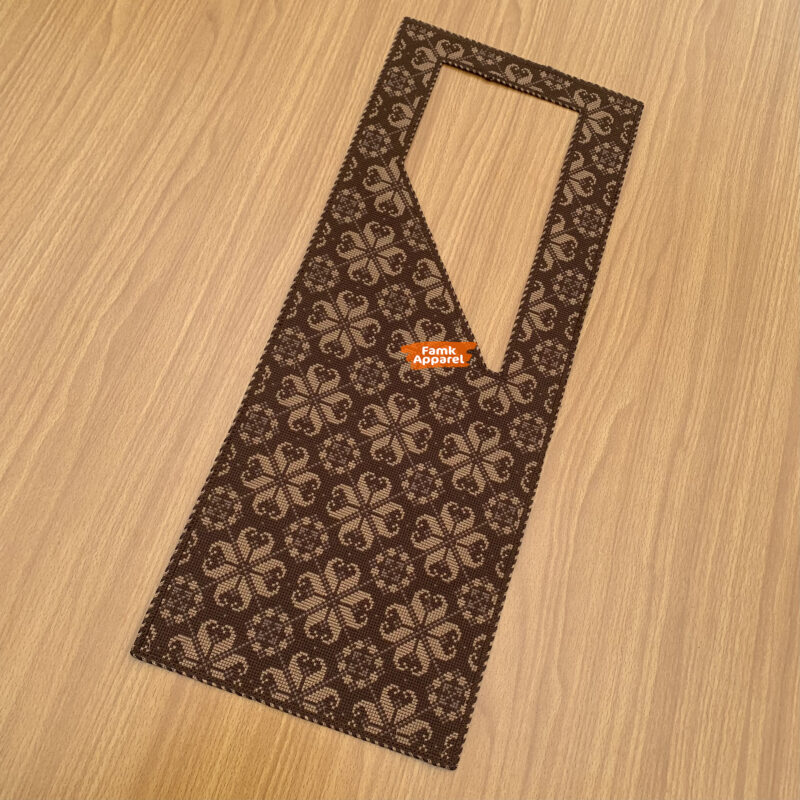
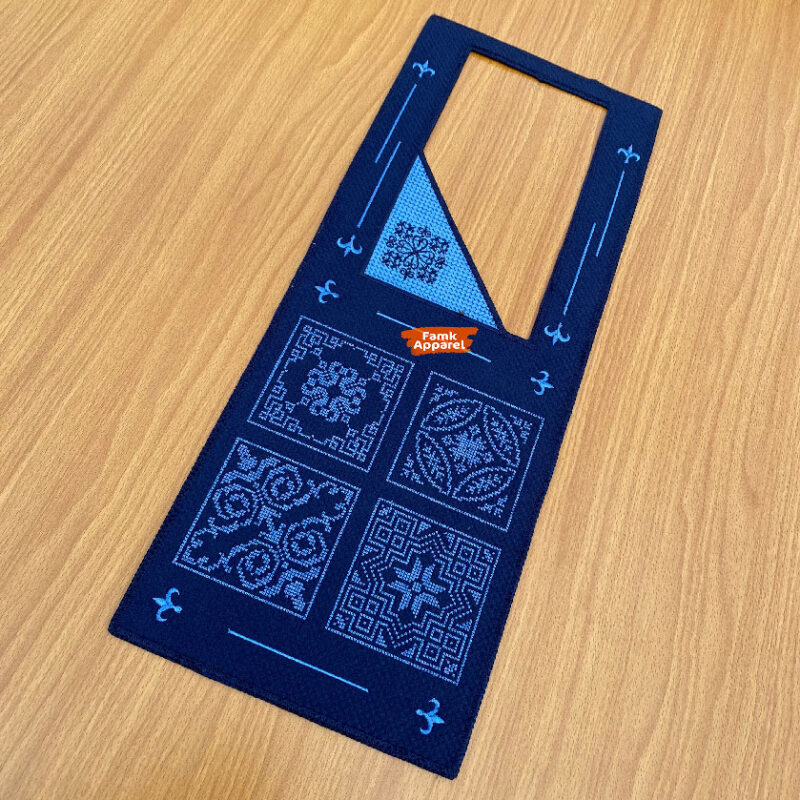
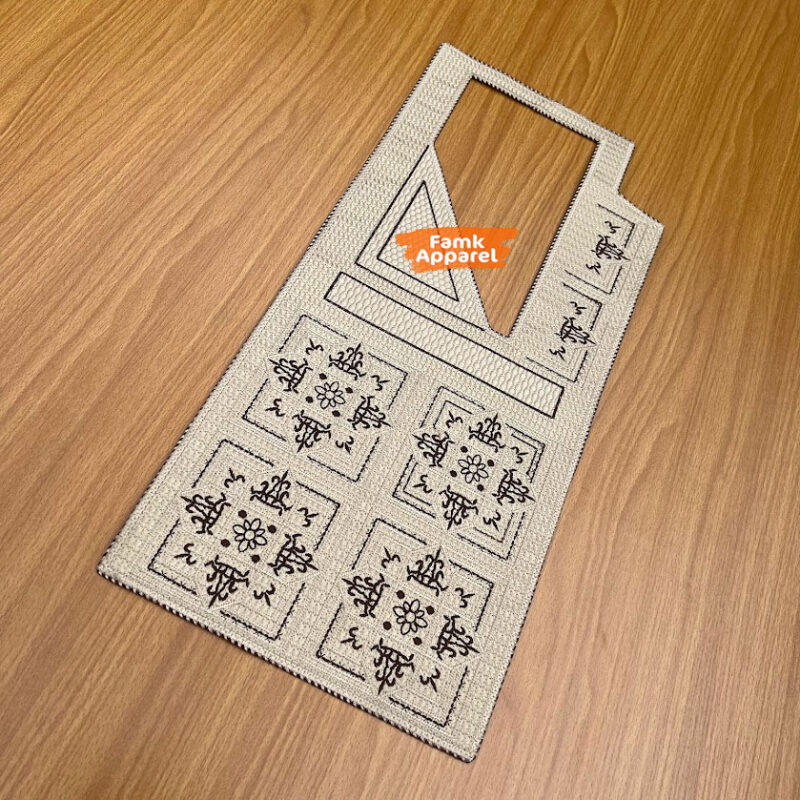
Yes, short agbada styles can work particularly well for younger men who want a lighter, more contemporary interpretation of traditional clothing. A shorter outer layer can create a cleaner silhouette and make the outfit easier to wear casually or at less formal events
This does not mean every short agbada should look radically different. A shorter length combined with restrained embroidery and a fitted inner garment can be enough to modernise the outfit. That is why short agbada styles for men and agbada styles for young guys have become useful alternatives to very elaborate ceremonial designs.
How Should You Style Agbada for a Wedding?
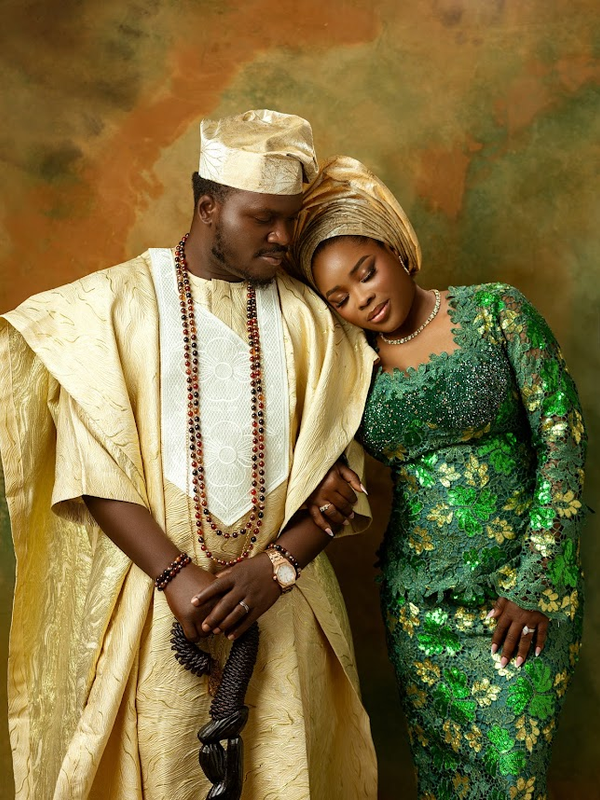
For a wedding, style your agbada around the formality of the ceremony, the wedding colours and your role at the event. Grooms can use richer fabrics, custom embroidery and coordinated accessories, while guests should generally avoid looking so elaborate that they compete with the couple.
For grooms
The outfit can be more distinctive. Custom embroidery, a coordinated fila and carefully selected accessories can create a strong ceremonial look. This is where wedding agbada styles for groom searches become especially relevant.
For wedding guests
You have more flexibility. A simpler embroidered agbada, kaftan or native set can look excellent without competing with the groom. For more inspiration, see our guide to modern Agbada styles for weddings.
What Accessories Go With Agbada?
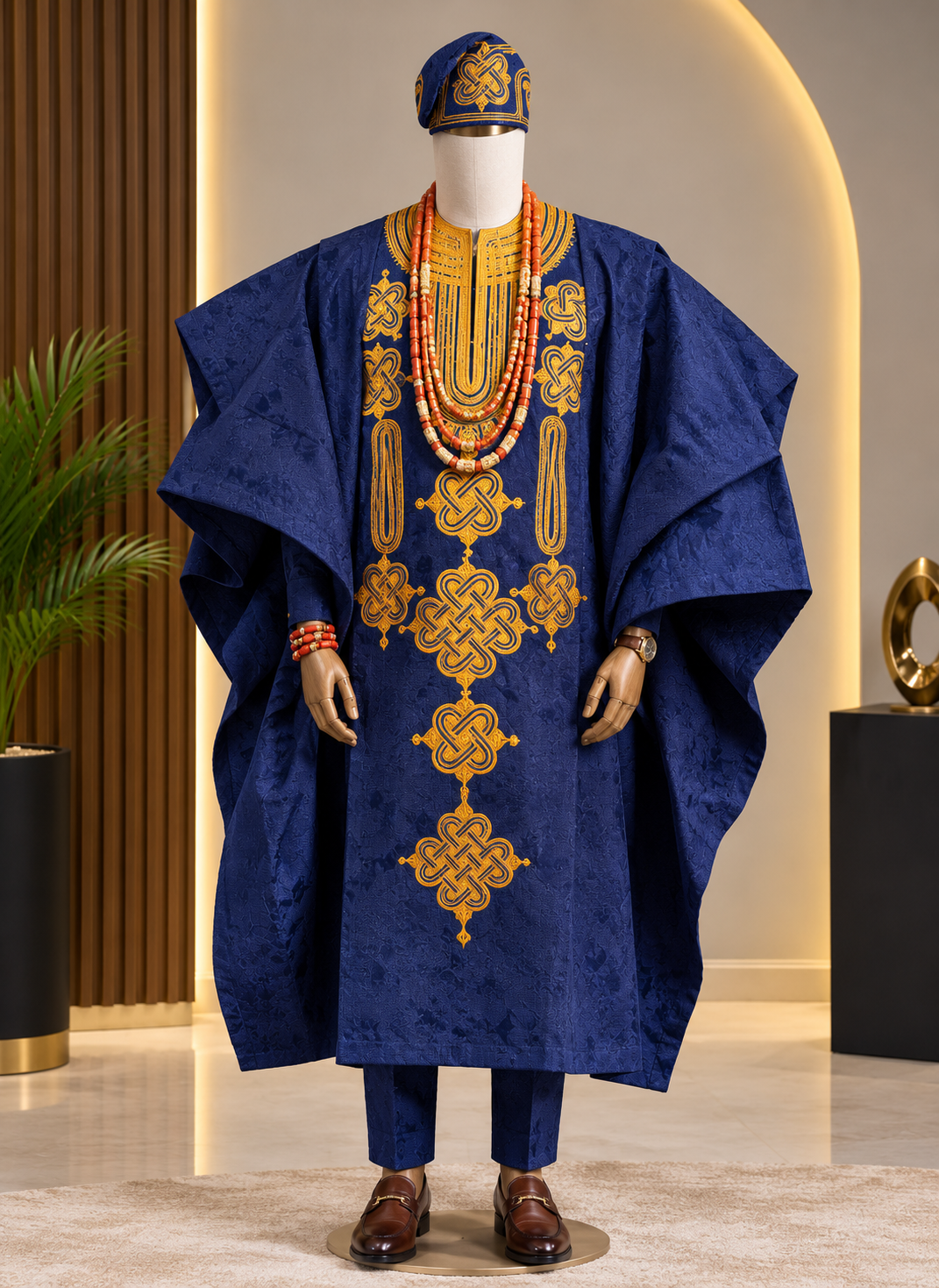
Accessories should complement the agbada rather than overwhelm it. A coordinated Fila, wristwatch, traditional beads, cufflinks or understated jewellery can complete the outfit, but the right combination depends on how elaborate the fabric and embroidery already are.
This is where less can genuinely be more. If the agbada has detailed embroidery, adding several statement accessories may create unnecessary visual competition. A simpler outfit gives you more freedom. Think of accessories as the finishing layer, not the main event.
How Can You Make an Agbada Look More Modern?
You can modernise an agbada through a shorter cut, cleaner embroidery, sharper inner wear, restrained accessories and contemporary colour combinations. The goal is not to remove its traditional character, but to adjust the proportions and details so the outfit feels appropriate for the wearer and occasion.
This approach works particularly well for younger men. Instead of changing everything, change one or two elements. A shorter outer layer. A simpler chest panel. A contrasting inner shirt. A minimalist Fila. Small decisions can shift the entire look.
Frequently Asked Questions
Can you wear Agbada casually?
Yes, agbada can be worn casually when the design is lighter, shorter and less heavily decorated. A simple fabric, restrained embroidery and minimal accessories can make the outfit suitable for social gatherings or relaxed occasions. More elaborate Agbada designs are generally better suited to weddings, ceremonies and formal events.
What shoes should a man wear with Agbada?
Loafers, formal dress shoes and traditional sandals can all work with agbada, depending on the outfit and occasion. For formal weddings, polished loafers or dress shoes are usually suitable. Traditional sandals can complement a more culturally focused look. The footwear should coordinate with the outfit without competing with its embroidery.
Should Agbada and Fila match?
Agbada and fila do not have to match exactly, but they should complement each other in colour, fabric or overall style. A matching fila creates a traditional coordinated appearance, while a subtle contrast can make the outfit feel more contemporary. Avoid a combination where the cap introduces an unrelated or distracting colour.
Final Thoughts
Learning how to wear agbada comes down to proportion and coordination.
The outer garment should flow without overwhelming you. The inner outfit should fit properly. Your Fila and shoes should belong with the overall look, and accessories should add something without taking over. For weddings, the same principle applies—but with more attention to the ceremony, your role and the level of formality. There is no need to make every detail loud.
Sometimes the most memorable agbada outfit for men is simply the one where everything seems to sit exactly where it should.